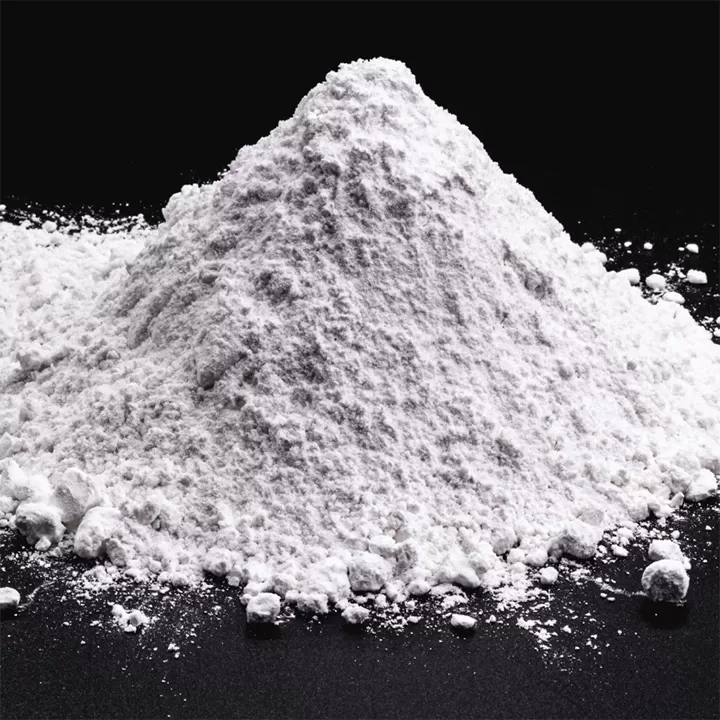
The global construction industry remains anchored by the use of hydraulic binders, with regular portland cement serving as the most prevalent material. Known technically as Ordinary Portland Cement (OPC), this binder is produced through the high-temperature calcination of limestone and clay, followed by the fine grinding of the resulting clinker with a small amount of calcium sulfate. Understanding the chemical and physical properties of this material is a fundamental requirement for engineers tasked with designing high-performance concrete. Golden Fortune provides technical insight into how these primary binders interact with supplementary cementitious materials to achieve superior durability in challenging environments.
The Mineralogical Composition of OPC Clinker
The performance of regular portland cement is determined by its four primary mineral phases, which are formed during the sintering process in a rotary kiln. These phases, often calculated using Bogue’s equations, dictate everything from early-age strength to long-term chemical resistance.
Tricalcium Silicate (C3S): Typically comprising 50-70% of the clinker, C3S is responsible for the early strength development within the first seven days. It hydrates rapidly and releases a significant amount of heat.
Dicalcium Silicate (C2S): Making up 15-30% of the composition, C2S hydrates more slowly and contributes to the strength gain after the 28-day mark.
Tricalcium Aluminate (C3A): Although present in smaller amounts (5-10%), C3A is highly reactive. It facilitates the initial set but is also the most vulnerable phase to sulfate attack.
Tetracalcium Aluminoferrite (C4AF): This phase acts as a flux during manufacturing, lowering the fusion temperature of the raw mix. It contributes little to the mechanical strength but gives cement its characteristic gray color.
Controlling the balance of these phases is a key factor for manufacturers. For instance, reducing C3A content is necessary for producing sulfate-resistant variants, while increasing C3S fineness can accelerate construction timelines through faster formwork removal.
Hydration Mechanics and Microstructural Development
The transformation of regular portland cement from a dry powder into a hardened stone-like matrix occurs through a series of exothermic chemical reactions known as hydration. This is not a simple drying process but a crystallization event that builds a complex microstructure.
The Five Stages of Hydration
Initial Hydrolysis: Upon contact with water, aluminate phases react immediately, causing a brief release of heat.
Induction Period: A period of relative inactivity that allows for the transportation and placement of concrete.
Acceleration Stage: The primary formation of Calcium Silicate Hydrate (C-S-H) and Portlandite (calcium hydroxide) begins, leading to the initial set.
Deceleration Stage: The rate of reaction slows as the layer of hydration products around the cement grains thickens, making moisture diffusion more difficult.
Steady State: A long-term phase where strength continues to grow at a diminishing rate as remaining unhydrated cores react.
The byproduct of this reaction, calcium hydroxide, is alkaline and provides a protective environment for steel reinforcement. However, it also creates large capillary pores that can allow the ingress of harmful ions. This is why Golden Fortune emphasizes the use of ultrafine admixtures to refine this pore structure and enhance the binder's longevity.
ASTM and EN Classifications for Portland Cement
International standards such as ASTM C150 and EN 197-1 categorize regular portland cement into various types based on intended use. These classifications help engineers select the right binder for specific environmental conditions.
Type I is the general-purpose cement used in most reinforced concrete buildings and pavements. Type II is modified to provide moderate sulfate resistance and lower heat of hydration, making it suitable for drainage structures. Type III is ground more finely to provide high early strength, which is vital for precast concrete production or cold-weather construction. Type IV is a low-heat cement designed for mass concrete pours, such as gravity dams, to prevent thermal cracking. Finally, Type V is formulated with very low C3A content to resist severe sulfate environments in soil or groundwater.
Technical Challenges and Inherent Weaknesses in OPC
Despite its versatility, regular portland cement faces several technical limitations that can compromise the lifespan of a structure. Identifying these pain points is the first step toward implementing effective solutions.
Thermal Cracking in Mass Concrete
The exothermic nature of hydration means that large concrete elements can experience significant temperature differentials between the core and the surface. As the exterior cools faster than the interior, tensile stresses develop, leading to thermal cracking. This is a major concern in the construction of bridge piers and foundation rafts.
Alkali-Silica Reaction (ASR)
OPC contains varying levels of alkalis (sodium and potassium). When these react with certain types of reactive silica in aggregates, an expansive gel is formed. In the presence of moisture, this gel swells, causing internal pressure that eventually leads to characteristic "map cracking" and structural degradation.
Permeability and Ion Ingress
The microstructure of hydrated regular portland cement contains interconnected pores. In marine environments, chloride ions can penetrate these pores and reach the steel reinforcement, leading to corrosion and spalling of the concrete cover.
Strategic Solutions: Enhancing OPC with SCMs
To overcome the limitations of standard binders, the industry has turned to the integration of Supplementary Cementitious Materials (SCMs). The synergy between OPC and materials like Ground Granulated Blast Furnace Slag (GGBS) is a primary method for improving durability. Golden Fortune supports this transition by providing high-quality mineral components that react with the calcium hydroxide produced by cement hydration.
When GGBS is blended with OPC, it consumes the excess calcium hydroxide to form additional C-S-H gel. This process, known as the pozzolanic or latent hydraulic reaction, densifies the concrete matrix. The result is a significant reduction in permeability and a higher resistance to both chloride ingress and sulfate attack. Furthermore, the partial replacement of cement with slag reduces the total heat of hydration, mitigating the risk of thermal cracking in mass pours.
Application Scenarios and Industry Use Cases
The selection of a binder system depends heavily on the service environment of the structure. While regular portland cement is sufficient for internal frames of residential buildings, more demanding scenarios require a more nuanced approach.
Marine Infrastructure: Jetties, seawalls, and offshore platforms require binders that can resist chloride-induced corrosion. A blend of OPC and GGBS is typically specified to ensure a service life exceeding 50 or 100 years.
High-Rise Foundations: Large-scale raft foundations generate immense heat. Using a low-heat binder system is a requirement to maintain the integrity of the concrete monolith.
Water Treatment Plants: These facilities are exposed to aggressive chemical environments. Sulfate-resistant cement or slag-blended systems are used to prevent chemical erosion of the concrete surfaces.
Precast Industry: Where rapid cycle times are necessary, Type III OPC or heat-cured Type I systems are used to achieve the required stripping strength within hours.
The Role of Gypsum in Setting Time Control
One of the most important technical aspects of regular portland cement manufacturing is the addition of gypsum (calcium sulfate). Without gypsum, the C3A phase would react instantly with water, leading to a "flash set" where the cement becomes unworkable within minutes. Gypsum reacts with C3A to form ettringite crystals on the surface of the cement grains, which acts as a barrier and slows down the hydration rate, providing the necessary workability time for mixing, transport, and placement.
The amount of gypsum must be carefully balanced. Too little results in quick setting, while too much can lead to delayed ettringite formation (DEF), a form of internal sulfate attack that causes expansion and cracking years after the concrete has hardened. This balance is a primary focus of quality control laboratories in cement plants worldwide.
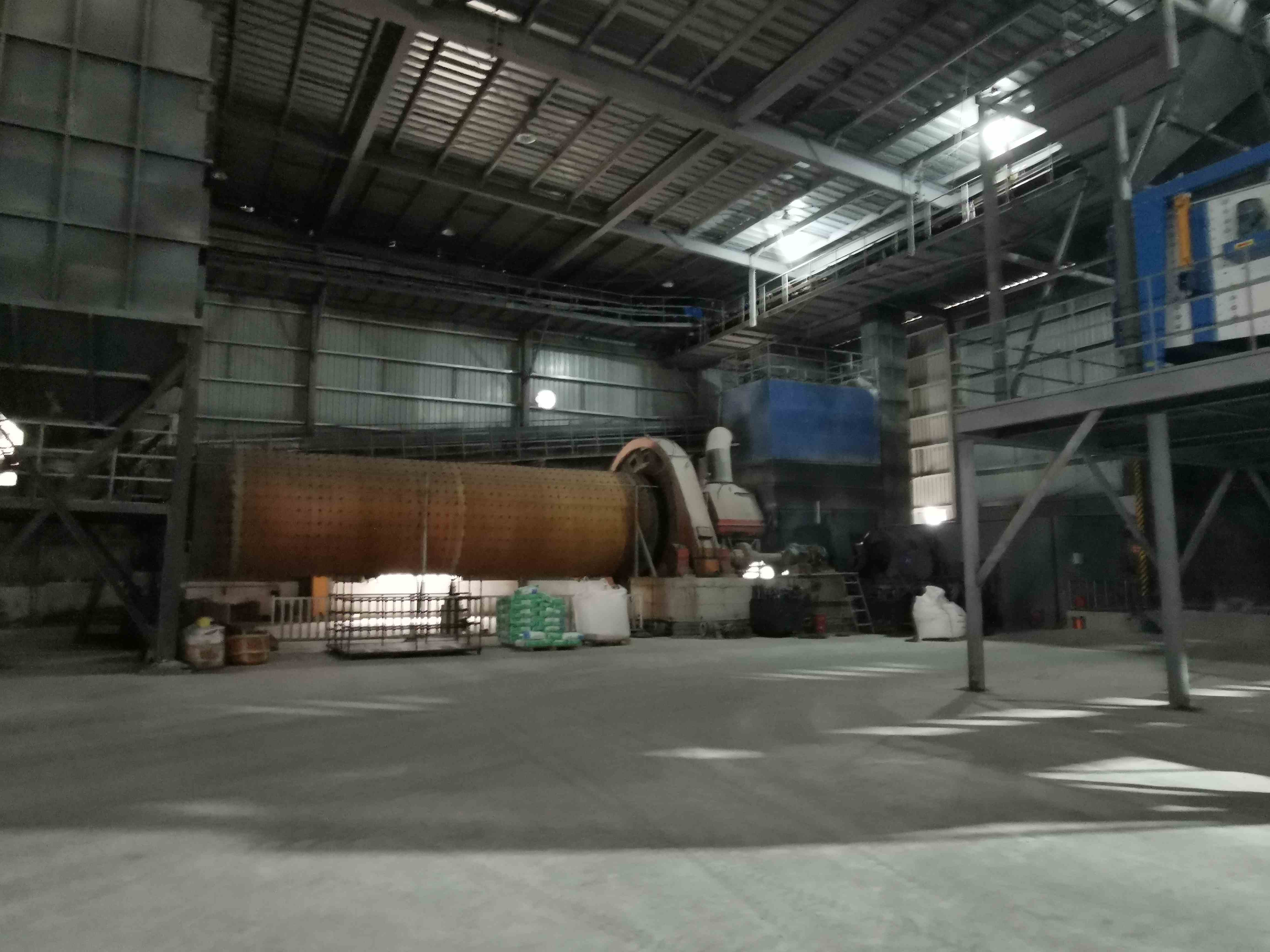
Advancing Toward Sustainable Hydraulic Binders
The technical evolution of the cement industry is now focused on reducing the carbon footprint of binder production. While regular portland cement is energy-intensive to produce, the development of ternary blends—combining OPC with two other materials like slag and limestone—is gaining traction. These systems offer a way to maintain the mechanical performance of the binder while significantly lowering the clinker factor.
Digitalization also plays a role. Real-time sensors in kilns and grinding mills allow for tighter control over particle size distribution and chemical consistency. This ensures that the end-user receives a product that behaves predictably in the field, reducing waste and the need for over-designing concrete mixes.
Frequently Asked Questions
Q1: What is the difference between OPC and PPC?
A1: OPC (Ordinary Portland Cement) consists primarily of clinker and gypsum. PPC (Portland Pozzolana Cement) includes an additional pozzolanic material like fly ash. While OPC has higher early strength, PPC generally offers better long-term durability and resistance to chemical attack.
Q2: Why does regular portland cement release heat during mixing?
A2: This is due to the exothermic chemical reaction of hydration. The formation of chemical bonds between water and the cement minerals releases energy in the form of heat, which must be managed in large-scale construction to avoid thermal stress.
Q3: How long does it take for OPC to reach its full design strength?
A3: Standard tests measure strength at 3, 7, and 28 days. While concrete reaches most of its design strength at 28 days, the hydration of the dicalcium silicate phase continues for months or even years, leading to a gradual increase in strength over time.
Q4: Can OPC be used in contact with high-sulfate soils?
A4: Standard Type I OPC is not recommended for high-sulfate environments as the C3A phase will react with the sulfates to cause expansion. In such cases, a Type V sulfate-resistant cement or an OPC-GGBS blend should be used.
Q5: How does the fineness of cement affect its performance?
A5: Finer cement has a higher specific surface area, which leads to a faster hydration rate. This results in higher early-age strength but can also increase the water demand of the concrete and the total heat generated during setting.
Technical Assistance for Your Infrastructure Projects
Selecting the right binder combination is a pivotal step in ensuring the structural integrity of your construction projects. Our technical experts specialize in high-performance cementitious systems and can provide guidance on optimizing your mix designs for durability and strength. Contact us today to discuss your project specifications or to submit an inquiry regarding our high-purity mineral components and technical support services.