The global construction industry faces mounting pressure to reduce its carbon footprint while maintaining structural integrity and longevity. Traditional Portland cement production accounts for nearly 8% of global CO₂ emissions, prompting specifiers, contractors, and ready-mix producers to seek alternatives. One of the most effective and commercially proven solutions is cement made by blending ground granulated blast furnace slag (GGBS or GGBFS) with ordinary Portland cement (OPC). This approach not only lowers environmental impact but also significantly enhances durability against sulfates, chlorides, and thermal cracking. As a recognized authority in the GGBFS sector, I will provide a deep technical analysis of how this binder system works, where it performs best, and how B2B buyers can secure consistent quality from suppliers like Golden Fortune.
Conventional Portland Cement Manufacturing: Process Limitations and Environmental Load
The conventional cement made by the dry or wet kiln process involves heating limestone and clay to approximately 1450°C, resulting in clinker that is then ground with gypsum. While this method has served the industry for over a century, it carries three inherent disadvantages:
High embodied carbon: Calcination of calcium carbonate and combustion of fossil fuels produce roughly 0.9 tons of CO₂ per ton of clinker.
Susceptibility to aggressive environments: Ordinary Portland cement concrete suffers from sulfate attack, chloride-induced reinforcement corrosion, and alkali-silica reaction (ASR) when not properly formulated.
Heat of hydration issues: Mass concrete pours (dams, large foundations) face thermal gradients that lead to cracking and reduced service life.
These limitations drive the search for supplementary cementitious materials (SCMs) that can partially replace clinker. Among all SCMs—fly ash, silica fume, natural pozzolans—GGBFS stands out due to its latent hydraulic properties and consistent chemistry. Unlike pozzolanic materials that require calcium hydroxide for reaction, GGBS hydrates in the presence of an alkaline activator (the Portland cement itself) and forms additional calcium silicate hydrate (C-S-H), the primary binder phase.
GGBFS/GGBS: Chemistry, Reactivity, and Performance Advantages
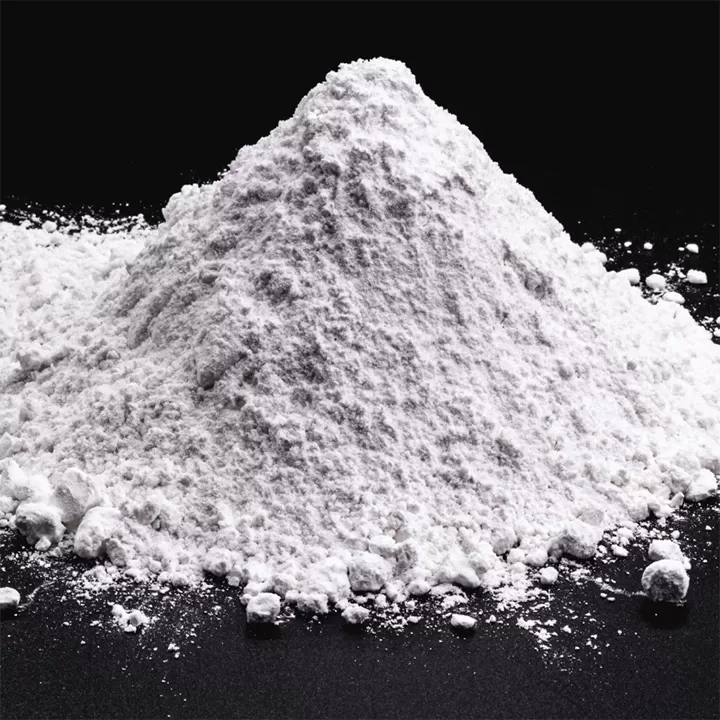
Ground granulated blast furnace slag is produced by rapidly quenching molten slag from iron blast furnaces with water, creating a glassy, granular product. After drying and grinding to a controlled fineness (typically 400–600 m²/kg Blaine), it becomes GGBFS. Key technical characteristics include:
Chemical composition: Main oxides—CaO (30–42%), SiO₂ (32–40%), Al₂O₃ (12–18%), MgO (5–10%). This composition resembles Portland cement clinker but lacks free lime.
Reactivity index: Measured according to ASTM C989 or EN 15167. Grades 80, 100, and 120 indicate the slag activity index at 28 days relative to pure Portland cement. Grade 120 represents high reactivity suitable for demanding applications.
Hydration mechanism: In the presence of water and alkalis from OPC, the glassy structure breaks down, forming C-S-H with a lower calcium-to-silica ratio. This secondary C-S-H fills pores more efficiently than that from pure OPC.
When cement made by substituting 30% to 70% of Portland cement with GGBS, the resulting concrete exhibits measurable performance improvements:
Reduced heat of hydration: Peak temperature can be lowered by 10–20°C compared to OPC, minimizing thermal cracking in massive pours.
Enhanced sulfate resistance: Lower C₃A content and refined pore structure make GGBS-blended concrete highly resistant to external sulfate attack (Class 5S exposure per ACI 318).
Chloride ingress reduction: The denser microstructure reduces chloride diffusion coefficients by 50–80%, significantly extending the service life of marine or deicing salt-exposed structures.
Improved long-term strength: While early strength (3–7 days) may be slightly lower with high replacement ratios, 56-day and 90-day strengths often exceed those of plain OPC mixtures.
Optimizing Cement Made By Varying GGBS Replacement Levels: Practical Guidelines
Selecting the correct GGBS proportion depends on structural requirements, exposure class, and construction schedule. Below are industry-proven blending ranges and their engineering outcomes:
Low Replacement (20–30% GGBS)
Typical applications: general purpose concrete, pavements, foundations in non-aggressive environments.
Early strength comparable to OPC within 1–2 MPa difference.
CO₂ reduction: 15–25% lower than pure OPC.
Moderate Replacement (40–50% GGBS)
Ideal for mass concrete, sewage treatment plants, structures with moderate sulfate or chloride exposure.
Heat of hydration reduction of 15–25%. 28-day strength typically meets 95–105% of reference mix.
Significant improvement in pore refinement; electrical resistivity doubles compared to OPC.
High Replacement (60–70% GGBS)
Recommended for marine structures (tidal zones), chemical containment, and high-sulfate soils (up to 15,000 ppm SO₄).
Ultra-low chloride diffusion coefficient (<2 x 10⁻¹² m²/s).
Early strength development requires careful curing; ambient temperature above 10°C is necessary.
Often combined with set retarders or accelerators depending on logistics.
The final performance of cement made by these blends also depends on the fineness of both the clinker and the slag. Finer grinding increases early reactivity but raises energy costs. Suppliers like Golden Fortune produce ultrafine GGBS (specific surface area >500 m²/kg) that achieves grade 100 or 120 activity, allowing lower clinker factors without sacrificing early strength. This directly supports low-carbon concrete formulations while complying with EN 206 or ASTM C1157 performance-based specifications.
Industry Pain Points and Technical Solutions Using GGBS-Blended Binders
Despite the clear benefits, many producers hesitate to shift from pure OPC to GGBS-based systems. The most common obstacles and their solutions include:
Slow setting and early strength at high replacement levels: Solution—use a higher C₃A cement, increase curing temperature for precast elements, or add a non-chloride accelerator. For cast-in-place projects, moderate replacement (40–50%) often provides the best balance.
Variable slag quality: Not all GGBS suppliers meet strict fineness and reactivity consistency. Solution—source from established processors who perform daily chemical and physical testing. Golden Fortune operates ISO-certified mills with real-time particle size analysis, ensuring each batch conforms to declared activity indices.
Color inconsistency: GGBS-blended concrete may exhibit a lighter or bluish-green tint, which some architects dislike. Solution—use surface treatments or specify a lower replacement (20–30%) for architectural finishes. The color variation does not affect structural performance.
Misunderstanding of durability specifications: Many engineers still rely on prescriptive limits (maximum water-cement ratio) rather than performance-based criteria. Solution—educate design teams that GGBS concrete often meets chloride penetration resistance or rapid chloride permeability (RCP) values below 1000 coulombs, far superior to typical OPC.
Implementing these solutions requires both technical know-how and a reliable supply chain. For B2B buyers evaluating cement made by GGBS integration, partnering with a specialist who provides material certificates, blending recommendations, and troubleshooting support is critical.
Key Application Scenarios for GGBS-Based Cementitious Systems
The following environments consistently demonstrate superior outcomes when using GGBS-blended binders:
Marine and coastal structures: Piers, jetties, breakwaters, and offshore wind foundations. The combination of sulfate resistance and low chloride permeability extends design life from 50 to 100+ years.
Underground construction: Tunnels, subway stations, and deep basements where groundwater may contain aggressive chemicals (sulfates, mild acids). GGBS concrete minimizes leaching and degradation.
Water-retaining structures: Reservoirs, sewage treatment tanks, swimming pools. Reduced permeability lowers water loss and prevents biogenic sulfide corrosion.
Mass concrete foundations: Dam blocks, large machinery bases, wind turbine pedestals. Lower heat of hydration avoids active cooling requirements and reduces cracking risk.
Precast elements with extended service life: Railway sleepers, concrete piles, tunnel segments — where manufacturers can use steam curing to accelerate early strength of high-GGBS mixes.
Each of these applications benefits from the refined pore structure that GGBS provides. In technical terms, the porosity in the 10–50 nm range decreases by nearly 40% compared to OPC concrete, directly correlating with higher electrical resistivity and lower ionic diffusion. For asset owners, this translates to reduced maintenance and repair costs over the structure’s lifetime.
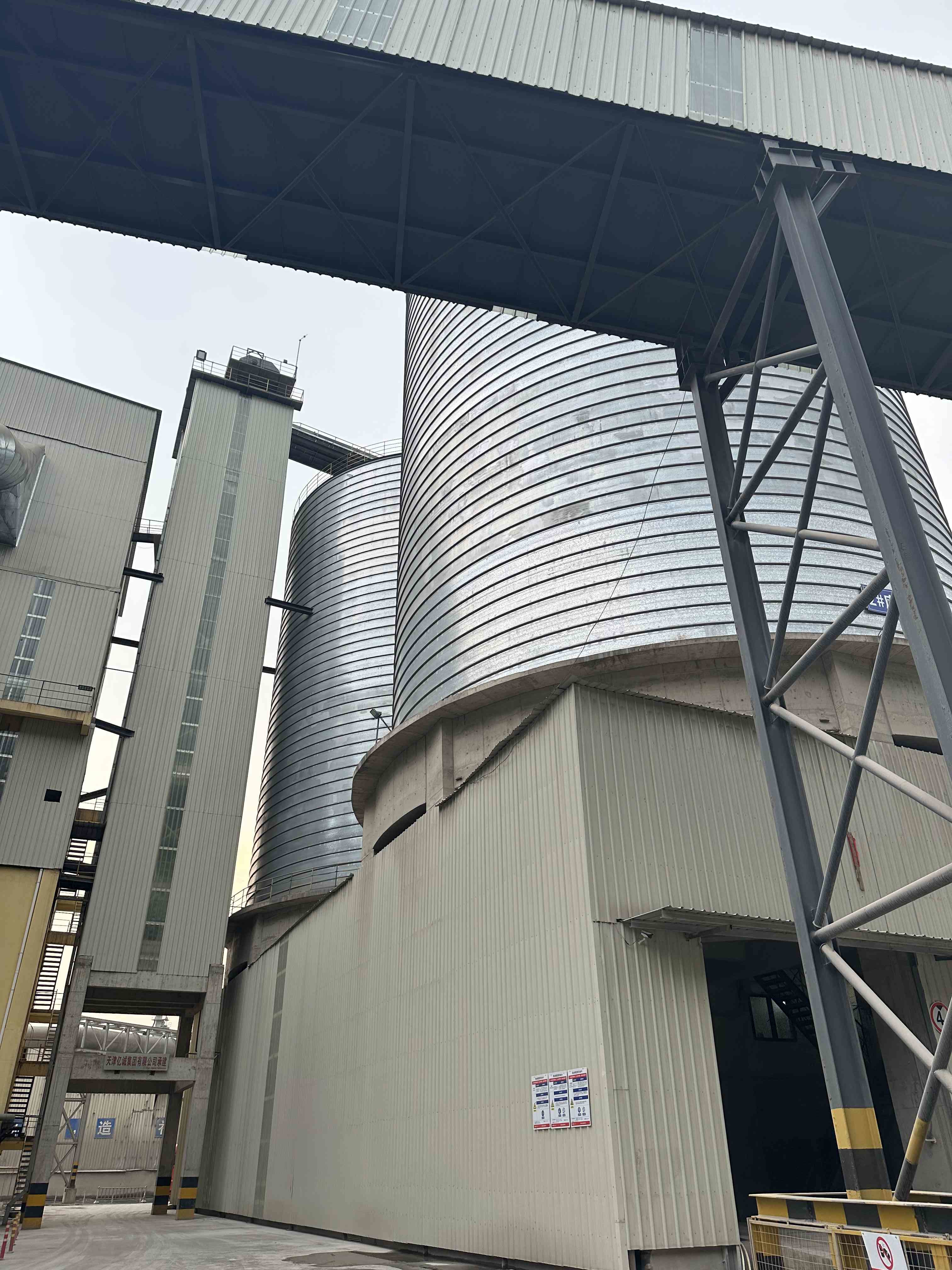
Sourcing Consistent GGBS: Why Supplier Quality Matters
Even the best mixture design fails if the GGBS exhibits batch-to-batch variability in glass content, fineness, or oxide composition. Professional B2B buyers should request and verify the following from any GGBS vendor:
Activity index at 7 and 28 days (ASTM C989 or EN 15167-1).
Blaine fineness (m²/kg) and particle size distribution (d10, d50, d90).
Glass content (should exceed 90% for proper reactivity).
Moisture content (below 1% to prevent clumping and flow issues).
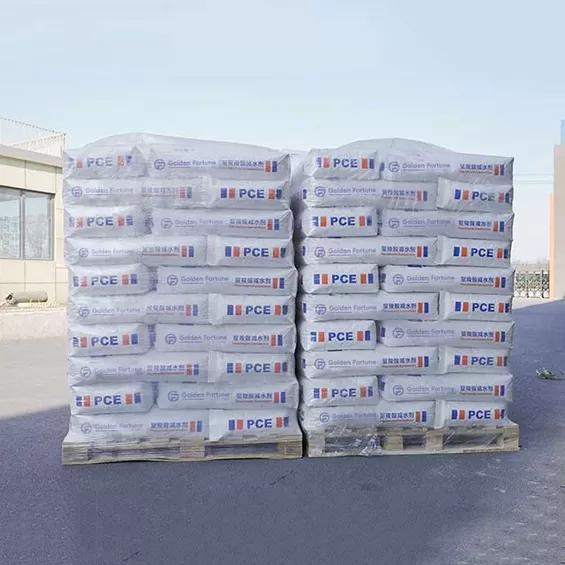
Golden Fortune specializes in ultrafine GGBS that meets these strict parameters. With a dedicated logistics network and in-house technical team, the company provides not only the material but also on-site support for mix optimization. Their product line allows ready-mix producers and precasters to produce cement made by custom blends that align with local carbon reduction mandates (e.g., LEED v4, BREEAM, or concrete industry net-zero pledges).
Furthermore, using a reliable source eliminates two hidden operational risks: rejected loads due to off-spec material and inconsistent setting times that delay construction schedules. For large-scale infrastructure or recurring precast production, these factors directly affect profitability and project reputation.
Frequently Asked Questions (FAQ)
Q1: What is the difference between GGBS and fly ash when used in cement made by blending?
A1: GGBS is a latent hydraulic material, meaning it can harden on its own when activated by alkalis, while fly ash is pozzolanic (requires calcium hydroxide). GGBS generally provides higher early strength, better sulfate resistance, and lower permeability compared to typical Class F fly ash. However, fly ash may be more economical in certain regions. For high-performance marine or sulfate-exposed concrete, GGBS is the preferred choice.
Q2: Can I replace 70% of Portland cement with GGBS for precast elements?
A2: Yes, but you must use steam curing (60–70°C for 8–12 hours) to achieve demolding strength within 24 hours. Without heat treatment, 70% GGBS mixtures may need 3–5 days to reach 15 MPa. For ambient-cured precast, a 40–50% replacement is more practical. Always conduct trial batches with the specific aggregates and curing regime.
Q3: Does GGBS affect the freeze-thaw durability of concrete?
A3: Freeze-thaw resistance depends primarily on proper air entrainment and a low water-cement ratio. GGBS does not reduce freeze-thaw performance when the mix contains the correct air-void system. In fact, the denser paste can improve scaling resistance in deicing salt environments. However, at very high replacement (>65%), a slightly higher air content (5.5–6%) may be needed—validate through ASTM C666 testing.
Q4: How does GGBS reduce the carbon footprint of cement made by its use?
A4: Each ton of GGBS used to replace one ton of Portland clinker eliminates approximately 0.9 tons of CO₂ emissions (from clinker calcination and fuel combustion). Additionally, GGBS is a recovered industrial byproduct (from iron manufacturing), so its own production involves minimal additional CO₂ (grinding only). A concrete mix with 50% GGBS reduces the binder carbon footprint by roughly 40–45% compared to pure OPC.
Q5: Is there any risk of efflorescence or discoloration when using GGBS?
A5: Efflorescence is caused by soluble calcium hydroxide migrating to the surface and reacting with atmospheric CO₂. GGBS consumes calcium hydroxide through the pozzolanic reaction, thereby reducing efflorescence compared to OPC. Discoloration (light bluish-green hue) can occur in fresh concrete but typically fades to a normal gray after a few weeks of weathering. For architectural surfaces where color uniformity is mandatory, limit GGBS to 30% or use a surface sealant.
Ready to Optimize Your Binder System with GGBS?
Transitioning to a high-performance, low-carbon cement made by incorporating GGBS requires technical partnership and a consistent material supply. Whether you are a ready-mix producer targeting sustainability certifications, a precaster aiming for superior durability, or an infrastructure developer mandated to reduce embodied carbon, the right GGBS formulation makes the difference. Golden Fortune offers ultrafine GGBS with full technical documentation, sample testing, and formulation support.
Take the next step: Submit your inquiry below to receive product data sheets, a customized blend recommendation for your local aggregates, or a quotation for bulk GGBS shipments. Our team responds within 24 hours with a detailed proposal tailored to your project requirements.
→ Send your inquiry now via the contact form on our website or directly email our B2B desk. Include your required monthly volume, target activity grade (100/120), and delivery location for a prompt, precise response.