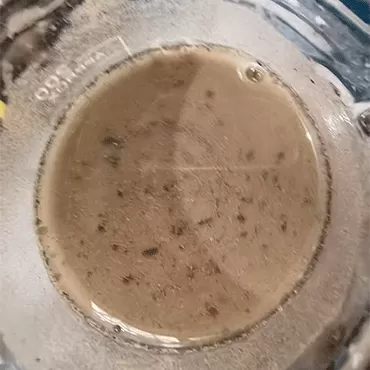
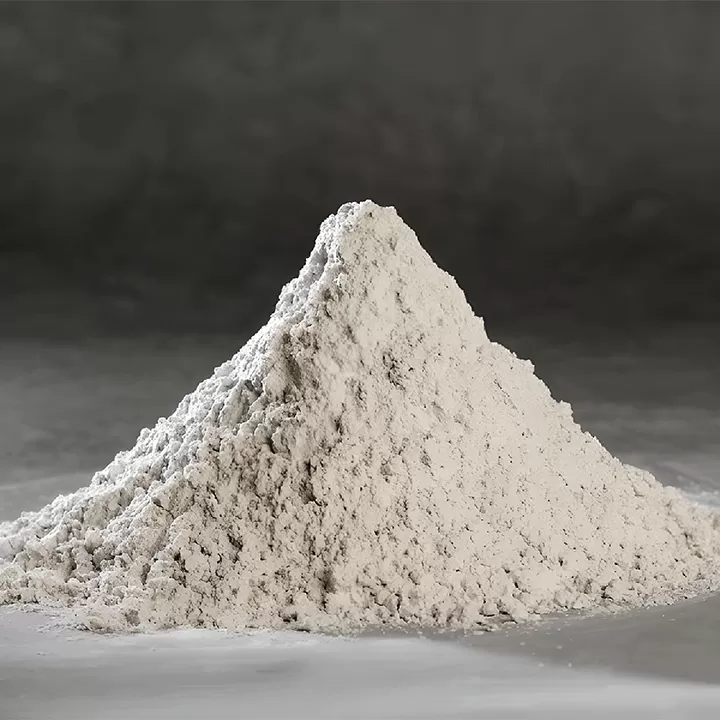
The terms "cement" and "Portland cement" are often used interchangeably in construction, but they represent distinct concepts. Cement is a broad category of finely ground inorganic materials that set and harden when mixed with water. Portland cement is a specific type – the most common – but not the only one. Understanding the difference between cement and portland cement is crucial for concrete specifiers, ready‑mix producers, and engineers seeking optimized performance, sustainability, or cost savings. This article examines the chemical composition, manufacturing processes, hydration behavior, and applications of various cements compared to Portland cement. We also discuss supplementary cementitious materials (SCMs) like GGBFS, which are often blended with Portland cement to modify properties. As a supplier of high‑quality ground granulated blast furnace slag, Golden Fortune helps concrete producers navigate these material choices.
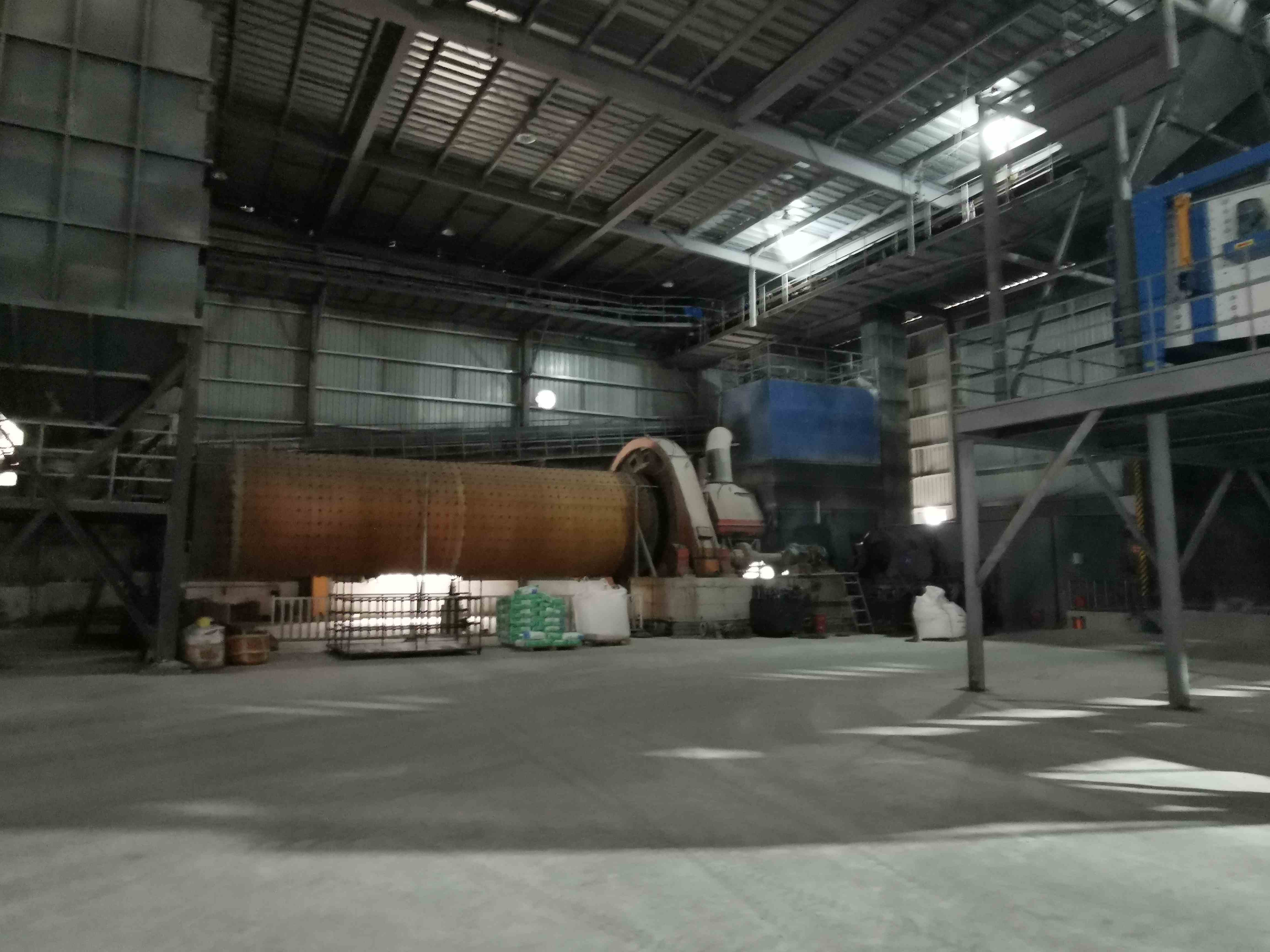
1. Defining Cement: A Family of Hydraulic Binders
Cement, in its broadest sense, is any substance that binds other materials together. In construction, "cement" refers to hydraulic cements – powders that react with water to form a solid, water‑resistant mass. The most important hydraulic cements include:
Portland cement (ASTM C150, EN 197-1 CEM I)
Blended cements (Portland cement + SCMs like slag, fly ash, or silica fume)
Pozzolanic cements (lime + natural pozzolan)
Aluminous cements (high‑alumina, for refractory applications)
Supersulfated cements (granulated slag + calcium sulfate)
Magnesium phosphate cements (rapid repair)
Thus, the difference between cement and portland cement is that Portland cement is a specific formulation (about 95% clinker + gypsum), whereas "cement" includes all hydraulic binders.
2. Portland Cement: Composition and Manufacture
Portland cement was patented by Joseph Aspdin in 1824. It is produced by heating a precisely blended mixture of limestone (CaCO₃), clay or shale (SiO₂, Al₂O₃, Fe₂O₃), and sometimes iron ore in a rotary kiln to 1,450°C. The resulting clinker consists of four main phases:
Alite (C₃S): 50–70% – provides early strength.
Belite (C₂S): 15–30% – contributes later strength.
Aluminate (C₃A): 5–10% – responsible for flash set and sulfate resistance.
Ferrite (C₄AF): 5–15% – affects color and slow hydration.
After cooling, clinker is ground with about 5% gypsum (calcium sulfate) to control setting time. The final product – ordinary Portland cement (OPC) – has a specific surface area of 300–400 m²/kg (Blaine). Five main types (ASTM C150) exist: Type I (general), II (moderate sulfate resistance), III (high early strength), IV (low heat), V (high sulfate resistance).
Portland cement is the most widely used hydraulic cement globally, but it has a high carbon footprint (approximately 0.9 kg CO₂ per kg of cement). This has driven interest in alternative cements and SCMs.
3. Non‑Portland Cements: When and Why to Use Them
Several cements are not classified as Portland cement. Their properties differ significantly.
3.1 Calcium Aluminate Cement (CAC)
Made from limestone and bauxite, fired at 1,600°C. Main phase is CA (CaO·Al₂O₃). CAC gains strength very rapidly (1 hour compressive strength > 20 MPa) and resists high temperatures, sulfates, and abrasion. Used in refractory concretes, sewer linings, and rapid repairs. However, it can undergo conversion (loss of strength) in warm, humid conditions. Unlike Portland cement, CAC does not produce calcium hydroxide during hydration.
3.2 Supersulfated Cement
Composed of 80–85% granulated blast furnace slag, 10–15% calcium sulfate (anhydrite or gypsum), and a small amount of Portland cement (≤5%) as an activator. It has very low heat of hydration and excellent resistance to seawater and sulfates. Used in marine structures and mass concrete. The difference between cement and portland cement here is that supersulfated cement contains no alite or belite; its strength comes from ettringite formation.
3.3 Magnesium Phosphate Cement (MPC)
Reaction between magnesium oxide and a phosphate salt (e.g., mono‑potassium phosphate). Sets in 5–30 minutes, bonds to old concrete, and performs well at low temperatures. Used for airport runway repairs and bridge deck patching. Not a Portland‑based binder.
3.4 Geopolymer Cement
Activates aluminosilicate materials (fly ash, metakaolin, slag) with alkali silicates or hydroxides. Hardens through polycondensation to form a three‑dimensional network. Geopolymers can achieve high early strength and very low CO₂ emissions. However, they are not yet standardized in most building codes.
4. Blended Cements: Where Portland Cement Meets SCMs
Blended cements contain Portland cement clinker plus supplementary cementitious materials (SCMs). They are still "cements" but not pure Portland cement. Common blends (ASTM C595, C1157):
Portland‑slag cement (IS): 25–70% granulated blast furnace slag (GGBFS). Slag reduces heat, improves sulfate resistance, and lightens color.
Portland‑pozzolan cement (IP): 15–40% fly ash, natural pozzolan, or silica fume.
Ternary blends: Portland + slag + fly ash.
For concrete producers, understanding the difference between cement and portland cement helps when substituting SCMs. For example, replacing 30% of Portland cement with GGBFS from Golden Fortune reduces embodied carbon by 25–30% while improving workability and long‑term strength. However, the hydration chemistry changes: the slag reacts with calcium hydroxide (a by‑product of Portland hydration) to form additional calcium silicate hydrate (C‑S‑H). This is not a pure Portland cement system.
5. Key Technical Differences: Hydration, Strength, and Durability
The table below summarizes the primary distinctions between pure Portland cement and other cements/blended systems.
Hydration products: Portland cement produces C‑S‑H (70%), calcium hydroxide (20–25%), and ettringite. Non‑Portland cements may produce different gels (e.g., C‑A‑S‑H in slag blends, or phosphate gels in MPC).
Alkalinity: Portland cement pore solution has pH 12.5–13.5. Blended cements with high SCM content have slightly lower pH (12–12.5), which affects reinforcement passivation.
Heat of hydration: Pure Portland cement (Type I) releases 350–450 J/g over 7 days. Blended cements release less heat – useful for mass concrete.
Sulfate resistance: Portland cement Type V (low C₃A) is sulfate resistant, but blended cements with slag or fly ash often perform better.
Color: Portland cement is gray to off‑white (depending on iron content). Slag‑blended cements are lighter; calcium aluminate cements are tan to dark gray.
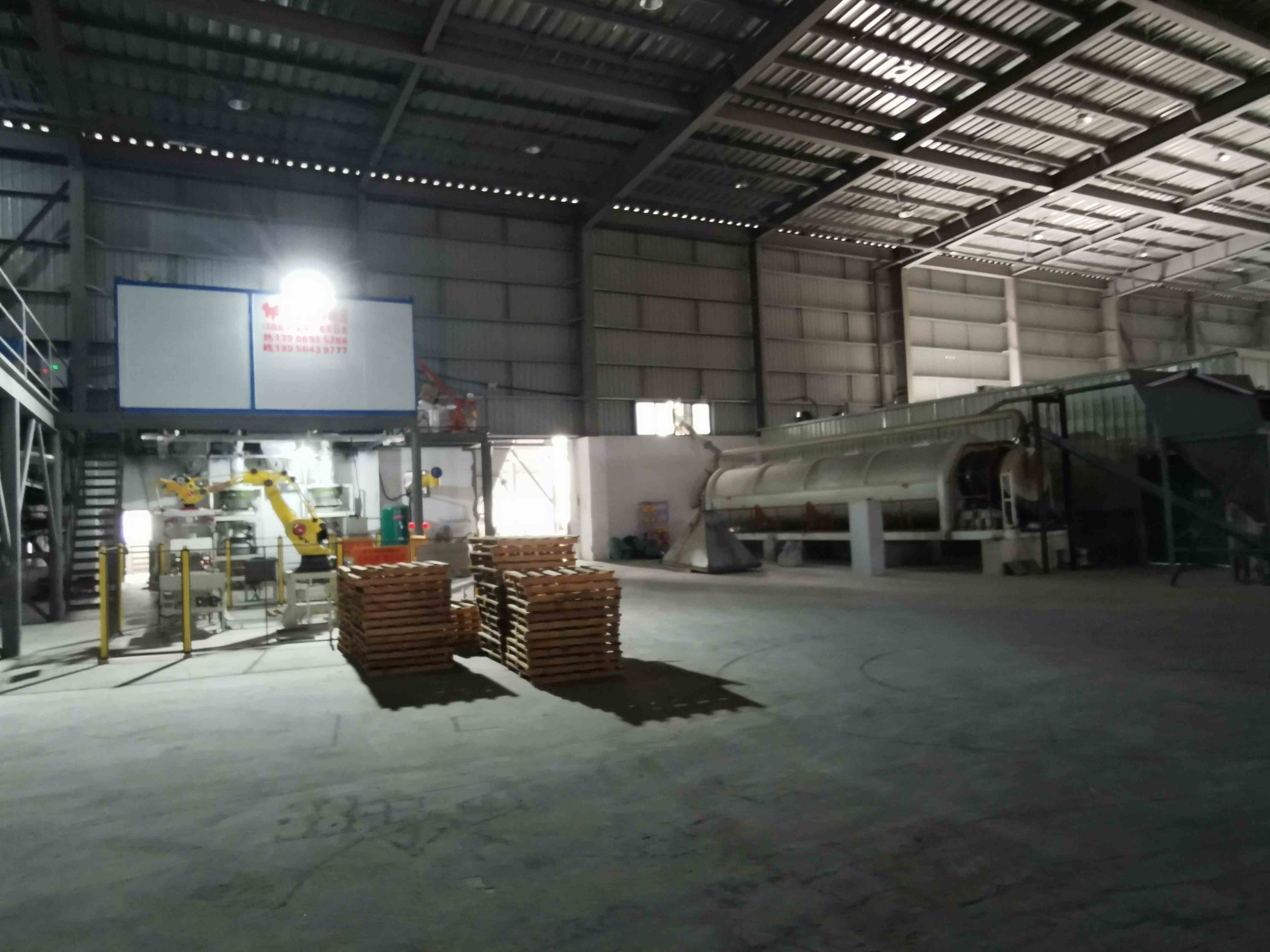
6. Why the Distinction Matters for Concrete Producers
When specifying a concrete mix, the choice between pure Portland cement, a blended cement, or an alternative binder affects:
Cost: SCMs like GGBFS and fly ash are often cheaper than Portland clinker. However, special cements (CAC, MPC) are more expensive.
Setting time and early strength: Pure Portland (Type III) gives high early strength; blends may set slower.
Durability in aggressive environments: Seawater, sulfate‑rich soils, or acidic conditions may require non‑Portland or blended cements.
Carbon footprint: For green building certifications (LEED, BREEAM), replacing Portland cement with SCMs or using alternative cements reduces CO₂.
Workability and finishability: Blended cements often have different water demand and cohesiveness.
For ready‑mix producers, misunderstanding the difference between cement and portland cement can lead to specification errors – e.g., ordering "cement" but receiving pure Portland when a blended cement was required for sulfate resistance.
7. The Role of GGBFS as a Portland Cement Replacement
Ground granulated blast furnace slag (GGBFS) is a latent hydraulic material – it requires activation by calcium hydroxide or alkalis. When used to replace a portion of Portland cement (typically 30–50%), the resulting binder is not pure Portland cement; it is a blended cement. Benefits:
Reduced heat of hydration: Prevents thermal cracking in thick sections.
Improved resistance to chloride ingress and sulfate attack.
Higher ultimate strength (28 days and beyond).
Lower CO₂ footprint (up to 45% reduction).
Lighter color (off‑white) – useful for architectural concrete.
Golden Fortune supplies ultrafine GGBFS (specific surface >600 m²/kg) that accelerates hydration compared to standard slag, allowing higher replacement levels without compromising early strength. For a concrete mix using 40% GGBFS + 60% Portland cement, the binder is no longer pure Portland cement – yet it still performs as a hydraulic cement. This exemplifies the difference between cement and portland cement in practice.
8. Common Misconceptions
"All cement is Portland cement." False – many hydraulic cements exist.
"Blended cements are weaker." False – proper blends often exceed pure Portland strength at 28 days.
"Portland cement is the only binder approved by codes." Many codes allow blended and alternative cements with proven performance.
"Adding SCMs makes it not cement." It makes it a blended cement – still a cement.
Frequently Asked Questions (FAQ) About the Difference Between Cement and Portland Cement
Q1: Is Portland cement the same as ordinary cement?
A1:
In common language, "ordinary cement" usually means ordinary Portland cement
(OPC). But technically, Portland cement is one type of hydraulic cement. The
difference between cement and portland cement is that "cement"
includes Portland, blended, and special cements.
Q2: Can I use GGBFS alone as a cement without Portland
cement?
A2: GGBFS alone has very low reactivity. It requires an
activator (calcium hydroxide or alkali). Without Portland cement or another
activator, it will not set properly. However, supersulfated cement uses GGBFS +
calcium sulfate + a small amount of Portland clinker. So GGBFS alone is not a
cement, but it is a key component of blended cements. Golden Fortune provides GGBFS for blending with
Portland cement.
Q3: Which cement is best for high‑temperature
applications?
A3: Portland cement degrades above 300°C due to
dehydration of C‑S‑H. Calcium aluminate cement (CAC) resists up to 1,200°C and
is used in refractory linings. Thus, the choice depends on temperature; this is
another example of the difference between cement and portland
cement.
Q4: How do I know if a bag labeled "cement" is Portland or
blended?
A4: Check the standard mark: ASTM C150 indicates Portland
cement. ASTM C595 or C1157 indicates blended or performance cement. Also, the
chemical composition and type designation (e.g., Type IP for Portland‑pozzolan)
clarify the binder.
Q5: Does white cement count as Portland cement?
A5: Yes.
White Portland cement is manufactured from raw materials low in iron and
manganese, but its phase composition (C₃S, C₂S, etc.) is similar to gray
Portland cement. So it is a subtype of Portland cement, not a different
category.
Q6: Which has a lower carbon footprint – Portland cement or blended
cement?
A6: Blended cement (Portland + SCMs) has a significantly
lower carbon footprint per tonne because the SCMs are by‑products (e.g., slag,
fly ash) that require no calcination. Using GGBFS from Golden Fortune can reduce CO₂ by up to 50% compared
to pure Portland cement while maintaining performance. This is a key
sustainability driver.
Ready to Optimize Your Concrete Binder System?
Understanding the difference between cement and portland cement allows concrete specifiers to select the most economical, durable, and sustainable binder for each application. Whether you need pure Portland for high early strength, blended cement for mass concrete, or a non‑Portland binder for chemical resistance, Golden Fortune provides high‑quality ultrafine GGBFS and technical support to formulate blended cements that meet ASTM C595 or EN 15167 standards. Our team assists with mix design adjustments, trial batches, and performance testing.
Send your inquiry today – include your target concrete application (e.g., precast, foundations, marine), desired cement type, and any sustainability goals. We will respond within 48 hours with a product datasheet, recommended replacement rates, and a free consultation on binder selection.
Request a consultation from Golden Fortune about cement selection and GGBFS blends – references available from ready‑mix plants and precast manufacturers.