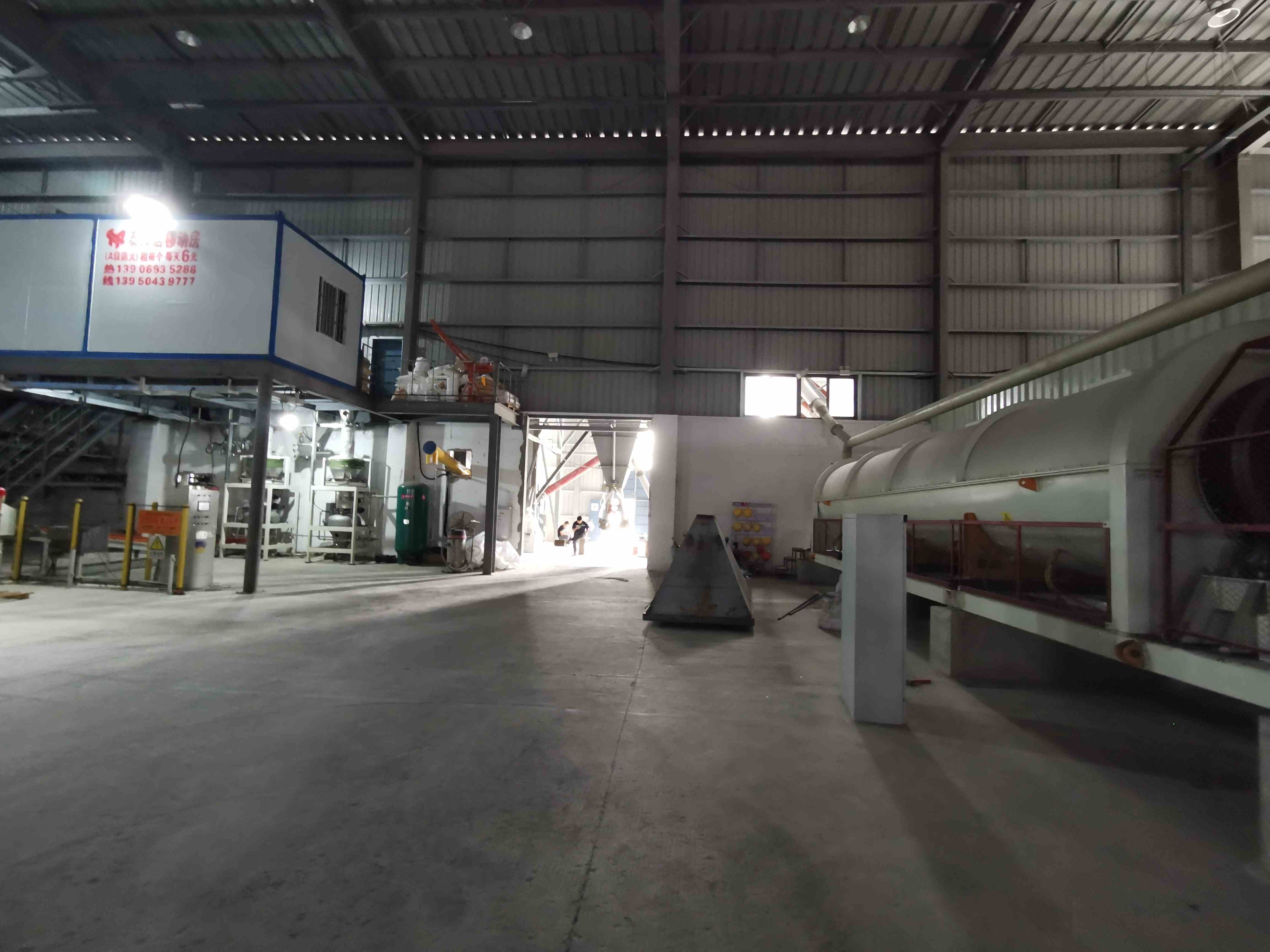
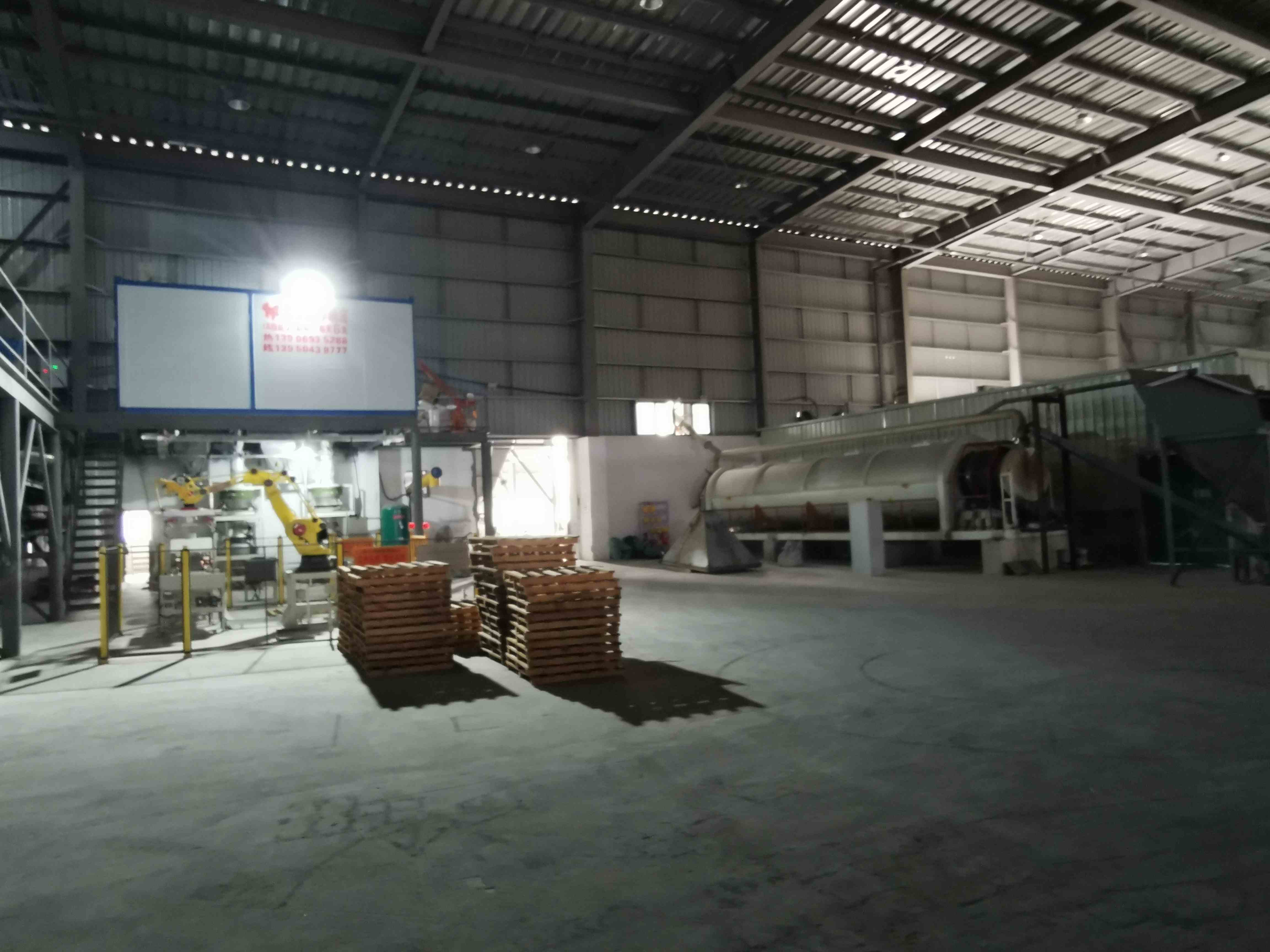
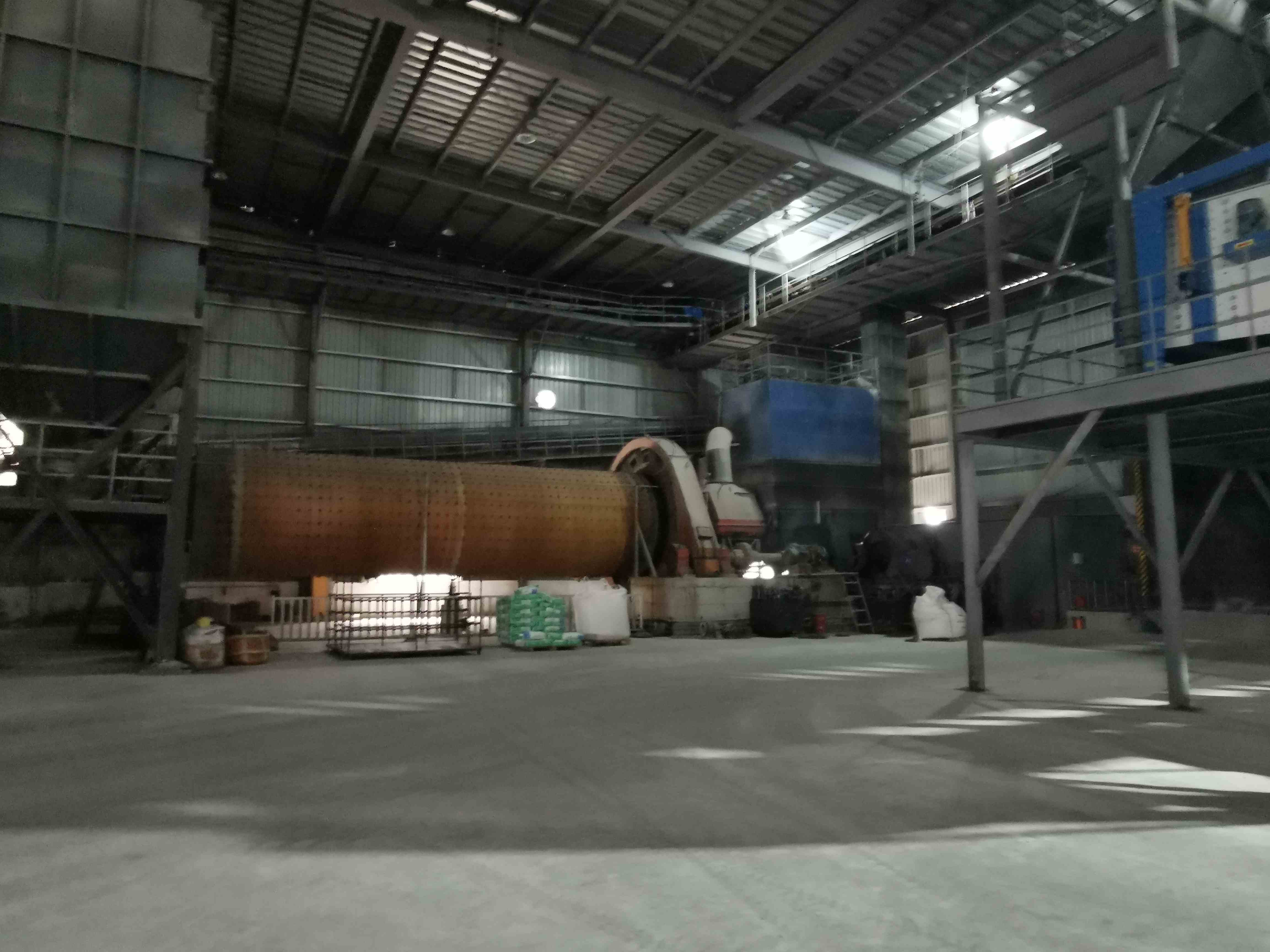
The construction industry's shift toward sustainability has placed cement fly ash at the forefront of material innovation. As a well-established supplementary cementitious material (SCM), fly ash—when processed and dosed correctly—enhances concrete durability, reduces permeability, and lowers the carbon footprint of structures. This article provides a rigorous technical examination of fly ash, from its power plant origins to its application in high-performance concrete, and addresses the practical challenges engineers face when specifying cement fly ash in critical infrastructure.
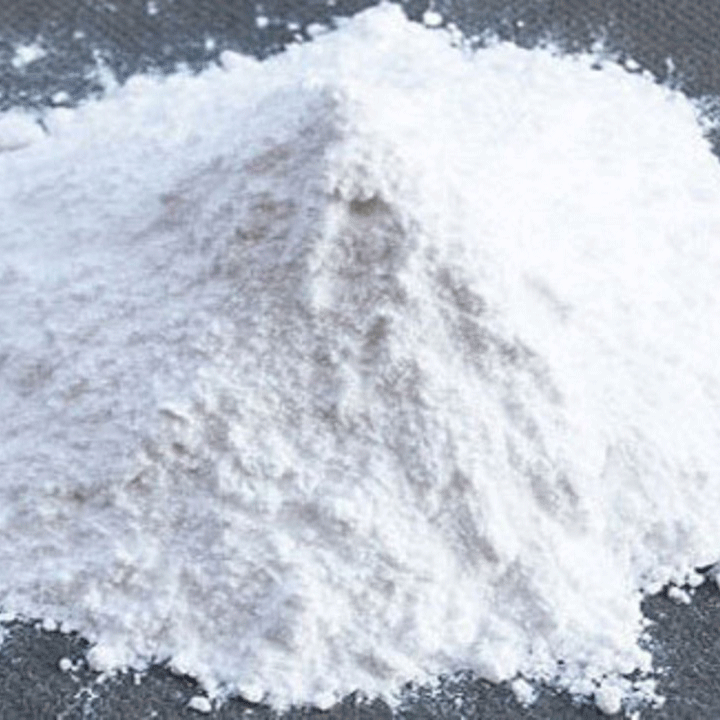
Understanding cement fly ash: Origins and Classification
How Fly Ash Is Produced
Fly ash is a fine residue captured from the flue gases of coal-fired power plants via electrostatic precipitators or baghouses. As pulverised coal combusts, mineral impurities (clay, shale, quartz) fuse into tiny, glassy spheres that solidify and are carried upward. This material, if collected and processed correctly, exhibits pozzolanic properties—it reacts with calcium hydroxide from cement hydration to form additional calcium silicate hydrates (C-S-H). The shape (spherical) and particle size distribution (typically 1–100 µm) directly influence the workability and packing density of concrete mixtures.
Class F vs. Class C Fly Ash: Chemical and Performance Differences
ASTM C618 categorises fly ash into two primary classes based on chemical composition:
Class F fly ash (SiO₂ + Al₂O₃ + Fe₂O₃ ≥ 70%) is produced from burning anthracite or bituminous coal. It is pozzolanic but has little or no self-cementing value. It requires an activator (typically Portland cement or lime) to react.
Class C fly ash (SiO₂ + Al₂O₃ + Fe₂O₃ ≥ 50%) is derived from lignite or sub‑bituminous coal. It contains higher calcium oxide (CaO > 10%) and exhibits both pozzolanic and hydraulic properties—it can set and harden without cement.
The choice between Class F and Class C directly affects concrete properties: Class F generally provides better resistance to sulfate attack and alkali‑silica reaction (ASR), while Class C may offer higher early strength but requires careful control due to its variable composition. For most infrastructure projects, cement fly ash with consistent loss on ignition (LOI < 3%) and fineness (45 µm sieve residue < 20%) is preferred.
Technical Benefits of Incorporating Fly Ash in Cementitious Systems
Improved Workability and Pumpability
The spherical morphology of fly ash particles (often called the “ball‑bearing effect”) reduces interparticle friction, allowing concrete to flow more easily with less mixing water. At a replacement level of 20–30%, water demand can drop by 5–10%, leading to lower water‑to‑cement ratios without sacrificing slump. This characteristic is especially valuable in pumped concrete for high‑rise buildings and tunnel linings.
Enhanced Long‑Term Strength and Durability
Although early‑age strength may be slightly lower, the pozzolanic reaction of cement fly ash continues beyond 28 days, often yielding higher ultimate strength at 90 days and beyond. The dense C‑S‑H matrix formed through this reaction significantly reduces permeability. Data from marine exposure sites show that concrete with 30% fly ash can exhibit chloride diffusion coefficients 50–70% lower than plain Portland cement mixes, effectively doubling the service life of reinforced concrete in splash zones.
Mitigation of Alkali‑Silica Reaction (ASR) and Sulfate Attack
Fly ash reduces the available alkalis in pore solution and consumes calcium hydroxide, both of which suppress ASR expansion. For sulfate exposure, Class F fly ash (low in calcium) is particularly effective: it dilutes tricalcium aluminate (C₃A) and refines pore structure, preventing the formation of expansive ettringite. Many transportation agencies now mandate fly ash in concrete exposed to de‑icing salts or sulfate‑bearing soils.
Challenges in the cement fly ash Supply Chain and Quality Control
Variability in Ash Characteristics
One of the greatest obstacles to widespread fly ash utilisation is the inherent variability of the material. Coal sources, boiler operation, and collection methods can change daily. Key parameters that fluctuate include:
Loss on ignition (unburned carbon), which affects air‑entrainment and water demand.
Fineness, which directly influences reactivity and strength contribution.
Ammonia content (from selective catalytic reduction systems), which can cause odour and handling issues.
Impact of Power Plant Operations on Fly Ash Quality
As utilities shift toward load‑following and intermittent operation (due to renewable integration), combustion conditions become less stable. Frequent start‑ups and low‑load operation increase unburned carbon and coarser particles, rendering ash unsuitable for high‑performance concrete without beneficiation. Moreover, the global decline of coal power threatens long‑term availability of virgin fly ash, prompting the industry to explore reclaimed ash from legacy stockpiles.
Solutions for Consistent Performance: Blending and Testing
To mitigate quality risks, concrete producers and suppliers like Golden Fortune implement rigorous quality assurance protocols. These include:
Statistical process control with daily sampling and testing of fineness, LOI, and pozzolanic activity index.
Homogenisation through silo blending or co‑grinding with cement.
Use of air classification to remove coarse fractions and reduce carbon content.
Golden Fortune also offers technical support to adjust mix designs in real time based on ash variability, ensuring that every cubic metre of concrete meets specified performance criteria.
Application‑Specific Use of Cement Fly Ash
High‑Performance Concrete for Skyscrapers and Bridges
In tall buildings, the reduced heat of hydration from fly ash minimises thermal cracking in thick sections, while enhanced later‑age strength supports high load‑bearing capacities. For bridges, the low permeability and chloride resistance of fly ash concrete are essential for 100‑year design lives. Notable examples include the Burj Khalifa foundations and the Øresund Bridge link, where cement fly ash was used to achieve exceptional durability.
Mass Concrete for Dams and Foundations
Mass concrete placements require strict temperature control. Replacing 35–50% of cement with fly ash can reduce peak temperature rise by 15–25°C, significantly lowering the risk of thermal cracking. The Hoover Dam renovation and numerous hydroelectric projects in Asia rely on high‑volume fly ash mixes to maintain long‑term integrity.
Sustainable Benefits: Lower Carbon Footprint and LEED Credits
For every tonne of fly ash used to replace Portland cement, approximately 0.9 tonnes of CO₂ emissions are avoided. This reduction directly contributes to LEED v4.1 credits in the “Materials and Resources” category. Golden Fortune provides environmental product declarations (EPDs) for its processed fly ash, enabling project teams to document embodied carbon reductions and earn recognition in green building certification schemes.
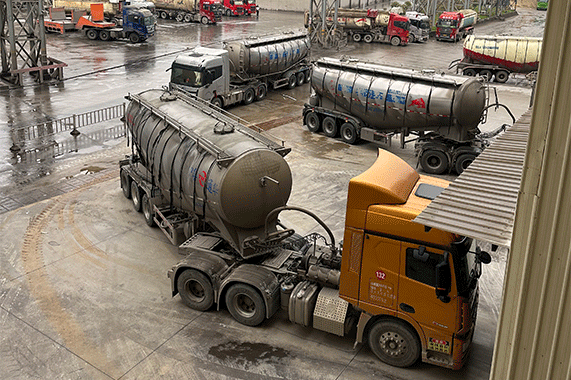
Future Trends: Maximising Fly Ash Utilisation in Cement
With coal plant retirements accelerating, the concrete industry must innovate to maintain access to high‑quality fly ash. Technologies such as electrostatic separation of stored pond ash, chemical activation of low‑reactivity ashes, and blending with other SCMs (e.g., slag, natural pozzolans) are gaining traction. Researchers are also developing “fly ash‑based geopolymers” that eliminate Portland cement entirely, though standardisation and long‑term performance data are still evolving. In the interim, responsible sourcing and beneficiation—practices championed by Golden Fortune—will ensure that cement fly ash remains a cornerstone of durable, low‑carbon concrete.
The technical and environmental case for cement fly ash is compelling. When properly sourced and dosed, it delivers tangible improvements in workability, strength, and durability while slashing the carbon footprint of construction. However, harnessing these benefits requires a deep understanding of ash chemistry, rigorous quality control, and adaptive mix design. By partnering with experienced suppliers like Golden Fortune, engineers can confidently specify fly ash concrete for the most demanding projects—from marine terminals to urban high‑rises—and contribute to a more sustainable built environment.
Frequently Asked Questions (FAQ)
Q1: What is the difference between Class F and Class C cement fly ash?
A1: Class F fly ash (SiO₂+Al₂O₃+Fe₂O₃ ≥ 70%) is pozzolanic but not self‑cementing; it requires Portland cement or lime to react. Class C fly ash (≥50% sum of same oxides) contains higher calcium and exhibits both pozzolanic and hydraulic properties—it can harden without cement. Class F is generally preferred for sulfate resistance and ASR control, while Class C may offer higher early strength but is more chemically variable.
Q2: Can fly ash replace Portland cement completely?
A2: Complete replacement is possible only in alkali‑activated systems (geopolymers) using strong alkaline activators. In conventional concrete, fly ash typically replaces 15–40% of cement by mass. Higher replacement levels (50–60%) can be achieved with special mix designs, adequate curing, and sometimes by combining fly ash with other SCMs like slag or silica fume.
Q3: How does fly ash affect concrete setting time?
A3: Fly ash generally delays initial and final setting times, especially at high replacement levels and low temperatures. The pozzolanic reaction is slower than cement hydration. However, this retardation can be offset by using accelerators, reducing water content, or blending with high‑early‑strength cements. In hot weather, the slower set may actually improve workability retention.
Q4: What are the storage requirements for fly ash?
A4: Fly ash should be stored in dry, weather‑tight silos similar to cement. Because it is finer and more aeratable, silos must be equipped with adequate aeration pads and flow aids to prevent bridging. Moisture can cause hydration and lump formation, so condensation control (e.g., breather bags) is essential. Golden Fortune provides detailed silo management guidelines for its customers.
Q5: Is fly ash safe for use in concrete?
A5: Yes. Fly ash used in concrete is subject to strict environmental and occupational safety regulations (e.g., EPA, OSHA). The material is encapsulated in the cement matrix, and leaching tests confirm that trace elements are immobilised. Proper dust control during handling is required, but concrete containing fly ash poses no greater risk than conventional concrete.
Q6: How does cement fly ash contribute to LEED certification?
A6: Fly ash contributes to LEED points in several areas: “Building Life‑Cycle Impact Reduction” (by reducing cement use), “Material Ingredients” (through transparency and optimisation), and “Construction and Demolition Waste Management” (if using reclaimed ash). Its use lowers the global warming potential of concrete, helping projects achieve certification under LEED v4.1’s MR credit.