In the evolving landscape of construction materials, the combination of cement and fly ash has moved from a niche experimental mix to a mainstream specification for durable and sustainable infrastructure. For specifiers and procurement specialists, understanding this synergy is no longer optional—it is critical for balancing structural integrity with environmental stewardship. This article dissects the technical mechanics, application-specific advantages, and logistical realities of utilizing fly ash as a supplementary cementitious material (SCM).
1. The Chemical & Physical Mechanics: Beyond Simple Substitution
To leverage cement and fly ash effectively, one must first understand that the reaction is not merely a dilution of Portland cement. It is a distinct chemical process that enhances the microstructure of concrete.
1.1 The Pozzolanic Reaction
While Portland cement relies on hydration (reaction with water) to form calcium silicate hydrate (C-S-H)—the "glue" that provides strength—fly ash consumes a byproduct of that hydration. When water is added to cement, it produces C-S-H and calcium hydroxide (lime). Lime is water-soluble and offers little to the concrete's strength or durability. The silica in fly ash reacts with this calcium hydroxide to form additional C-S-H. This pozzolanic reaction densifies the matrix, directly contributing to long-term strength gains and reduced permeability.
1.2 Morphological Effects
Fly ash consists of fine, spherical glass-like particles. In fresh concrete, these spheres act as miniature ball bearings. This "ball bearing" effect improves the workability of the mix significantly, often allowing for a reduction in mixing water of up to 10% without the use of chemical plasticizers. This water reduction further lowers the water-to-cement ratio, a fundamental driver of compressive strength.
2. Engineering Benefits: Addressing Industry Pain Points
The construction industry faces persistent challenges: alkali-silica reaction (ASR), sulfate attack, and thermal cracking in mass pours. The strategic use of cement and fly ash directly mitigates these risks.
2.1 Mitigating Thermal Cracking in Mass Concrete
Hydration is an exothermic process. In massive pours (dams, foundations, thick slabs), the heat generated by Portland cement can cause differential cooling and subsequent cracking. Fly ash hydrates slower, generating heat at a reduced rate. Replacing 30% to 50% of Portland cement with fly ash significantly lowers the peak temperature, a critical factor in preventing thermal stress.
2.2 Enhancing Durability in Aggressive Environments
Sulfate Resistance: By consuming calcium hydroxide, fly ash reduces the formation of expansive gypsum and ettringite when concrete is exposed to sulfate-rich soils or seawater. This extends the service life of marine structures and foundations.
ASR Inhibition: The densified pore structure limits the mobility of alkalis, helping to suppress the deleterious expansion caused by alkali-silica reaction with certain reactive aggregates.
3. Environmental Imperative: The Carbon Calculus
The global push toward decarbonization has put the cement industry—responsible for roughly 8% of global CO2 emissions—under intense scrutiny. Fly ash, a byproduct of coal-fired power plants, offers a high-volume solution. However, the quality and supply chain are evolving.
3.1 Embodied Carbon Reduction
For every ton of Portland cement replaced by fly ash, approximately one ton of CO2 emissions is avoided. In high-volume applications (40-50% replacement), the carbon footprint of the concrete can be reduced by nearly 40%. This is critical for projects pursuing LEED, BREEAM, or other green building certifications.
3.2 Supply Chain Volatility and Solutions
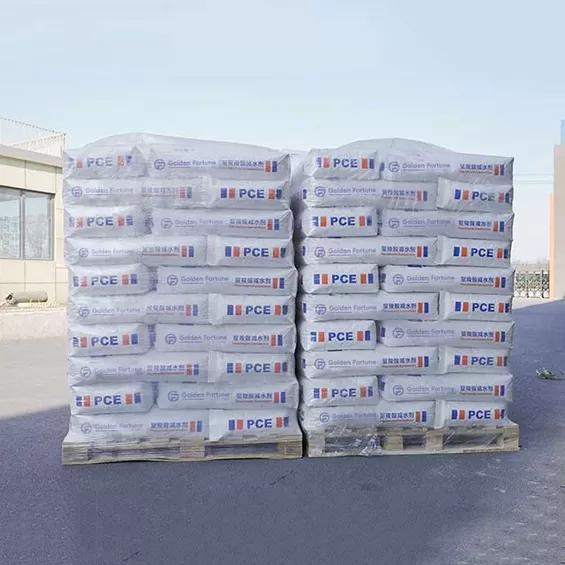
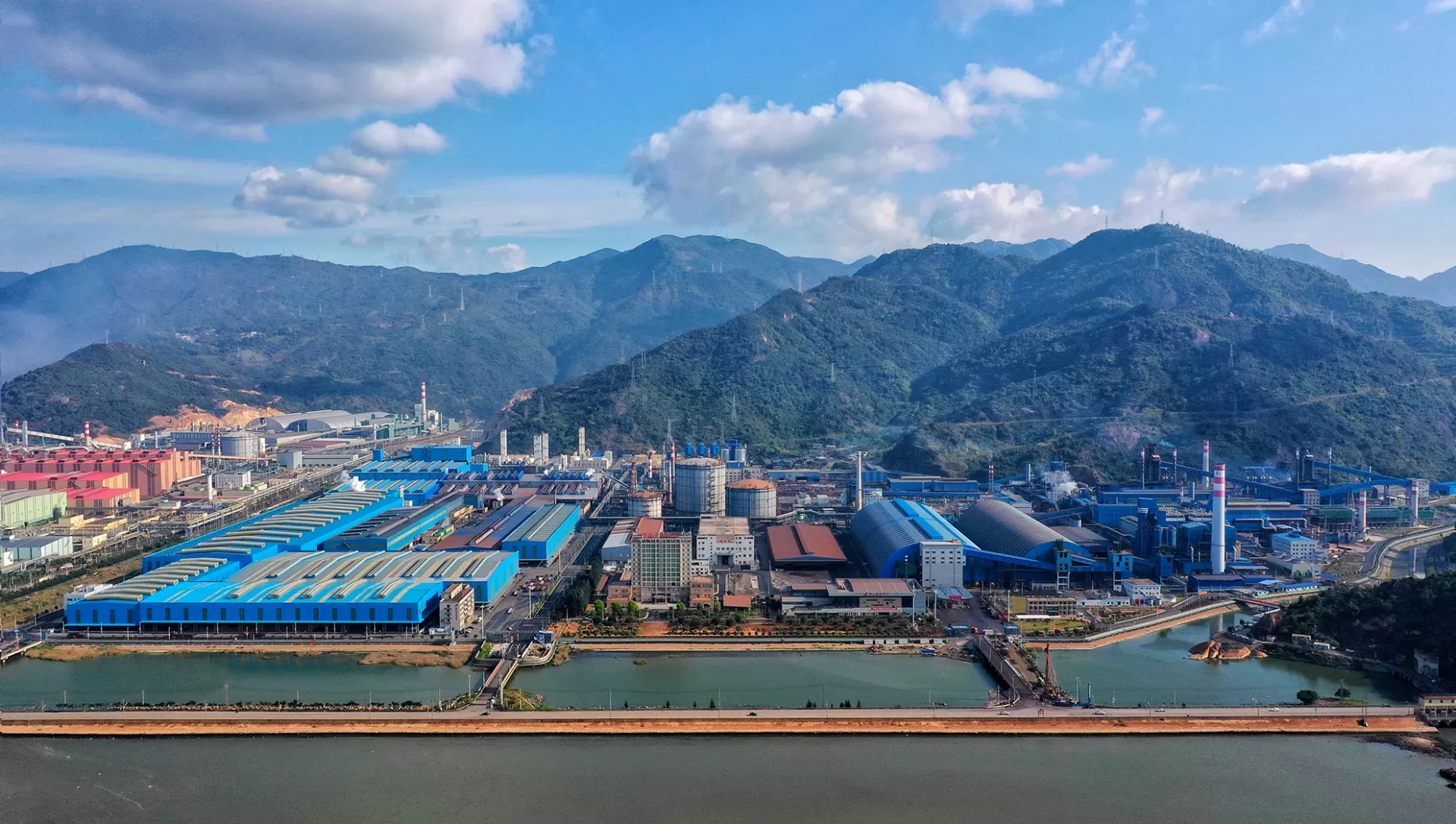
The closure of coal plants is creating a scarcity of traditional fly ash in some regions. To maintain the performance benefits of cement and fly ash blends, the industry is turning to processed alternatives. Golden Fortune has positioned itself as a key partner in this transition, offering consistent supply chains for high-quality SCMs that meet ASTM C618 standards, ensuring that project timelines and performance specs are met despite shifting raw material availability.
4. Specifications and Quality Control
Not all ash is created equal. The LOI (Loss on Ignition) and fineness directly impact air-entrainment and early-age strength. Professionals must specify the class of ash required—typically Class F for high sulfate resistance or Class C for some self-hardening properties—and test for variability.
4.1 Optimizing Mix Designs
Successful integration of cement and fly ash requires recalibration. The "substitution" is usually done by volume, not weight, due to the lower specific gravity of fly ash. Trial batching must monitor:
Setting time (delayed by fly ash in colder weather).
Early-age strength development (crucial for formwork removal).
Air content stability.
5. The Future of SCMs: GGBFS Integration
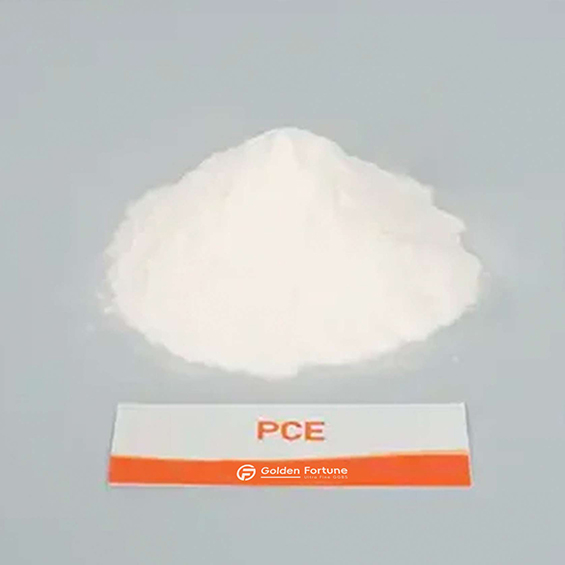
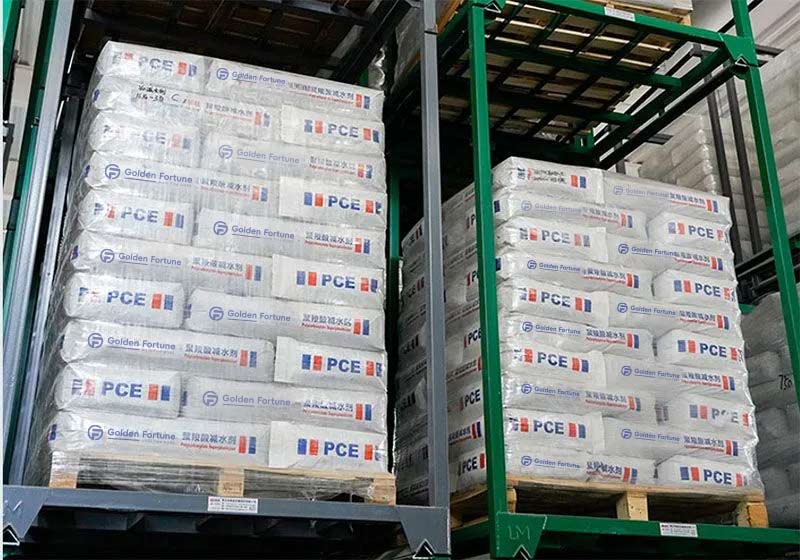
While fly ash remains a dominant SCM, the industry is increasingly blending materials to achieve specific performance targets. For projects requiring very high early strength combined with the long-term durability of a pozzolan, combining cement and fly ash with ground granulated blast furnace slag (GGBS) is becoming common. Golden Fortune provides comprehensive solutions in this space, allowing ready-mix producers to maintain a single, reliable source for both fly ash and GGBS, simplifying logistics and quality assurance. For detailed specifications on high-fineness materials, review the technical data available at the product resource center.
The strategic use of cement and fly ash is a hallmark of modern, high-performance concrete. It addresses the three pillars of construction success: structural durability, economic efficiency, and environmental responsibility. By partnering with experienced suppliers who understand the nuances of SCM chemistry and logistics, such as Golden Fortune, construction professionals can future-proof their projects against material scarcity and tightening carbon regulations.
Frequently Asked Questions (FAQ)
Q1: Does replacing cement with fly ash reduce the final strength of the concrete?
A1: Not necessarily. While early-age strength (1-3 days) may be lower due to the slower pozzolanic reaction, the long-term strength (28 days and beyond) often exceeds that of a pure Portland cement mix. The additional C-S-H from the reaction with lime continues to densify the matrix, often resulting in higher ultimate compressive and flexural strength.
Q2: What is the maximum percentage of cement that can be replaced with fly ash?
A2: It depends on the application. For structural concrete, replacement levels typically range from 15% to 35%. For mass concrete applications like dams or large foundations, replacements of 40% to 50% are common to control heat. In specialty applications like roller-compacted concrete, it can exceed 50%.
Q3: How does fly ash affect the setting time of concrete, particularly in cold weather?
A3: Fly ash generally retards the setting time compared to pure Portland cement. This effect is amplified in cold weather. To mitigate this, contractors may use accelerating admixtures, adjust the cement chemistry (higher C3S content), or use heated mixing water to maintain construction schedules.
Q4: Is all fly ash the same, and how do I ensure I am getting a quality product?
A4: No. Fly ash is classified by ASTM C618 into Class F (typically from anthracite/bituminous coal, pozzolanic) and Class C (from lignite/sub-bituminous coal, sometimes self-cementing). Critical quality parameters include fineness (amount retained on a #325 sieve) and Loss on Ignition (LOI), which affects air-entrainment. Always source from reputable suppliers like Golden Fortune who provide mill test reports with every shipment.
Q5: Can fly ash be used in high-performance concrete for pre-stressed applications?
A5: Yes, but with careful mix design. High-performance concrete often requires low permeability and high durability, which fly ash provides. However, because pre-stressed applications require high early strength for strand release, the fly ash percentage is usually kept moderate (15-20%), and sometimes ternary blends (cement, fly ash, and silica fume) are used to meet both early and late-age performance targets.
Q6: Why is the combination of cement and fly ash considered more sustainable?
A6: Portland cement production is energy-intensive and releases CO2 from both fuel combustion and the chemical process of calcining limestone. Fly ash is a byproduct diverted from landfills. Using it to replace a portion of cement directly reduces the CO2 per cubic meter of concrete, lowers energy consumption, and conserves virgin raw materials.