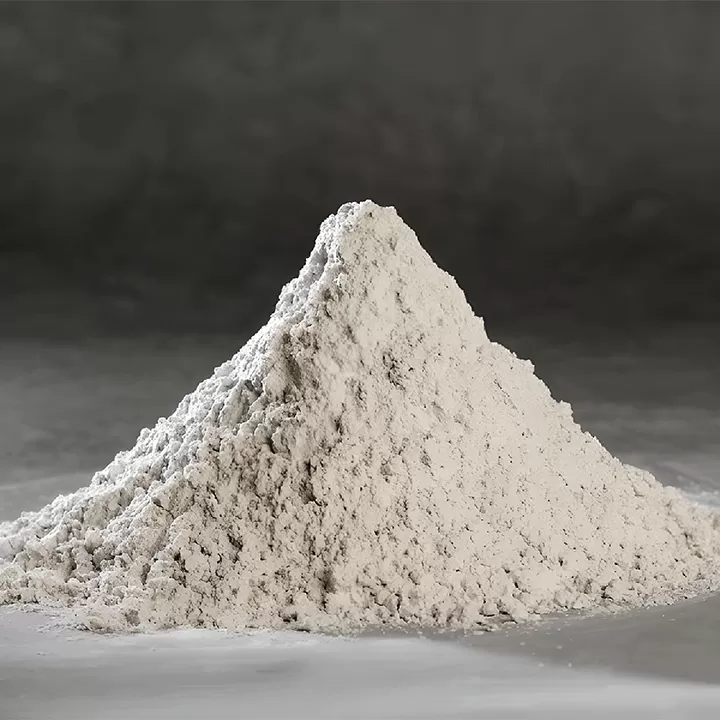
ggbfs cement combines ground granulated blast furnace slag with Portland cement to create a binder that outperforms plain cement in many ways. Engineers specify it for projects that demand long service life, low heat buildup, and resistance to chlorides. By incorporating slag, the cement becomes denser and less permeable. Companies like Golden Fortune supply high‑quality slag powder that meets strict international standards. Whether you work on foundations, bridges, or marine structures, using ggbfs cement gives you a measurable edge.
1. What Exactly Is GGBFS Cement?
GGBFS cement is a blend of ordinary Portland cement and finely ground blast furnace slag. The slag is a by‑product of iron production, quickly cooled to form glassy granules. When ground and mixed with cement, it reacts with calcium hydroxide to form additional binding compounds. This reaction fills microscopic voids and strengthens the matrix. The result is a material that hardens reliably while offering superior protection against aggressive chemicals. Many national standards now recognise ggbfs cement as a premium choice for durable concrete.
2. How GGBFS Cement Improves Concrete Durability
Durability starts with low permeability. Concrete made with ggbfs cement has a finer pore structure, which stops water and chlorides from penetrating. Structures last longer in marine environments or areas with de‑icing salts. The cement also resists sulfate attack, a common issue in soils and groundwater. When you combine these factors, maintenance costs drop significantly over the life of a building. For example, a bridge deck using ggbfs cement can remain crack‑free for decades longer than one made with plain cement.
3. Seven Proven Advantages of GGBFS Cement
Why do more contractors switch to ggbfs cement? Here are the main reasons backed by research and field experience:
Reduced heat of hydration: Mass concrete pours stay cooler, minimising thermal cracks.
Higher later‑age strength: While early strength may be similar, 28‑day and 90‑day strengths often exceed plain cement mixes.
Lower chloride diffusion: Ideal for piers, seawalls, and parking structures exposed to salt.
Improved workability: The smooth slag particles lubricate the mix, reducing water demand.
Lighter colour: Architectural concrete gains an even, light finish that many designers prefer.
Sustainability: Using a by‑product lowers the carbon footprint of your project.
Cost stability: Slag prices are often more stable than cement, helping budget control.
These advantages make ggbfs cement a smart choice for everything from high‑rise cores to residential foundations.
4. Comparing GGBFS Cement with Ordinary Portland Cement
Portland cement hydrates quickly and provides early strength, but it also releases a lot of heat. ggbfs cement slows the initial reaction, which helps in hot weather or thick sections. Over time, the slag reaction produces more calcium silicate hydrates, the glue that holds concrete together. This means better long‑term performance. In terms of environmental impact, producing a tonne of ggbfs cement generates far less CO₂ than making straight Portland cement. Builders aiming for green certifications often specify ggbfs cement to earn points under LEED or BREEAM.
5. Practical Applications of GGBFS Cement in the Field
You will find ggbfs cement used in many types of construction:
Foundations and basements: Low permeability stops water seepage.
Bridges and marine structures: Chloride resistance extends service life.
Precast elements: Improved surface finish and consistent colour.
Concrete pipes: Resistance to aggressive sewage and soil chemicals.
Mass concrete dams: Reduced heat avoids cracking.
In each case, contractors report easier placement and fewer defects. Golden Fortune has supplied ggbfs cement components for projects ranging from airport runways to high‑speed rail lines, proving its versatility.
6. Sustainability and the Role of GGBFS Cement
The cement industry accounts for around 8% of global CO₂ emissions. Replacing a portion of clinker with slag cuts that footprint directly. ggbfs cement typically contains 30‑70% slag, so every tonne used saves up to 0.7 tonnes of CO₂ compared to pure Portland cement. Additionally, slag is diverted from landfill, giving new life to an industrial by‑product. Many governments now encourage or mandate the use of such materials in public works. By specifying ggbfs cement, you align with global sustainability goals without compromising on performance.
7. Sourcing Quality GGBFS Cement
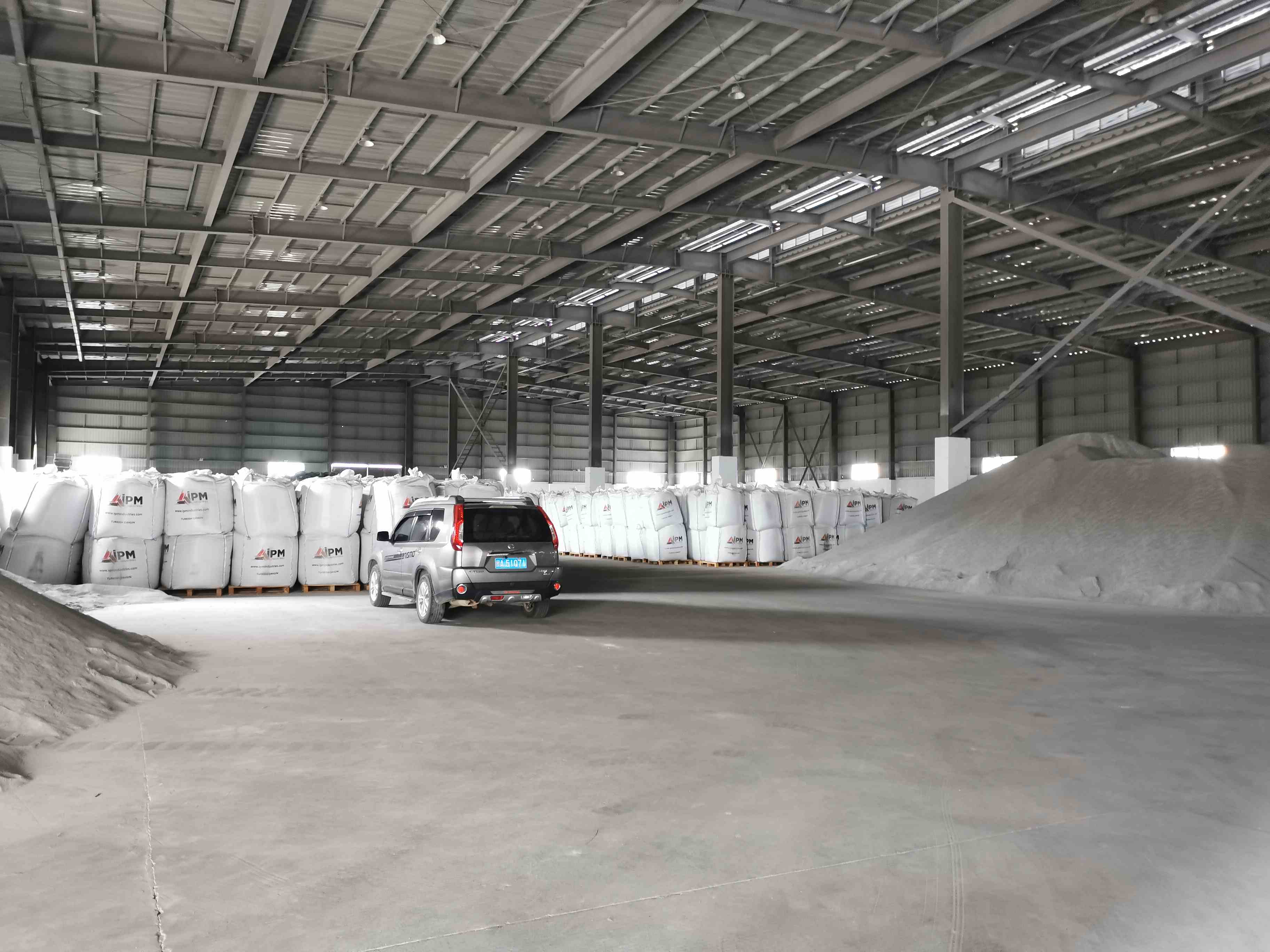
Not all slag powders perform the same. Fineness, glass content, and particle shape all affect how the cement behaves. That is why experienced buyers turn to reliable suppliers. Golden Fortune provides ultra‑fine GGBFS that meets EN 15167 and ASTM C989 standards. Their product integrates smoothly into cement plants or ready‑mix operations. Technical support helps you optimise the mix design for your specific climate and application. With consistent quality, you avoid surprises on site.
Conclusion: Why GGBFS Cement Deserves a Place in Your Next Project
From reducing heat to boosting durability, ggbfs cement solves many common construction challenges. It works with existing equipment and standard practices, so adoption is straightforward. The long‑term savings in maintenance and repairs easily offset any initial cost difference. As environmental regulations tighten, using ggbfs cement also future‑proofs your projects. Partner with a trusted name like Golden Fortune to access consistent, high‑quality slag that makes your concrete better. Next time you design a mix, let ggbfs cement be part of the formula.
Frequently Asked Questions (FAQ)
Q1: What is the difference between ggbfs cement and Portland cement?
A1: ggbfs cement contains a significant proportion of ground granulated blast furnace slag (typically 30% to 70%), while Portland cement is almost pure clinker. The slag reacts more slowly, giving lower early heat and higher long‑term strength. It also improves resistance to chlorides and sulfates.
Q2: Can ggbfs cement be used in cold weather?
A2: Yes, but you may need to adjust curing practices. Because the hydration is slower, protect the concrete from freezing until it gains sufficient strength. Using accelerators or increasing the cement portion can help. Many contractors successfully use ggbfs cement in winter with proper planning.
Q3: Does ggbfs cement affect the setting time?
A3: Generally it extends the initial setting time slightly compared to plain Portland cement. This can be an advantage in hot climates because it reduces the risk of cold joints. In normal conditions, the difference is usually small and manageable.
Q4: How much ggbfs cement should I use in my mix?
A4: Typical replacement levels range from 30% to 50% of the total cementitious material. For high durability requirements (marine, chemical exposure), 50‑70% is common. Always test your local materials and consult standards like ACI 233 or BS 8500. Your supplier, such as Golden Fortune, can provide guidance based on project conditions.
Q5: Is ggbfs cement more expensive than ordinary cement?
A5: The price per tonne may be similar or slightly lower, depending on the market. However, the real value comes from extended service life and reduced maintenance. Over the life of a structure, ggbfs cement often proves more economical.
Q6: Where can I buy ggbfs cement or the slag to make it?
A6: Many cement producers offer blended ggbfs cement. If you need separate slag powder, companies like Golden Fortune supply high‑quality GGBFS that you can blend at your concrete plant. Visit their website for product specifications and technical data.
Q7: Does using ggbfs cement affect the colour of concrete?
A7: Yes, it usually produces a lighter, more uniform colour compared to plain Portland cement. This is often desirable for architectural finishes. The lighter colour also reflects more heat, which can reduce urban heat island effects.