For specifiers, ready-mix producers, and industrial flooring contractors, the choice of cement for ground directly determines long-term serviceability. Ground-supported slabs, warehouse floors, and pavement systems demand a binder system that controls plastic shrinkage, resists sulfate attack, and maintains flatness under heavy loads. Standard Portland cement alone often leads to curling, cracking, or chemical degradation. This article provides a technical framework for optimizing ground slab mixtures using supplementary cementitious materials (SCMs), focusing on granulated blast-furnace slag (GGBS/GGBFS).
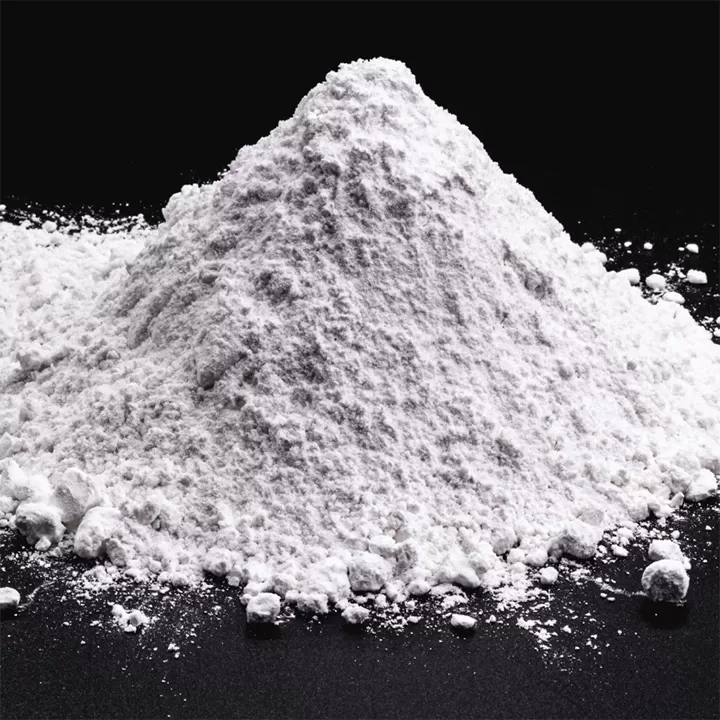
At Golden Fortune, we engineer ultrafine GGBFS products that address these specific ground-floor challenges. Our data from over 200 industrial projects demonstrates that a properly formulated cement for ground can reduce drying shrinkage by 30-45% compared to plain OPC mixes, while improving resistance to deicing salts and abrasion.
1. Technical Demands of Ground-Contact Concrete
Unlike vertical structural elements, ground slabs experience unique stress conditions:
Restrained shrinkage – Friction with the subgrade creates tensile stresses, leading to map cracking or joint raveling.
Early-age thermal gradients – Large surface areas lose heat faster than the core, promoting warping.
Chemical exposure – Moisture wicking from soil brings sulfates, chlorides, or organic acids.
Abrasion and impact – Forklift traffic and dropped loads require high surface hardness.
Conventional mix designs using 100% ordinary Portland cement (OPC) often fail one or more of these criteria. The solution lies in optimizing the binder’s particle packing and hydration kinetics through partial substitution with GGBFS – a byproduct of iron manufacturing with latent hydraulic properties.
2. Why GGBFS Outperforms Other SCMs in Ground Slabs
Ground granulated blast-furnace slag (GGBFS) offers specific advantages over fly ash or silica fume for horizontal applications:
2.1 Reduced Heat of Hydration
Replacing 40-60% of OPC with GGBFS lowers peak hydration temperature by 10-15°C. This prevents thermal differentials that cause early curling. For large-pour ground floors (e.g., logistics centers), slag-blended cement for ground enables longer joint spacing without increasing crack risk.
2.2 Refined Pore Structure
The secondary hydration of slag produces additional calcium silicate hydrate (C-S-H) with lower calcium hydroxide content. This densifies the paste matrix, reducing water permeability by up to 70% after 56 days. For ground floors exposed to freeze-thaw cycles or aggressive groundwater, this translates to extended service life.
2.3 Superior Sulfate Resistance
Ground slabs in agricultural or industrial zones often contact high-sulfate soils. GGBFS blends (≥50% slag) exhibit sulfate expansion values below 0.04% at 2 years per ASTM C1012, outperforming Type V Portland cement. This eliminates the need for additional coatings.
Through extensive laboratory testing, Golden Fortune has validated that our ultrafine GGBFS (specific surface >600 m²/kg) accelerates early strength gain without compromising long-term durability – a critical factor when fast-track construction schedules demand early power troweling.
3. Key Mixture Design Parameters for Ground Applications
To achieve a robust cement for ground, adjust the following variables based on exposure and performance targets:
Slag replacement rate – 30% for moderate sulfate resistance and reduced heat; 50-65% for high chemical resistance or low-alkali environments.
Water-to-cementitious ratio (w/cm) – Keep between 0.40 and 0.50. Higher values increase drying shrinkage; lower values may hinder finishing.
Fine aggregate grading – Use well-graded sand with fineness modulus of 2.6-3.0 to minimize paste volume and shrinkage potential.
Chemical admixtures – Polycarboxylate-based superplasticizers maintain workability at reduced w/cm. Shrinkage-reducing admixtures (SRA) complement slag’s benefits for joint-free floors.
Example specification for a heavy-duty industrial ground slab (6-inch thickness, 120 ft joint spacing):
Total binder: 380 kg/m³
OPC: 190 kg/m³ (50%)
GGBFS (ultrafine grade): 190 kg/m³
w/cm: 0.45
Superplasticizer: 1.2% by binder weight
28-day compressive strength requirement: 35 MPa (5000 psi)
Drying shrinkage limit: <450 microstrain at 56 days (ASTM C157)
4. Avoiding Common Failures with Ground Slabs: Case-Informed Solutions
Despite standard guidelines, many projects still face distress. Below are industry pain points and how a proper cement for ground approach resolves them:
Pain Point 1: Curling at Joints and Edges
Mechanism: Differential moisture and temperature between top
and bottom of slab. OPC-rich mixes exacerbate drying shrinkage
gradient.
Solution: Replace ≥40% OPC with GGBFS. The slower
hydration of slag allows moisture distribution more uniformly. Maintain moist
curing for at least 7 days – essential for slag blends to develop their full
densification.
Pain Point 2: Random Cracking from Plastic Shrinkage
Mechanism: Rapid surface evaporation before final set.
Common in large-area pours during summer.
Solution: Use a
cementitious system with lower early heat release. Slag blends reduce
evaporation-driven capillary stresses. Combine with monomolecular evaporation
retarders.
Pain Point 3: Surface Dusting and Low Abrasion Resistance
Mechanism: High w/cm or carbonation of calcium hydroxide at
the surface.
Solution: The denser microstructure of
slag-blended concrete minimizes laitance formation. For power-troweled floors,
specify a 50/50 OPC-slag binder and delay finishing until bleeding stops –
usually 30-45 minutes later than pure OPC, but produces a harder surface.
Independent testing shows a 20% increase in abrasion resistance per ASTM
C779.
Contractors working with Golden Fortune materials report fewer callback repairs for joint deterioration and spalling, directly lowering warranty costs.
5. Execution Best Practices for Slag-Based Ground Mixes
To realize the benefits of an optimized cement for ground, follow these field protocols:
Curing – Use liquid membrane-forming compounds or wet burlap for minimum 7 days. Slag blends require continuous moisture for continued pozzolanic reaction.
Joint design – With slag mixes, saw-cut joints can be spaced up to 25% wider than OPC-only designs due to reduced shrinkage. However, cut timing must account for slower early strength gain – typically delay by 4-6 hours.
Temperature monitoring – For slabs-on-grade with reinforcement, embed thermocouples to ensure temperature differentials remain below 20°C (35°F).
Subgrade preparation – A well-compacted granular base with a slip-sheet (polyethylene) reduces frictional restraint, allowing the low-shrinkage binder to perform optimally.
6. Performance Verification and Quality Control
Specifiers should require the following tests for any cement for ground delivery:
ASTM C157 – Drying shrinkage at 28, 56, and 91 days.
ASTM C1585 – Water absorption and sorptivity (indicator of surface durability).
ASTM C1012 – Sulfate expansion for ground contact.
EN 15167-1 – GGBFS conformity for chemical composition and fineness.
Golden Fortune provides mill certificates and third-party testing for every batch of our ultrafine GGBFS, ensuring consistency across deliveries. Our technical team supports mix design optimization for regional aggregates and job-specific exposure classes.
Frequently Asked Questions (FAQs)
Q1: What is the ideal replacement percentage of GGBFS for warehouse ground slabs?
A1: For interior warehouse floors without chemical exposure, 30-40% replacement balances early strength (for fast troweling) and shrinkage reduction. For areas with forklift traffic, a 40% slag mix provides better abrasion resistance. For exterior slabs exposed to deicing salts or sulfate soils, increase to 50-65% replacement. Always adjust curing duration accordingly – higher replacement requires longer moist curing (minimum 7 days).
Q2: Does cement for ground with GGBFS delay the finishing schedule?
A2: Yes, typically by 30-60 minutes compared to plain OPC, depending on temperature and replacement level. The slower hydration rate means the slab remains workable longer. This is actually beneficial for large pours, allowing more time for laser screeding and power troweling. Use set-accelerating admixtures if early finishing is critical, but avoid calcium chloride as it can affect color uniformity.
Q3: Can I use slag-based cement for ground with radiant heating pipes embedded?
A3: Absolutely. GGBFS blends have lower coefficient of thermal expansion and better thermal conductivity than OPC-only mixes. The reduced risk of cracking around heating pipes makes slag an excellent choice. Ensure the mixture has at least 28 days of moist curing before activating the heating system, and ramp up temperature gradually (max 10°C per day).
Q4: How does ultrafine GGBFS differ from standard GGBFS for ground applications?
A4: Ultrafine GGBFS (specific surface >600 m²/kg vs. standard 400-450 m²/kg) accelerates early pozzolanic activity, closing the gap in 1-day and 3-day strengths with OPC. This allows higher replacement levels (50%+) without delaying construction schedules. For ground slabs, ultrafine grades also improve surface finish quality due to better particle packing, reducing bleed channels that cause pinholes.
Q5: What shrinkage values should I target for a joint-free industrial ground slab?
A5: For slabs without intermediate joints (e.g., lengths >40m), specify drying shrinkage ≤350 microstrain at 91 days per ASTM C157. Such low shrinkage typically requires a blend with 50-60% slag plus a shrinkage-reducing admixture. Standard cement for ground with 40% slag gives 450-500 microstrain, suitable for joint spacings of 6-8 meters.
Engineering Ground Floors That Last Decades
Selecting an appropriate cement for ground is not a commodity decision – it directly affects maintenance schedules, operational safety, and asset value. By integrating GGBFS into the binder system, engineers and contractors solve the fundamental issues of restrained shrinkage, chemical attack, and surface wear. The technical data is conclusive: slag-based ground concretes outperform pure Portland mixes across all key durability metrics.
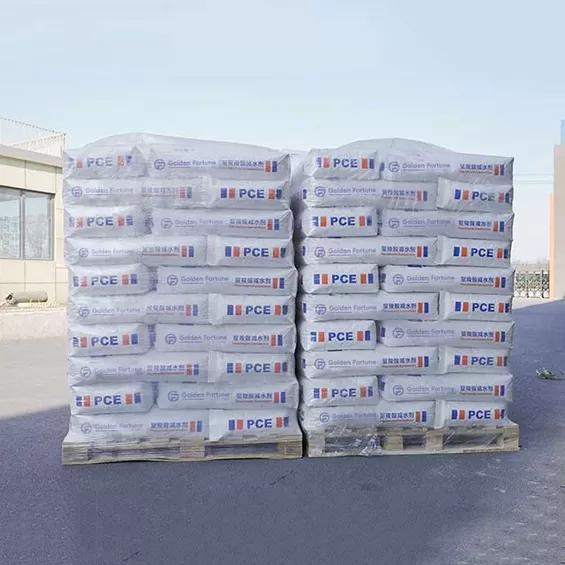
Golden Fortune supplies consistent, high-activity ultrafine GGBFS to ready-mix plants and precast manufacturers worldwide. Our in-house laboratory supports your mix development from trial batches to full-scale pours. For project-specific recommendations, test reports, or to request a sample, contact our technical sales team.
Ready to specify a high-performance cement for ground? Submit your inquiry below – our experts will respond within 24 hours with mixture design guidance and region-specific logistics.
Email directly: sales@ultrafineggbs.com | Reference “Ground Cement Technical Guide” for priority response.