For over a century, the ordinary portland cement (OPC) has served as the foundational binder of modern construction. Its predictable performance, widespread availability, and established specification framework under ASTM C150 have made it the default choice for everything from residential foundations to high-rise structures. However, as infrastructure owners demand longer service lives (100+ years), tighter carbon budgets, and enhanced resistance to aggressive environments, the inherent limitations of the ordinary portland cement have become increasingly apparent. Golden Fortune specializes in the strategic application of ground granulated blast furnace slag (GGBFS) to address these limitations—transforming OPC into a high-performance, durable, and sustainable binder system.
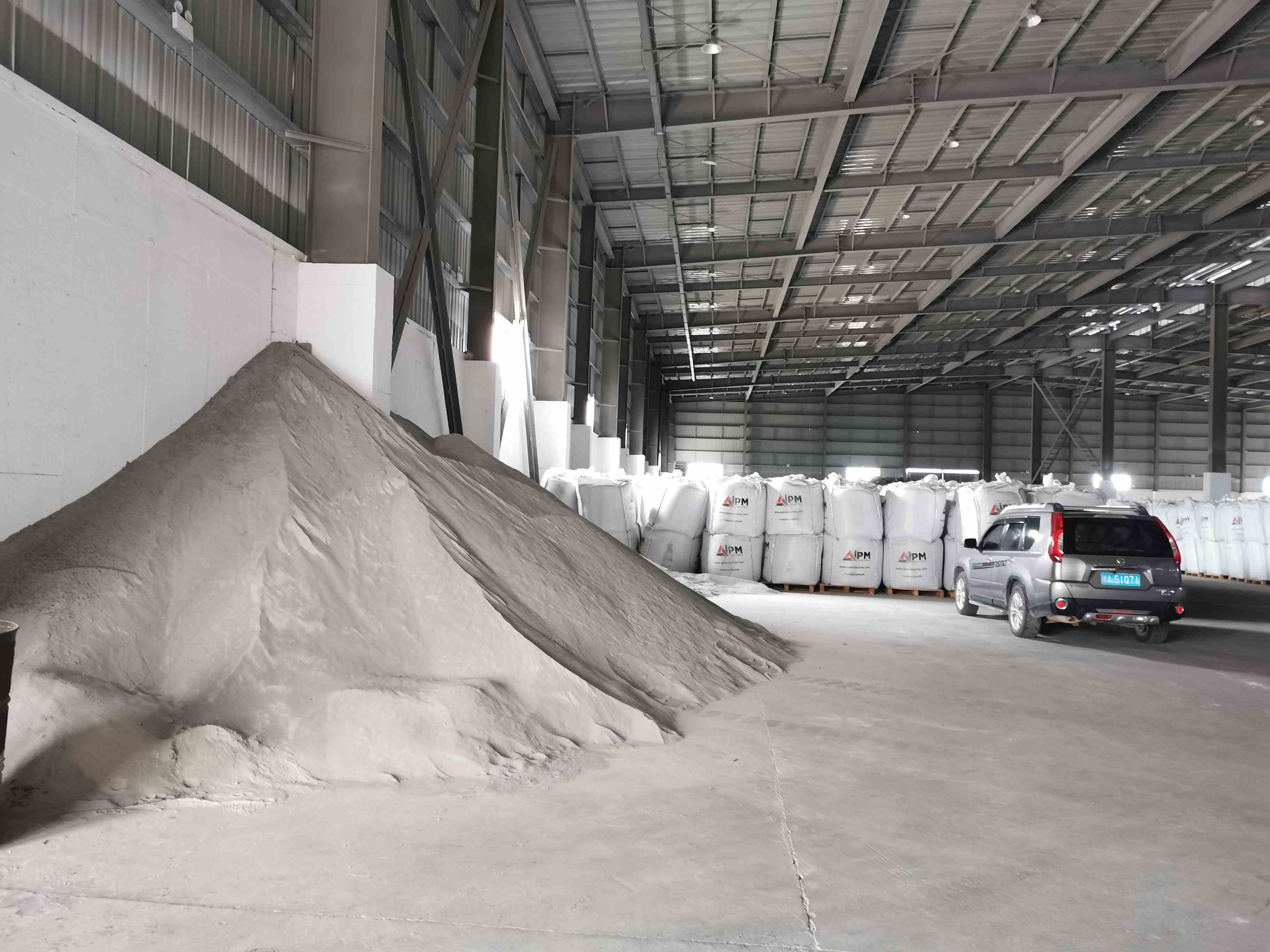
Defining The Ordinary Portland: Composition, Standards, and Performance Baselines
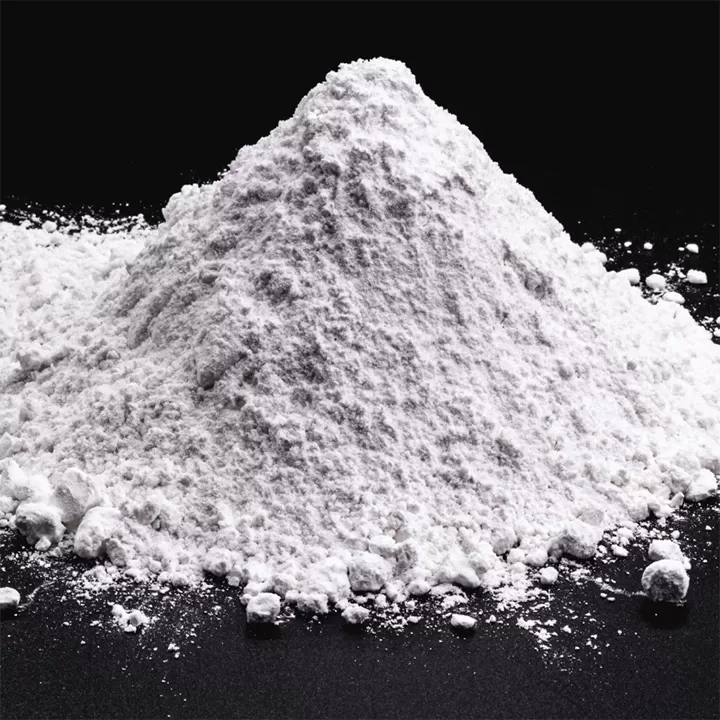
The ordinary portland cement, designated as Type I under ASTM C150, is characterized by its relatively simple chemical composition and consistent performance. It is produced by intergrinding clinker (primarily calcium silicates and aluminates) with approximately 5% gypsum to control setting time. Typical oxide composition ranges are:
CaO (lime): 60–67% – the primary source of strength-forming calcium silicate hydrate (C-S-H).
SiO₂ (silica): 17–25% – combines with lime to form C-S-H.
Al₂O₃ (alumina): 3–8% – contributes to early strength and influences setting.
Fe₂O₃ (iron oxide): 0.5–6% – acts as a flux during clinker formation.
C₃A (tricalcium aluminate): 8–12% – the phase most responsible for sulfate susceptibility and early heat release.
From a performance standpoint, Type I OPC achieves 28-day compressive strengths of 28–38 MPa (4,000–5,500 psi) in standard mortar cubes, with a typical heat of hydration of 70–90 cal/g at 7 days. It delivers adequate durability for general exposure conditions but begins to show limitations when subjected to aggressive sulfates, chlorides, or alkali-silica reactive aggregates.
Critical Limitations of The Ordinary Portland Cement in Demanding Environments
While suitable for the majority of non-aggressive applications, reliance on the ordinary portland cement alone introduces several well-documented vulnerabilities that can compromise long-term structural integrity.
1. Susceptibility to Sulfate Attack
Type I OPC’s C₃A content (typically 8–12%) reacts with sulfate ions in soil, groundwater, or seawater to form expansive ettringite. This reaction generates internal tensile stresses that cause progressive cracking, spalling, and loss of strength. In high-sulfate environments (>0.5% water-soluble sulfate), OPC-only concretes can exhibit significant deterioration within 5–10 years of service, leading to repair costs that often exceed the original construction value.
2. Chloride-Induced Corrosion of Reinforcement
OPC pastes have a relatively high permeability (chloride ion diffusion coefficients typically 4–6 × 10⁻¹² m²/s at water-cement ratios of 0.45). Chlorides penetrate to the reinforcing steel, depassivate the steel surface, and initiate corrosion. The resulting rust expansion causes cover cracking and structural degradation. In marine environments or bridge decks exposed to deicing salts, this mechanism reduces service life to 25–40 years unless supplementary protection is provided.
3. Heat of Hydration and Thermal Cracking
The heat liberated during OPC hydration can create substantial temperature rises in mass concrete elements. In sections thicker than 0.6 meters, internal temperatures may exceed 70°C while the surface remains cooler, generating thermal gradients that cause cracking. These cracks reduce structural capacity and provide pathways for aggressive agents. Type I OPC’s adiabatic temperature rise of 45–50°C over 7 days is a primary concern for dams, bridge piers, and thick foundations.
4. Limited Long-Term Durability Enhancement
OPC hydrates to form approximately 25–30% calcium hydroxide (portlandite) as a byproduct. This phase contributes little to strength and is susceptible to leaching and carbonation. Unlike blended cements, OPC does not benefit from the secondary pozzolanic reaction that converts portlandite into additional C-S-H, leaving the microstructure relatively porous and less able to resist chemical ingress over time.
5. Environmental Footprint
Portland cement production accounts for approximately 8% of global CO₂ emissions. The ordinary portland cement has an embodied carbon intensity of roughly 0.85–0.95 tons of CO₂ per ton of cement, driven primarily by clinker calcination and fuel combustion. Increasingly stringent environmental regulations and corporate sustainability commitments are driving specifiers to reduce clinker content in concrete mixes.
Engineering Solutions: Enhancing The Ordinary Portland with GGBFS
The limitations described above are not inherent to the concept of Portland cement itself, but rather to its use as a sole binder. The strategic incorporation of ground granulated blast furnace slag (GGBFS) transforms the ordinary portland cement into a high-performance system. Golden Fortune supplies ultrafine GGBFS with Blaine fineness exceeding 600 m²/kg, enabling substitution rates of 30–70% while maintaining or improving early-age strength.
Mechanism 1: Sulfate Resistance Through C₃A Dilution and Aluminate Binding
When slag replaces a portion of OPC, the effective C₃A content of the binder system is proportionally reduced. Moreover, the alumina in slag reacts with calcium hydroxide to form stable, non-expansive phases (such as stratlingite and C-A-S-H), further consuming aluminates that would otherwise participate in ettringite formation. The result is a dramatic reduction in sulfate expansion: concrete with 50% slag substitution typically exhibits ASTM C1012 expansions below 0.05% at 12 months—well below the 0.10% limit for moderate sulfate exposure.
Mechanism 2: Chloride Binding and Reduced Permeability
Slag hydration produces additional C-S-H with a lower Ca/Si ratio and higher aluminum content, which increases the binder’s capacity to chemically bind chlorides. Combined with a refined pore structure (reduced capillary porosity), slag-blended concretes achieve chloride diffusion coefficients of 0.8–1.5 × 10⁻¹² m²/s at 40% substitution—values approaching those of high-performance concrete. This extends the time to corrosion initiation from 25–30 years to 75–100 years in aggressive chloride environments.
Mechanism 3: Thermal Control and Crack Mitigation
Slag hydration is slower than that of OPC and releases significantly less heat. A 50% slag blend reduces the adiabatic temperature rise by 30–40%, keeping mass concrete temperatures within manageable ranges without the need for active cooling systems. This thermal control is particularly valuable for bridge substructures, water retaining structures, and large mat foundations.
Mechanism 4: Long-Term Strength and Durability
The secondary pozzolanic reaction of slag consumes portlandite, converting it into additional C-S-H. This process continues for months to years, resulting in compressive strengths that often exceed those of OPC-only concrete after 56 days and continuing to increase well beyond 1 year. Simultaneously, the microstructure becomes denser and more resistant to both carbonation and chemical attack.
Mechanism 5: Carbon Footprint Reduction
Each ton of slag used to replace Portland cement reduces CO₂ emissions by approximately 0.85 tons. For a ready-mix producer using 40% slag in a mix containing 350 kg/m³ of total binder, the carbon reduction per cubic meter is approximately 120 kg CO₂e—a 32% reduction compared to OPC-only concrete.
Industry Pain Points: Overcoming Barriers to Slag Adoption
Despite the clear performance and sustainability advantages, the adoption of slag-blended concretes faces persistent challenges. Golden Fortune addresses these through technical support and product engineering.
Perception of slower strength gain: Contractors accustomed to OPC’s rapid strength development often resist slag substitution. Golden Fortune’s ultrafine slag (Blaine >600 m²/kg) accelerates early hydration, achieving 1-day strengths comparable to OPC at 30–40% substitution levels.
Set time variability: Temperature-dependent hydration of slag can extend setting times in cold weather. Technical guidance on mix proportioning and the use of accelerators resolves this without compromising long-term properties.
Color inconsistency: Slag concretes exhibit lighter, more uniform color than OPC—generally perceived as beneficial for architectural finishes but requiring communication with owners and architects.
Quality control and supply chain stability: Golden Fortune’s dedicated production and quality assurance protocols ensure consistent fineness, chemical composition, and supply, enabling specifiers to rely on slag as a primary binder component.
Performance Data: Quantifying the Enhancement
Comparative testing under standardized protocols demonstrates the quantifiable improvements achieved when the ordinary portland is enhanced with GGBFS:
Chloride ion permeability (ASTM C1202): Type I OPC alone: 4,000–6,000 coulombs (moderate). Type I + 40% GGBFS: 800–1,500 coulombs (low).
Sulfate expansion (ASTM C1012, 12 months): Type I OPC: 0.12–0.18%; Type I + 40% GGBFS: 0.03–0.05%.
Adiabatic temperature rise (7 days): Type I OPC: 45–50°C; Type I + 40% GGBFS: 30–35°C.
28-day compressive strength (w/cm 0.45): Type I OPC: 42 MPa; Type I + 40% GGBFS: 44 MPa.
56-day compressive strength (same mix): Type I OPC: 45 MPa; Type I + 40% GGBFS: 52 MPa.
Frequently Asked Questions (FAQ)
Q1: What exactly is "the ordinary portland" cement, and how does it differ from blended cements?
A1: The ordinary portland cement refers to Type I cement under ASTM C150, composed primarily of clinker and gypsum with no supplementary cementitious materials. Blended cements (ASTM C595) incorporate materials such as slag, fly ash, or limestone during manufacturing. While OPC provides predictable performance in general applications, blended cements offer enhanced durability, reduced permeability, and lower carbon footprints.
Q2: Can I use GGBFS with the ordinary portland cement in any concrete mix?
A2: Yes, GGBFS can be incorporated as a partial replacement for OPC in most concrete mixes. The optimal substitution rate depends on exposure conditions: 25–35% for moderate sulfate resistance and reduced permeability; 40–60% for severe sulfate or chloride environments; and 60–70% for mass concrete thermal control. Golden Fortune provides mix design support to determine the ideal slag content for your specific application.
Q3: Will using slag with the ordinary portland cement delay construction schedules due to slower strength gain?
A3: With standard GGBFS (Blaine fineness 400–450 m²/kg), early strengths may be modestly reduced. However, Golden Fortune’s ultrafine GGBFS (fineness >600 m²/kg) accelerates early hydration, achieving 1-day and 3-day strengths comparable to OPC at substitution levels up to 40%. For cold-weather placement, we provide guidelines for accelerators to maintain setting times. Many contractors find that the improved workability and pumpability offset any marginal differences in early strength.
Q4: How does the combination of the ordinary portland and GGBFS affect the concrete’s resistance to sulfate attack?
A4: The combination significantly improves sulfate resistance through two mechanisms: dilution of the cement’s C₃A content (the primary cause of sulfate expansion) and chemical binding of sulfates by the slag’s alumina. Concretes with 40–50% slag substitution consistently achieve ASTM C1012 expansions below 0.05% at 12 months—meeting the criteria for severe sulfate exposure (Type V cement requirements).
Q5: Is the use of slag with the ordinary portland cement recognized by building codes and specifications?
A5: Yes, slag-blended concretes are fully recognized in ACI 318 (Building Code Requirements for Structural Concrete), ACI 301 (Specifications for Structural Concrete), and ASTM C1157 (Performance Specification for Hydraulic Cements). Many state DOTs and federal agencies (including the U.S. Army Corps of Engineers) specify minimum slag contents for bridge decks, marine structures, and mass concrete to ensure long-term durability. Golden Fortune’s technical team can assist with specification language and submittal documentation.
For engineers and specifiers, the decision to move beyond the ordinary portland cement toward optimized binder systems is driven by the demands of modern infrastructure: longer design lives, tighter environmental constraints, and increasingly aggressive exposure conditions. Golden Fortune provides the technical expertise and high-performance ultrafine GGBFS necessary to realize these objectives, delivering concrete that is stronger, more durable, and more sustainable than OPC alone can achieve.