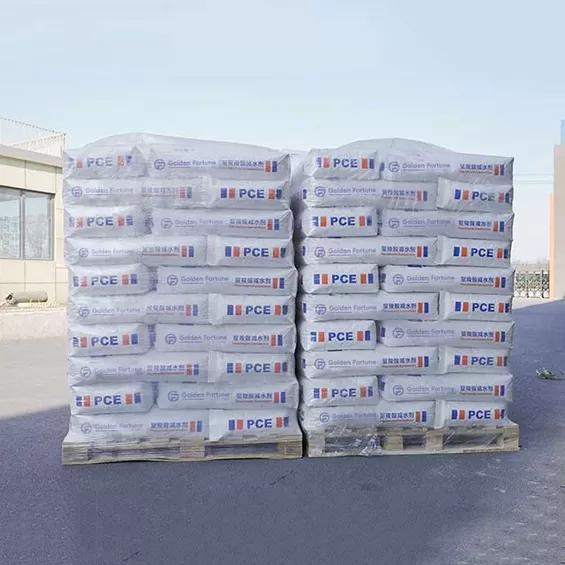
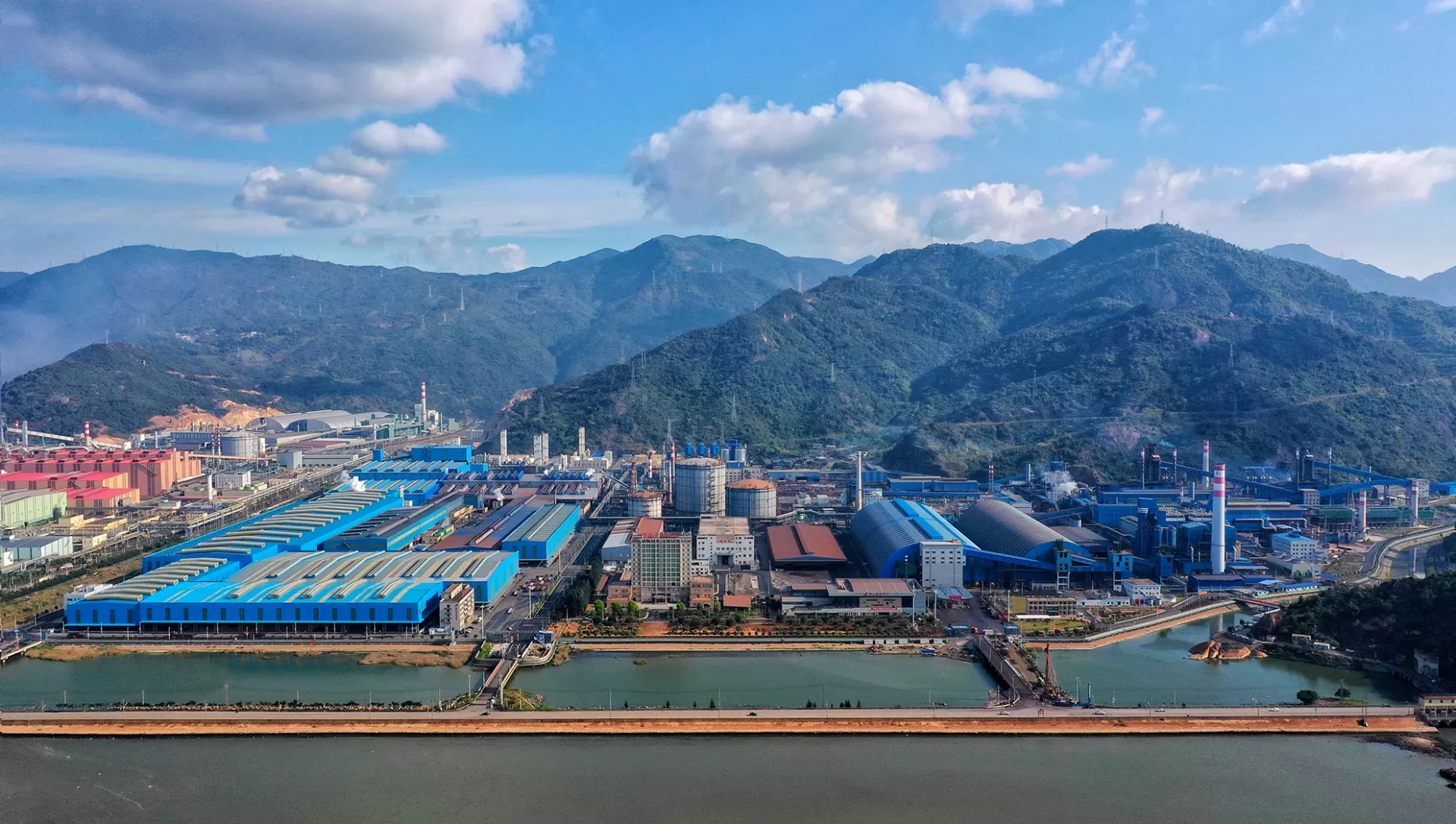
In the evolving landscape of construction, the selection of appropriate cementing materials determines not only structural integrity but also environmental impact. Portland cement, while dominant, is increasingly complemented by secondary cementing materials such as Ground Granulated Blast Furnace Slag (GGBS). These innovative binders offer a pathway to high-performance concrete with lower embodied carbon, aligning with global decarbonisation targets. This article provides a technical deep dive into GGBS, its role in modern cementing materials, and how industry leaders like Golden Fortune are pushing the boundaries of material science.
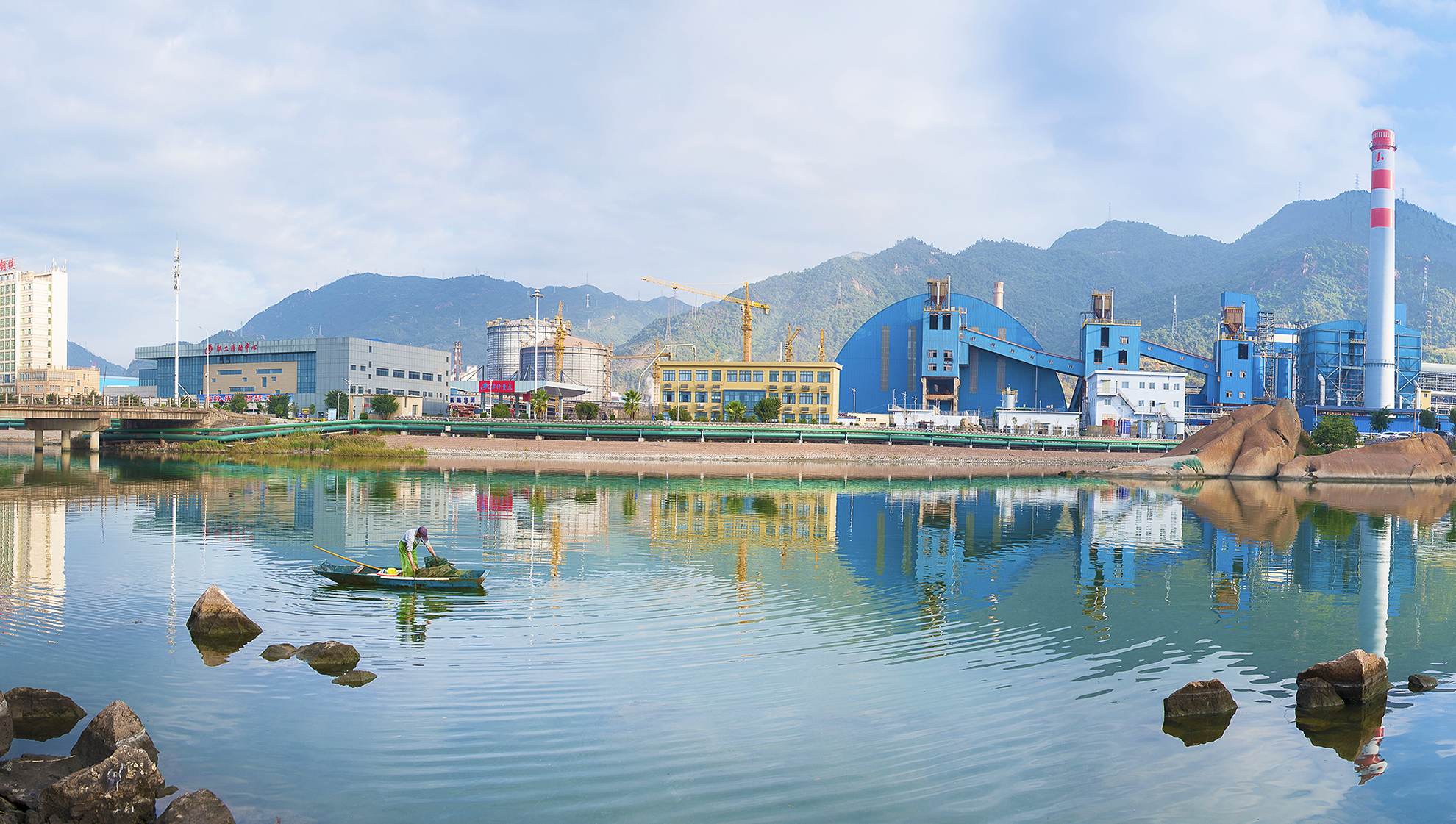
Understanding Modern cementing materials: From Clinker to SCMs
Limitations of Traditional Portland Cement
Conventional cementing materials rely heavily on Portland cement clinker, whose production accounts for approximately 8% of global CO₂ emissions. The chemical process of calcining limestone releases significant carbon, making it imperative to adopt supplementary cementitious materials (SCMs). Fly ash, silica fume, and especially GGBS are now integral to formulating durable and eco-efficient concrete mixtures.
What Makes GGBS a Unique Cementing Material?
GGBS is a by-product of iron manufacturing in blast furnaces. Molten slag is rapidly quenched with water to form glassy granules, which are then dried and ground to a fine powder. The resulting material exhibits latent hydraulic properties—when activated, it reacts with calcium hydroxide and water to form calcium silicate hydrates (C-S-H), the primary strength-giving phase in hardened concrete. Key chemical components include CaO (30–45%), SiO₂ (30–40%), Al₂O₃ (8–18%), and MgO (5–12%). The high glass content (>90%) ensures consistent reactivity, making GGBS a reliable component of modern cementing materials.
Technical Advantages of GGBS-Blended Systems
Enhanced Durability and Reduced Permeability
Concrete incorporating GGBS exhibits a denser microstructure due to the secondary C-S-H formation and pore refinement. This translates to:
Chloride resistance: Up to 50% reduction in chloride diffusion coefficients, critical for marine structures and bridge decks.
Sulfate attack resistance: Lower tricalcium aluminate (C₃A) content in blended systems mitigates expansion caused by sulfate exposure.
Alkali-silica reaction (ASR) mitigation: GGBS dilutes alkalis and consumes them in hydration products, reducing ASR risk.
Thermal Control in Mass Concrete
The hydration of GGBS is slower and less exothermic than that of Portland cement. For large pours—foundations, dams, or thick raft slabs—using 50–70% GGBS as part of the cementing materials lowers the peak temperature rise by 30–40%, minimizing thermal cracking. Data from projects like the Hong Kong–Zhuhai–Macau Bridge demonstrate that GGBS-rich mixes maintain long-term integrity under extreme thermal stress.
Long-Term Strength Development
While early-age strength (1–3 days) may be lower than pure Portland cement, GGBS blends typically exceed the 28-day strength of reference mixes and continue to gain strength beyond 90 days. At 56 days, a 50% GGBS concrete can achieve 110–120% of the control strength, provided adequate curing and activation. This characteristic is particularly advantageous for infrastructure where load application is delayed.
Application-Specific Performance of GGBS-Based Cementing Materials
Sustainable Infrastructure and Green Building Certification
Projects targeting LEED, BREEAM, or CEEQUAL increasingly specify high-volume GGBS mixes. For every tonne of GGBS used in place of clinker, CO₂ emissions drop by roughly 0.9 tonnes. Golden Fortune supplies GGBS that meets EN 15167 and ASTM C989 standards, enabling engineers to earn credits for material ingredient transparency and life-cycle assessment. Examples include the foundation slabs of offshore wind farms and railway sleepers where low permeability is non-negotiable.
High-Performance Precast and Ready-Mix Concrete
Precast manufacturers utilise GGBS to improve surface finish and reduce efflorescence. The lighter colour of slag concrete also enhances aesthetic appeal. In aggressive environments—wastewater treatment plants, chemical facilities—GGBS-based cementing materials provide a cost-effective barrier against biogenic sulfuric acid corrosion.
Specialised Applications: Marine and Underground Structures
The Channel Tunnel and numerous subway expansions across Europe have relied on GGBS for its resistance to seawater and soft-ground chemicals. With chloride exposure classes (e.g., XS3), concrete containing 60–70% GGBS has become the industry standard, offering service lives exceeding 100 years when combined with adequate cover depth.
Overcoming Industry Challenges with Advanced GGBS Solutions
Early-Age Strength and Curing Sensitivity
One common reservation regarding GGBS is its slower strength gain at low temperatures or high replacement levels. Golden Fortune addresses this through ultrafine grinding (specific surface area >800 m²/kg) and controlled particle size distribution. Ultrafine GGBS accelerates initial hydration without compromising later-age properties. Additionally, optimised ternary blends with Portland cement or calcium sulfate can tailor setting times for precast operations.
Consistent Quality and Supply Chain Stability
The GGBS market occasionally faces variability in slag chemistry from steel mills. To mitigate this, Golden Fortune implements rigorous quality assurance—every batch is tested for glass content, fineness, and reactivity index. With dedicated logistics hubs, they ensure just-in-time delivery for large-scale projects, minimising silo idle time and maintaining concrete production continuity.
Economic Optimisation
Although GGBS prices fluctuate with the steel market, its use often lowers overall material cost when substituting high-cement content mixes. Life-cycle cost analyses show that reduced maintenance and extended service life offset any initial premium. Engineering firms now routinely specify performance-based specifications rather than prescriptive limits, encouraging innovation in cementing materials selection.
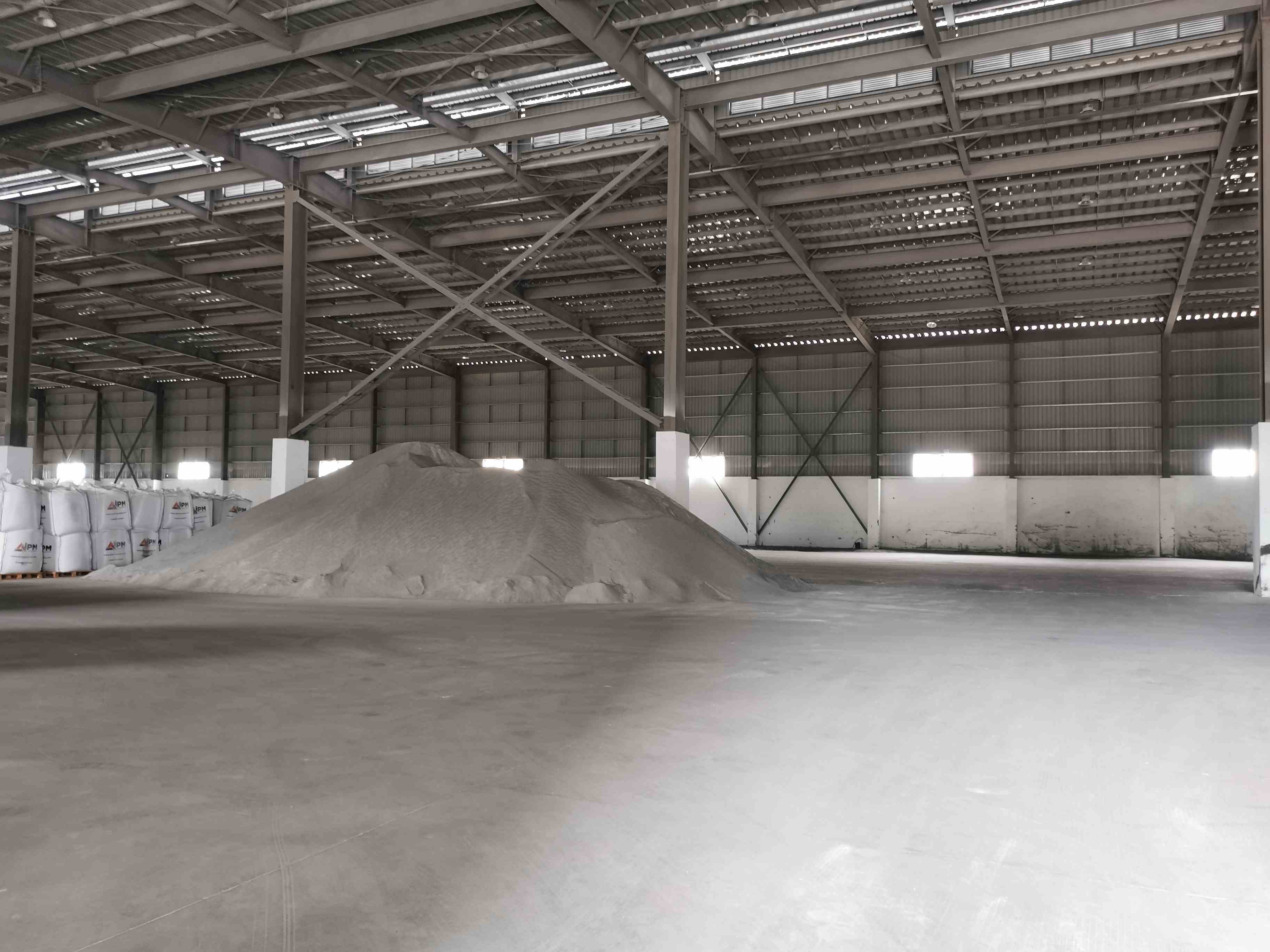
The Future of Cementing Materials: Circular Economy and Decarbonisation
As the European Green Deal and similar policies tighten emissions caps, the demand for low-carbon cementing materials will surge. GGBS sits at the intersection of industrial symbiosis (using a by-product) and performance enhancement. Research into alkali-activated binders and hybrid cements further expands the potential of GGBS. Golden Fortune is actively collaborating with research institutes to develop next-generation slag-based materials with even lower clinker factors, aiming for carbon-neutral concrete by 2050. Pilot projects already demonstrate that concretes with 80% GGBS can achieve 60 MPa compressive strength when properly designed.
Conclusion: Elevating Concrete Performance with GGBS
The transition toward sustainable construction is irreversible, and cementing materials are at the forefront of this shift. GGBS offers a proven, scalable solution that enhances durability, reduces environmental impact, and meets the rigorous demands of modern infrastructure. By partnering with specialised suppliers like Golden Fortune, engineers and contractors can harness the full potential of this versatile material. Whether the goal is a 120-year design life or a Platinum LEED certification, GGBS will remain among the vital cementing materials for decades to come.
Frequently Asked Questions (FAQ)
Q1: What is the difference between GGBS and Portland cement as cementing materials?
A1: Portland cement is a hydraulic binder that sets and hardens by reacting with water (hydration). GGBS is a latent hydraulic material—it requires an activator (usually Portland cement or lime) to initiate hydration. When used together, GGBS refines the pore structure, improves durability, and lowers the carbon footprint compared to straight Portland cement systems.
Q2: Can GGBS completely replace Portland cement in concrete?
A2: Technically, GGBS can be activated with alkalis (e.g., sodium hydroxide or silicate) to form alkali-activated binders, but these are not covered by standard concrete specifications in most regions. In conventional practice, GGBS replacement levels range from 20% to 70% by mass of total cementing materials. Very high replacements (>80%) require special mix designs and curing conditions to achieve adequate early strength.
Q3: How does GGBS affect concrete durability in marine environments?
A3: GGBS significantly improves resistance to chloride ingress and sulfate attack. The denser matrix and reduced permeability slow the penetration of aggressive ions, making it the preferred choice for ports, offshore structures, and coastal infrastructure. Many international standards (e.g., BS 8500) recommend GGBS blends for exposure classes XS and XD.
Q4: What are the storage and handling requirements for GGBS?
A4: GGBS is stored and handled similarly to Portland cement—in silos with moisture protection. Because it is finer than ordinary cement, it may fluidise more easily; therefore, silo aeration systems should be adjusted. Golden Fortune provides technical guidelines for silo retrofitting and conveying to ensure consistent discharge and avoid bridging.
Q5: Is GGBS suitable for cold-weather concreting?
A5: The hydration of GGBS slows at low temperatures (<10°C). In cold weather, it is advisable to limit the replacement level to 30–40% or use accelerators. Alternatively, ultrafine GGBS (like that from Golden Fortune) exhibits faster initial reaction, mitigating the temperature sensitivity. Proper insulation and heated mixing water are also recommended.
Q6: How does GGBS contribute to green building certifications?
A6: GGBS is recognised as a recycled material, and its use reduces the global warming potential of concrete. Under LEED v4.1, it contributes to “Building Life-Cycle Impact Reduction” and “Material Ingredients” credits. Additionally, because GGBS can enhance durability, it supports the “Optimize Building Performance” category by extending service life.