Concrete technology has evolved significantly, and one of the most impactful advancements is the use of micro silica. Micro silica concrete refers to concrete mixes that incorporate silica fume, a byproduct of silicon metal production, to enhance performance. This material is particularly relevant in the international GGBS/GGBFS sector, where supplementary cementitious materials are key for sustainable construction. By adding micro silica, engineers achieve higher strength, improved durability, and better resistance to aggressive environments. Leading suppliers like Golden Fortune provide high-quality micro silica that integrates seamlessly with GGBS blends, offering solutions for demanding projects worldwide.
What Is Micro Silica Concrete and How Does It Work?
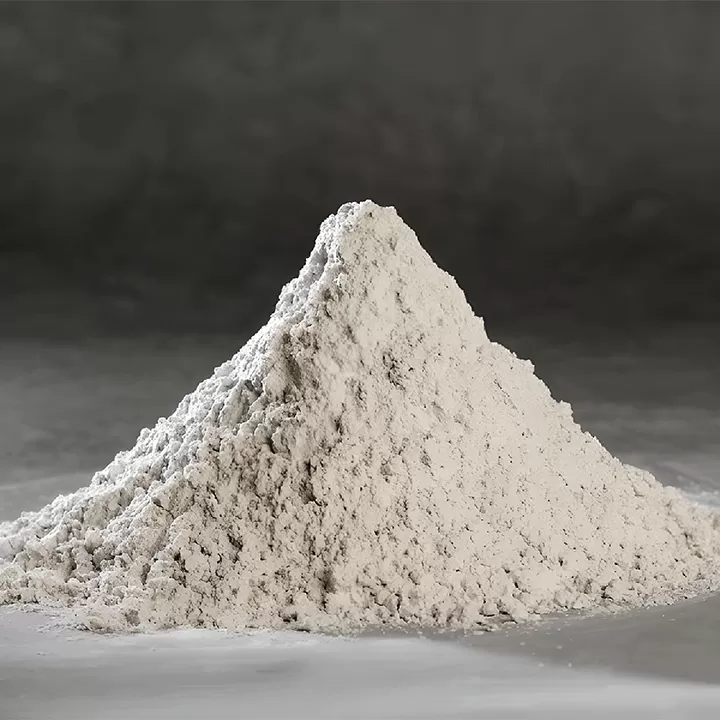
Micro silica concrete relies on silica fume, an ultra-fine powder with particles much smaller than cement. When mixed into concrete, it fills the gaps between cement grains. This action creates a denser matrix. The process reduces porosity and improves the bond between materials. It leads to concrete that is less permeable and more durable over time.
Micro silica reacts with calcium hydroxide during hydration. It forms additional calcium silicate hydrate, the main strength-giving compound. This reaction enhances both early and long-term properties. For projects using GGBS, micro silica complements the slower reactivity of slag. It ensures consistent performance from the start.
- Particle size: Typically less than 1 micron, much finer than cement.
- Pozzolanic activity: High reactivity with calcium hydroxide.
- Filler effect: Physically densifies the concrete microstructure.
This dual action makes micro silica concrete a preferred choice for high-performance applications. It works well alongside other materials like GGBS from suppliers such as Golden Fortune.
Key Benefits of Using Micro Silica in Concrete Mixes
Incorporating micro silica brings multiple advantages to concrete. These benefits address common challenges in construction, especially when combined with GGBS. First, it significantly increases compressive and flexural strength. Concrete gains early strength faster, which is useful for rapid construction schedules.
Second, durability improves dramatically. Micro silica concrete resists chemical attacks from chlorides, sulfates, and acids. This makes it ideal for marine structures, industrial floors, and wastewater plants. The reduced permeability means water and harmful ions cannot easily penetrate.
- Enhanced Strength: Achieves high early and ultimate strength, often exceeding 100 MPa.
- Superior Durability: Offers excellent resistance to corrosion, abrasion, and freeze-thaw cycles.
- Reduced Permeability: Creates a nearly impermeable barrier, extending service life.
- Improved Bonding: Strengthens the interface with reinforcing steel, reducing corrosion risk.
These benefits make micro silica a cost-effective solution over the lifecycle of a structure. When sourced from reliable providers like Golden Fortune, quality is assured for global projects.
Synergy Between Micro Silica Concrete and GGBS/GGBFS
The combination of micro silica and GGBS (Ground Granulated Blast-furnace Slag) creates a powerful synergy in concrete. GGBS is known for its sustainability and long-term strength gain. However, it can sometimes slow early strength development. Micro silica concrete compensates for this by providing rapid pozzolanic reaction.
Together, they produce a dense, low-permeability matrix that excels in harsh environments. This blend is popular in international markets, especially in Europe and Asia, where GGBS is widely used. The micro silica fills voids, while GGBS contributes to long-term durability and reduced heat of hydration.
Key points of synergy include:
- Accelerated early strength when micro silica is added to GGBS mixes.
- Enhanced chloride resistance, critical for coastal infrastructure.
- Lower carbon footprint due to high cement replacement with GGBS and micro silica.
- Improved workability and finish when admixtures are properly balanced.
Suppliers like Golden Fortune support this integration by offering compatible materials. Their expertise helps optimize mixes for specific project needs.
Practical Applications of Micro Silica Concrete Worldwide
Micro silica concrete finds use in diverse construction sectors. Its properties make it suitable for demanding applications. In high-rise buildings, it provides the strength needed for slender columns and reduced structural sections. Bridges and highways benefit from its resistance to de-icing salts and heavy traffic.
Marine structures, such as ports and offshore platforms, rely on micro silica to combat saltwater corrosion. In industrial settings, floors and pavements withstand chemical spills and abrasion. The material is also used in precast elements for consistency and quality.
International projects often specify micro silica with GGBS to meet strict durability standards. For instance, in the Middle East, it helps concrete survive hot, saline conditions. In Scandinavia, it resists freeze-thaw damage. This global adoption underscores its versatility.
- Infrastructure: Bridges, tunnels, and dams for long-term durability.
- Commercial Buildings: High-strength floors and facades with improved aesthetics.
- Industrial Plants: Chemical-resistant floors and containment structures.
- Repair and Rehabilitation: Strengthening existing structures with overlay systems.
Using high-quality micro silica, like that from Golden Fortune, ensures these applications succeed.
Challenges and Best Practices for Micro Silica Concrete
Working with micro silica concrete presents some challenges, but they can be managed with proper techniques. One issue is increased water demand due to the fine particles. This can lead to reduced workability if not addressed. Using superplasticizers is a common solution to maintain flow without excess water.
Another concern is the potential for rapid setting or sticky mix, especially in hot climates. Careful batching and mixing sequences help overcome this. It is also important to control the dosage, typically between 5% to 10% by weight of cementitious material.
Best practices include:
- Thorough mix design trials to optimize proportions with GGBS and admixtures.
- Extended mixing times to ensure uniform dispersion of micro silica.
- Proper curing methods, such as wet curing or membranes, to prevent plastic shrinkage cracks.
- Quality control through testing for strength, permeability, and durability.
Adhering to these practices maximizes the benefits of micro silica concrete. Partnering with experienced suppliers like Golden Fortune provides access to technical support for successful implementation.
Frequently Asked Questions About Micro Silica Concrete
A1: Micro silica (silica fume) has ultra-fine particles, much smaller than fly ash or GGBS. This gives it higher pozzolanic activity and a stronger filler effect. While fly ash and GGBS improve long-term durability and sustainability, micro silica provides rapid strength gain and significantly reduced permeability. They are often used together in blends for synergistic benefits.
A2: It is versatile but best suited for projects requiring high performance. Common applications include marine structures, industrial floors, high-rise buildings, and infrastructure exposed to harsh conditions. For ordinary residential construction, it might be over-specified unless specific durability needs exist. Always consult a structural engineer for mix design recommendations.
A3: Micro silica can reduce workability due to its high surface area, often requiring water-reducing admixtures or superplasticizers. Proper mix design adjusts for this. Curing is critical; because the concrete densifies quickly, surface drying can cause plastic shrinkage cracks. Immediate curing after placement, using water sprays or membranes, is essential to maintain moisture for hydration.
A4: Initially, yes, due to the cost of micro silica and additional admixtures. However, the long-term savings from reduced maintenance, longer service life, and lower repair costs often justify the investment. When combined with GGBS, it can also reduce overall cement content, offsetting some expenses. Lifecycle cost analysis usually shows favorable economics for demanding applications.
A5: Ensure the micro silica meets international standards like ASTM C1240 or EN 13263. Check for consistent particle size and high silica content (over 85%). Consider the supplier's reputation, technical support, and ability to provide compatible materials with GGBS. Established brands like Golden Fortune offer reliable products and expertise for global projects, ensuring quality and performance.
In summary, micro silica concrete represents a significant leap in concrete technology, offering enhanced strength, durability, and sustainability. Its synergy with GGBS/GGBFS makes it a cornerstone of modern construction in the international arena. By addressing challenges through best practices and quality materials, engineers can build structures that stand the test of time. For those seeking reliable solutions, suppliers like Golden Fortune provide the expertise and products needed to harness the full potential of micro silica in concrete worldwide.