Portland cement remains the primary binder in most concrete construction, from foundations and pavements to precast elements and marine structures. However, specifying the right portland for concrete is not a one‑size‑fits‑all decision. The cement type, fineness, alkali content, and supplementary cementitious materials (SCMs) all influence workability, heat generation, shrinkage, and long‑term durability. Golden Fortune supplies ultrafine ground granulated blast furnace slag (GGBS) that, when combined with portland for concrete, reduces autogenous shrinkage and enhances chemical resistance. This article provides a practical guide for engineers and ready‑mix producers on cement selection, blend optimization, and field performance.
Key Properties of Portland Cement Affecting Concrete Performance
When evaluating a source of portland for concrete, five parameters dominate long‑term behavior.
1. Compound Composition (Bogue Phases)
C₃S (Tricalcium silicate): Responsible for early strength (7 days). Higher C₃S content increases heat of hydration, raising cracking risk in mass concrete.
C₂S (Dicalcium silicate): Provides later strength (28 days+) with lower heat. Preferred for massive pours.
C₃A (Tricalcium aluminate): Controls setting time and sulfate resistance. Cements with C₃A < 5% (Type V) resist sulfate attack; high C₃A (>8%) is avoided in marine or soil applications.
C₄AF (Tetracalcium aluminoferrite): Influences color and has minor effect on strength.
For general use, Type I (normal) or Type I/II (moderate sulfate resistance) is the most common portland for concrete in building construction. For pavements, Type II with moderate heat is selected.
2. Fineness (Blaine Specific Surface)
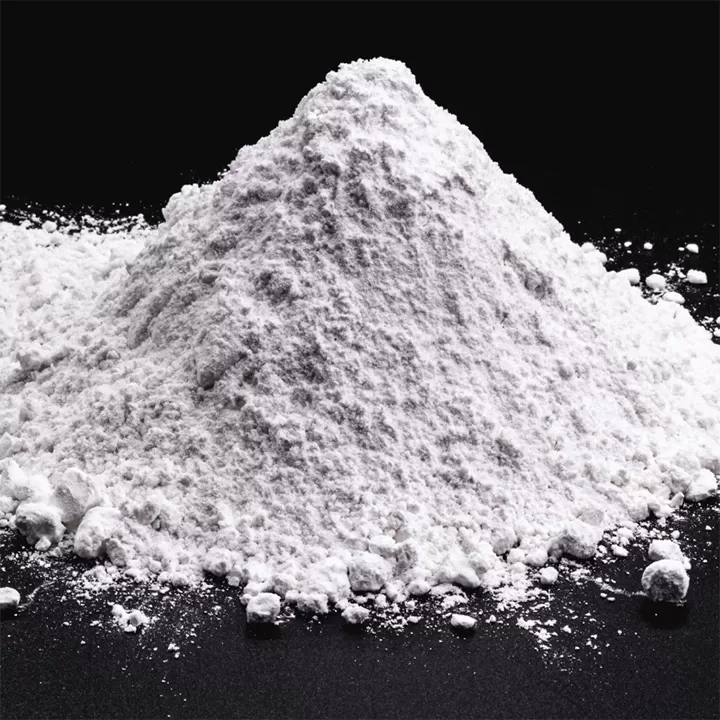
Typical portland cement fineness ranges from 300 to 500 m²/kg. Higher fineness increases early strength but also raises water demand and shrinkage. For massive elements, coarser cement (280–320 m²/kg) is preferred to limit cracking. When blending with ultrafine GGBS (650–700 m²/kg) from Golden Fortune, the overall particle packing improves without excessive heat.
3. Alkali Content (Na₂O equivalent)
High alkali cement (>0.8%) can trigger alkali‑silica reaction (ASR) with reactive aggregates. Specify low‑alkali cement (<0.6%) for such aggregates, or mitigate with slag or fly ash. Slag blends are particularly effective at binding alkalis.
4. Sulfate Resistance
For concrete exposed to soil or groundwater containing sulfates (e.g., western US, marine environments), use Type II (moderate) or Type V (high) portland for concrete, or replace 25–50% of portland with GGBS. Slag reduces permeability and consumes calcium hydroxide, preventing ettringite formation.
Pain Points with Unmodified Portland Cement in Concrete
Even high‑quality portland for concrete exhibits limitations that lead to premature deterioration in demanding service conditions.
Autogenous and drying shrinkage: Pure portland pastes shrink 500–800 microstrain within 90 days, causing cracking in restrained slabs, thin overlays, and repair mortars.
Heat of hydration: In mass foundations (>0.5 m thickness), temperature rise can exceed 70°C, leading to thermal cracking and delayed ettringite formation.
Low resistance to chemical attack: Portland concrete degrades in acids, sulfates, and chlorides (corrosion of rebar).
High carbon footprint: Portland cement production accounts for ~8% of global CO₂ emissions.
These issues are not solved by simply changing cement type; they require blended binders. Combining portland for concrete with 30–50% ultrafine GGBS addresses all four points.
Engineering Solutions: Optimizing Portland Cement with Ultrafine GGBS
Ground granulated blast furnace slag (GGBS) is a latent hydraulic material that reacts with calcium hydroxide from portland hydration to form additional C‑S‑H. The benefits of a portland‑slag blend include:
Reduced Shrinkage and Cracking
Slag‑blended concretes exhibit 20–40% lower drying shrinkage than plain portland mixes. The finer slag particles refine pore structure, reducing capillary tension. For applications like warehouse floors or bridge decks, blending portland for concrete with 40% slag (by mass) cuts 90‑day shrinkage from 780 µε to 450 µε, minimizing joint spacing and curl.
Lower Heat of Hydration
Slag hydration releases approximately 30% less heat per kilogram than portland cement. For a 50% slag replacement, the adiabatic temperature rise in a 1‑meter thick wall drops by 15–20°C, reducing the risk of thermal cracking. This makes slag‑modified portland for concrete ideal for mass foundations, dams, and large raft slabs.
Enhanced Durability in Aggressive Environments
Sulfate resistance: Slag binds calcium hydroxide, preventing gypsum and ettringite formation. A 50% slag blend performs equivalently to Type V portland in sulfate soils.
Chloride penetration: The denser pore structure reduces chloride diffusion coefficients by 70‑80%, protecting reinforcing steel from corrosion.
Alkali‑silica reaction (ASR): Slag consumes alkalis and reduces pH, suppressing ASR expansion even with reactive aggregates.
Improved Long‑Term Strength
While 7‑day strength of slag blends may be slightly lower than pure portland, 28‑day and 90‑day strengths often exceed those of plain portland due to continued pozzolanic reaction. For high‑performance concrete in structures requiring 50‑year service life, portland‑slag blends provide superior strength gain.
Application Scenarios for Optimized Portland for Concrete
Different project types require specific blends of portland for concrete and slag. The table below offers guidance.
| Application | Portland Cement Type | Recommended Slag Replacement | Key Benefit |
|---|---|---|---|
| Industrial floors / slabs‑on‑grade | Type I/II | 40% | Reduced curling and cracking |
| Marine structures (piers, seawalls) | Type II (moderate sulfate) | 50% | Chloride + sulfate resistance |
| Mass concrete (dams, large footings) | Type II (low heat) or Type IV | 50–70% | Lower temperature rise |
| Pavements (highway, airport) | Type I/II | 30% | Freeze‑thaw durability with air entrainment |
| Precast elements (pipes, blocks) | Type III (high early) | 20% + accelerator | Improved surface finish and reduced efflorescence |
For each case, the portland for concrete should meet ASTM C150 or EN 197 standards, while slag should comply with ASTM C989 Grade 100 or higher. Golden Fortune supplies ultrafine GGBS exceeding Grade 120, enabling higher replacement levels without delaying setting.
Mix Design and Field Practices for Portland‑Slag Concrete
To achieve the predicted performance of a blended binder system, follow these operational guidelines.
Water‑to‑Binder Ratio and Workability
Slag increases water demand slightly (2–5%). Maintain w/b between 0.40 and 0.50 for structural concrete. Use a high‑range water reducer (HRWR) to keep slump within 150–200 mm. The finer slag particles improve cohesiveness, reducing bleeding and segregation.
Setting Time and Curing
Slag blends have longer initial and final set times (by 30–60 minutes at 20°C). In cold weather, use accelerating admixtures or reduce slag proportion to 25%. Extended moist curing (7–14 days) is recommended to develop the pozzolanic bond. For portland for concrete with 40% slag, the 14‑day strength reaches 85% of 28‑day, so early formwork removal may be delayed.
Air Entrainment for Freeze‑Thaw
Slag reduces the amount of air entraining admixture (AEA) required to achieve a given air content. Conduct trial batches to determine AEA dosage; target 5–7% air for moderate exposure, 6–8% for severe freeze‑thaw.
Color and Aesthetics
Slag‑blended concrete produces a lighter, more uniform color (pale gray) compared to portland’s dark gray. For architectural finishes, this can be an advantage. However, efflorescence is significantly reduced due to lower calcium hydroxide content.
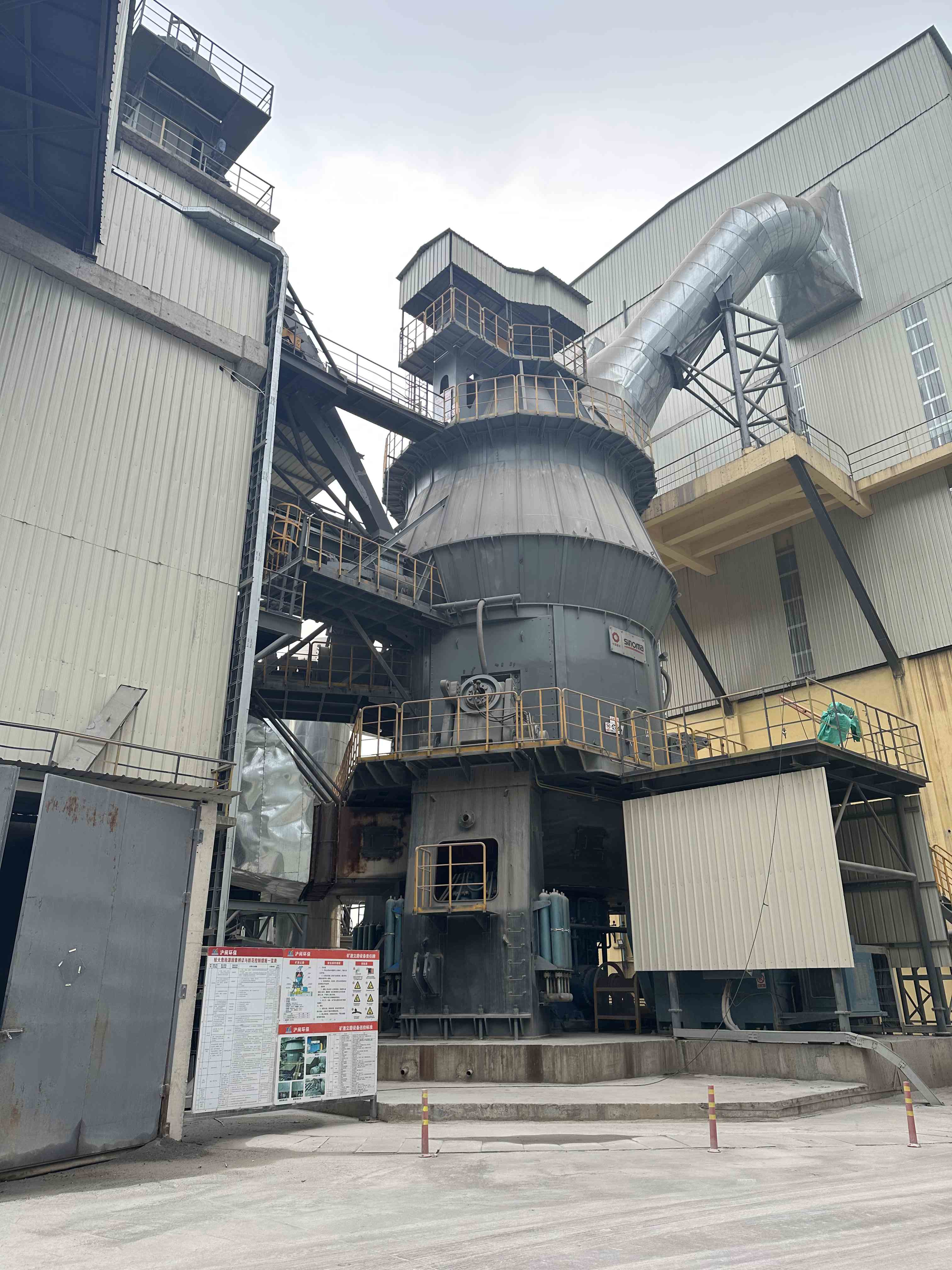
Why Partner with Golden Fortune for Your Cement Optimization?
Selecting the right SCM is as important as choosing the base portland for concrete. Golden Fortune produces ultrafine GGBS with a Blaine fineness of 650–700 m²/kg – significantly finer than standard slag (400–450 m²/kg). This high reactivity enables:
Up to 50% replacement of portland cement without sacrificing 7‑day strength.
Improved packing density, reducing paste volume and shrinkage.
Consistent chemistry (CaO 38–42%, SiO₂ 32–36%, Al₂O₃ 12–16%) certified per ASTM C989 and EN 15167.
Our technical team provides mix design optimization and trial batch support to integrate our slag into your existing concrete production.
Frequently Asked Questions (FAQs) on Portland for Concrete Blending
Q1: What is the maximum amount of slag I can substitute for portland cement in structural concrete?
A1: With standard GGBS (Grade 100), maximum recommended replacement is 40% for general use and 50% for mass concrete. With ultrafine GGBS from Golden Fortune, replacement up to 60% is achievable for non‑reinforced mass elements, provided adequate curing. However, for cold weather concreting, limit replacement to 25% to avoid delayed setting.
Q2: Does blending slag with portland for concrete reduce the concrete's carbon footprint?
A2: Yes, significantly. For every 10% of portland replaced by slag, CO₂ emissions decrease by approximately 8–10% (since slag is a by‑product with negligible carbon burden). A 50% slag blend reduces the carbon footprint of the binder by ~45%. Many green building certifications (LEED, BREEAM) award points for such blends.
Q3: Can I use portland‑slag concrete for precast elements requiring early strength?
A3: Yes, with modifications. Replace only 15–20% of portland for concrete with ultrafine slag and add a non‑chloride accelerator (e.g., calcium nitrate) to achieve 16‑MPa demolding strength in 12 hours. Alternatively, use Type III high‑early cement with 10% slag. Always trial cast first.
Q4: How does slag affect the resistance to alkali‑silica reaction (ASR)?
A4: Very positively. Slag reduces the pore solution alkalinity by binding alkalis and diluting portland's alkali content. A 30% slag replacement can suppress ASR expansion below 0.10% at 1 year per ASTM C1567, even with highly reactive aggregates. For severe ASR potential, use 40–50% slag with low‑alkali portland.
Q5: What is the ideal curing regime for concrete containing portland and slag?
A5: Slag blends require moist curing for at least 7 days (preferably 14 days) to develop surface durability and minimize plastic shrinkage cracking. Use wet burlap, curing compound (water‑based), or fogging. Do not allow the surface to dry within the first 72 hours. For hot weather, consider ponding or continuous sprinkling.
Ready to Upgrade Your Concrete Specifications?
Replacing a portion of portland for concrete with high‑performance GGBS improves shrinkage resistance, durability, and sustainability without compromising strength. Golden Fortune offers ultrafine slag with technical datasheets, mix design calculators, and on‑site support. Whether you operate a ready‑mix plant or a precast facility, our team can help you transition to optimized binary blends.
Submit your inquiry now: https://www.ultrafineggbs.com/contact – Provide your project requirements (cement type, aggregate source, exposure class, target shrinkage limit). We will respond with a tailored blend proposal and free sample of ultrafine GGBS for testing.