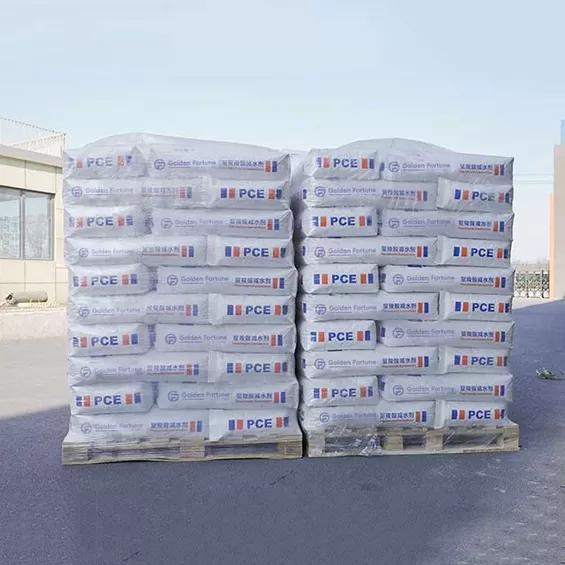
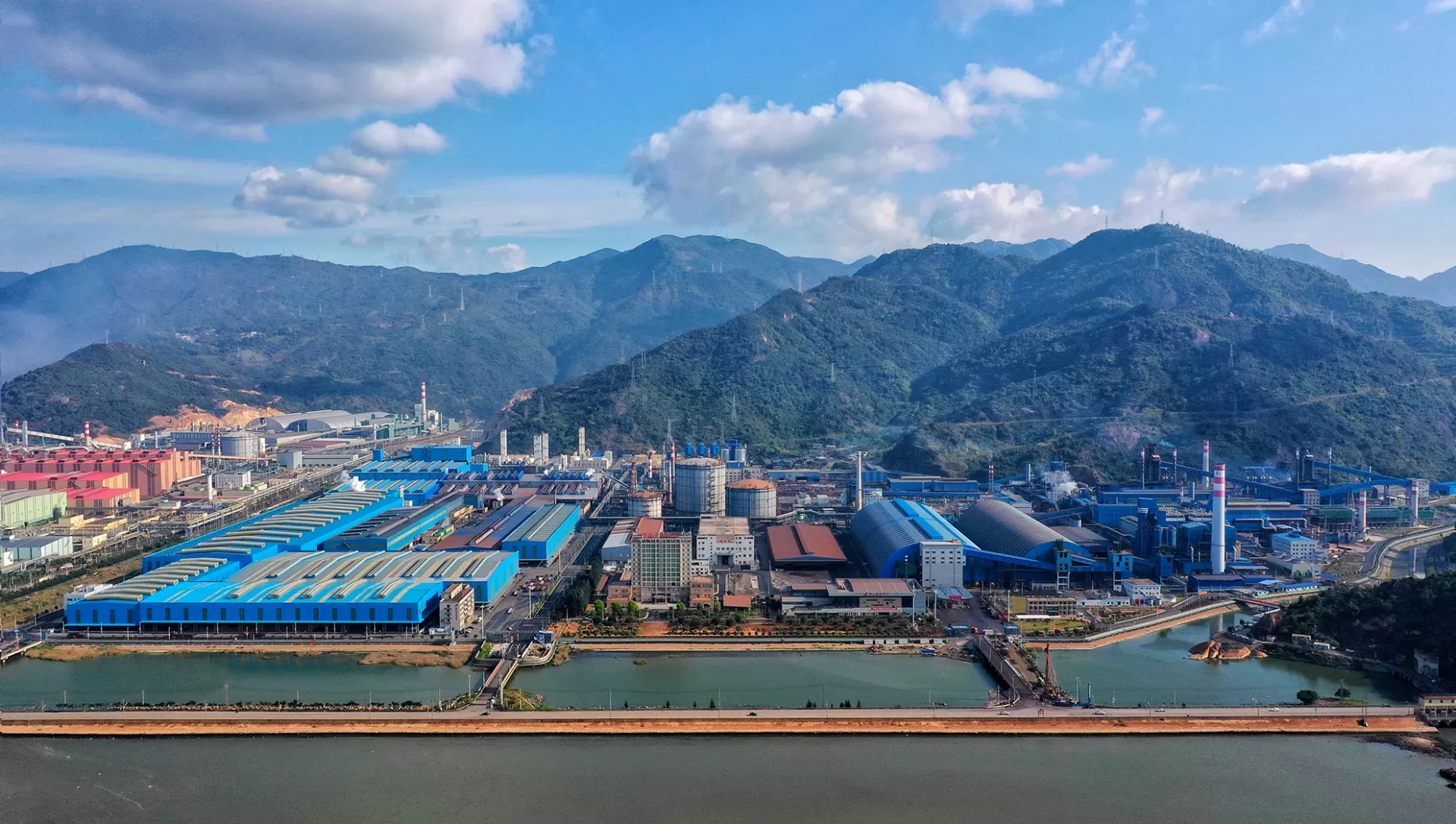
The selection of cementitious materials determines not only the mechanical properties of concrete but also its long‑term durability and environmental footprint. With the growing demand for sustainable infrastructure, engineers must evaluate these materials beyond simple compressive strength. This article examines five critical performance indicators and explains how modern supplementary cementitious materials (SCMs), particularly ground granulated blast furnace slag (GGBS), address the industry’s most persistent challenges.

1. Hydration kinetics and heat management
The rate at which cementitious materials hydrate directly influences setting time, early strength, and thermal cracking risk. Ordinary Portland cement (OPC) releases substantial heat within the first 72 hours, which can cause differential stresses in mass concrete. Replacing 40–60 % of OPC with GGBS, a latent hydraulic cementitious material, reduces the peak temperature by up to 40 % because its reaction is delayed and spread over a longer period.
1.1 Isothermal calorimetry data
Tests conducted according to ASTM C1702 show that a blend with 50 % GGBS has a cumulative heat release at 7 days roughly 30 % lower than that of pure OPC. This moderation is particularly beneficial for thick foundation slabs and dam constructions where thermal gradients must stay below 20 °C.
1.2 Implications for cold‑weather concreting
While slower hydration can be a drawback in cold climates, the use of finely ground GGBS—such as the ultrafine product from Golden Fortune—combined with an appropriate accelerator ensures that 24‑hour strengths remain above 10 MPa, even at 5 °C ambient temperature.
2. Pore structure refinement and durability
The durability of concrete is largely governed by its pore network. Supplementary cementitious materials like GGBS and silica fume react with calcium hydroxide to form additional C‑S‑H gel, which fills capillary pores. Mercury intrusion porosimetry reveals that a 50 % GGBS blend reduces the volume of pores larger than 50 nm by more than half after 90 days of curing.
2.1 Resistance to chloride ingress
Chloride‑induced corrosion is the leading cause of premature deterioration in marine and de‑icing salt environments. Rapid chloride migration tests (NT BUILD 492) demonstrate that concrete made with 60 % GGBS exhibits a chloride diffusion coefficient below 2 × 10⁻¹² m²/s, compared to 10–12 × 10⁻¹² m²/s for plain OPC. This translates to a service life extension from 50 to over 100 years for bridge decks.
2.2 Sulfate and acid attack
Because GGBS dilutes the aluminate phases and produces a denser microstructure, it outperforms sulfate‑resistant Portland cement in Class 3 and Class 5 sulfate exposures (ASTM C1012 expansion < 0.03 % at 6 months).
3. Workability and rheology
Modern construction demands cementitious materials that facilitate pumping and placement without excessive water or admixture doses. The smooth, glassy surface of GGBS particles improves the packing density and reduces interparticle friction. In self‑consolidating concrete (SCC), replacing 35 % of cement with GGBS can lower the required superplasticiser dosage by 15–20 % while maintaining slump flow > 650 mm.
3.1 Slump retention over time
Field trials in warm climates (30 °C) show that a C40/50 mix with 50 % GGBS retains 180 mm slump for 90 minutes, whereas an OPC‑only mix drops to 100 mm within 60 minutes. This extended workability window reduces the risk of cold joints and allows central‑mixed supply over longer distances.
4. Environmental product declarations and carbon footprint
Regulatory pressure and green building certifications (LEED, BREEAM, Infrastructure Sustainability) now require verified environmental data for all cementitious materials. A typical CEM I 42.5 N has an embodied carbon (A1–A3) of approximately 860 kg CO₂/tonne. By contrast, GGBS produced to EN 15167‑1 carries a burden of only about 50 kg CO₂/tonne (attributed, post‑industrial allocation). When used at 50 % replacement, the global warming potential of the binder drops by nearly 45 %.
4.1 Certified low‑carbon concrete
Concrete plants that incorporate Golden Fortune GGBS into their mixes regularly achieve a cradle‑to‑gate carbon footprint below 150 kg CO₂/m³ for a C30/37 concrete, meeting the criteria for “exemplary performance” credits in materials categories.
5. Consistency and quality assurance
Variability in cementitious materials can lead to non‑compliance on site and disputes. Reputable suppliers like Golden Fortune provide GGBS with tightly controlled fineness (800–900 m²/kg Blaine) and a strength activity index > 105 % at 28 days (EN 196‑1). This consistency allows ready‑mix producers to optimise their mix designs with confidence, reducing the coefficient of variation for compressive strength from 12 % to under 7 %.
5.1 Traceability and mill certificates
Every delivery of Golden Fortune GGBS includes a mill certificate reporting chemical composition (CaO, SiO₂, Al₂O₃, MgO, S), fineness, and reactivity. This documentation is essential for quality control and for meeting project specifications that require third‑party verification.
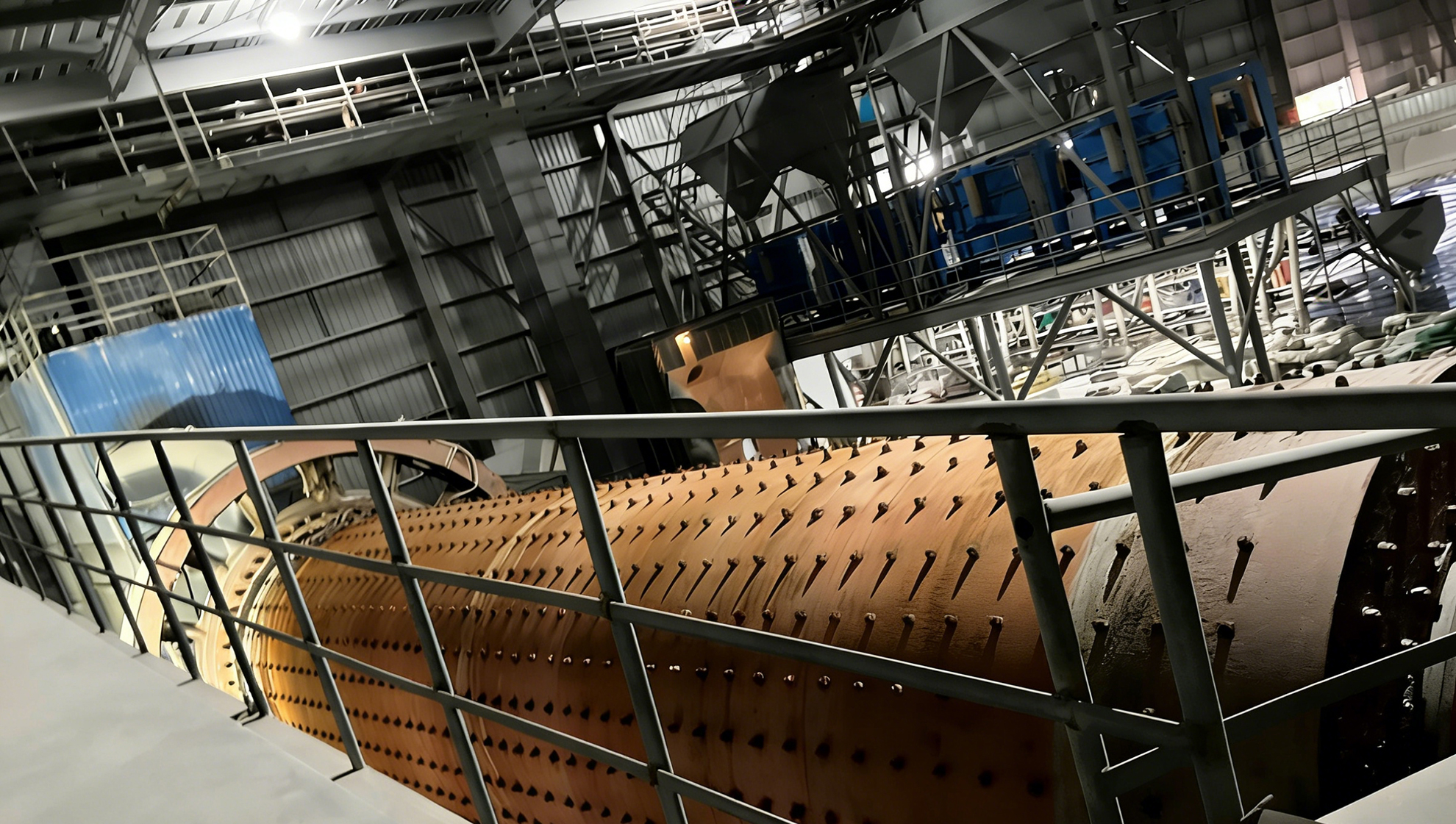
Application case: high‑rise construction in Southeast Asia
A 60‑storey tower in Bangkok used a high‑strength concrete (C60/75) with 40 % GGBS supplied by Golden Fortune. The mix achieved 28‑day strengths exceeding 85 MPa while maintaining a slump of 220 mm after 90 minutes. Pumping to 250 m height was accomplished without line pressure issues. More importantly, the adiabatic temperature rise in the thick transfer plates remained below 22 °C, preventing any thermal cracks.
Future trends in cementitious materials
The cement industry is moving toward ternary blends and composite cements (EN 197‑5, ASTM C595‑23) that combine Portland clinker with GGBS, limestone, and calcined clays. These blends offer even lower carbon footprints while maintaining synergy between different cementitious materials. However, the key to successful adoption remains the same: rigorous testing, proper curing, and reliable supply chains.
Frequently Asked Questions
Q1: What exactly are cementitious materials?
A1: Cementitious materials are substances that, when mixed with water, bind aggregates together to form concrete. They include Portland cement, ground granulated blast furnace slag (GGBS), fly ash, silica fume, limestone fines, and natural pozzolans. They can be hydraulic (set and harden by reaction with water) or pozzolanic (require a source of calcium hydroxide to form binder).
Q2: How does GGBS differ from Portland cement as a cementitious material?
A2: GGBS is a latent hydraulic cementitious material produced by quenching molten iron‑blast furnace slag and grinding it to a fine powder. Unlike Portland cement, which hydrates quickly and releases high heat, GGBS reacts more slowly, requires activation (usually by Portland cement or alkalis), and produces a denser, more durable concrete with lower embodied carbon.
Q3: Can I use GGBS as the only cementitious material in concrete?
A3: No, because GGBS is latent hydraulic—it needs an activator such as Portland cement, lime, or alkali salts to trigger the reaction. In practice, it is used at replacement levels of 20 % to 80 % by mass of total cementitious materials. For very high replacements (>70 %), an alkaline activator (e.g., sodium silicate) can be used to produce alkali‑activated binders.
Q4: What certifications should I look for when buying GGBS?
A4: Reputable GGBS should comply with EN 15167‑1 (Europe), ASTM C989 (USA), or JIS A 6206 (Japan). Golden Fortune supplies GGBS that meets Grade 120 of ASTM C989, with a strength activity index above 105 % at 28 days. Always request a mill certificate and, if possible, third‑party test reports.
Q5: How do cementitious materials with GGBS contribute to LEED points?
A5: Using GGBS reduces the clinker factor, lowering the global warming potential of concrete. In LEED v4.1, this contributes to “Building Product Disclosure and Optimization – Environmental Product Declarations” and “Sourcing of Raw Materials.” If the GGBS is sourced from within 100 miles, it may also contribute to “Local Materials” credits. A typical 50 % GGBS blend can help achieve up to 2 points in the Materials and Resources category.
Q6: Does the use of GGBS affect the colour of concrete?
A6: Yes, GGBS imparts a lighter, off‑white or bluish‑grey colour compared to the typical grey of Portland cement. This can be desirable for architectural finishes but may require adjustments if a consistent colour is needed throughout the project. It is advisable to conduct mock‑ups when colour is critical.
Q7: How should concrete with high‑volume GGBS be cured?
A7: Because the pozzolanic reaction of GGBS is more sensitive to moisture loss, extended curing is essential. A minimum of 7 days of moist curing (or the use of effective curing compounds) is recommended to ensure that the cementitious materials hydrate fully and develop the intended durability properties. Proper curing also prevents plastic shrinkage cracks.
Selecting the right cementitious materials is no longer just about strength—it is about balancing performance, carbon, and cost. With proven data and reliable partners like Golden Fortune, engineers can confidently design structures that meet the highest standards of durability and sustainability.