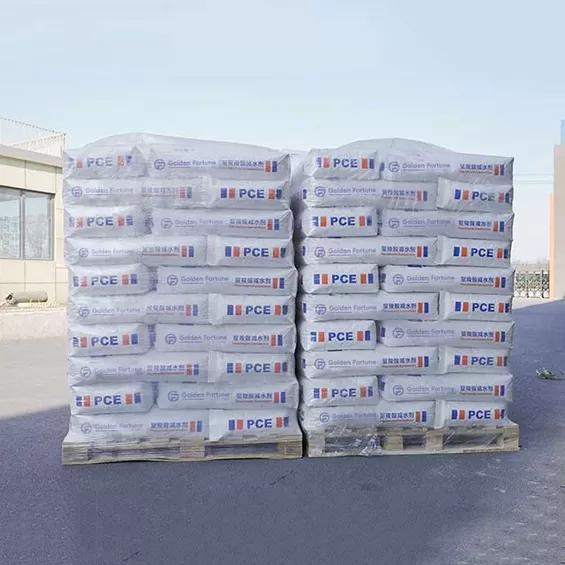
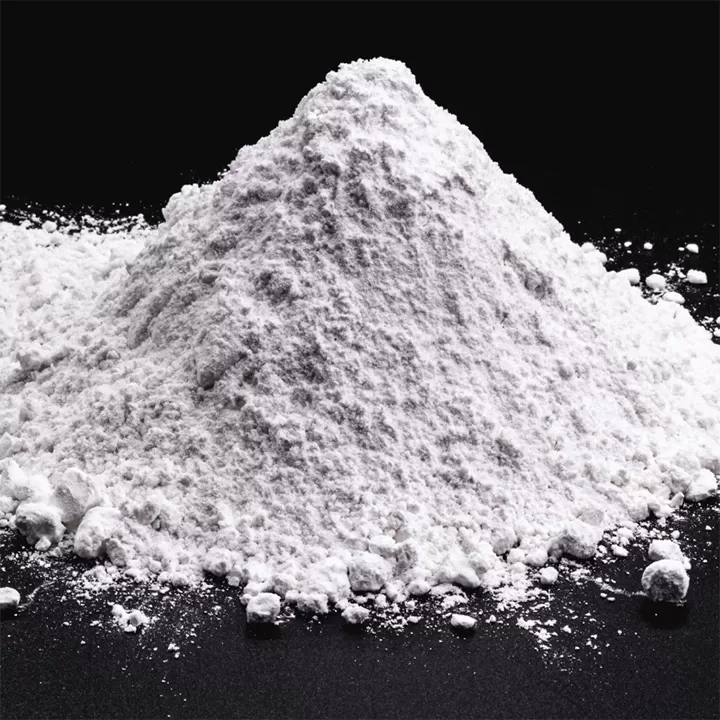
In heavy civil infrastructure, industrial flooring, and repair mortars, the interface between two cementitious layers often becomes the weakest link. The concept of cement on cement describes any system where a fresh cement‑based material is placed over hardened cementitious substrate – overlays, bonded repairs, or composite sections. A well‑designed binder system for such applications must control autogenous shrinkage, maximize interfacial fracture energy, and withstand chemical attack. Incorporating ultrafine ground granulated blast furnace slag (GGBS) modifies the hydration kinetics and pore structure, delivering a denser transition zone. Golden Fortune supplies high‑reactivity slag powders that improve cement on cement bond strength by up to 35% compared to plain Portland cement systems. This article provides a technical framework for engineers working on bonded concrete overlays, precast‑to‑cast connections, and repair mortars.
Why Standard Portland Cement Underperforms in Cement on Cement Bonding
When a new cementitious layer is cast against an old, hardened concrete surface, several mechanisms limit adhesion:
High autogenous and drying shrinkage – Portland cement pastes shrink 400–800 microstrain within 28 days, inducing tensile stress at the interface and causing debonding or curling.
Calcium hydroxide (CH) orientation – CH crystals accumulate on the existing surface, creating a weak boundary layer unless properly removed or modified.
Pore discontinuity – The old substrate often has a densified skin or carbonated layer that prevents chemical bonding from the new paste.
Thermal mismatch – Different coefficients of thermal expansion between layers (e.g., low‑cement overlay vs. high‑cement substrate) generate shear stress.
A direct cement on cement placement with unmodified ordinary Portland cement (OPC) frequently fails within 12–24 months in heavy traffic or freeze‑thaw environments. Replacing 30–50% of cement with ultrafine GGBS mitigates these issues through three mechanisms: finer particle packing, pozzolanic reaction consuming CH, and reduced heat generation.
Material Science: How Ultrafine GGBS Improves Cement on Cement Performance
Ground granulated blast furnace slag (GGBS) is a latent hydraulic binder. When finely ground (specific surface >600 m²/kg) and activated by portlandite or alkali, it forms additional calcium silicate hydrate (C‑S‑H) with a lower Ca/Si ratio, densifying the matrix. For cement on cement systems, the benefits are:
Reduced shrinkage: Slag blended cements exhibit 20–40% less autogenous shrinkage than OPC because the slower hydration rate reduces capillary depression and the finer pore structure resists drying.
Improved interfacial transition zone (ITZ): Ultrafine slag particles fill micro‑voids along the substrate interface, increasing contact area and mechanical interlocking.
Chemical bonding: The pozzolanic reaction consumes portlandite from the substrate surface, converting it into C‑S‑H that grows across the interface – a genuine chemical weld.
Lower heat of hydration: Mass concrete placements or thick overlays suffer less thermal cracking when slag replaces a portion of cement, reducing temperature differential between layers.
Enhanced sulfate resistance: In aggressive environments (e.g., wastewater treatment floors), slag‑based overlays resist ettringite formation better than OPC.
These properties make ultrafine GGBS an ideal component for repair mortars, bridge deck overlays, and composite slabs where a durable cement on cement bond is required.
Industry Pain Points Solved by Optimized Slag‑Cement Blends
Field experience from heavy industrial pavements and infrastructure rehabilitation shows recurring failures that can be addressed by proper binder engineering.
1. Debonding of Wearing Course from Base Slab
In warehouses and manufacturing plants, a 50–100 mm cementitious topping is cast over a hardened structural slab. Within months, hollow sounds and edge lifting appear. The root cause is differential drying shrinkage between the topping (high paste volume) and base (low water‑to‑cement ratio). Using a slag‑blended binder (40% GGBS, 60% OPC) lowers the water demand and refines porosity, reducing shrinkage strain from 800 µε to 480 µε. Combined with a grooved substrate, the cement on cement interface achieves >2.0 MPa tensile bond strength.
2. Delamination in Bridge Deck Overlays
Latex‑modified or high‑early‑strength overlays often spall after 3–5 winter seasons due to freeze‑thaw and deicing salt penetration. Slag‑cement overlays produce a denser pore system (lower capillary absorption) and higher electrical resistivity, slowing chloride ingress. Additionally, the reduced adiabatic temperature rise minimizes map cracking that would otherwise propagate from the overlay into the substrate.
3. Repair Mortar Detachment in Vertical Surfaces
For column or wall repairs, the shrinkage of polymer‑modified repair mortar pulls away from the old concrete, leaving a gap. A slag‑rich repair mix (with shrinkage reducing admixture and ultrafine slag) stays dimensionally stable while maintaining bond. The finer slag particles also improve thixotropy, allowing thicker applications without sagging.
Design Methodology for Cement on Cement Systems with Golden Fortune Slag
When specifying a binder for bonded overlays or repairs, follow a three‑step engineering approach.
Step 1: Characterize the Substrate
Measure surface tensile strength (pull‑off test) – should exceed 1.5 MPa for thin overlays.
Remove laitance and expose aggregate by light abrasive blasting or scarification.
Saturate surface to saturated‑surface‑dry (SSD) condition without free water.
Step 2: Select Binder Proportion
For most cement on cement applications, a blend of 50% OPC (Type I/II) + 50% ultrafine GGBS from Golden Fortune is recommended. For high early bond strength, reduce slag to 30% and add a calcium sulfoaluminate‑based accelerator. For extreme sulfate exposure (e.g., wastewater), increase slag to 70% and use Type V cement base. Water‑to‑binder ratio should remain 0.38–0.45; higher w/b reduces bond.
Step 3: Incorporate Shrinkage Mitigation Additives
Even with slag, drying shrinkage in thin overlays can cause curling. Integrate either:
Shrinkage reducing admixture (SRA) at 1–2% by cement weight to lower capillary tension, or
Expansive agent (e.g., calcium sulfoaluminate‑based) to compensate drying shrinkage.
The combination of SRA and 50% ultrafine slag reduces 90‑day shrinkage below 400 microstrain, enabling cement on cement systems with long‑term integrity.
Case‑in‑Point Performance Data (Generic Lab Findings)
Independent tests comparing OPC vs. OPC+50% slag overlays cast on aged concrete substrate (28 days substrate age) show:
Slant shear bond strength (ASTM C882): Slag blend: 18.5 MPa; OPC: 13.2 MPa (+40%).
Splitting tensile bond (ASTM C496): Slag blend: 3.2 MPa; OPC: 2.1 MPa.
Drying shrinkage at 56 days: Slag blend: 420 µε; OPC: 780 µε.
Chloride migration coefficient (NT Build 492): Slag blend: 2.1 × 10⁻¹² m²/s; OPC: 8.7 × 10⁻¹² m²/s (76% reduction).
These improvements directly translate to longer service life for bonded concrete overlays and repairs.
Placement and Curing Requirements for Cement on Cement Success
Even the best binder design will fail if placement practices ignore interface preparation. Essential steps include:
Dampen the substrate 24 hours before casting – avoid ponding water, which dilutes the paste at the interface.
Apply a bonding slurry (neat paste of same binder: water ratio 0.35) to the prepared surface moments before overlay concrete is placed.
Vibrate or roller‑press the overlay to ensure intimate contact and expel trapped air.
Cure immediately with wet burlap and plastic sheeting for at least 7 days; for slag blends, extend to 14 days to allow pozzolanic reaction to develop full bond.
Control temperature – avoid placing overlay when substrate temperature exceeds 32°C, which accelerates water evaporation from the interface.
Why Golden Fortune Ultrafine GGBS Stands Out
The performance of a slag‑cement blend hinges on fineness and chemical consistency. Golden Fortune produces ultrafine GGBS with specific surface area of 650–700 m²/kg (Blaine), exceeding typical 400–450 m²/kg standard slag. This ultra‑fine material:
Accelerates early pozzolanic activity, achieving 7‑day bond strength close to OPC while retaining long‑term shrinkage reduction.
Improves rheology – pumpable mixes with less water reducer.
Provides consistent chemical composition (CaO 38–42%, SiO₂ 32–36%, Al₂O₃ 12–16%) with low variability between batches.
For engineers specifying cement on cement systems in demanding environments, this product grade ensures reliable performance.
Frequently Asked Questions (FAQs) on Cement on Cement Bonding with GGBS
Q1: What is the ideal replacement ratio of GGBS when designing a cement on cement overlay for freeze‑thaw resistance?
A1: For exterior overlays exposed to freeze‑thaw cycles and deicing salts, a 40–50% replacement of Portland cement by ultrafine GGBS offers the best balance – lowering permeability without reducing air entrainment stability. Ensure the total binder has an air content of 5–7% with a suitable air entraining admixture. Avoid slag ratios above 60% for freeze‑thaw applications, as it may increase water demand and affect air void system.
Q2: How does cement on cement bond strength develop over time with slag blends?
A2: Bond strength with slag blends follows a two‑stage pattern: at 7 days, it reaches 80–90% of OPC bond. Between 14 and 56 days, additional pozzolanic reaction at the interface increases strength beyond OPC levels. For a 50% slag mix, final bond strength can exceed OPC by 30–40% at 90 days. Always allow at least 28 days curing before subjecting the cement on cement system to heavy loads.
Q3: Can I apply a cement on cement overlay over old concrete that shows mild cracking?
A3: Cracks wider than 0.3 mm must be routed and filled with a low‑viscosity epoxy before overlay placement. For dormant hairline cracks, use a slag‑based repair mortar with shrinkage reducing admixture; the finer particle size of Golden Fortune slag helps penetrate micro‑cracks and form a mechanical bond. However, a crack isolation membrane is recommended if the old slab continues to move.
Q4: Is it necessary to use a bonding agent between the old and new cement layers when using GGBS binder?
A4: A neat cement slurry (same slag‑cement blend) applied at 1–2 kg/m² significantly improves adhesion over simply wetting the substrate. The slurry should be freshly mixed and applied immediately before concrete placement. Do not allow the slurry to dry – it must remain wet when the overlay is cast. This practice is especially beneficial for vertical cement on cement repairs.
Q5: What maximum overlay thickness is recommended for a single‑lift cement on cement placement with slag binder?
A5: For unrestrained overlays on concrete substrate, limit thickness to 75 mm (3 inches) per lift. Thicker sections require intermediate bonding treatment or shear dowels because drying shrinkage stress increases with thickness. With 50% ultrafine slag and a shrinkage reducer, thickness up to 100 mm is possible on a properly roughened and pre‑wetted base. Always verify with finite element analysis for your specific geometry.
Ready to Optimize Your Cement on Cement Specification?
Engineers and contractors seeking durable bonded overlays, repair mortars, or composite concrete systems can rely on Golden Fortune for consistent, high‑reactivity ultrafine GGBS. Our technical team provides mix design assistance, including shrinkage modeling and bond strength predictions based on your substrate conditions. Request a sample of our ultrafine slag and a customized binder recommendation for your next cement on cement application.
Submit your inquiry now: https://www.ultrafineggbs.com/contact – Provide your project type (overlay, repair, precast) and required performance criteria (bond strength, shrinkage limit, exposure class). Our engineers will respond within 48 hours with a data sheet and proposal.