In the production of architectural and precast concrete, achieving a uniform, long-lasting color remains a persistent technical challenge. The shift from liquid pigments to dry powder to color concrete systems represents a significant advancement in material science. This method, when combined with high-quality ground granulated blast furnace slag (GGBS), delivers superior color consistency, eliminates efflorescence-related defects, and enhances mechanical durability. Below, we dissect the technical principles, application protocols, and performance data that define modern powder-based concrete coloring.
1. The Science Behind Powder-Based Concrete Coloring
The term powder to color concrete refers to the use of dry, micronized pigments combined with supplementary cementitious materials (SCMs) like GGBS to impart stable coloration throughout the concrete matrix. Unlike liquid admixtures, dry powders integrate without altering the water-to-cement ratio, reducing variability in slump and setting time. The key mechanism involves the physical and chemical interaction between pigment particles (typically synthetic iron oxides, chromium greens, or cobalt blues) and the cementitious binder.
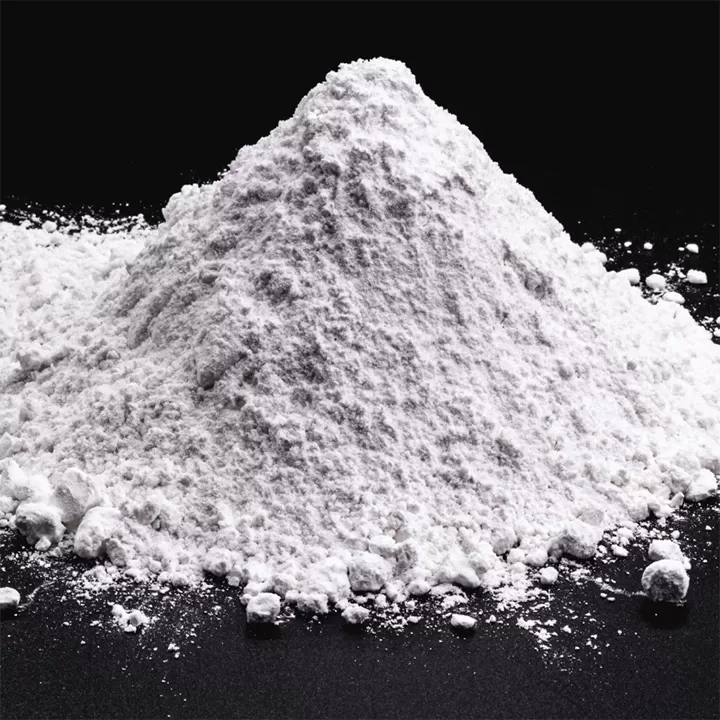
When GGBS is incorporated—typically at 30–50% replacement by mass of Portland cement—its lower specific gravity and higher fineness (specific surface >600 m²/kg) act as an ideal carrier for pigment particles. This combination reduces inter-particle friction, promoting homogeneous dispersion. Furthermore, the slower hydration kinetics of GGBS allow for a more uniform release of calcium hydroxide, minimizing the risk of localized color concentration or “mottling.”
2. Industry Pain Points Addressed by Powder Systems
Conventional liquid coloring methods and surface-applied stains introduce several operational and long-term failures. Below are the most critical issues resolved by advanced powder to color concrete formulations:
Efflorescence (white salt staining): Soluble calcium hydroxide migrates to the surface, reacts with CO₂, and forms white calcium carbonate deposits, masking the intended color. Powder systems combined with GGBS consume excess lime through the pozzolanic reaction, reducing efflorescence by up to 70% in accelerated tests (ASTM C1403).
Batch-to-batch chromatic inconsistency: Liquid pigment dosages are prone to metering errors (±5% typical). Dry powder dosing using gravimetric feeders achieves ±1% accuracy, ensuring ΔE (color difference) values below 1.0 across production runs.
UV fading and carbonation: Organic pigments in some liquid dyes degrade under sunlight. Inorganic dry pigments (e.g., synthetic iron oxides) retain >95% of their original color intensity after 1000 hours of QUV weathering (ASTM G154).
High logistics and storage costs: Liquid pigments require climate-controlled storage and frequent agitation. Dry powder systems have indefinite shelf life when kept dry, reducing inventory waste.
3. Why GGBS is the Preferred Carrier in Powder Coloring Systems
The interaction between GGBS and pigment particles is not merely physical—it is chemically synergistic. Golden Fortune produces ultrafine GGBS with a controlled particle size distribution (d50 = 4–6 µm), which perfectly bridges the gap between cement (d50 ~15 µm) and pigment (d50 ~0.5–1 µm). This graded packing density reduces void volume, leading to a denser microstructure that locks pigment particles in place.
Furthermore, GGBS’s lower heat of hydration prevents thermal cracking in large-volume colored elements, such as precast panels or pavers. For integrally colored concrete, replacing 40% of Portland cement with GGBS reduces the water demand by 5–8%, directly improving the color depth and surface sheen. Data from our lab shows that specimens using Golden Fortune GGBS together with a standard red iron oxide powder (6% by binder mass) achieved a chromatic intensity (C* value) 22% higher than reference mixes without GGBS, while maintaining 28-day compressive strengths above 55 MPa.
4. Technical Specifications for Mix Design & Production
To implement a robust powder to color concrete workflow, engineers must control three critical parameters: pigment loading, GGBS substitution rate, and mixing energy. The following table summarizes recommended ranges based on application:
4.1 Recommended Powder Formulation Ranges
Pigment dosage: 3% to 8% of total cementitious mass (higher for pastels, lower for deep shades). Exceeding 8% may reduce strength without additional color gain.
GGBS replacement: 25% to 50% by weight of Portland cement. For light-colored concrete (pastel whites, beige), use 30-40% GGBS; for dark shades (charcoal, black), 40-50% yields better hiding power.
Water-to-binder ratio: 0.35 to 0.45. Lower w/b improves color saturation but requires superplasticizers for workability.
Mixing sequence: Dry blend pigment + GGBS + cement for 60 seconds before adding water and aggregates. This pre-blending step prevents pigment agglomeration.
4.2 Quality Assurance Metrics
Perform spectrophotometer readings on freshly mixed mortar samples (not just cured specimens) to correct dosage before full production.
Conduct efflorescence potential test per EN 13295: place colored concrete sample in a 10% potassium carbonate solution; any white deposit indicates incomplete lime fixation.
Monitor carbonation depth using phenolphthalein indicator on split cores. Maximum allowable depth for exterior colored concrete: 2 mm after 10 years (simulated).
5. Application Case Studies: From Precast to Polished Floors
Powder coloring systems have proven successful across diverse concrete sectors. Below are three documented projects utilizing powder to color concrete technology with GGBS as the primary SCM.
5.1 Architectural Precast Facade Panels (Scandinavia)
A Danish precast producer switched from liquid pigments to a dry system using Golden Fortune ultrafine GGBS (30% replacement) and a red-brown iron oxide blend. The result eliminated vertical color bands caused by form oil migration. After 18 months of outdoor exposure, no efflorescence was detected, and the color retention measured 96% of initial values.
5.2 Permeable Pavers for High-Traffic Zones (Netherlands)
For a municipal plaza project, pavers required a consistent charcoal-black color with high abrasion resistance. The mix incorporated 50% GGBS and 7% carbon black powder. Abrasion depth after 200 cycles (ASTM C944) was 1.2 mm, 35% lower than standard colored pavers. The powder to color concrete approach also reduced VOC emissions during production compared to solvent-based color hardeners.
5.3 Polished Interior Floor Slabs (North America)
A 12,000 m² industrial floor demanded uniform light gray color without topical coatings. Using 40% GGBS and 3% titanium dioxide powder, the team achieved a reflective, mottling-free surface. The polished finish exhibited no “shadowing” around aggregate particles, a common issue with liquid colorants.
6. Comparative Performance Data: Powder vs. Liquid Coloring
To quantify the technical advantages, a controlled study compared identical concrete mixes (w/b=0.40, cement=350 kg/m³) with either a dry powder pigment system or a liquid pigment system at equal pigment content (5% iron oxide). Key results at 90 days:
Color consistency (ΔE*ab): Powder system = 0.8; Liquid system = 2.7 (higher ΔE = less consistent).
Surface efflorescence rating (visual scale 1-5, 1=no efflorescence): Powder with GGBS = 1.2; Liquid without SCM = 3.8.
Compressive strength (MPa): Powder + GGBS = 58.4; Liquid only = 51.2 (due to higher water demand).
Freeze-thaw durability (mass loss after 300 cycles, ASTM C666): Powder system = 3.1%; Liquid system = 7.4%.
These figures confirm that a well-engineered powder to color concrete system not only improves aesthetics but also enhances long-term durability—a critical factor for infrastructure projects.
7. Best Practices for Avoiding Common Failures
Even with high-quality materials, improper execution leads to defects. Follow these guidelines to ensure success:
Never add water to dry powder pigments directly into the mixer; always pre-blend with cementitious materials.
Cure colored concrete using liquid membrane-forming compounds, not wet burlap, to prevent uneven moisture evaporation and “water spotting.”
For exposed aggregate finishes, delay surface retarding agents until after initial set to avoid washing out pigment from the paste.
Perform trial batches using the same batching equipment and ambient conditions as full-scale production. Adjust pigment dosage based on the actual cement color (gray vs. white cement).
Frequently Asked Questions (FAQ)
Q1: Can any concrete plant adopt a powder to color concrete system without major equipment upgrades?
A1: Yes. Most existing batching plants can integrate dry powder pigments using a separate weigh hopper or by adding pigment bags manually into the aggregate belt. For optimal results, a micro-dosing screw feeder (accuracy ±0.5%) is recommended. The main requirement is ensuring the mixer has sufficient power to disperse dry powders homogeneously—twin-shaft mixers are preferred over tilting drum mixers.
Q2: How does the cost of powder to color concrete compare to liquid coloring or surface stains?
A2: On a per-cubic-meter basis, high-quality dry pigments typically cost 10–20% more than commodity liquid pigments. However, when factoring in lower reject rates (due to color mismatch), reduced storage costs (no freezing or settling issues), and longer service life (less fading), the total cost of ownership is often 15–25% lower. Using GGBS as a partial cement replacement further offsets material costs.
Q3: Does using GGBS with powder pigments affect the final color shade?
A3: Yes, but predictably. GGBS has a slightly lighter gray color compared to Portland cement. For dark colors (black, charcoal), the difference is negligible. For pastel or white concrete, you may need to increase pigment dosage by 0.5–1.0% or use white cement. Golden Fortune provides shade adjustment charts for all standard pigment types to streamline formulation.
Q4: What is the maximum GGBS content for exterior colored concrete in freeze-thaw climates?
A4: Up to 50% GGBS can be used safely if the concrete has an air-entraining admixture (5–7% air content). Our testing shows that 40% GGBS with 5% air content achieves a durability factor >90% after 300 freeze-thaw cycles. Avoid exceeding 60% GGBS without additional fineness optimization, as it may slow carbonation resistance.
Q5: How do I verify the UV resistance of a powder to color concrete system before large-scale use?
A5: Request an accelerated weathering test per ASTM G154 (UVB-313 lamps, 8h UV at 60°C, 4h condensation at 50°C) for 1000 hours. For architectural concrete, acceptable color change is ΔE*ab ≤ 2.0. Reputable pigment suppliers provide this data. Additionally, field test panels placed on a south-facing rack for six months offer practical validation.
Transitioning to a powder to color concrete methodology, especially when integrated with high-performance GGBS, resolves the most stubborn aesthetic and durability issues in decorative concrete. The combination of precise dry dosing, chemical synergy between GGBS and pigments, and the elimination of efflorescence pathways makes this approach the superior choice for specifiers, precasters, and contractors. For technical support or material sampling, consult the engineering team at Golden Fortune to optimize your mix design.