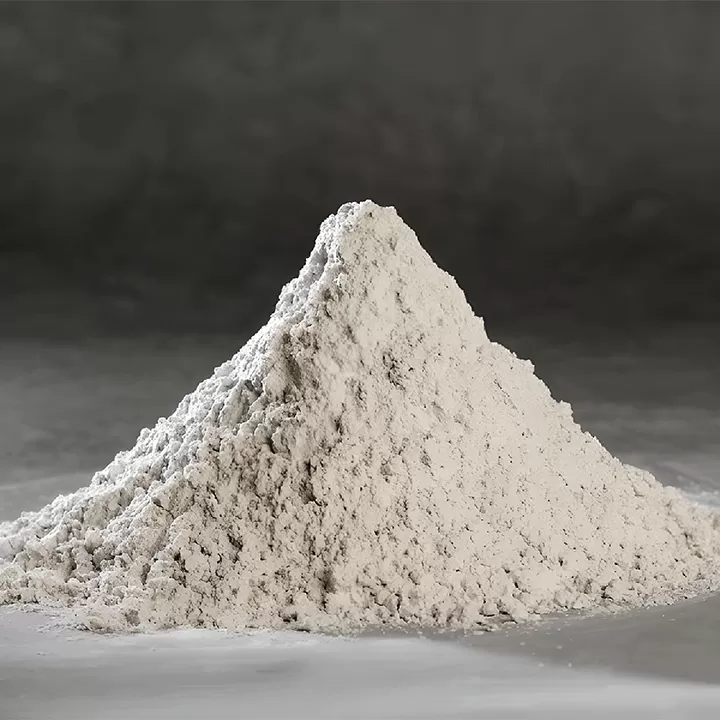
White portland cement is a specialized hydraulic binder that shares the same fundamental chemistry as ordinary gray portland cement but is distinguished by its pure white color. This aesthetic characteristic, combined with comparable mechanical performance, makes it the material of choice for architectural and decorative concrete applications worldwide. Unlike its gray counterpart, the manufacturing process of white portland cement demands exceptionally pure raw materials and stringent process control to minimize color-affecting elements, particularly iron and manganese. The result is a versatile building material that serves as the canvas for colored concrete, terrazzo, and exposed aggregate finishes, enabling designers and contractors to achieve vibrant, lasting visual effects. As a leading supplier in the sector, Golden Fortune provides consistent, high-quality white cement that meets the rigorous demands of modern construction.
1. What is White Portland Cement? A Technical Overview
To understand the unique position of white portland cement in the construction materials landscape, one must first appreciate its fundamental differences from standard gray cement. Both types are governed by the same standards (e.g., ASTM C150, EN 197-1) and share the four main clinker phases: alite (C3S), belite (C2S), aluminate (C3A), and ferrite (C4AF). The critical distinction lies in the ferrite phase. In gray cement, C4AF contains significant iron, giving it the characteristic gray hue. In white cement production, the iron content is drastically reduced—typically to less than 0.5% Fe₂O₃—and manganese oxide is also strictly controlled. The raw material mix shifts from common clay and iron ore to purer sources such as kaolin (china clay), limestone, and chalk. This selection of raw materials is the first and most crucial step in achieving the desired whiteness.
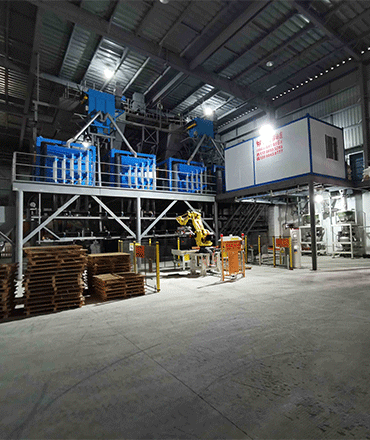
The manufacturing process itself is also adapted. To prevent contamination, white portland cement clinker is often fired in kilns lined with special refractory bricks, and fuels with low ash content, such as natural gas or oil, are used. After clinkering, a rapid cooling process in water (quenching) is employed to preserve the lighter color by preventing the reformation of colored crystals. The clinker is then interground with selected gypsum and sometimes other performance-enhancing additives. The whiteness of the final cement is measured using a colorimeter and expressed through CIE Lab values or a simple whiteness index. Premium white cements typically exhibit a whiteness index exceeding 85-90%. This meticulous attention to purity and processing ensures that the cement provides a neutral base that accurately reflects light and accepts pigments without dulling them.
2. Distinctive Properties of White Portland Cement
The value of white portland cement extends beyond its color. Its physical and chemical properties are engineered to meet high-performance standards in demanding applications.
2.1 Optical Properties: Whiteness and Light Reflectivity
The primary optical property is, of course, its whiteness, which contributes to high light reflectivity (albedo). This can be beneficial in urban heat island mitigation strategies and in creating brighter interior spaces. The consistent, neutral color also ensures that when pigments are added, the resulting hues are true and vibrant, without the dulling effect caused by the gray background in ordinary cement. This makes it indispensable for producing colored mortars, plasters, and concrete products where color fidelity is paramount.
2.2 Mechanical Properties: Strength Development and Setting Behavior
Contrary to a common misconception, the whiteness does not come at the expense of strength. White portland cement is available in standard strength classes, including 42.5 and 52.5 grades (according to EN 197-1). However, due to the different mineral composition and finer grinding often required to achieve high early strength, its setting time and strength development curve can differ slightly from gray cement. It typically exhibits high early strength, making it suitable for precast operations where rapid mold turnover is required. The hydration kinetics are carefully managed to ensure workability and finishability are not compromised.
2.3 Chemical Properties: Sulfate Resistance and Alkali Content
The chemical resistance of white cement is highly dependent on its tricalcium aluminate (C3A) content. While standard white cement may have moderate sulfate resistance, specialized formulations can be produced with lower C3A for applications exposed to sulfates in soil or water. Furthermore, the alkali content (Na₂O equivalent) is often lower than in some gray cements, which is a critical factor when using alkali-reactive aggregates to prevent damaging alkali-silica reaction (ASR). The consistent chemistry also ensures predictable interaction with chemical admixtures like superplasticizers and retarders.
3. Primary Applications in the Construction Industry
The aesthetic and performance attributes of white portland cement have made it the cornerstone of architectural concrete and decorative building products. Its applications span a wide range of sectors, from large-scale infrastructure to fine art.
3.1 Architectural Concrete and Precast Elements
This is the most prominent application. White cement is used to create fair-faced concrete for building facades, where the surface finish is a deliberate design feature. It is also the primary binder for precast concrete elements such as cladding panels, balustrades, window sills, and garden ornaments. The ability to combine white cement with colored aggregates and pigments allows for the production of exposed aggregate panels with stunning visual depth and texture.
3.2 Terrazzo and Tile Grouting
Terrazzo flooring, both traditional and modern, relies heavily on white portland cement as the matrix that binds marble, granite, or glass chips. The white background allows the chips to stand out vividly. Similarly, in ceramic and stone tile installation, white cement-based grouts provide a clean, uniform joint that complements light-colored tiles and prevents the shadowing effect of gray grout.
3.3 Glass Fiber Reinforced Concrete (GFRC)
GFRC, used for lightweight architectural cladding and decorative elements, frequently utilizes white cement as the matrix. The combination of alkali-resistant glass fibers and a white cement-rich slurry produces thin, strong panels that can be molded into complex shapes. The white matrix provides an excellent base for integral coloring or for accepting acrylic surface coatings.
3.4 Restoration and Conservation Works
When repairing historic buildings and monuments, it is essential to match the original materials. Many historical structures, particularly those from the early 20th century and earlier, used lighter-colored cements or natural cements. Modern white portland cement, often blended with specific pozzolans or limestone powders, can be formulated to closely match the color, texture, and porosity of the original mortar or concrete, ensuring a sympathetic and durable repair.
3.5 Decorative Plasters and Stucco
In exterior and interior finishes, white cement-based stuccos and plasters offer durability and a bright, clean appearance. They can be applied by hand or sprayed, and then textured, colored, or polished to achieve a wide variety of aesthetic effects, from rustic rough-cast to smooth, Venetian-style polished plaster.
4. Industry Challenges and How to Overcome Them
Working with white cement presents specific challenges that demand expert knowledge and high-quality materials. Addressing these issues is critical for project success.
Color Consistency: Even slight variations in raw materials or processing can lead to batch-to-batch color differences. This is unacceptable for large facade projects. The solution lies in sourcing from a manufacturer with rigorous quality control, such as Golden Fortune, which employs spectrophotometric analysis to guarantee consistent whiteness across deliveries.
Higher Material Cost: The cost of white cement is significantly higher than that of gray cement due to expensive raw materials and processing. This can be mitigated through optimized mix design. Using high-range water reducers (superplasticizers) allows for a reduction in cement content while maintaining workability and strength. Additionally, incorporating supplementary cementitious materials like metakaolin or, where color allows, light-colored ground granulated blast furnace slag (GGBS) can partially replace cement without severely affecting the final color.
Efflorescence: The formation of white, powdery calcium carbonate deposits on the surface is more visible on white cement-based products. Prevention is key: specifying a dense, low-permeability concrete mix, using water-repellent admixtures, and ensuring proper curing and joint sealing are essential steps to minimize this risk.
Staining and Contamination: White concrete is highly susceptible to staining from dirt, rust, and oils during construction. Strict job site practices, including the use of clean tools, forms, and mixing equipment, are non-negotiable. Protective coatings can be applied to finished surfaces to maintain their appearance.
By partnering with experienced suppliers and applying sound concrete technology principles, these challenges can be effectively managed. Golden Fortune not only provides premium white cement but also offers technical support to help clients optimize their mixes and application techniques.
5. How to Select the Right White Portland Cement for Your Project
Choosing the appropriate white portland cement requires a clear understanding of the project's technical and aesthetic demands. The following criteria should guide your selection:
Whiteness Grade: Projects differ in their need for brightness. For exposed architectural concrete, a premium grade (whiteness index >87%) is recommended. For base layers or mixes where a surface coating will be applied, a standard grade may suffice. Request data sheets with measured CIE Lab values for objective comparison.
Strength Class: Match the cement strength class (e.g., 42.5R, 52.5N) to the structural or performance requirements of the element. Precast operations often benefit from high early strength (R) grades for faster demolding.
Chemical Compatibility: Verify the cement's C3A and alkali content if you are using it with reactive aggregates or specific admixtures. Ensure compatibility with the chosen pigment system, typically iron oxide-based pigments, which perform excellently with white cement.
Compliance with Standards: Ensure the cement meets the relevant local or international standards, such as ASTM C150 Type I or Type III, or EN 197-1 CEM I.
Golden Fortune offers a range of white cement products tailored to diverse applications, from high-whiteness cements for artistic concrete to formulations optimized for precast production, all backed by mill certificates and consistent quality assurance.
Frequently Asked Questions (FAQ)
Q1: What is the fundamental difference between white portland cement
and gray portland cement?
A1: The primary difference lies in the raw
materials and manufacturing process. White portland cement is made from raw
materials exceptionally low in iron and manganese, which are the elements that
give gray cement its color. This requires careful selection of limestone and
clay, and the use of clean fuels, resulting in a cement that is white rather
than gray.
Q2: Can white portland cement be used for structural applications
like beams and columns?
A2: Yes, absolutely. White portland cement
meets the same mechanical strength requirements as gray portland cement and is
available in standard strength classes like 42.5 and 52.5. It can be used in all
structural concrete, though its higher cost typically reserves it for
architectural elements where appearance is a priority, or for structures where
high light reflectivity is desired.
Q3: How can we prevent efflorescence in surfaces made with white
cement?
A3: Preventing efflorescence involves reducing the
permeability of the concrete. This is achieved by using a low water-to-cement
ratio, proper compaction, thorough curing, and incorporating pozzolanic
materials or water-repellent admixtures. Ensuring joints and cracks are sealed
also prevents water ingress that carries soluble salts to the surface.
Q4: Is white portland cement more expensive, and why?
A4:
Yes, it is typically more expensive than ordinary gray cement. The cost is
higher due to the use of premium, purified raw materials, specialized
manufacturing processes (like using clean fuels and special kiln linings), and
more stringent quality control required to maintain color consistency.
Q5: What types of pigments are recommended for use with white
portland cement?
A5: Synthetic iron oxide pigments are the most
common and recommended choice. They are available in a wide range of colors
(reds, yellows, blacks, browns), are alkali-stable (resistant to the high pH of
cement), and are UV-resistant, ensuring long-lasting color. Other pigments like
chromium oxide (for green) or cobalt-based pigments (for blue) can also be used
but may be more expensive.
Q6: How does Golden Fortune ensure the consistent quality of its
white portland cement?
A6: At Golden Fortune, we implement a
rigorous quality management system from quarry to dispatch. This includes
chemical analysis of raw materials, continuous monitoring of the kiln process,
and spectrophotometric testing of clinker and final cement to guarantee
whiteness. Every batch is tested for physical properties like fineness, setting
time, and compressive strength to ensure compliance with international
standards.
In conclusion, white portland cement is a sophisticated building material that marries aesthetics with high performance. Its successful application requires a deep understanding of its properties and potential pitfalls. By leveraging the expertise and quality products offered by industry leaders like Golden Fortune, architects, engineers, and contractors can confidently realize their most creative and durable architectural visions.