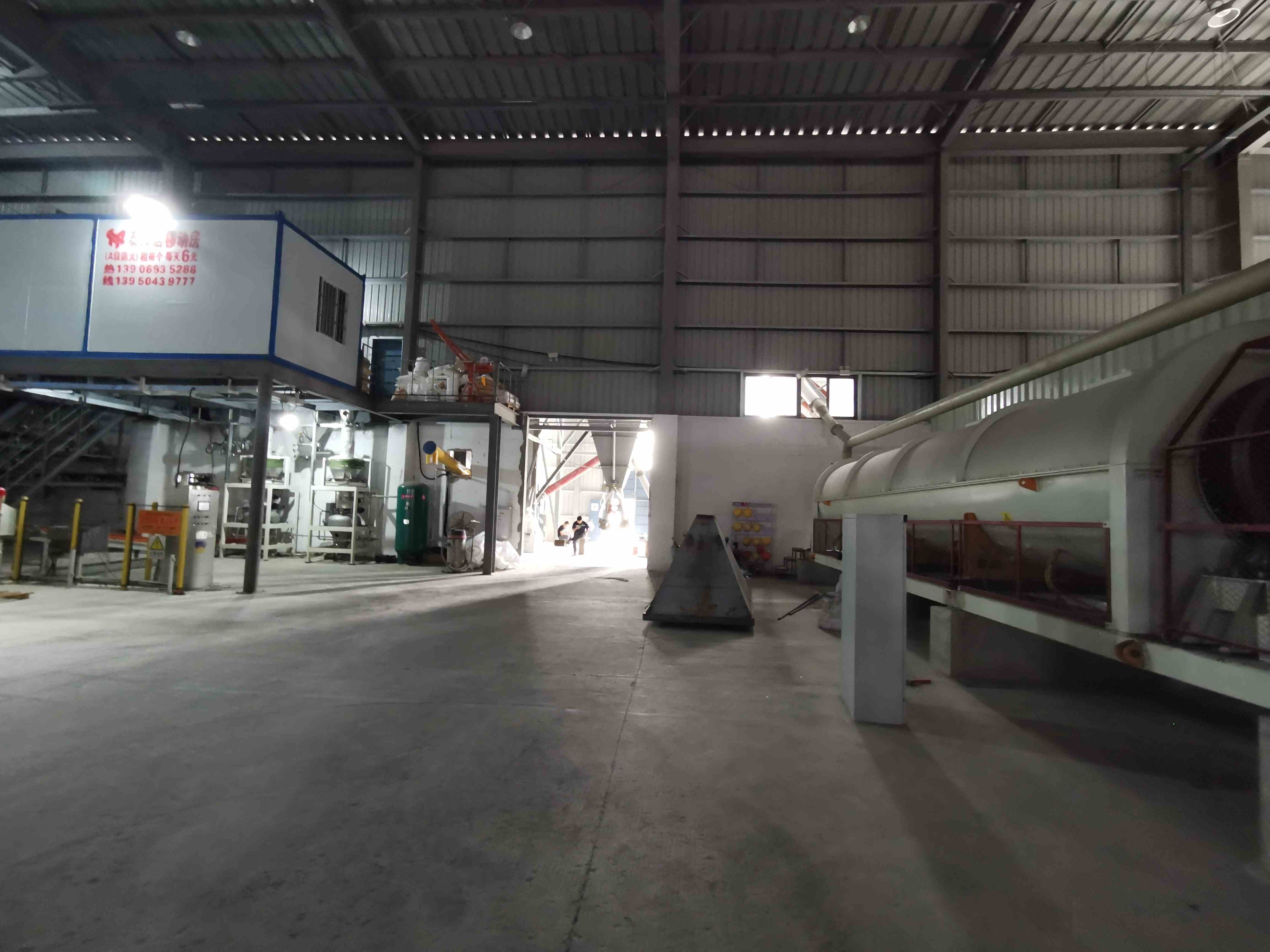
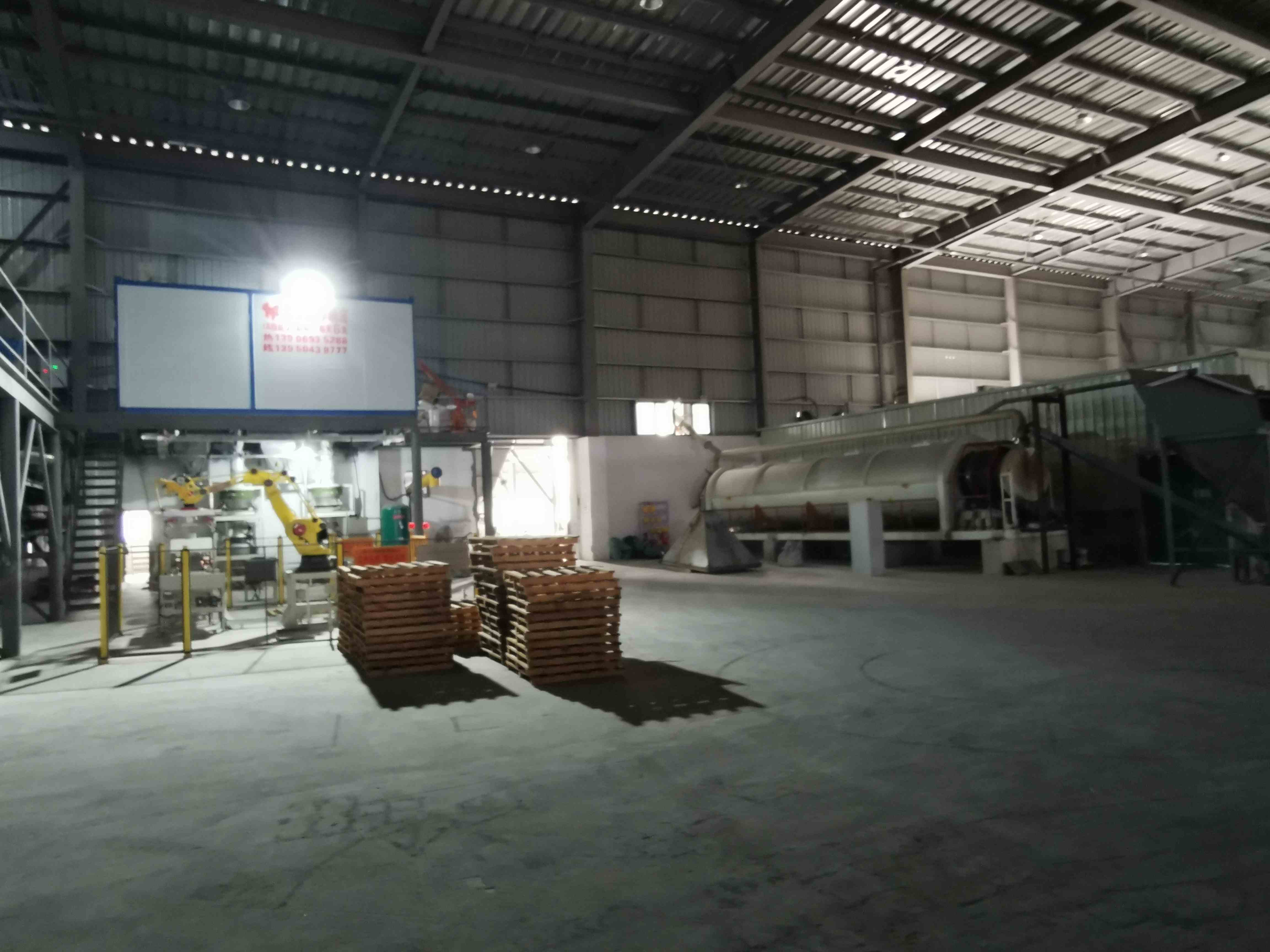
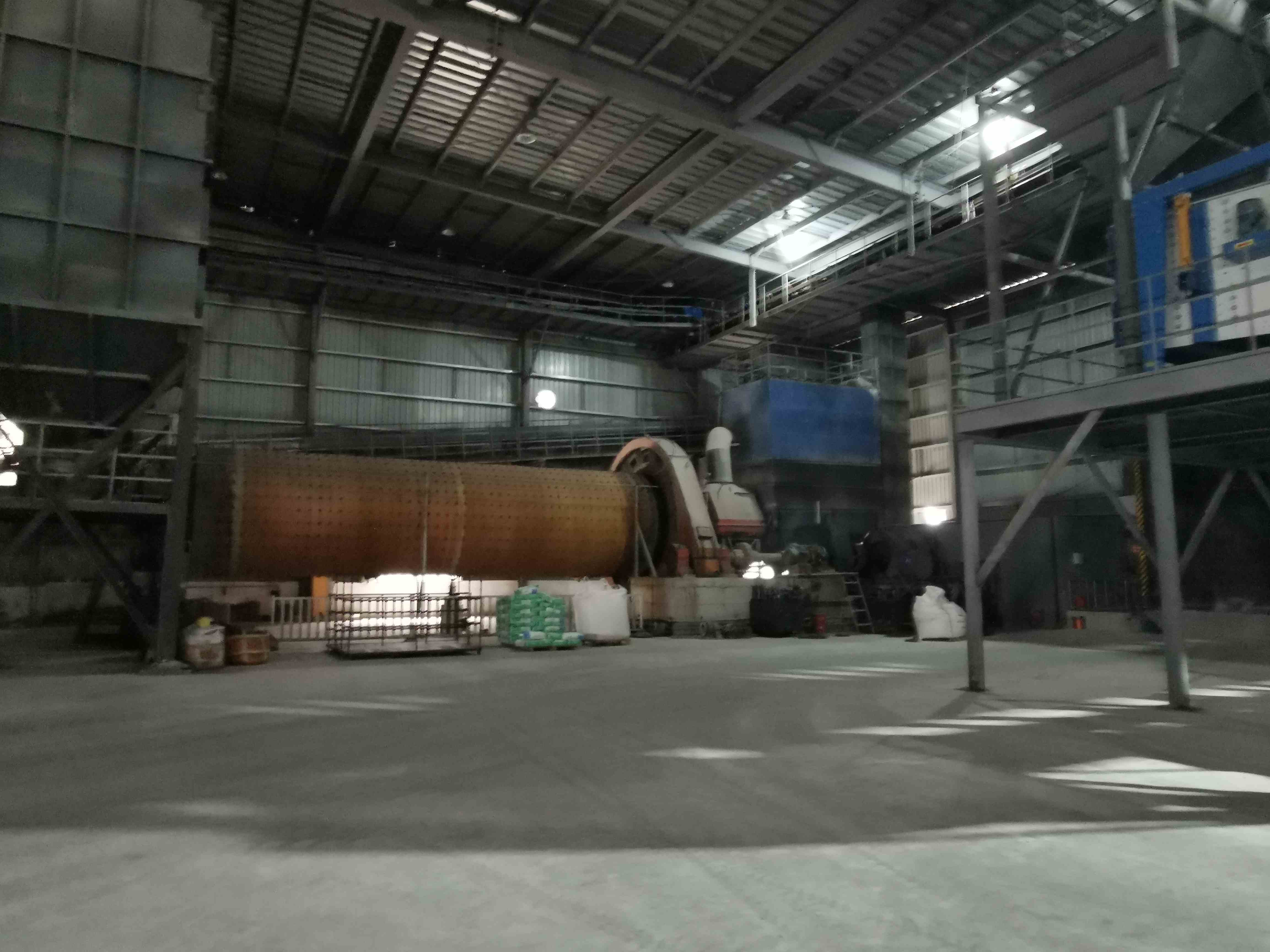
The specification of a cementitious mixture today extends far beyond a simple blend of Portland cement, water, and aggregates. Engineers demand predictable rheology, long‑term durability, and a verifiable environmental profile. Ground granulated blast furnace slag (GGBS), particularly in its ultrafine form, has emerged as a critical component to meet these demands. This article examines seven engineering parameters that separate conventional binders from true high‑performance cementitious mixture formulations, with practical data and references to industry standards. As a leader in slag processing, Golden Fortune supplies the ultrafine GGBS that makes these advanced mixtures possible.
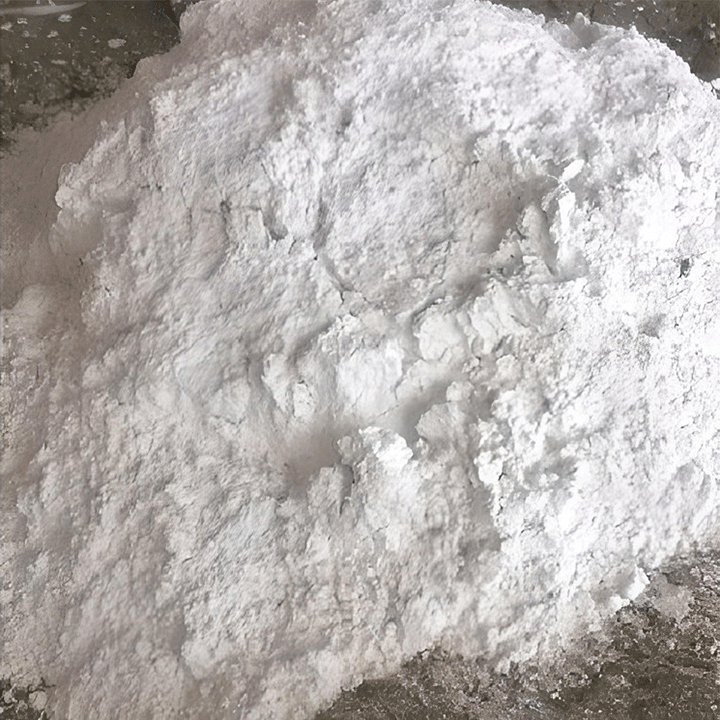
1. Chemical composition & hydraulic reactivity
The fundamental behaviour of any cementitious mixture is governed by its oxide balance and glass content. While Portland cement relies on alite (C₃S) and belite (C₂S) for strength, GGBS contributes latent hydraulic activity. To be effective, the slag must have a high glass content (>90%) and a basicity coefficient (CaO+MgO+Al₂O₃)/SiO₂ greater than 1.4. Golden Fortune’s GGBS consistently exceeds these thresholds, ensuring rapid activation in alkaline environments. In a typical 50% replacement mixture, the heat evolution curve shows a delayed but sustained reaction, reducing thermal gradients in mass concrete while still achieving 28‑day strengths comparable to plain OPC.
1.1 Early strength development
For precast operations, early strength is non‑negotiable. Modern cementitious mixture designs often incorporate a ternary blend: OPC, ultrafine GGBS, and a small percentage of calcium sulfate or limestone filler. Data from European precast plants show that replacing 30% of OPC with ultrafine GGBS (specific surface 850 m²/kg) yields 12‑hour strengths of 12–15 MPa under standard curing, matching or exceeding plain OPC performance while reducing cement factor by 80 kg/m³.
2. Particle packing & pore structure refinement
Durability begins with density. The particle size distribution of the binder directly influences the porosity of the hardened paste. By incorporating ultrafine GGBS (d₅₀ ≈ 3–5 µm) into a cementitious mixture, the void space between cement grains is filled—a phenomenon known as the microfiller effect. Mercury intrusion porosimetry tests reveal that mixtures with 40% GGBS exhibit a 25% reduction in total porosity and a shift of pore diameters from capillary to gel pores (<10 nm). This refined pore structure is responsible for the dramatic improvement in transport properties.
2.1 Chloride migration coefficient
According to NT BUILD 492, the non‑steady‑state chloride migration coefficient of a high‑volume GGBS cementitious mixture can drop below 2×10⁻¹² m²/s after 90 days, compared to 10–12×10⁻¹² for plain OPC. For marine structures or bridge decks exposed to de‑icing salts, this translates to a service life extension of 30 to 50 years.
3. Sulfate & chemical resistance
Aggressive environments—sewage systems, industrial floors, sulfate‑bearing soils—demand a binder that resists chemical attack. The low C₃A content of GGBS (typically <12%) combined with the consumption of calcium hydroxide during the pozzolanic reaction makes the cementitious mixture inherently resistant to sulfate and mild acid attack. ASTM C1012 expansion tests on mortars with 60% GGBS show values below 0.05% at 6 months in 5% sodium sulfate solution, well within the “moderate to high sulfate resistance” classification. For projects requiring long‑term chemical stability, such as wastewater treatment plants, specifying a GGBS‑enriched mixture is a standard engineering solution.
4. Rheological control & placement efficiency
Pumping and finishing characteristics are often the deciding factors on site. The smooth, glassy surface of GGBS particles reduces inter‑particle friction, allowing a cementitious mixture to achieve the same slump with 5–10% less water. This lower water demand not only improves strength but also reduces segregation and bleeding. In self‑consolidating concrete (SCC) formulations, the addition of ultrafine GGBS enhances the paste volume without increasing cement content, resulting in a more cohesive mix that flows easily through congested reinforcement. Field trials by Golden Fortune in high‑rise construction demonstrated that GGBS‑modified SCC maintained slump flow >650 mm for 90 minutes, compared to 45 minutes for OPC‑only mixes under identical ambient conditions.
4.1 Plastic shrinkage mitigation
Plastic shrinkage cracking is a common complaint in hot‑weather concreting. Because GGBS hydrates more slowly, the initial rate of water consumption is lower, extending the time before the surface dries out. Combined with the reduced water content, this leads to a significant decrease in crack area. Laboratory measurements using the ASTM C1579 plate test show that a 50% GGBS mixture reduces total crack area by 35% compared to a plain OPC control.
5. Shrinkage & creep control
Long‑term dimensional stability affects everything from joint spacing in slabs to deflection in tall structures. Drying shrinkage of a well‑proportioned cementitious mixture containing GGBS is generally similar to or slightly lower than OPC mixtures of equivalent strength, provided proper curing is applied. The denser microstructure limits moisture loss, and the continued formation of C‑S‑H over time can even reduce creep coefficients. Data from ACI committee 209 reports that for replacement levels up to 50%, the ultimate drying shrinkage strain is within 10% of the OPC reference, while basic creep can be 15–20% lower due to the increased stiffness of the hydration products.
6. Carbon footprint & life‑cycle assessment
Environmental product declarations are now routine for infrastructure tenders. A cementitious mixture utilising 50% GGBS can reduce embodied CO₂ by approximately 45% compared to a pure OPC mix, according to the UK Mineral Products Association. This reduction is achieved without compromising mechanical properties. For a typical 30 MPa concrete, the global warming potential (GWP) drops from around 300 kg CO₂e/m³ to 165 kg CO₂e/m³. When scaled to a 10,000 m³ foundation pour, the carbon saving exceeds 1,350 tonnes—equivalent to taking 300 cars off the road for a year. Golden Fortune provides verified EPD data for its ultrafine GGBS, enabling accurate whole‑life carbon calculations.
6.1 Contribution to green building certification
Projects targeting LEED v4.1 or BREEAM can earn credits under the “Material and Resources” category by specifying mixtures with high recycled content. The use of GGBS, a by‑product of the iron industry, directly supports circular economy principles. Moreover, the enhanced durability reduces maintenance and replacement cycles, further lowering the lifetime environmental burden.
7. Long‑term mechanical evolution
Unlike OPC, which reaches near‑ultimate strength at 28 days, GGBS continues to react for months or even years, provided moisture is available. This means that the strength of a GGBS‑rich cementitious mixture at 90 days can be 20–30% higher than its 28‑day value. For structures where loading is applied gradually (e.g., high‑rise cores, bridge piers), this strength reserve can be factored into the design, potentially reducing reinforcement ratios. Additionally, the ongoing refinement of the microstructure improves elastic modulus over time, enhancing serviceability.
Application summary & industry adoption
The seven parameters outlined above are not theoretical—they are verified in thousands of projects worldwide. From the Burj Khalifa’s high‑strength pumped concrete to the Crossrail tunnels in London, GGBS‑modified cementitious mixture has become the default choice for engineers who demand performance and sustainability. Golden Fortune works closely with ready‑mix producers and precasters to optimize mix designs, ensuring that the latent potential of ultrafine slag is fully realised.
Frequently Asked Questions (FAQ)
Q1: What exactly is a “cementitious mixture” and how does it differ
from plain concrete?
A1: A cementitious mixture is
any blend that contains hydraulic binders—Portland cement, GGBS, fly ash, silica
fume, or natural pozzolans—along with aggregates and water. The term emphasizes
the engineered combination of multiple cementitious components to achieve
specific performance targets, whereas “plain concrete” typically refers to a
simple OPC‑only mix. Modern cementitious mixtures are designed for enhanced
durability, workability, and reduced environmental impact.
Q2: How does GGBS improve the workability of a cementitious
mixture?
A2: GGBS particles have a smooth, glassy surface that
reduces internal friction, allowing the same slump with less mixing water. This
improves cohesiveness and reduces bleeding. In self‑compacting concretes, the
increased paste volume from GGBS helps maintain segregation resistance while
still flowing easily. The result is a mixture that is easier to place and
finish, especially in heavily reinforced sections.
Q3: Is there a risk of delayed setting or low early strength with
high GGBS content?
A3: Setting time can be extended by 30–90 minutes
depending on replacement level and temperature, which is often beneficial in hot
climates. Early strength development can be managed by using ultrafine GGBS (as
supplied by Golden Fortune) and by optimising the
total binder content. For applications requiring very high early strength (e.g.,
precast with 12‑hour demoulding), ternary blends with a small percentage of OPC
or a chemical accelerator can easily meet the requirements.
Q4: Can cementitious mixtures with GGBS be used in cold weather
concreting?
A4: Yes, but precautions are necessary. Because the
hydration of GGBS is temperature‑sensitive, in cold weather (below 10°C) the
reaction slows down. To compensate, one can increase the OPC proportion, use
heated mixing water, or add an accelerator. With proper cold‑weather protocols,
GGBS mixtures perform reliably and still deliver their long‑term durability
benefits.
Q5: What quality control tests are essential for verifying a
GGBS‑based cementitious mixture?
A5: Standard tests include
compressive strength (ASTM C39 / EN 12390), slump (ASTM C143), air content (ASTM
C231), and setting time (ASTM C403). For durability, additional tests such as
rapid chloride permeability (ASTM C1202), bulk electrical resistivity (AASHTO T
358), or sulfate expansion (ASTM C1012) are recommended. Golden
Fortune provides mill certificates with each shipment, verifying fineness,
chemical composition, and activity index per ASTM C989.
Q6: Does using GGBS increase the cost of the cementitious
mixture?
A6: GGBS is generally less expensive than Portland cement
on a per‑tonne basis, so the initial material cost of a GGBS‑rich mixture is
often lower. More importantly, the life‑cycle cost decreases because of extended
service life and reduced maintenance. For infrastructure owners, the total cost
of ownership is the key metric, and GGBS mixtures consistently deliver superior
value.
Q7: Where can I find technical support for designing a GGBS‑based
cementitious mixture?
A7: Golden Fortune offers technical
advisory services, including mix design assistance, plant trials, and on‑site
support. Our team can help tailor the mixture to meet specific strength,
workability, and durability requirements while maximising the sustainable
benefits of ultrafine GGBS.
In conclusion, the selection of a cementitious mixture should be based on a holistic evaluation of chemical, physical, and environmental parameters. By incorporating high‑quality GGBS, engineers can achieve a combination of performance characteristics that plain OPC cannot match. With the right materials and expertise, the next generation of infrastructure will be stronger, more durable, and significantly lower in carbon.