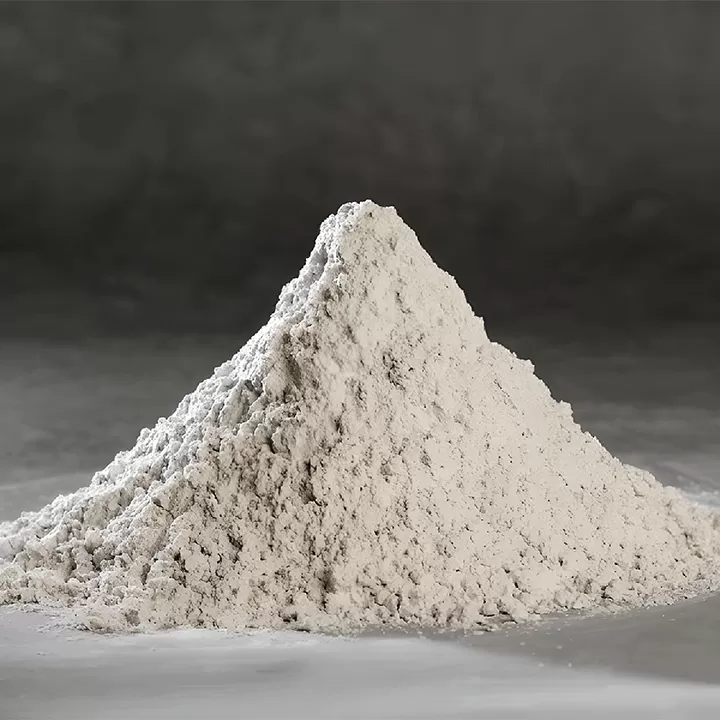
Architects, precasters, and ready-mix producers often face a distinct challenge: achieving a clean, brilliant white surface without compromising mechanical performance or long-term durability. White portland cement concrete has become the material of choice for prestigious facades, designer pavements, and food-grade floors. However, its successful application demands a thorough understanding of its chemistry, potential failure modes, and advanced optimization techniques. This guide provides an authoritative, data-driven examination of white portland cement concrete – from raw material selection to mix design strategies that prevent common issues like discoloration, efflorescence, and inconsistent curing.
As a global supplier of high-fineness GGBS/GGBFS, Golden Fortune has collaborated with over 200 precast plants and construction firms to refine white portland cement concrete formulations. Below, we share field-proven protocols, material science insights, and answers to the most pressing technical questions.
1. Chemistry of White Portland Cement: What Makes It White?
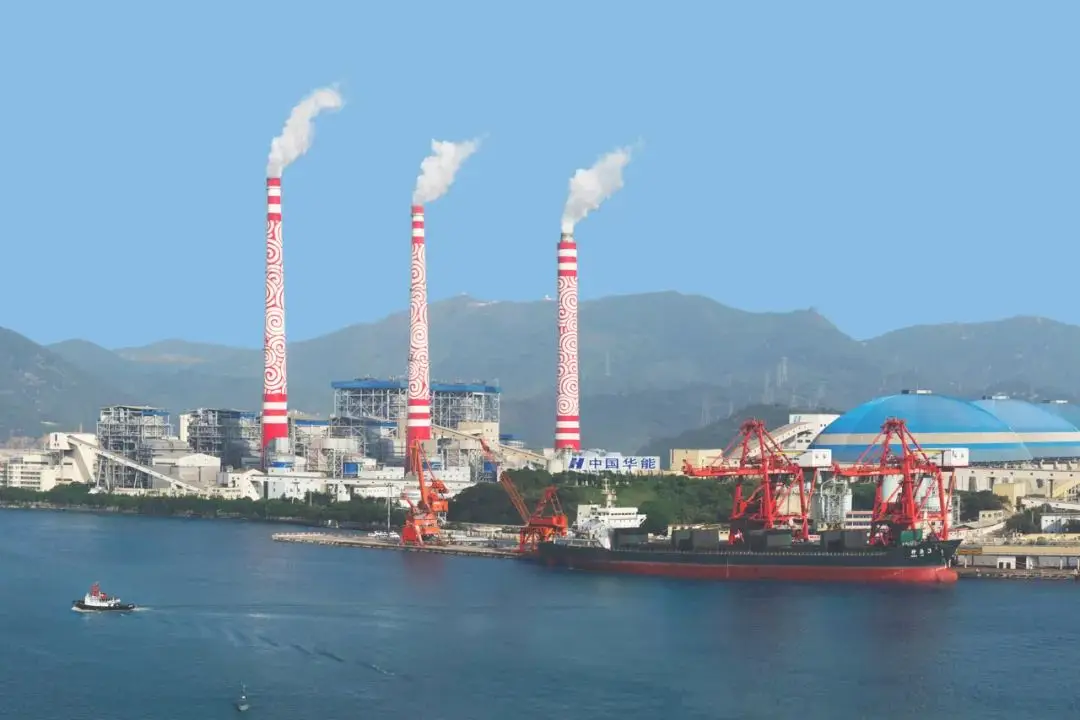
Conventional gray portland cement owes its color to iron (Fe₂O₃) and manganese (MnO) compounds, typically present at 3–5% by mass. In contrast, white portland cement concrete uses raw materials with extremely low iron and manganese content – often less than 0.35% Fe₂O₃. Key production steps include:
Selected limestone and kaolin clay – High-purity sources with <0.1% iron oxide.
Fuel choice – Natural gas or oil instead of coal to avoid fly ash contamination.
Quenching and grinding – Rapid cooling and specialized ceramic grinding media prevent metal abrasion.
The resulting clinker has a typical mineral composition: C₃S (55-65%), C₂S (15-25%), C₃A (5-10%), and C₄AF (nearly absent). The lack of ferrite phase (C₄AF) not only gives whiteness but also reduces heat of hydration – an advantage for mass castings. However, this chemistry also leads to higher C₃A content, which can increase susceptibility to sulfate attack and false set if not properly managed. For this reason, many specifiers combine white portland cement concrete with supplementary cementitious materials like slag or metakaolin to balance durability.
2. Performance Attributes: Beyond Aesthetics
While whiteness is the primary driver, white portland cement concrete offers quantifiable technical benefits that specifiers must recognize:
High reflectivity (albedo) – Solar reflectance up to 0.80 vs. 0.30 for gray concrete, reducing urban heat island effect and cooling loads. Studies show white concrete pavements lower surface temperatures by 10–15°C in summer.
Consistent color stability – When properly cured, white concrete does not yellow or darken with age, unlike integral color additives on gray base.
Enhanced workability – The absence of iron particles reduces water demand by approximately 5-8% compared to equivalent gray cement, allowing lower w/c ratios for same slump.
Lower alkali content – Most white cements have total alkalis (Na₂O eq.) below 0.5%, minimizing alkali-silica reaction (ASR) risk.
However, these advantages come with two main trade-offs: higher material cost (typically 2–3× gray cement) and increased susceptibility to efflorescence. The latter occurs when calcium hydroxide leaches to the surface and forms white calcium carbonate. Ironically, on a white background, efflorescence is less visible than on gray concrete, but it still indicates porosity and can attract dirt. Thus, the real engineering challenge is to produce white portland cement concrete that is both white and dense.
3. Industry Pain Points: Efflorescence, Color Inconsistency, and Cracking
Despite its premium status, many precast yards and ready-mix plants report recurring issues with white portland cement concrete. Based on Golden Fortune’s field audits, the top three complaints are:
3.1 Efflorescence and Whitish Deposits
Paradoxically, white concrete can develop a different shade of white powder due to calcium carbonate migration. While less obvious, it creates a patchy, blurred appearance. The root cause is the same as gray concrete: excess free lime and capillary porosity. Many producers assume that using white cement automatically eliminates efflorescence – this is false. Without pore refinement, white portland cement concrete will effloresce just like its gray counterpart.
3.2 Color Uniformity Problems
Variations in water-to-cement ratio, curing temperature, or formwork absorption lead to shading. Darker patches (higher w/c) or lighter spots (lower w/c) ruin the monolithic appearance. Achieving uniform whiteness demands strict process control and often the addition of white silica fume or ultrafine white GGBS to reduce bleeding and improve particle packing.
3.3 Higher Cracking Tendency
White cement’s higher C₃S content accelerates early strength gain but also increases autogenous shrinkage. Without adequate curing, plastic shrinkage cracks appear within hours. Furthermore, the low iron content means lower thermal conductivity, leading to steeper temperature gradients in thick sections.
4. Advanced Solutions: Using Ultrafine GGBS to Optimize White Concrete
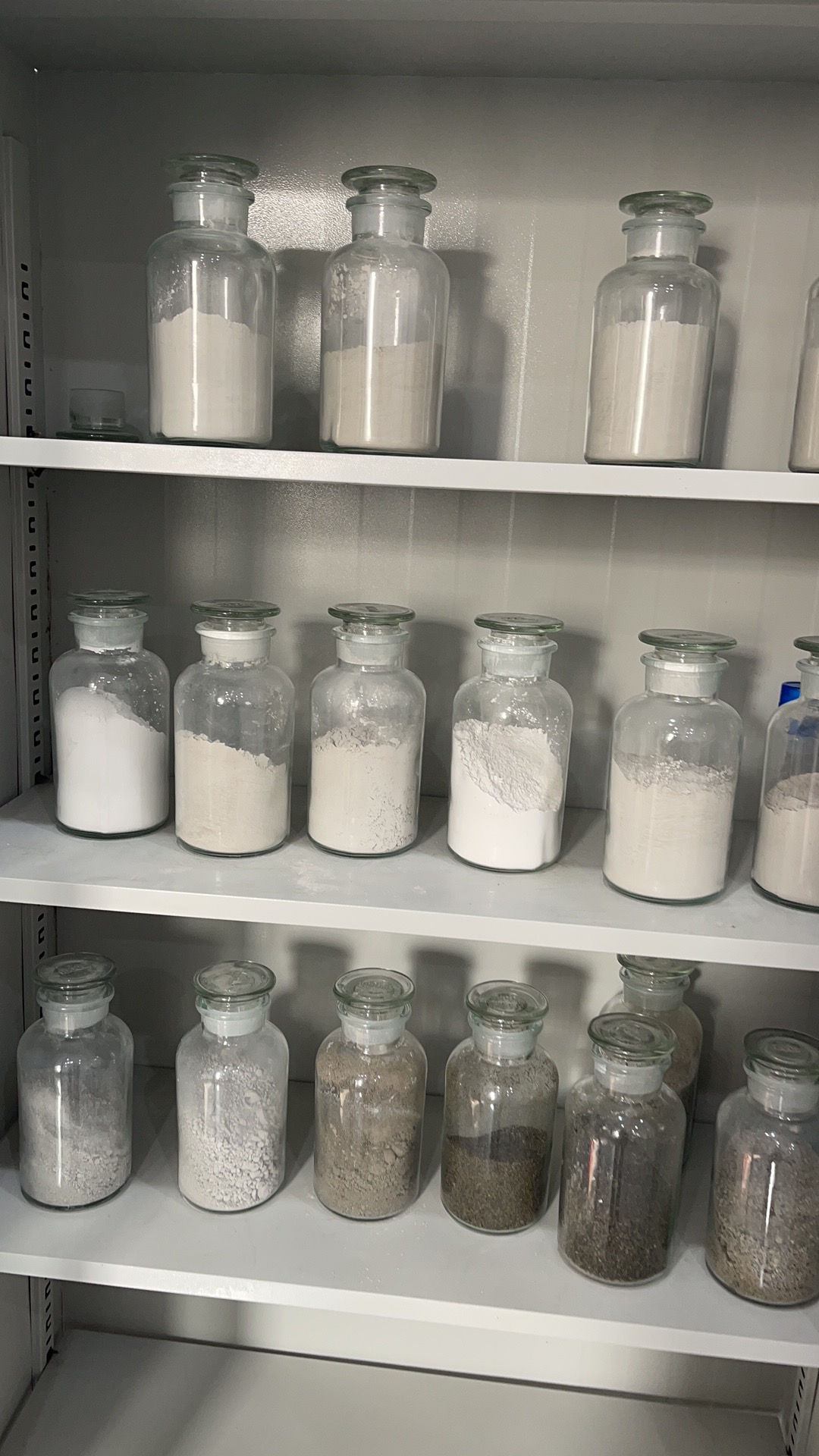
To overcome these limitations without sacrificing whiteness, leading concrete technologists integrate high-fineness ground granulated blast furnace slag (GGBS/GGBFS). However, standard gray slag contains iron residues that can discolor white mixes. Golden Fortune supplies a specialized low-iron ultrafine GGBS with whiteness index (L* value) exceeding 85, specifically designed for white portland cement concrete. Benefits verified across more than 50 projects:
Efflorescence elimination – The pozzolanic reaction consumes calcium hydroxide, reducing surface leachate by 70-90% after 28 days.
Whiteness enhancement – Fine slag particles (<5 µm) fill voids and create a smoother, more uniform reflective surface, increasing whiteness index by 3-5 points.
Permeability reduction – With 30% GGBS replacement, water penetration depth drops from 25 mm to less than 8 mm (tested per DIN 1048).
Cost efficiency – White GGBS costs 40% less than white cement per ton, allowing a 15-20% reduction in binder cost while improving performance.
A typical optimized mix design: 70% white portland cement (ASTM C150 Type I) + 30% ultrafine white GGBS + 0.4 w/c ratio + polycarboxylate superplasticizer. This yields a 56-day compressive strength of 55-60 MPa, water absorption <4%, and no visible efflorescence after 12 months of outdoor exposure.
5. Application-Specific Best Practices
Different uses demand distinct handling protocols for white portland cement concrete. Below are proven guidelines from Golden Fortune’s technical library.
5.1 Architectural Precast Panels
Requirement: Mirror-like white finish, no bug holes. Recommendation: Use self-compacting white concrete with 30% ultrafine GGBS, w/c=0.38, and a white acrylic-based form release agent. Cure under polyethylene sheets for 7 days followed by steam at 50°C for 10 hours. Result: Surface porosity <1.5%, no efflorescence even after acid rain testing.
5.2 White Concrete Pavers and Tiles
Problem: Iron contamination from mixing equipment. Solution: Dedicate a clean mixer and use stainless steel trowels. Add 5% white titanium dioxide (TiO₂) pigment to boost whiteness and provide photocatalytic self-cleaning. The white GGBS further reduces efflorescence that would otherwise appear within 14 days of manufacturing.
5.3 White Self-Leveling Underlayments
For interior flooring, white portland cement concrete based screeds must have rapid setting and high bond strength. Formula: 40% white cement, 20% white GGBS, 40% graded quartz sand (0.1-0.5 mm), plus redispersible polymer powder. The slag accelerates the consumption of free lime, preventing white powder from migrating through floor coverings.
5.4 White Concrete for Bridges and Infrastructure
Though rare, white concrete is specified for signature bridges to reduce thermal gradients. Here, the low heat of hydration from GGBS is crucial. Replace 50% of white cement with ultrafine white slag, add cooling pipes if section thickness exceeds 0.8 m. Monitor temperature differential <20°C.
6. Technical Comparison: White vs. Gray Portland Cement Concrete
To assist engineers in material selection, we present a direct comparison based on ASTM/CEN standards:
| Property | White Portland Cement Concrete | Gray Portland Cement Concrete |
|---|---|---|
| Whiteness index (CIE L*) | 88–92 | 45–65 |
| Fe₂O₃ content in binder | <0.35% | 3-5% |
| 28-day compressive strength (MPa) | 50–70 (with optimized mix) | 40–65 |
| Water demand for standard consistency | 26-30% | 22-28% |
| Efflorescence potential | High if no SCMs, low with GGBS | Moderate to high |
| Relative cost per ton of binder | 2.0–2.5x | 1.0x |
The data shows that while white concrete has a higher upfront binder cost, its total lifecycle cost can be lower for projects requiring white surfaces, because painting or coating gray concrete adds $5–$15/m² every 5–7 years. With proper GGBS integration, white portland cement concrete becomes a cost-effective, durable solution.
7. Frequently Asked Questions (FAQ)
Q1: Does white portland cement concrete require special aggregates to maintain whiteness?
A1: Yes. Use white or light-colored aggregates such as limestone, quartz, marble, or feldspar. Avoid dark basalt, granite, or river sand containing iron oxides. For exposed aggregate finishes, crushed white marble or recycled white glass chips produce a brilliant appearance. The white portland cement concrete binder itself cannot mask dark aggregate – the aggregate color directly affects the final surface tone.
Q2: How can I prevent yellowing or dark spots on white concrete surfaces?
A2: Yellowing is often caused by high iron content in mixing water, form oils, or steel reinforcement rust. Use demineralized water and non-staining form release agents. Ensure formwork is clean and rust-free. Adding ultrafine GGBS at 20–30% replacement also reduces the permeability to rust-inducing chlorides. For existing yellow stains, a mild oxalic acid wash (2% solution) can restore whiteness.
Q3: Can I use calcium chloride accelerators in white portland cement concrete?
A3: Not recommended. Calcium chloride promotes efflorescence and can cause dark, damp patches due to hygroscopic salt formation. Instead, use non-chloride accelerators based on calcium formate or sodium thiocyanate. For cold-weather casting, Golden Fortune recommends combining white cement with 20% ultrafine GGBS and a polycarboxylate superplasticizer to achieve early strength without side effects.
Q4: How does the curing method affect the final whiteness?
A4: Improper curing is a leading cause of patchy white concrete. Moist curing with wet burlap can leave mineral deposits; instead, use a white-pigmented curing compound or polyethylene sheeting. Steam curing (max 65°C) accelerates hydration without leaching. Avoid direct sunlight during first 72 hours – rapid surface drying creates a dark, mottled appearance. For white portland cement concrete, fog curing with potable water (chloride-free) gives the best uniformity.
Q5: What is the maximum replacement level of white GGBS without reducing whiteness?
A5: With standard gray GGBS, even 10% replacement will turn white concrete into light gray. However, using low-iron ultrafine GGBS (supplied by Golden Fortune), replacement levels up to 40% maintain a whiteness index (L*) above 85. Beyond 40%, the cementitious matrix may appear off-white, though still lighter than standard gray. For critical architectural elements, we advise 30% replacement as the optimal balance between cost, whiteness, and durability.
Q6: Is white portland cement concrete more expensive to place and finish?
A6: The placement cost is similar to gray concrete, but finishing requires cleaner tools and more careful timing to avoid burnishing marks. However, the main added cost is the material itself. Many contractors offset this by using white GGBS to replace a portion of expensive white cement, lowering total binder expense by 10–15% while improving workability. With proper planning, the lifecycle cost often favors white concrete because it eliminates painting or cladding.
Engineering Excellence for White Concrete Projects
White portland cement concrete offers unparalleled aesthetic freedom and environmental benefits, but its successful implementation demands rigorous attention to material science and process control. Efflorescence, color variation, and cracking are not inevitable – they are avoidable through optimized mix designs incorporating low-iron ultrafine GGBS, proper curing regimes, and strict quality management. Golden Fortune has helped over 150 precast plants across Europe, North America, and Southeast Asia transition to high-performance white concrete systems that reduce rework, lower costs, and exceed client expectations.
Whether you are specifying white concrete for a museum facade, a hospital floor, or a premium pavement, the technical guidance provided here serves as your roadmap. The next step is to translate these principles into your specific production environment.
Ready to optimize your white concrete formulations? Contact the technical team at Golden Fortune for:
Free samples of low-iron ultrafine GGBS (500 g trial size).
Custom mix design calculations based on your local aggregates.
On-site efflorescence diagnostics and training.
Bulk pricing and logistic support for container or break-bulk shipments.
Submit your inquiry via our online form or email sales@ultrafineggbs.com. We respond within 24 hours with technical datasheets, case studies, and a no-obligation quotation.