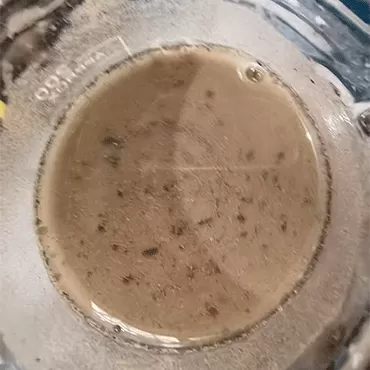
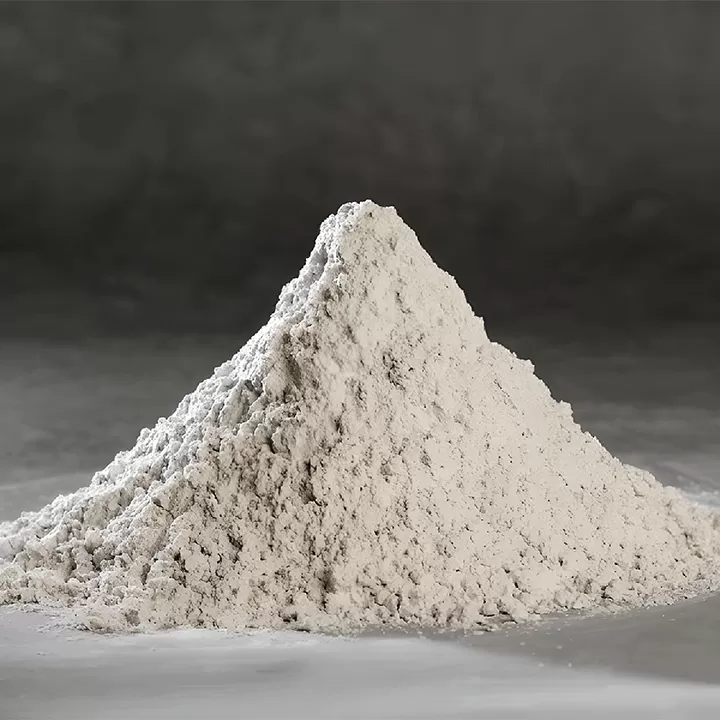
In the production of ground granulated blast furnace slag (GGBFS or GGBS), the rapid quenching of molten slag with a high‑pressure water jet determines the material’s hydraulic reactivity. This quenching medium—referred to as granulated water—must maintain precise temperature, pressure, and flow uniformity to achieve a glass content above 95%. This article provides a technical evaluation of granulated water systems, covering cooling kinetics, water chemistry, nozzle design, and process control strategies for B2B slag granulation facilities. Golden Fortune integrates these parameters into its turnkey granulation lines to ensure consistent GGBFS quality.
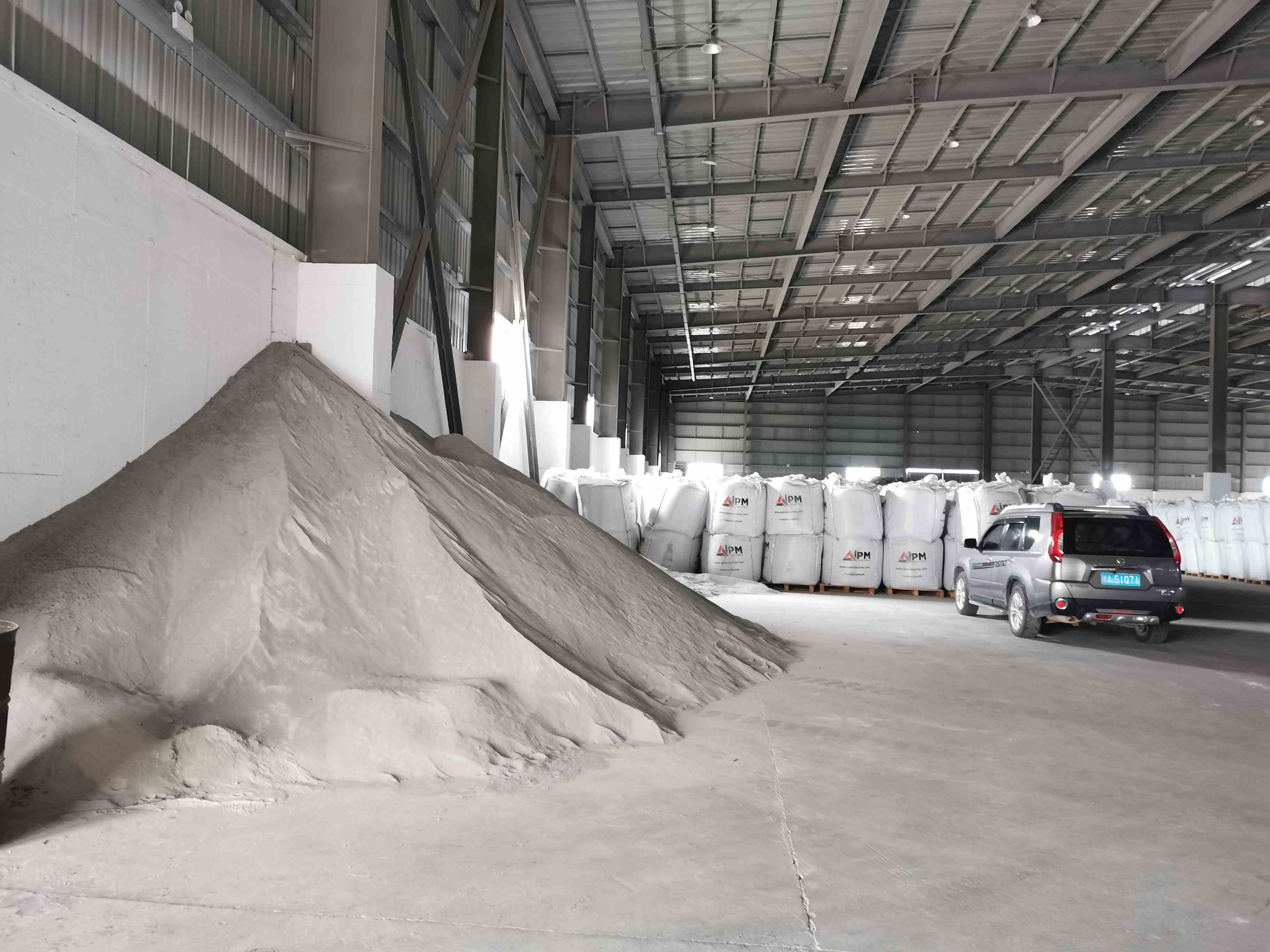
1. The Role of Granulated Water in Slag Quenching: From Molten Slag to Amorphous Granules
When molten blast furnace slag (1,400–1,550 °C) contacts granulated water, the thermal shock induces rapid solidification. The cooling rate must exceed 100 °C/s to prevent crystallization of melilite (gehlenite and åkermanite), which would reduce cementitious activity. Industrial granulated water systems use multiple high‑velocity nozzles that atomize the water into fine jets, maximizing surface contact and heat extraction.
Key technical functions of the quenching medium:
Thermal shock uniformity: Even water distribution prevents partially crystallized zones.
Vapor film suppression: Sufficient jet velocity (15‑25 m/s) pierces the Leidenfrost vapor layer, maintaining direct liquid‑slag contact.
Granule size control: Water pressure and nozzle angle determine median granule diameter (0.5‑4 mm).
pH stabilization: Recirculated water must be neutralized (pH 6.5‑8.0) to avoid calcium leaching.
Golden Fortune designs closed‑loop granulated water circuits with settling tanks, cooling towers, and filtration systems, ensuring water reuse and stable quenching performance.
2. Quantitative Effects of Granulated Water Parameters on GGBFS Glass Content
For B2B buyers evaluating granulation lines, the following process‑property relationships are critical. Data compiled from industrial operations (slag‑to‑cement plants in Southeast Asia and Europe).
2.1 Water Temperature and Cooling Rate
Optimum range: 15‑30 °C. Above 40 °C, cooling rate drops below 80 °C/s, reducing glass content by 8‑12%.
Subcooling effect: Water at 10 °C increases glass content to 97‑98% but requires additional refrigeration cost (typically not economical).
Measurement frequency: Continuous thermocouples at inlet and outlet of granulation tank.
2.2 Water Pressure and Jet Velocity
Minimum pressure: 4 bar (400 kPa) to achieve 15 m/s jet velocity. Lower pressure leads to irregular granules (5‑10 mm) with crystalline cores.
Recommended pressure: 6‑8 bar for slag flow rates of 5‑20 t/h per nozzle.
Pressure fluctuation tolerance: ±5% to maintain uniform granule size distribution (d50 variation
<0.3 mm="">
2.3 Water Chemistry and Dissolved Solids
Total dissolved solids (TDS): Keep below 500 mg/L. Higher TDS promotes scale formation on nozzles, altering spray patterns.
Chloride limit:
<200 mg="">Sulfate content:
<400 mg="">
2.4 Flow Rate Ratio (Water/Slag by Mass)
Typical ratio: 8:1 to 12:1 (water : molten slag). A ratio below 6:1 causes incomplete quenching (crystalline fraction >15%).
Energy consideration: Pumping 12 t of water per ton of slag consumes 8‑10 kWh. Optimization can reduce to 9:1 ratio with advanced nozzle design.
Facilities that maintain these parameters using granulated water systems achieve GGBFS with 96‑98% amorphous phase, directly correlating to 28‑day strength activity index >105% (ASTM C989 Grade 120).
3. Industrial Applications and Product Quality Mapping
Different downstream applications of GGBFS demand specific granule characteristics, controlled by granulated water parameters.
3.1 Cement and Concrete Additive (High Reactivity)
Requires glass content >95%, d50 granule size 0.5‑1.5 mm for efficient grinding.
Water parameter target: 20‑25 °C, 7 bar pressure, 10:1 water/slag ratio.
3.2 Soil Stabilization and Low‑Strength Fillers
Acceptable glass content 85‑90%, larger granules (2‑4 mm) reduce grinding energy.
Water parameter target: 30‑35 °C, 5 bar pressure, 8:1 ratio.
3.3 Slag Blended Cements for Marine Structures
Requires low chloride content in GGBFS (
<0.02%). the="">granulated water must be sourced from low‑chloride fresh water or treated recycled water.Golden Fortune provides water demineralization units for such applications.
4. Engineering Solutions for Common Granulated Water System Failures
Despite robust design, granulation plants face recurring technical issues. Below are root causes and corrective actions specific to granulated water circuits.
4.1 Nozzle Blockage and Uneven Spray Pattern
Symptoms: Irregular granule size, visible dry slag lumps. Root cause: Suspended solids (>50 µm) or scale build‑up. Solution: Install automatic back‑flushing filters (200 µm mesh) and schedule weekly nozzle inspection. Golden Fortune supplies self‑cleaning nozzle assemblies with wear‑resistant ceramic inserts.
Symptoms: Steam plumes reducing visibility, granule surface cracks. Root cause: Water temperature >40 °C or low jet velocity. Solution: Increase cooling tower capacity to maintain inlet water at 25 °C; verify pump pressure and replace worn nozzles.
4.3 High Water Consumption and Treatment Cost
Symptoms: Make‑up water >15% of recirculation flow. Root cause: Leakage or excessive blowdown. Solution: Implement closed‑loop system with sludge dewatering and pH adjustment. A well‑designed system recovers 95‑98% of granulated water.
4.4 Corrosion of Pipelines and Pump Impellers
Symptoms: Rust‑colored water, pressure drop. Root cause: Chlorides >200 mg/L or low pH (<5.5).>Solution: Install pH dosing system (lime slurry) to maintain pH 7.0‑8.0; upgrade to duplex stainless steel piping in high‑wear zones.
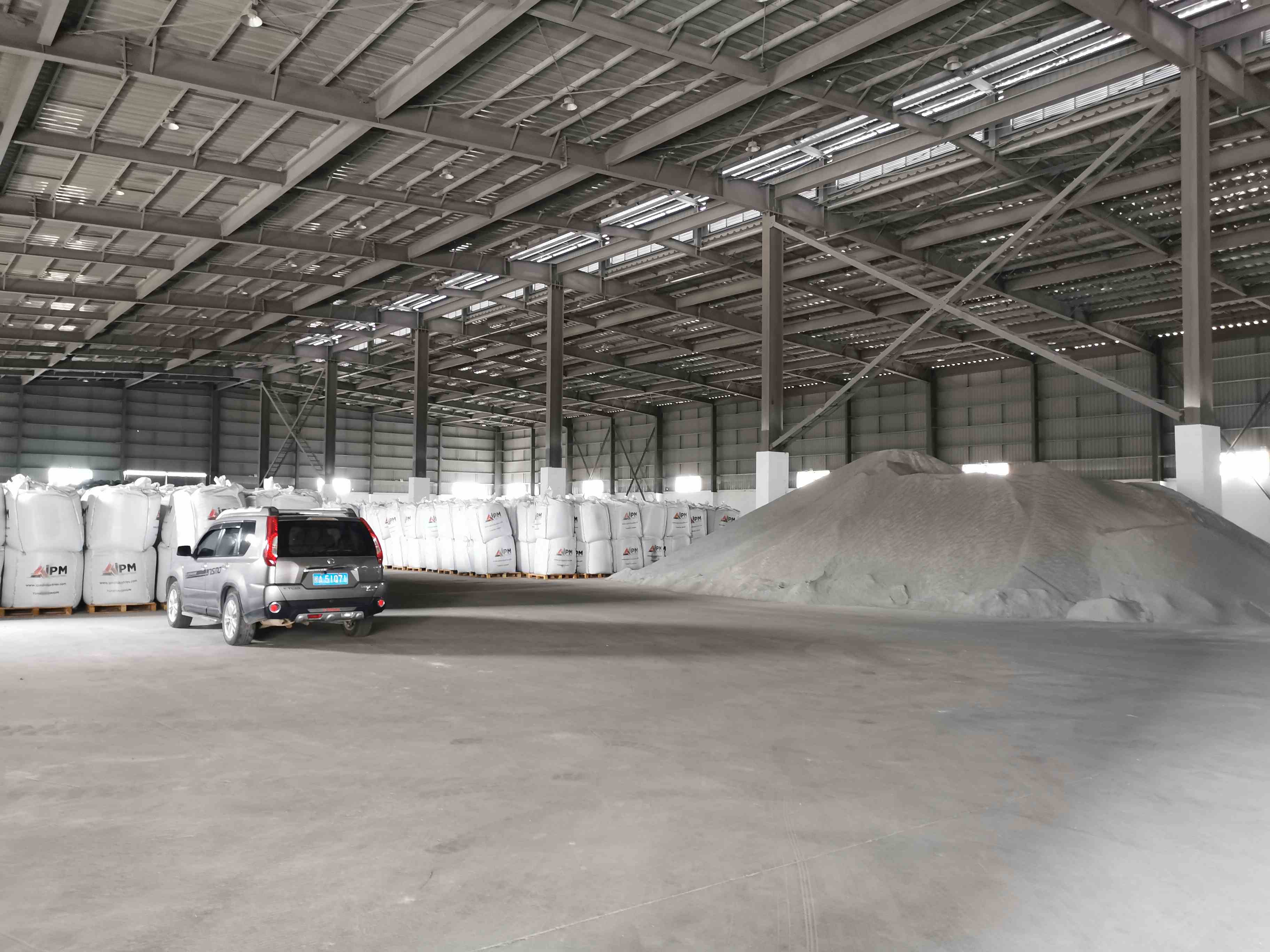
5. Total Cost of Ownership: Granulated Water Recirculation vs. Once‑Through Systems
B2B buyers choosing between open‑loop (once‑through) and closed‑loop granulated water systems must evaluate long‑term operating expenses. Below comparison based on a 200,000 t/year slag granulation plant.
Once‑through system: Capital cost $180,000; water consumption 2.4 million m³/year (cost $360,000 at $0.15/m³); wastewater treatment $90,000/year. Annual operating cost $450,000.
Closed‑loop recirculation: Capital cost $420,000 (cooling towers, settling basins, filters); water consumption 48,000 m³/year (make‑up only); wastewater treatment $8,000/year. Annual operating cost $15,200.
Payback period: 9‑11 months. After 5 years, closed‑loop saves $2.1 million.
Golden Fortune provides modular closed‑loop granulated water systems with integrated cooling and filtration, reducing water footprint by 98%.
6. Automation and Real‑Time Control of Granulated Water Parameters
Modern slag granulation plants deploy distributed control systems (DCS) to monitor and adjust the following variables automatically:
Inlet water temperature: PID control of cooling tower fan speed.
Water pressure: Variable frequency drives on centrifugal pumps, maintaining setpoint ±0.2 bar.
Flow rate ratio: Coriolis flow meters on water and slag streams; ratio controller adjusts pump speed based on slag feed rate.
pH and TDS: Online analyzers trigger chemical dosing or blowdown valves.
Nozzle wear detection: Pressure drop across each nozzle bank alerts maintenance.
Data logging per shift provides traceability for GGBFS quality certification. Golden Fortune supplies fully automated granulated water control panels with remote access.
Frequently Asked Questions (B2B Granulated Water Systems)
Q1: Can seawater be used as granulated water for slag quenching?
A1: Seawater is not recommended due to high chloride content (typically 19,000 mg/L), which causes rapid corrosion of carbon steel pipes and nozzles. If freshwater is unavailable, you must use duplex stainless steel or lined pipes, plus frequent nozzle replacement. The increased maintenance cost often outweighs the water sourcing benefit. Golden Fortune can design seawater‑compatible systems with titanium‑coated nozzles.
Q2: How often should granulated water nozzles be replaced?
A2: With clean water (TDS<500 mg="">
Q3: What is the ideal granulated water pressure for producing ultrafine GGBFS (d90<10>
A3: For ultrafine grinding, you need smaller initial granules (d50 0.3‑0.8 mm). This requires higher water pressure (8‑10 bar) and nozzle diameters of 8‑10 mm. However, very fine granules may cause dusting issues in the granulation pit. Golden Fortune recommends pilot testing to optimize pressure for your specific slag chemistry.
Q4: How does the water‑to‑slag ratio affect downstream drying energy?
A4: A higher ratio (12:1) produces finer, more amorphous granules but increases the moisture content of wet slag to 12‑15%, requiring more fuel for rotary drying. Lower ratio (8:1) yields 8‑10% moisture but may slightly reduce glass content. Most plants optimize at 10:1 to balance quenching efficiency and drying energy. The dried GGBFS moisture target is<1% for="" grinding.="">
Q5: Can recycled plant effluent be used as granulated water?
A5: Yes, after proper treatment. The recycled water must be filtered (<200>50 mg/L) can cause biological fouling of nozzles. Golden Fortune offers integrated water treatment packages that allow up to 95% recycling of plant effluent, reducing freshwater dependence.
Q6: What safety devices are required for a high‑pressure granulated water system?
A6: Every system must include pressure relief valves (set at 10% above operating pressure), emergency shut‑off buttons at the granulation pit, and automatic water cut‑off when slag feed stops. Personal protective equipment (thermal gloves, face shields) for operators near nozzles is mandatory. Golden Fortune provides a full HAZOP review for each installation.
Request a Technical Consultation for Your Granulated Water Circuit
Every slag granulation plant has unique constraints: available water source, slag chemistry (basic oxygen furnace vs. blast furnace), target GGBFS grade, and local environmental regulations. Generic granulated water designs often lead to suboptimal glass content or high maintenance costs. Golden Fortune offers a structured engineering engagement:
Water analysis: Submit a 5‑liter sample of your available water source for full chemical characterization (chlorides, TDS, hardness, pH).
Slag simulation: We use computational fluid dynamics to model jet impingement and cooling rates based on your slag flow rate and temperature.
Nozzle layout design: Optimized spacing and angle to achieve uniform granulation with minimum water consumption.
Automation proposal: DCS architecture, sensor locations, and control logic for stable operation.
ROI calculation: Detailed payback period including water savings, energy reduction, and quality premium for high‑grade GGBFS.
Contact our process engineering team directly via the website. Include your planned slag throughput (t/h), available water source (river/well/recycled), and target GGBFS glass content. We will respond within 24 hours with a preliminary feasibility assessment and quotation for a pilot test.
Send your slag granulation requirements to Golden Fortune’s technical specialists — provide water source analysis and target output for a prioritized engineering review.