The durability of reinforced concrete structures stands as a primary concern for civil engineers, infrastructure owners, and material specifiers. Among the various degradation mechanisms, water ingress and carbonation-induced corrosion represent two of the most persistent threats to service life. While traditional Portland cement systems offer reliable performance, the incorporation of supplementary cementitious materials—specifically ground granulated blast furnace slag (GGBS or GGBFS)—has demonstrated measurable improvements in both anti-seepage and anti-carbonation ability. This article examines the physical and chemical mechanisms through which GGBFS modifies the cementitious matrix, the resulting performance metrics, and the practical considerations for B2B procurement and project specification.

Understanding the Deterioration Mechanisms: Seepage and Carbonation
Before examining how GGBFS modifies concrete behavior, the underlying deterioration processes require clear definition. Seepage refers to the transport of water, dissolved chlorides, and other aggressive species through the capillary pore network of hardened concrete. This movement is governed by porosity, pore connectivity, and the tortuosity of the diffusion pathways. Carbonation, on the other hand, describes the reaction between atmospheric carbon dioxide and the alkaline hydration products—primarily calcium hydroxide—resulting in a reduction of pore solution pH from approximately 13 to below 9. This pH drop depassivates the protective oxide layer on reinforcing steel, initiating corrosion in the presence of moisture and oxygen.
The interplay between these two phenomena is significant. Water ingress accelerates carbonation by supplying the medium for CO₂ dissolution and transport. Conversely, carbonated concrete exhibits altered pore structure and reduced chemical buffering capacity. A material system that addresses both pathways simultaneously offers a more robust solution than targeting each in isolation. This dual requirement places anti-seepage and anti-carbonation ability at the center of durable concrete design for bridges, marine structures, wastewater facilities, and underground infrastructure.
How GGBFS Modifies the Cementitious Microstructure
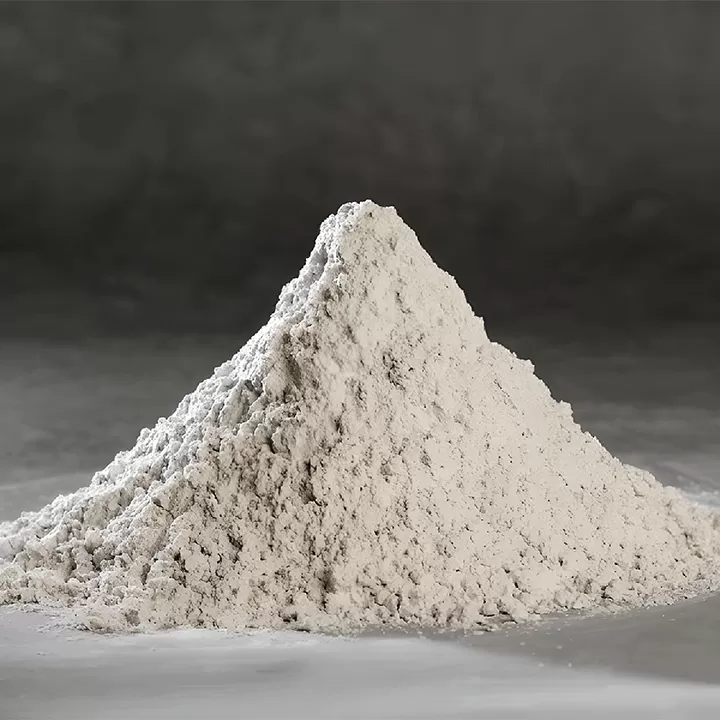
Ground granulated blast furnace slag, a byproduct of iron production, possesses latent hydraulic reactivity when finely ground and activated by the alkaline environment of hydrating cement. The chemical composition—primarily calcium oxide, silica, alumina, and magnesia—differs significantly from Portland clinker. When GGBFS replaces a portion of Portland cement (typically 30% to 70% by mass), several concurrent reactions alter the hydration sequence and resultant pore structure.
Pore Refinement and Permeability Reduction
The pozzolanic and latent hydraulic reactions of GGBFS consume calcium hydroxide produced during cement hydration, forming additional calcium silicate hydrate (C-S-H) gel. This secondary C-S-H precipitates within the interstitial spaces between original cement grains and aggregate particles, effectively filling capillary voids. The result is a denser matrix with reduced total porosity and, more significantly, a shift in pore size distribution toward finer, more disconnected pores. Mercury intrusion porosimetry studies consistently show that GGBFS blends exhibit lower capillary pore volumes and reduced median pore diameters compared to plain Portland cement mixes at equivalent water-to-binder ratios.
This refinement directly influences the permeability coefficient. For concrete exposed to hydrostatic pressure or groundwater contact, the reduced interconnected porosity translates to measurably lower water penetration depths under standard test conditions (such as BS EN 12390-8 or DIN 1048). The improvement in anti-seepage and anti-carbonation ability becomes more pronounced with higher replacement levels, though practical upper limits are governed by early-age strength development and curing requirements.
Chemical Binding and Carbonation Resistance
Beyond physical densification, GGBFS alters the chemical composition of the pore solution. The consumption of calcium hydroxide by pozzolanic reactions lowers the free alkali content while simultaneously increasing the total C-S-H volume. This C-S-H phase exhibits a lower Ca/Si ratio than that formed in plain cement systems, with a correspondingly higher capacity to bind atmospheric CO₂ through carbonation reactions. However, the carbonation behavior of GGBFS concrete is not simply a matter of reduced alkalinity; the denser pore structure slows the diffusion of CO₂ into the material, offsetting the reduced buffering capacity of the pore solution.
Long-term exposure studies indicate that properly cured GGBFS concretes display carbonation rates up to 40% lower than equivalent Portland cement controls when evaluated under accelerated carbonation conditions. This balance between chemical buffering and physical barrier properties underpins the enhanced anti-seepage and anti-carbonation ability observed in field exposures. The mechanism is not one of complete immunity but of significant retardation of the carbonation front, extending the time available for protective measures or repair interventions.
Performance Metrics and Testing Standards
For B2B specifiers and procurement teams, the technical performance of GGBFS blends must be quantifiable and verifiable against established standards. The following parameters are commonly used to assess anti-seepage and anti-carbonation ability in slag-modified concretes:
Water penetration depth (BS EN 12390-8): A direct measure of seepage resistance under pressure, typically reported as maximum and average penetration after 72 hours of exposure at 500 ± 50 kPa.
Chloride migration coefficient (NT BUILD 492 or ASTM C1202): An indirect indicator of pore connectivity and tortuosity, with lower values correlating to improved barrier performance.
Accelerated carbonation depth (BS EN 13295): Measured after exposure to 1–4% CO₂ concentration at controlled relative humidity, providing a comparative indicator of carbonation resistance.
Mercury intrusion porosimetry: Total porosity, threshold pore diameter, and pore size distribution curves offer microstructural insights that explain macroscopic transport behavior.
Oxygen permeability (Rilem TC 116-PCD): A supplementary indicator of the gas transport resistance, relevant for carbonation since CO₂ diffusion is a gas-phase process.
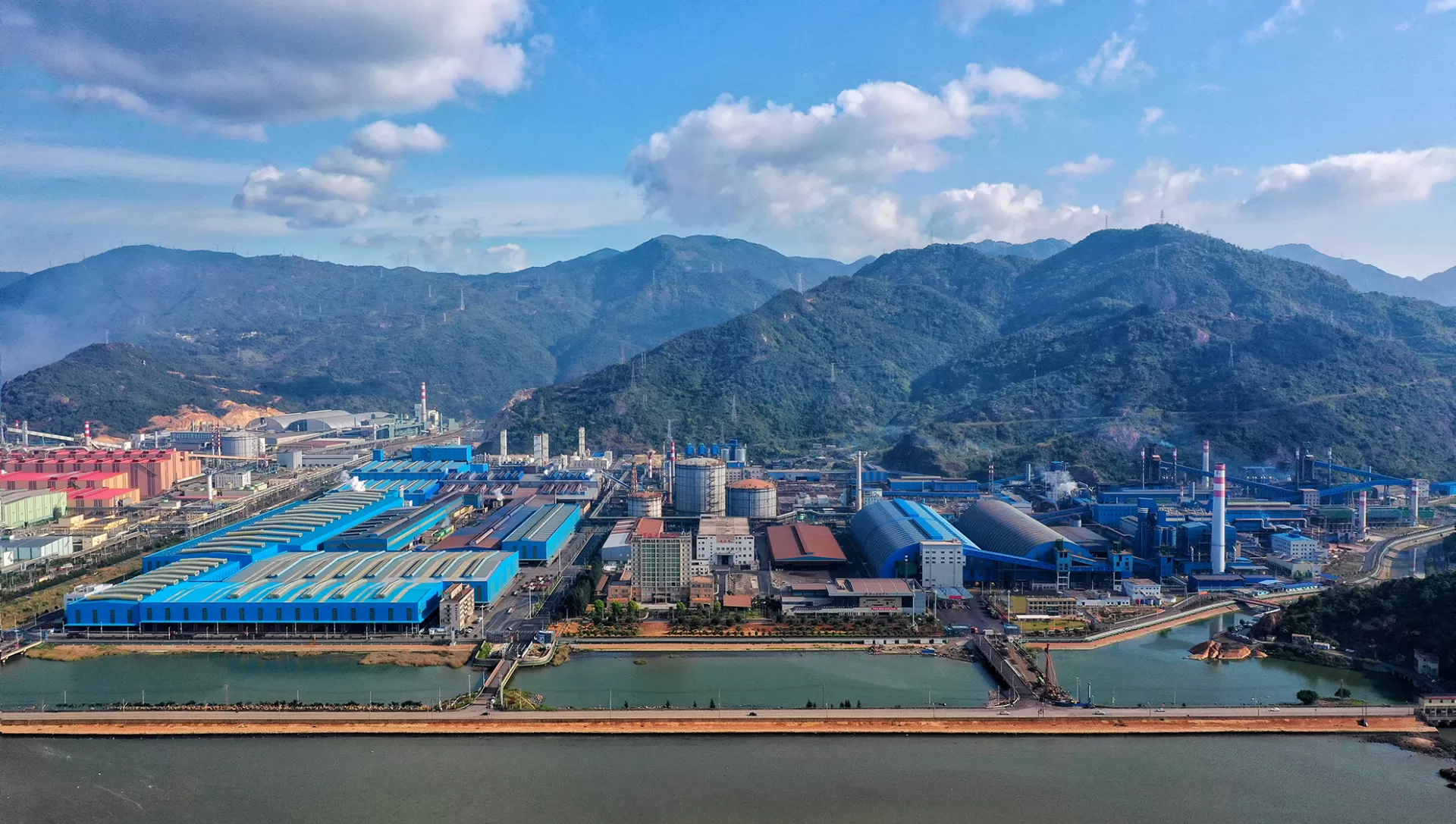
For infrastructure projects requiring certified material performance, suppliers such as Golden Fortune provide technical datasheets that include these metrics for their GGBFS product grades, enabling engineers to incorporate slag blends into design codes and service life prediction models.
Application Scenarios and Industry Requirements
The selection of GGBFS for enhanced anti-seepage and anti-carbonation ability is particularly relevant in the following contexts:
Marine and tidal zone structures: Alternating wet-dry cycles accelerate chloride ingress and carbonation. The reduced permeability and refined pore structure of GGBFS concretes offer extended durability in splash zones and submerged elements.
Underground and water-retaining structures: Basements, tunnels, reservoirs, and sewage treatment tanks benefit from reduced water penetration and resistance to biogenic sulfuric acid attack, both of which are linked to the denser matrix.
Bridge decks and highway pavements: Exposure to de-icing salts and vehicular loads demands high resistance to both carbonation and chloride-induced corrosion. GGBFS blends provide a cost-effective alternative to more expensive specialty cements.
Precast and prestressed concrete: The improved durability profile of GGBFS concretes aligns with the service life requirements for precast segments, particularly in aggressive ground conditions or areas with high atmospheric CO₂ concentrations.
Each of these applications places specific demands on the concrete mix design, including water-to-binder ratio, curing regime, and replacement level. A one-size-fits-all approach is rarely suitable; performance optimization requires a balance between early-age strength development, setting time, and long-term durability gains. Golden Fortune collaborates with concrete producers and contractors to tailor GGBFS specifications to project-specific exposure classes and performance criteria.
Long-Term Performance and Service Life Extension
While short-term laboratory tests provide comparative data, the true value of improved anti-seepage and anti-carbonation ability is realized over decades of field exposure. The reduced transport rates of water, CO₂, and chlorides translate directly to extended time to corrosion initiation. For infrastructure assets with design lives of 50 to 120 years, even a modest reduction in diffusion coefficients—when compounded over time—results in significant extensions of the maintenance-free period.
Field inspections of structures constructed with GGBFS concretes, some now exceeding 40 years of service, generally report lower carbonation depths and reduced incidence of reinforcement corrosion compared to contemporaneous Portland cement structures in similar environments. These observations are supported by service life prediction models based on Fick's second law of diffusion, which incorporate the reduced effective diffusion coefficients of GGBFS blends.
From a life-cycle cost perspective, the incremental material cost of GGBFS—often lower than that of Portland cement—combined with reduced maintenance requirements offers a compelling economic argument. For infrastructure owners and EPC contractors, specifying GGBFS represents a balance of capital cost, durability performance, and sustainability credentials, given the lower embodied carbon of slag compared to clinker.
Frequently Asked Questions
What is the optimal GGBFS replacement level for maximum anti-seepage and anti-carbonation ability?
The optimal replacement level depends on the exposure conditions, curing regime, and required early-age strength. For most structural applications, replacement levels between 40% and 60% provide a favorable balance of reduced permeability, enhanced carbonation resistance, and acceptable early-age strength development. Higher replacements (70% or above) may further improve long-term durability but demand extended moist curing to achieve adequate early performance.
Does GGBFS concrete require different curing methods to achieve its anti-seepage and anti-carbonation potential?
Yes, GGBFS blends exhibit lower early-age heat release and slower pozzolanic reactions compared to plain cement. Adequate moisture availability during the first 7 to 14 days is essential to promote the secondary C-S-H formation that underpins pore refinement. Curing methods such as wet hessian, plastic sheeting, or curing compounds are recommended, particularly in hot or windy conditions where evaporation rates are high.
How does the anti-carbonation performance of GGBFS concrete compare to other supplementary cementitious materials like fly ash or silica fume?
Each SCM has a distinct carbonation profile. Silica fume offers very high early-age pozzolanic activity and extreme pore refinement, but its high water demand and cost limit its use. Fly ash (Class F) provides similar long-term densification but with slower reaction kinetics and higher carbonation rates at early ages. GGBFS occupies a middle ground, offering reliable carbonation resistance across a wider range of replacement levels and curing conditions, with the added benefit of reduced permeability.
Can GGBFS be used in combination with other additives to further improve anti-seepage and anti-carbonation ability?
Ternary blends of GGBFS with small additions of silica fume or metakaolin are sometimes specified for very aggressive environments. The ultrafine particles of silica fume further refine the pore structure, while GGBFS maintains the chemical balance and workability. Such combinations require careful mix design and testing to avoid excessive water demand or setting time issues.
What testing standards should be specified to verify anti-seepage and anti-carbonation ability in a GGBFS concrete supply contract?
For project specifications, the following standards provide a comprehensive assessment: BS EN 12390-8 for water penetration, BS EN 13295 for accelerated carbonation, and NT BUILD 492 or ASTM C1202 for chloride migration. These tests, performed on site-cured specimens or concrete from the actual production mix, offer reliable verification of the specified performance levels. Additional microstructural analysis (MIP or SEM) can be included for research or quality assurance purposes.
Is the improved anti-seepage and anti-carbonation ability of GGBFS concrete maintained under high-temperature or fire exposure?
Exposure to temperatures above 300°C initiates dehydration of C-S-H and decomposition of carbonates, which can compromise the pore structure and transport properties. While GGBFS concretes show comparable or slightly better residual performance than plain cement pastes after elevated temperature exposure, fire resistance is a separate design consideration that involves spalling protection and thermal analysis.
Specification Guidance for Procurement and Engineering Teams
For B2B buyers and engineering specifiers, the integration of GGBFS into concrete mix designs for improved anti-seepage and anti-carbonation ability requires a systematic approach. The following steps are recommended:
Define exposure classes according to EN 206 or ACI 318, identifying the relevant deterioration mechanisms for the project location.
Select the GGBFS replacement level based on the required durability performance, early-age strength, and logistical constraints related to curing and construction sequencing.
Specify the testing regime for both fresh and hardened properties, including permeability and carbonation tests on representative specimens.
Engage with a qualified GGBFS supplier to obtain product-specific data on fineness, chemical composition, and typical performance curves.
Establish quality control protocols for routine verification of slag content, water-to-binder ratio, and slump retention.
Golden Fortune offers technical support for specifiers and contractors at each stage of this process, from preliminary mix design to on-site quality assurance.
For inquiries regarding GGBFS product specifications, technical datasheets, or project-specific performance modeling, contact the Golden Fortune technical sales team. Our engineers provide detailed guidance on mix design optimization, curing protocols, and compliance testing for infrastructure projects worldwide.