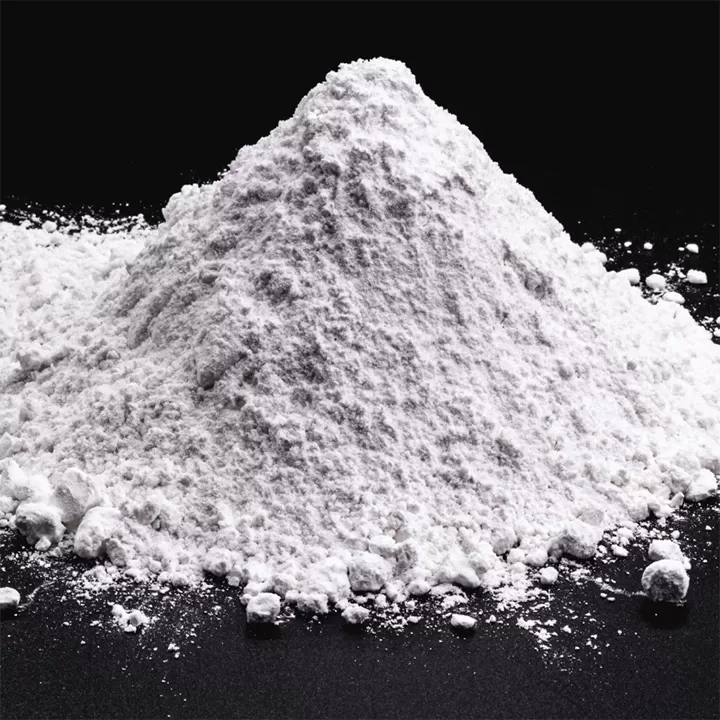
New Generation Superplasticizer for Concrete: Advanced Rheology and SCM Synergy
Discover how a new generation superplasticizer for concrete enhances rheology, reduces water-binder ratios, and maximizes GGBS performance in modern mixes.
Read More
Loading...
Home / SCMS
Discover how a new generation superplasticizer for concrete enhances rheology, reduces water-binder ratios, and maximizes GGBS performance in modern mixes.
Read More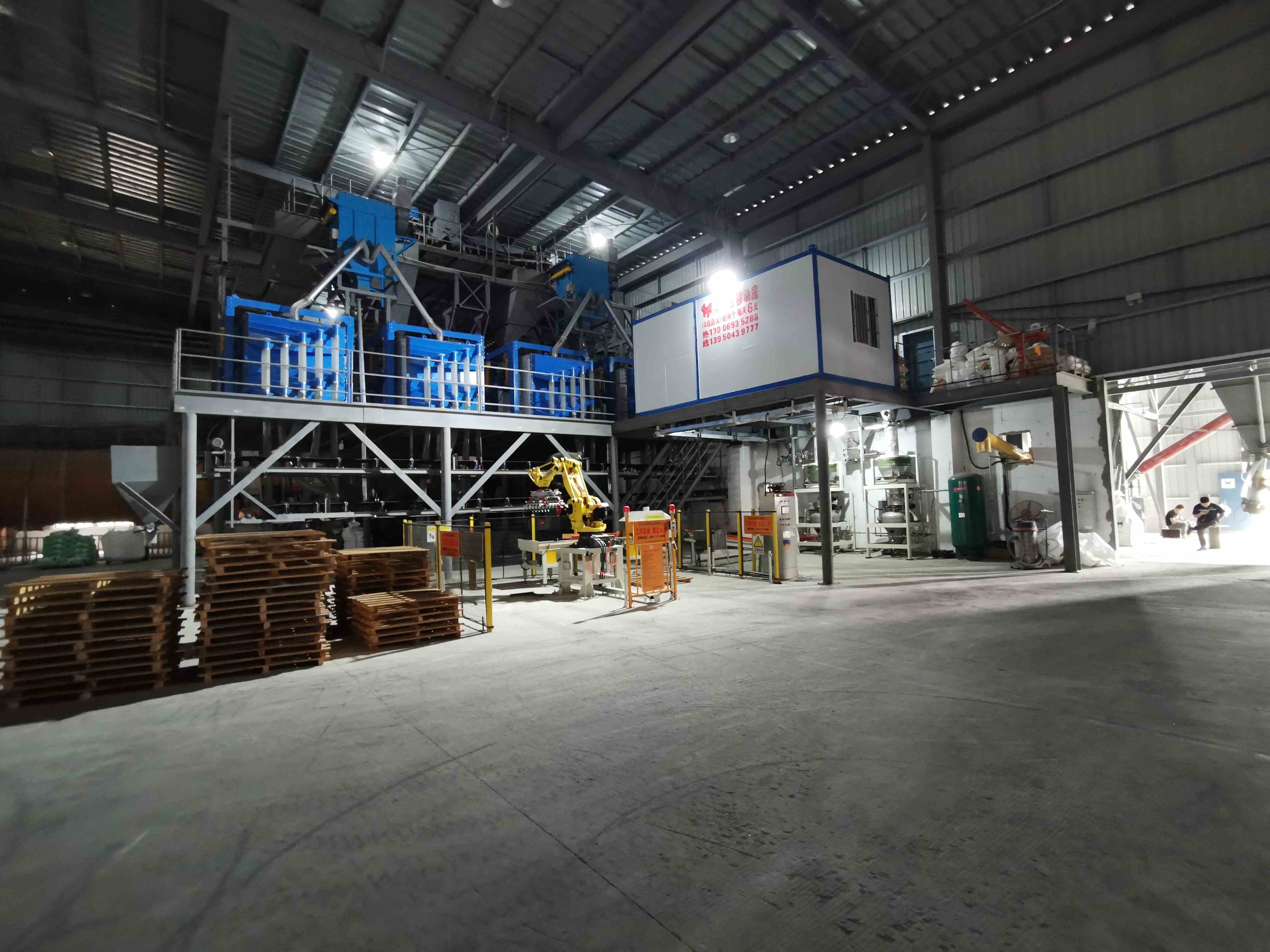
For over a century, portland cement type 1t has served as the backbone of modern infrastructure, from skyscrapers to bridge substructures. As a general-purpose hydraulic binder conforming to ASTM C150 (Type I) and equivalent international standard
Read More
For over a century, portland cement has served as the backbone of modern infrastructure. However, the assumption that “cement is just cement” leads to premature failures, durability issues, and inflated life-cycle costs. Selecting the correct bind
Read More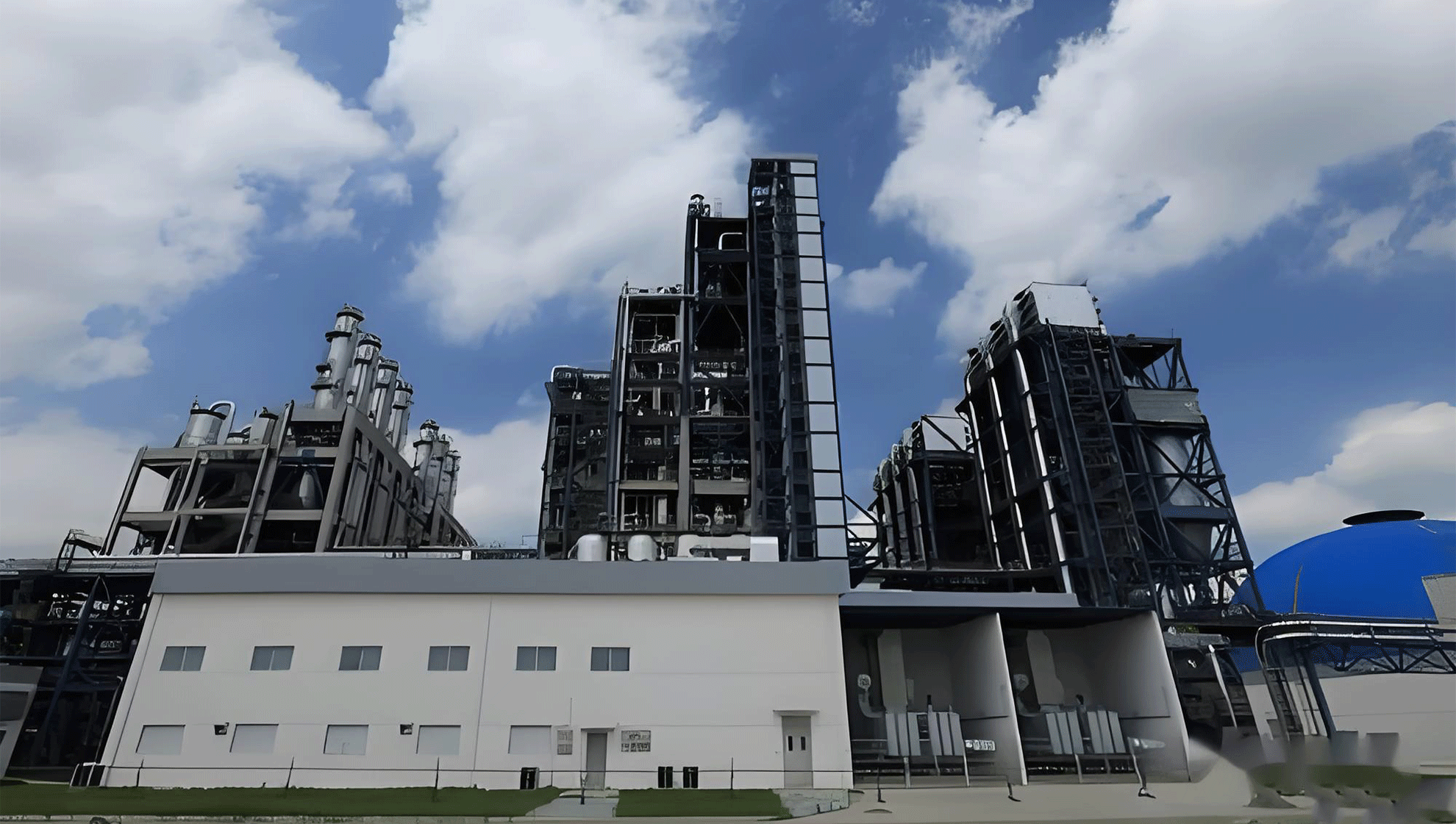
The narrative surrounding construction materials often simplifies cement into a single commodity. In reality, the portfolio of products made from cement represents a sophisticated branch of materials engineering, where chemistry, manufacturing pre
Read More
The use of cement as a binder in concrete has enabled modern infrastructure, but conventional Portland cement production accounts for 8% of global CO₂ emissions. Engineers and specifiers now focus on optimizing the use of cement by replacing a po
Read More
Portland cement 42.5 represents a standard strength class under EN 197-1 and other international specifications, guaranteeing a 28-day compressive strength of at least 42.5 MPa and not less than 62.5 MPa at 28 days for the 42.5R (rapid) variant. T
Read More
For construction material engineers, project specifiers, and ready-mix producers, understanding the full production chain of ordinary Portland cement (OPC) is not just a matter of quality control—it directly influences concrete durability, heat of
Read More
Selecting the right binder is critical for achieving specified early strength, durability, and workability. Cement 52.5 R is a high-strength Portland cement conforming to EN 197‑1, with a 28‑day compressive strength of at least 52.5 MPa and rapid
Read More
The terms "cement" and "Portland cement" are often used interchangeably in construction, but they represent distinct concepts. Cement is a broad category of finely ground inorganic materials that set and harden when mixed with water. Portland ceme
Read More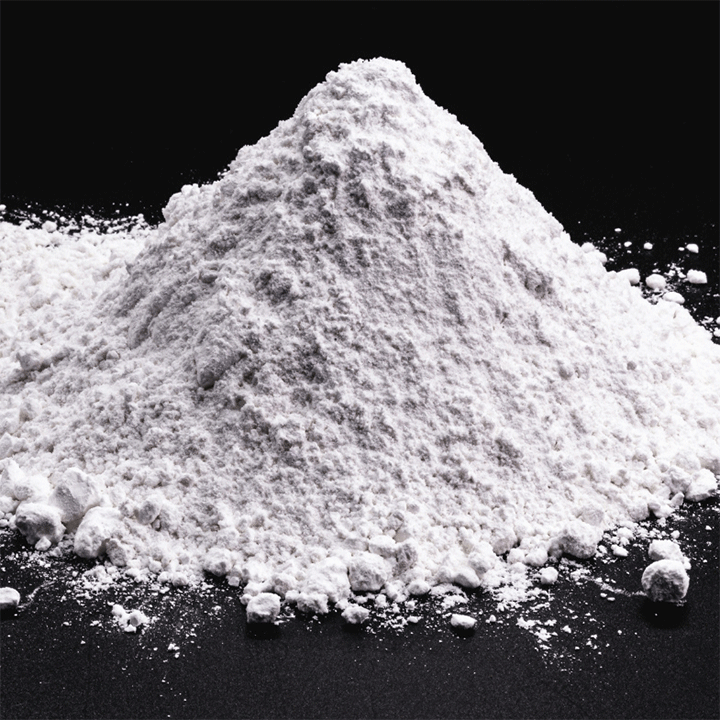
The specification of cement and cement products has evolved beyond ordinary Portland cement (OPC) to include supplementary cementitious materials (SCMs) that improve long-term strength and chemical resistance. Ground granulated blast furnace slag
Read More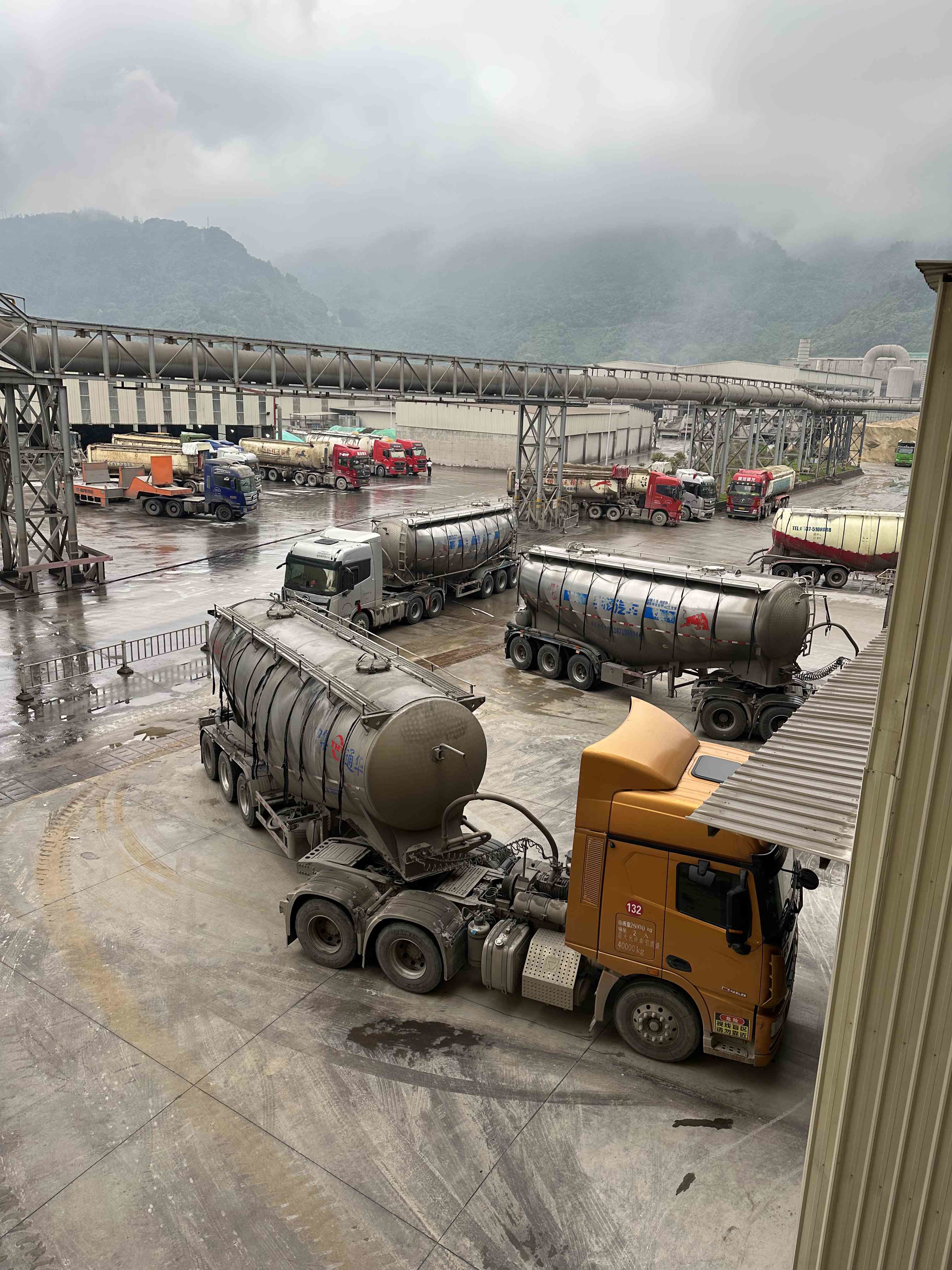
Among the physical properties of hydraulic binders, cement gravity (specific gravity, typically 3.10–3.20 for Portland cement) is often overlooked in favor of fineness and chemical composition. However, this value directly controls concrete yield,
Read More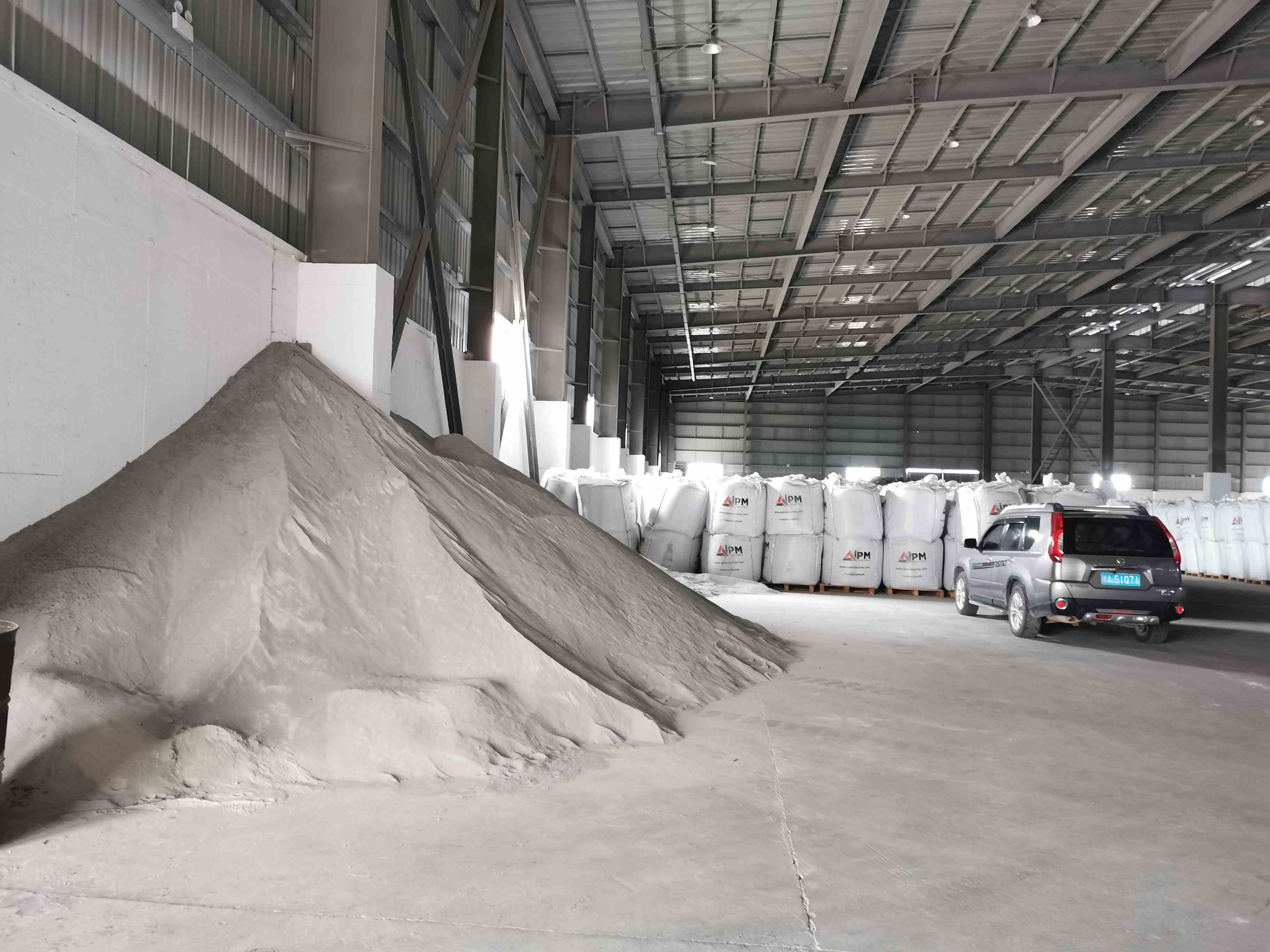
For decades, the construction industry has struggled to reconcile two opposing forces: the need for high-performance binders and the imperative to reduce environmental impact. Portland cement production accounts for nearly 8% of global CO₂ emissio
Read More
For ready-mix producers, precast manufacturers, and construction material buyers, the assumption that all Portland cement behaves similarly is a frequent source of specification failures. The actual cement mineral composition — the relative proport
Read More
Specifiers and ready-mix producers face increasing pressure to lower embodied carbon without compromising resistance to sulfates, chlorides, or freeze-thaw. type it cement — defined in ASTM C595 as ternary blended hydraulic cement — offers a prec
Read More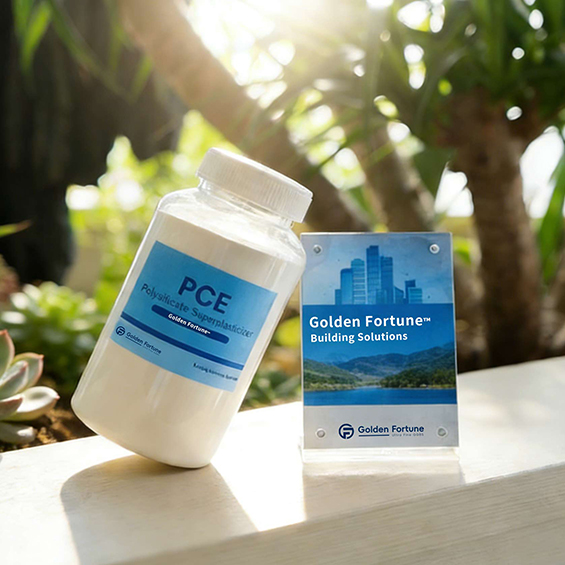
Optimizing Modern Concrete with Advanced Cement Powder and GGBS | Golden FortuneIn the realm of modern construction, cement powder remains the foundational binder that shapes our built environment. However, the industry faces mounting pressure to red
Read More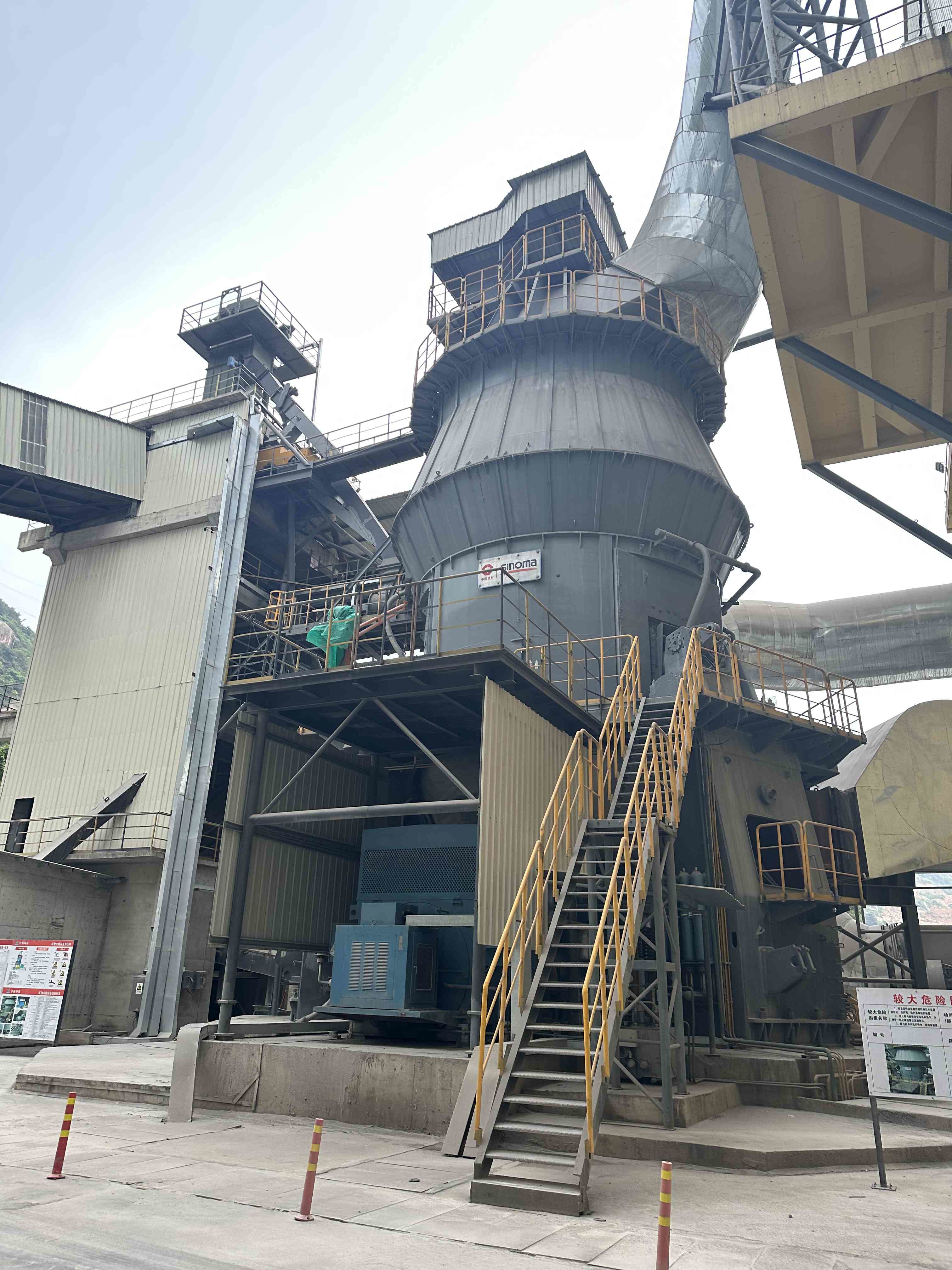
Advanced Concrete Solutions: Enhancing Durability and Sustainability with GGBSConcrete is the most widely used man-made material on the planet, yet its traditional formulation faces mounting pressure to evolve. Engineers, contractors, and specifiers
Read More
Modern construction relies on a sophisticated understanding of cement and additives to achieve specific performance characteristics that ordinary portland cement alone cannot provide. The interaction between the base binder and carefully selected
Read More
Ordinary Portland Cement (OPC) in Depth: Composition, Performance, and Pathways to Low‑Carbon Constructionopc ordinary portland cement remains the fundamental binder in global construction, with annual production exceeding 4 billion metric tons. Its
Read More
GGBS-Optimized Cementitious Concrete: Performance & SustainabilityConcrete remains the most consumed material on Earth after water, yet traditional Portland cement production accounts for nearly 8% of global CO₂ emissions. The strategic use of supple
Read More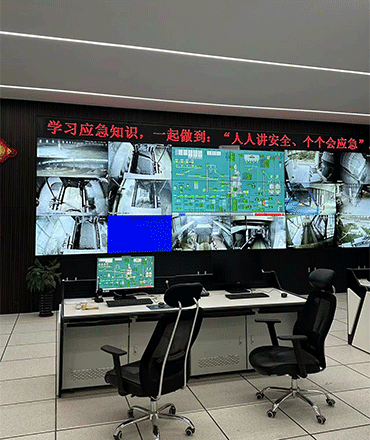
In the evolving landscape of construction, the selection of appropriate cementing materials determines not only structural integrity but also environmental impact. Portland cement, while dominant, is increasingly complemented by secondary cementin
Read More