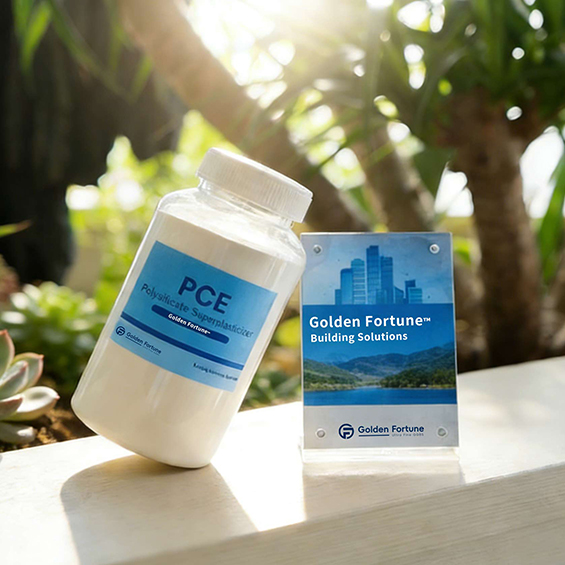
7 Critical Stages of How Cement is Made: A Technical Breakdown for Industry Professionals
Cement is the most consumed material on earth after water. Understanding how cement made from raw materials to finished binder helps engineers optim
Read More
Loading...
Stay updated with the latest news and developments from our company.
Cement is the most consumed material on earth after water. Understanding how cement made from raw materials to finished binder helps engineers optim
Read More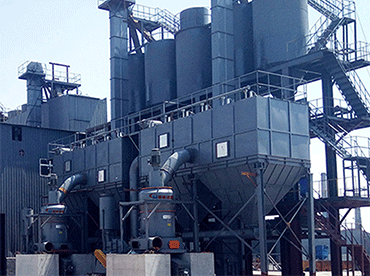
Industrial warehouses, distribution centers, and manufacturing plants rely on concrete on ground slabs that resist cracking, curling, and abrasion f
Read More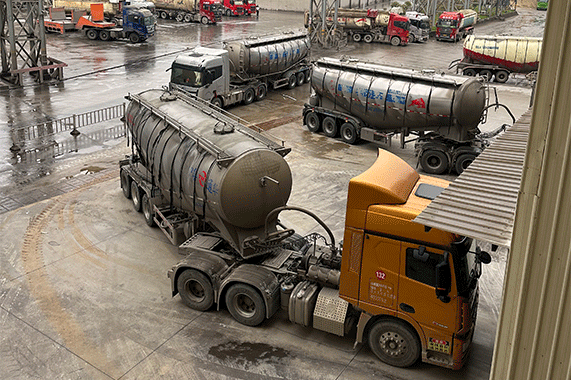
As the primary binder in concrete, portland tsement provides the strength and durability required for foundations, pavements, and precast elements. H
Read More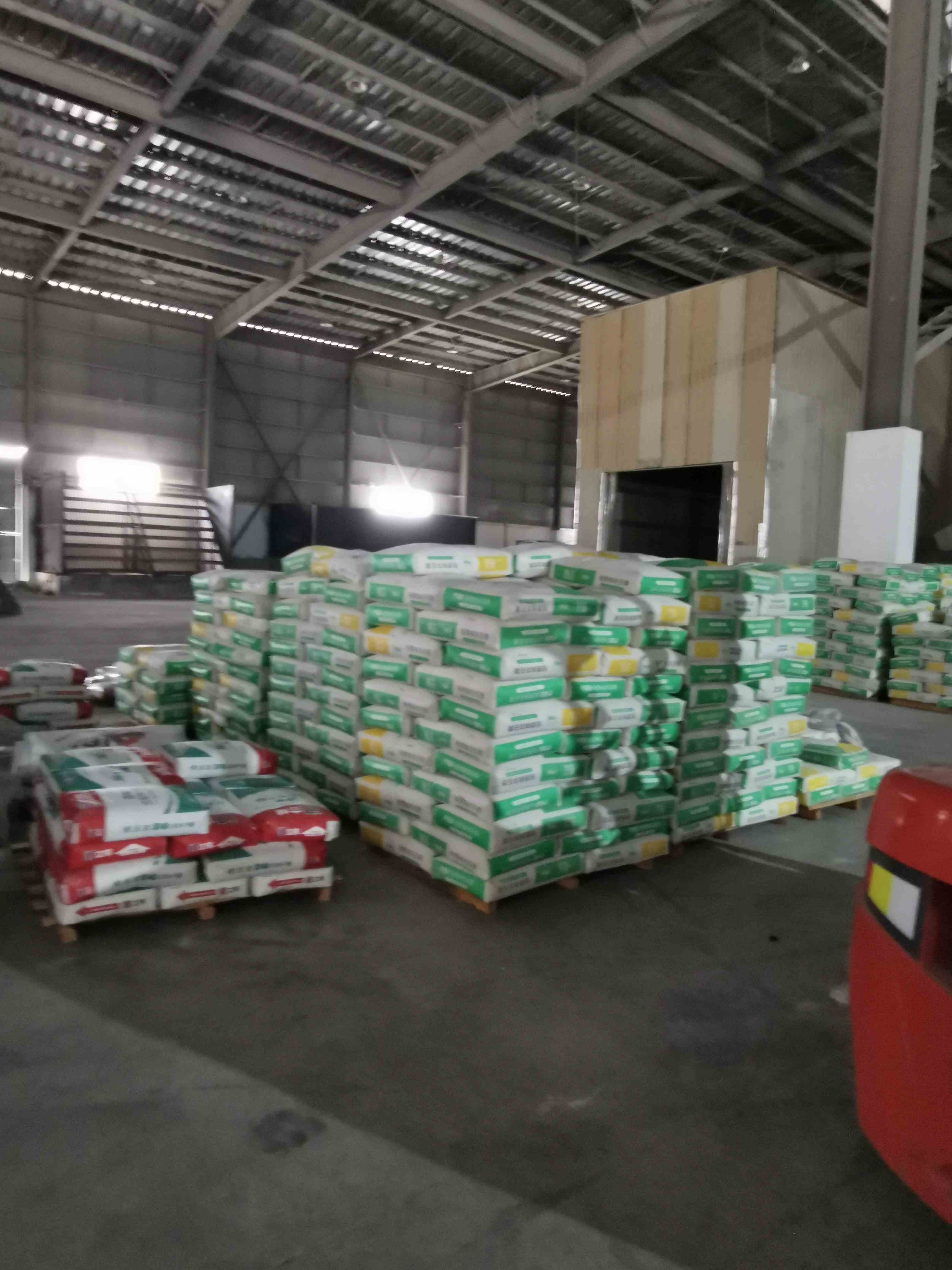
Selecting the right binder is critical for achieving specified early strength, durability, and workability. Cement 52.5 R is a high-strength Portlan
Read More
Portland type I cement, conforming to ASTM C150, is the most widely used general‑purpose hydraulic binder in the world. It is suitable for concrete
Read More
In modern concrete technology, the term white powder on cement frequently appears in technical specifications, quality control reports, and job site
Read More
For general construction projects worldwide, type I cement portland remains the most widely specified hydraulic binder. Defined by ASTM C150 and AASH
Read More
Understanding what portland cement made of is fundamental for civil engineers, concrete producers, and construction specifiers. The precise combinat
Read More
For concrete specifiers, ready‑mix producers, and green building consultants, finding a reliable eco friendly cement alternative is no longer a nich
Read More
Architectural concrete has moved beyond structural function to become a design statement. Achieving a consistent white color for concrete is challeng
Read More