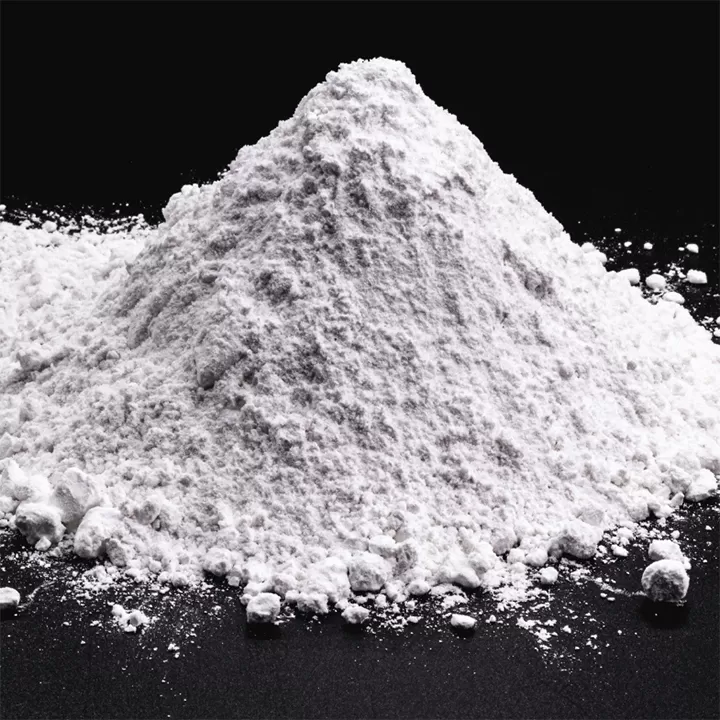
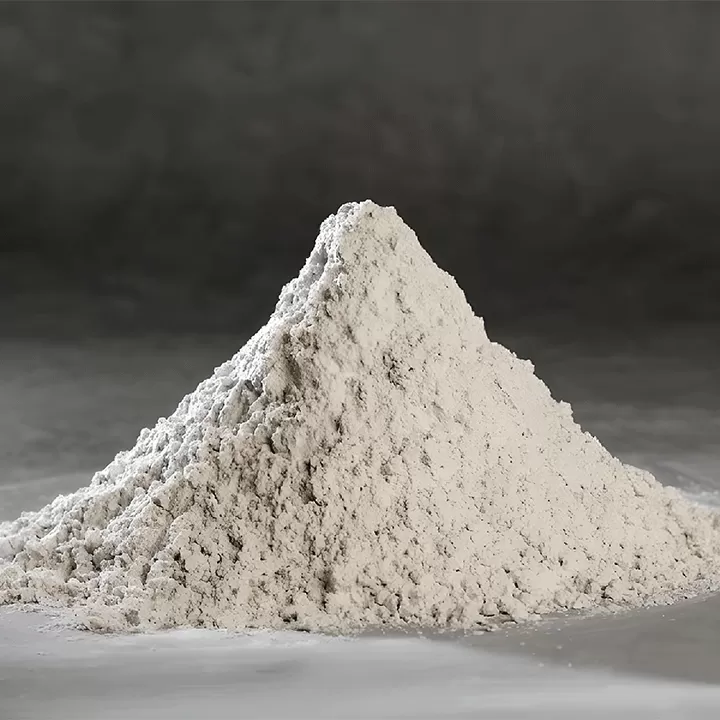
Granulated blast furnace slag, widely designated as GBFS, represents a cornerstone of modern construction chemistry and decarbonized binder technology. Produced as a coproduct of iron manufacturing in high-temperature blast furnaces, this glassy, granular material possesses latent hydraulic properties that fundamentally transform concrete when ground and blended with Portland cement. The transformation of molten silicate and aluminosilicate residue into an engineered supplementary cementitious material requires exact thermodynamic control, targeted chemical composition, and strict logistical management. Infrastructure planners, batching plant engineers, and materials specifiers rely on this vitrified byproduct to simultaneously depress the carbon footprint of massive structures, enhance durability against aggressive chemical attacks, and improve long-term mechanical load-bearing capacity.
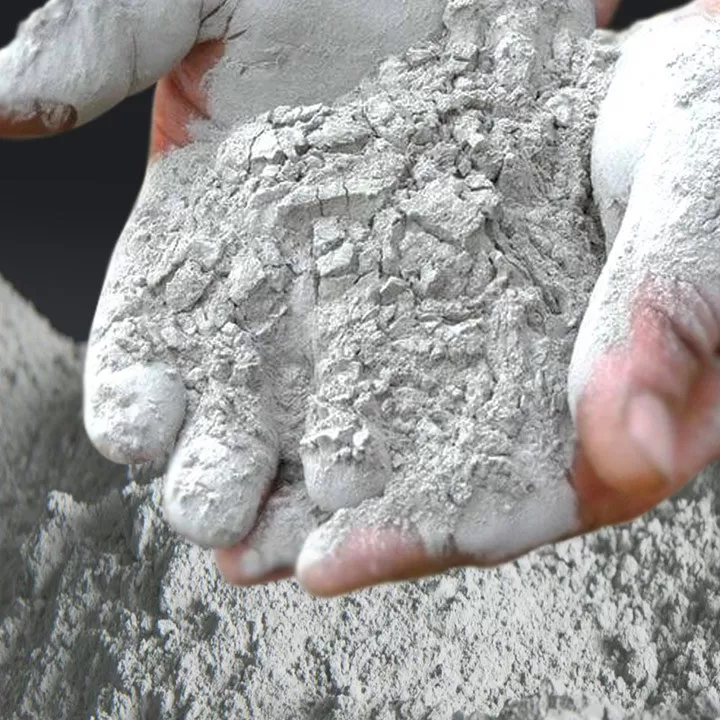
Pyrometallurgical Generation and Vitrification Dynamics
The manufacturing sequence begins inside the metallurgical blast furnace, where iron ore (principally hematite or magnetite), coke, and limestone or dolomite flux are subjected to operating temperatures exceeding 1500°C. The flux agents bind non-ferrous gangue elements within the ore, producing a low-density liquid layer of molten aluminosilicates that floats above the denser liquid pig iron. Periodic tapping separates these distinct phases.
The engineering utility of the resulting mineral melt depends entirely on the cooling vector applied immediately after exiting the taphole. Slow ambient cooling causes crystallization, producing unreactive compounds such as melilite (a solid solution of gehlenite and åkermanite) and dicalcium silicate. These crystalline arrangements lack latent hydraulic capacity and serve only as aggregate.
Rapid thermal quenching prevents atomic reorganization into a crystalline lattice. Direct impinging jets of high-pressure water cool the molten stream from 1450°C to under 100°C within fractions of a second. This violent thermal drop freezes the disordered liquid structure, yielding an amorphous, vitrified solid characterized by a sub-angular, sand-like grain texture. The vitrification efficiency directly dictates the reactivity index of the final product.
- Chemical Quench Rate: Exceeding 100°C per second prevents nucleation of crystalline minerals.
- Glass Phase Proportion: Higher amorphous content directly correlates with superior dissolution rates during cement hydration.
- Physical Granule Profile: Porous, sub-angular morphology typically sized between 0.5 mm and 5 mm, carrying surface moisture that requires mechanical dewatering.
Chemical Composition and Glass-Phase Reactivity
The hydraulic potential of raw GBFS is intrinsically governed by its core oxide formulation: calcium oxide (CaO), silicon dioxide (SiO2), aluminum oxide (Al2O3), and magnesium oxide (MgO). Minor constituents include sulfur (present as sulfide, S2-), iron oxide (Fe2O3), titanium dioxide (TiO2), and manganese oxide (MnO). The basicity of the slag, represented by the ratio of basic oxides to acidic oxides, indicates the dissolution readiness of the glass network.
Standard hydraulic indices quantify this thermodynamic reactivity:
- Basicity Ratio: (CaO + MgO) / (SiO2 + Al2O3). Values surpassing 1.0 signify a basic slag capable of accelerated hydraulic activation.
- German Standard Ratio: (CaO + MgO + Al2O3) / SiO2. Values exceeding 1.2 indicate exceptional cementitious performance when activated.
- Vitreous Fraction: X-ray diffraction (XRD) combined with Rietveld analysis typically measures the amorphous phase, which should exceed 85% to ensure compliance with advanced structural engineering criteria.
The glassy matrix consists of depolymerized silicon-oxygen tetrahedral networks broken up by network-modifying cations, predominantly calcium and magnesium. Higher calcium concentrations elevate the degree of network disruption, facilitating faster ionic release when exposed to an alkaline aqueous environment.
Hydration Kinetics and Microstructural Evolution
Unlike ordinary Portland cement (OPC), granulated blast furnace slag does not react vigorously upon simple contact with water. The immediate formation of an insoluble aluminosilicate protective coating on the grain surface retards early ionic dissolution. Breaking this passivation film requires an alkaline activator, making the chemical synergy between Portland clinker and the slag particles foundational to performance.
The Two-Stage Hydration Mechanism
Portland clinker minerals (alite and belite) react with water during the initial hours of mixing, yielding early strength and releasing substantial volumes of aqueous calcium hydroxide, known mineralogically as portlandite [Ca(OH)2]. This release elevates the pore solution pH above 12.5. Hydroxyl ions (OH-) attack the depolymerized silicate and aluminate bonds within the amorphous slag network, breaking the protective passive film and dissolving the constituent ions into the pore solution.
The released silicate and aluminate ions combine with the available calcium ions to precipitate secondary Calcium Silicate Hydrate (C-S-H) alongside Calcium Aluminate Hydrate (C-A-H) and ettringite phases. The secondary C-S-H gel exhibits a lower calcium-to-silica (Ca/Si) ratio (approximately 1.0 to 1.3) than primary C-S-H formed through pure OPC hydration (which averages 1.7 to 2.0). This lower Ca/Si ratio allows higher incorporation of alkali and foreign ions within the gel structure, immobilizing contaminants that would otherwise destabilize the cement paste.
Pore Architecture Refinement
Primary Portland cement hydration yields large, interconnected capillary pores alongside crystalline portlandite clusters that represent structural planes of weakness. Secondary hydration consuming this slag progressively fills macroscopic voids with dense, amorphous gel. The continuous conversion of soluble, plate-like Ca(OH)2 into space-filling secondary C-S-H shifts the concrete pore size distribution toward fine gel micropores (diameters less than 10 nanometers). This refinement lowers the permeability coefficient of the matrix by several orders of magnitude.
Durability Mechanics in Aggressive Environments
Concrete structures operating in demanding industrial, marine, or subterranean regimes require chemical defense mechanisms embedded directly into the matrix. Concrete mixes incorporating high volumes of GBFS exhibit superior resilience against multiple degradation mechanisms.
Chloride Ion Ingress Resistance
Reinforced concrete exposed to coastal zones or deicing chemicals encounters chloride penetration, which precipitates corrosion once the chloride threshold at the steel interface is crossed. The reduced pore diameter of slag-blended concrete impairs the physical diffusion of chloride ions. The lower Ca/Si ratio of the secondary C-S-H gel provides a significantly higher capacity for physical chloride adsorption. Aluminate phases within the slag react with incoming chlorides to form Friedel's salt (hydrated calcium chloroaluminate), binding the ions chemically and preventing them from reaching the passive oxide film on steel reinforcement.
Sulfate Defense Mechanisms
Groundwater and industrial soils containing soluble sulfates trigger severe concrete expansion through the formation of expansive ettringite and thaumasite, alongside gypsum conversion. Blended binders limit this breakdown pathway through two distinct mechanisms. The dilution of the Portland clinker fraction reduces the net tricalcium aluminate (C3A) content available for delayed ettringite formation. The progressive consumption of free Ca(OH)2 deprives incoming sulfate ions of the reactant needed to synthesize destructive gypsum.
Mitigation of Alkali-Silica Reaction (ASR)
When reactive siliceous aggregates encounter high-alkali pore solutions, expansive alkali-silica gels form, causing extensive network cracking. The incorporation of granulated slag controls ASR by entrapping alkali ions (sodium and potassium) directly into the low Ca/Si secondary C-S-H matrix. The lower permeability limits the moisture ingress necessary to swell existing alkali gels, rendering the internal concrete matrix mechanically stable across long service lives.
Thermal Moderation in Mass Pours
Massive infrastructural components—such as dam abutments, bridge caissons, and thick foundation slabs—develop severe internal thermal stresses from the exothermic hydration of Portland cement. The activation enthalpy of the slag component is significantly higher than that of alite, meaning its reaction initiates slower and dissipates energy across a prolonged timeframe. Blending replacement rates between 50% and 70% reduces the peak adiabatic temperature rise, limiting thermal gradient disparities between the core and surface of mass pours, effectively controlling early thermal micro-cracking.
Technical Standards, Quality Control, and Supply Chain Stability
Procuring consistent GBFS requires rigorous tracking of chemical indices, moisture content, and vitrification percentages. Material variations at the ironmaking stage can alter both grindability and final reactivity, necessitating tight operational controls between the blast furnace taphole and delivery terminals.
| Property Parameter | Typical Range | Primary Test Methodology | Engineering Significance |
|---|---|---|---|
| Glass Content | 85% – 98% | XRD / Optical Microscopy | Determines latent hydraulic reactivity potential |
| Moisture Content | 6% – 15% | ASTM C566 Gravimetric | Governs handling, storage, and milling energy inputs |
| Bulk Density (Dry) | 1.0 – 1.4 g/cm³ | ASTM C29 / EN 1097-3 | Affects bulk freight logistics and silo volumetric capacities |
| Specific Gravity | 2.85 – 2.95 g/cm³ | Le Chatelier / Pycnometer | Crucial for accurate concrete mix yield calculations |
| Chloride Ion Content | < 0.05% | EN 196-2 Chemical Titration | Protects steel reinforcement from baseline corrosion |
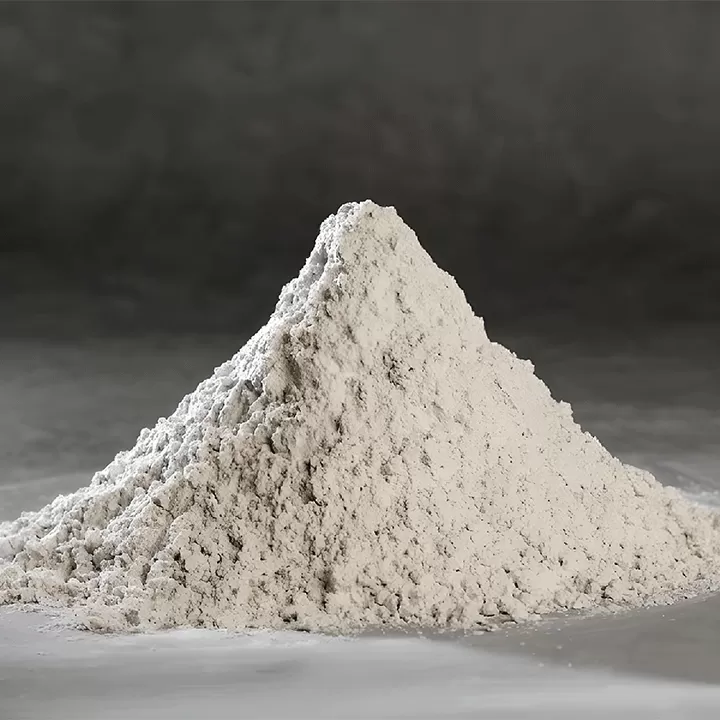
Global suppliers such as Golden Fortune coordinate directly with major steel-producing hubs to ensure that raw granulated slag maintains chemical uniformity over multi-vessel delivery contracts. Variations in cooling water pressure or chemical additions in the blast furnace alter the physical grindability index of the material. Specialized processing partners evaluate Hardgrove Grindability Index (HGI) metrics, ensuring that downstream milling infrastructure can convert the raw material into ground granulated blast furnace slag (GGBFS) within target Blaine fineness envelopes (typically 4000 to 5500 cm²/g) without excessive electrical energy expenditure.
Logistical management requires handling the moisture inherent to the granulation water. Raw stockpiles exposed to high humidity and rain compact readily, shifting bulk handling dynamics during transshipment. Standardized terminal management protocols implemented by Golden Fortune focus on rapid draining setups, specialized grab infrastructure, and covered storage systems that prevent localized cementation or packing in bulk marine carriers.
Concrete Mix Design Optimization and Field Installation
Balancing high replacement rates with practical construction schedules requires meticulous concrete design adjustments, particularly regarding ambient temperature and early mechanical loading.
Strength Progression Curves
Blended systems demonstrate a distinct strength progression trajectory compared to pure OPC mixes. Initial 1-day and 3-day compressive strengths are lower, reflecting the delay required for clinker hydration to liberate sufficient calcium hydroxide to activate the slag glass. By 28 days, strengths typically match benchmark mixes; at 56, 90, and 365 days, the refined microstructural density results in ultimate compressive and flexural values exceeding pure Portland controls.
- Structural Slabs and Columns (30% to 50% Replacement): Delivers balanced early strength suitable for standard formwork stripping intervals alongside improved long-term matrix density.
- Marine and Subterranean Substructures (50% to 70% Replacement): Maximizes chloride resistance, cuts matrix permeability, and limits autogenous expansion.
- Hydraulic Engineering and Mass Pours (65% to 80% Replacement): Focuses on minimal thermal release, long-term matrix consolidation, and sulfate attack mitigation.
Curing Protocols and Water Management
Because the hydration of the glass phase depends upon extended pore-fluid saturation, blended concrete displays heightened sensitivity to early moisture loss. Premature drying arrests secondary hydration in the outer concrete shell, leading to surface dusting, scaling, and accelerated carbonation depths. Curing periods must be extended by 48 to 72 hours beyond standard OPC guidelines. Wet burlap curing, chemical curing compounds, and delayed formwork stripping ensure the surface concrete develops identical dense microstructures to internal mass zones.
Frequently Asked Questions (FAQ)
How does unground GBFS differ from finely milled blast furnace slag?
The unground form refers to the raw, sand-like vitrified material discharged directly from the water quench process, with grain sizes typically ranging from 0.5 to 5.0 mm. It cannot be mixed directly into concrete batching operations as a reactive cement replacement due to its low specific surface area. Milled slag represents the processed material ground down to powder fineness (Blaine fineness typically exceeding 400 m²/kg), exposing the glass network to enable uniform hydration activation.
What parameters define the reactivity index of slag before milling?
Reactivity depends fundamentally on two variables: the amorphous glass content (which should ideally exceed 85% to 90%) and the chemical basicity ratio. Slags produced from higher-grade iron ores using dolomite or calcite fluxes yield elevated calcium and aluminum concentrations, driving more spontaneous dissolution upon contact with alkaline pore fluids.
Does using high proportions of slag alter concrete setting times?
Yes. Replacing significant fractions of Portland cement with granulated slag extends both initial and final setting times, particularly in cool ambient temperatures. This delay occurs because the dissolution of the glass phase requires the prior release of clinker hydration byproducts. While setting delays require adjusted formwork schedules, they offer extended workability retention and eliminate cold joints during extensive, continuous pours.
What handling methods prevent material consolidation during bulk ocean freight?
Raw granular slag carries between 6% and 15% free moisture from the granulation dewatering screens. Proper ocean transport demands vessel holds with operational bilge pumping systems to continuously remove drained interstitial water. Material should be loaded with controlled drop heights to prevent dense structural packing, which complicates grab discharge operations at destination terminals.
Can raw granulated slag undergo spontaneous cementation during long-term outdoor storage?
Raw granulated material does not set autonomously when stored in outdoor stockpiles, provided it is not exposed to external alkaline activators (such as lime, Portland cement dust, or alkaline industrial runoff). Pure water alone cannot disrupt the stable aluminosilicate passive film. Physical consolidation can occur under extreme stockpile depths due to gravity and inter-grain mechanical locking, but this is a physical rather than a chemical transformation.
Commercial Procurement and Supply Inquiries
Securing reliable, high-volume consignments of unground granulated slag requires transparent raw material verification, verified glass content documentation, and consistent logistics execution. Batching plants, grinding mill operators, and international cement conglomerates must maintain predictable material inflows to ensure consistent plant throughput and stable concrete performance. For structural specifications, chemical analysis certificates, logistics options, or commercial quotations regarding uniform bulk shipments, Golden Fortune provides full-spectrum technical validation and industrial supply services. Submit your procurement volumes, target chemical specifications, and discharge port parameters below to initiate a technical review with our materials engineering division.