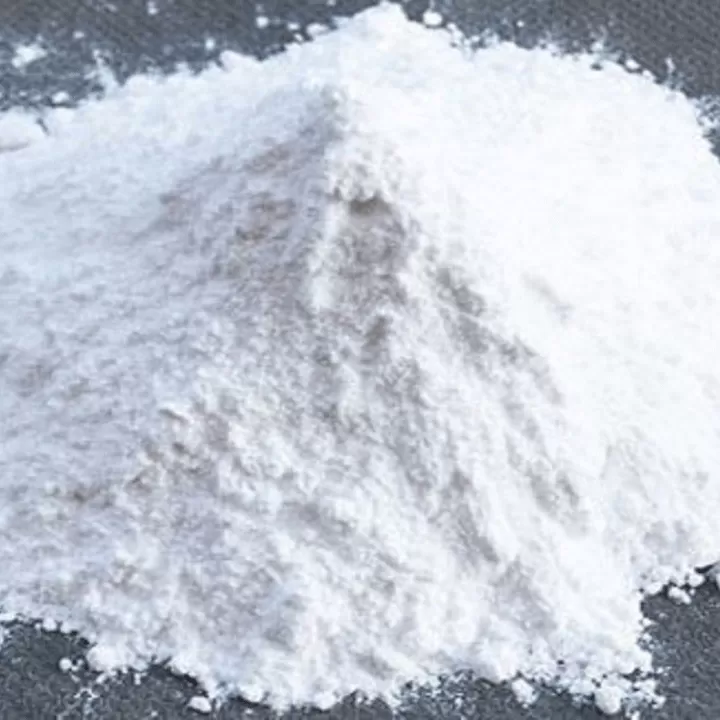
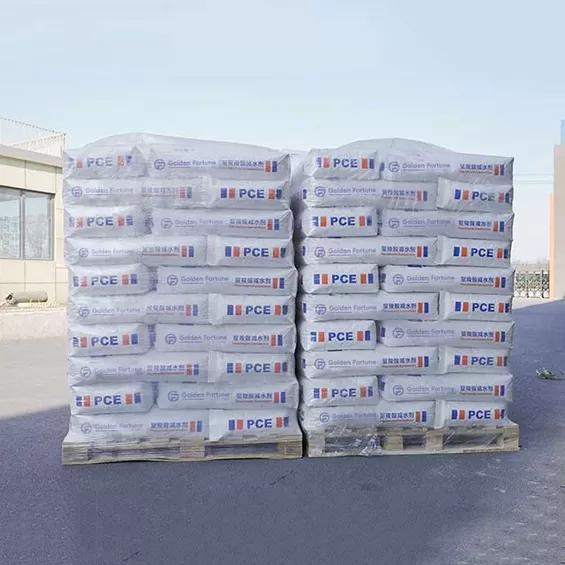
The decarbonization trajectory of the global construction and infrastructure sector centers largely on the reduction of clinker consumption in hydraulic binders. Ordinary Portland Cement (OPC) production remains one of the most energy- and carbon-intensive industrial operations worldwide, contributing approximately 8% of global greenhouse gas emissions. Most of these emissions originate from the chemical calcination of limestone (converting calcium carbonate into calcium oxide) along with the elevated thermal energy required to sustain clinkerization temperatures of 1450°C. Mitigating this dynamic requires the widespread adoption of advanced supplementary cementitious materials (SCMs), led by Ground Granulated Blast-Furnace Slag (GGBS/GGBFS).
Modern thermal efficiency protocols and electrification in raw material handling have made an embodied carbon value of 32Kgs CO2 per ton low carbon footprint achievable for industrial-grade GGBS. When evaluated against the global OPC baseline, which regularly exceeds 800 to 900 kilograms of carbon dioxide equivalent per ton, this milestone represents a radical shift for ready-mix concrete producers, civil engineering contractors, and structural specifiers. Reaching this performance tier is not merely an environmental credential; it serves as a critical engineering lever for high-performance, low-carbon infrastructure design.
Supplying markets with materials verified at this threshold requires optimized logistics and ultra-efficient grinding assets. Industrial supply chains managed by Golden Fortune facilitate access to these high-grade, slag-based solutions, allowing major infrastructure programs to hit aggressive sustainability metrics without sacrificing structural performance or durability.
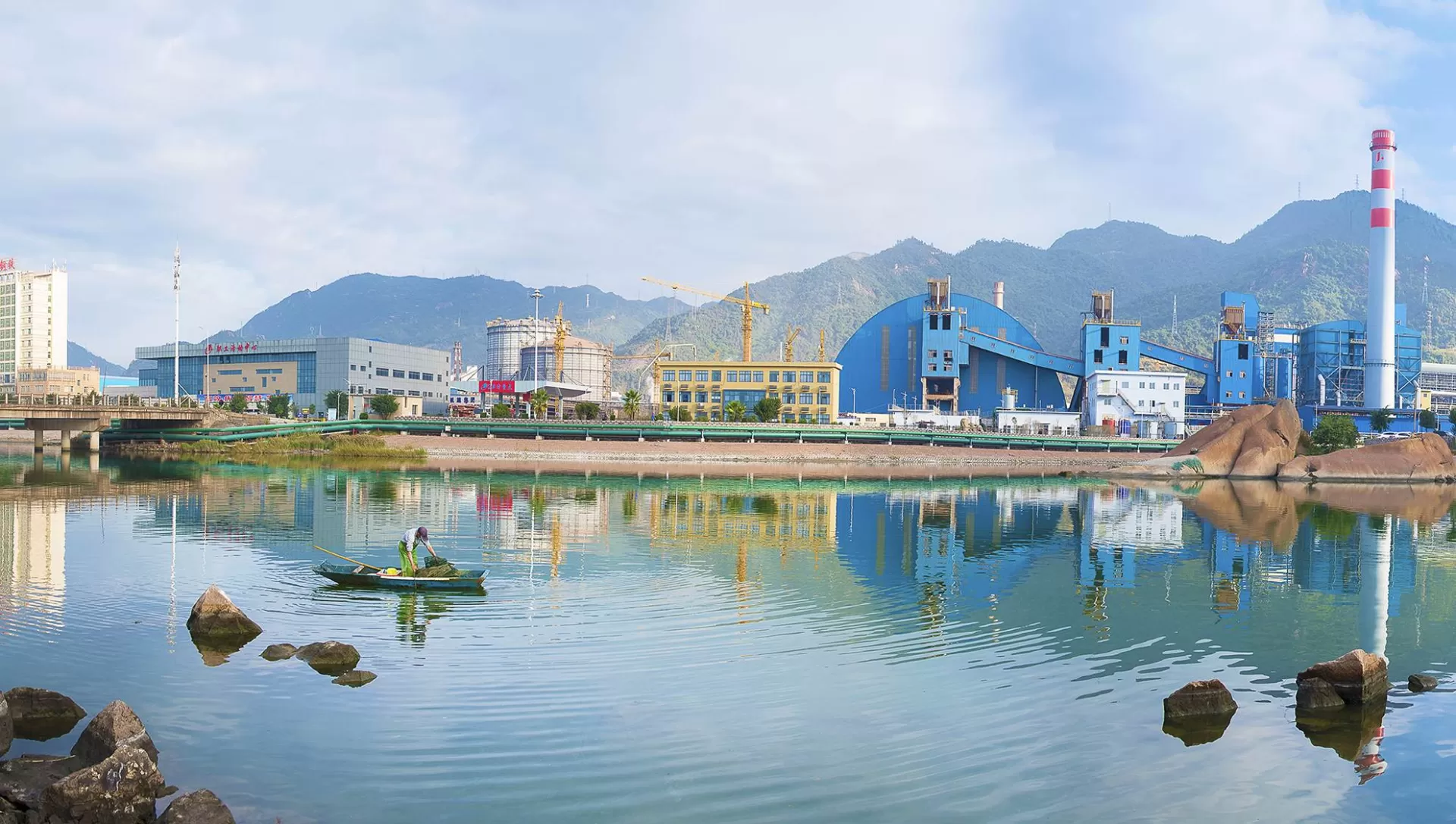
Cradle-to-Gate Life Cycle Assessment: Deriving the Metric
The evaluation of a 32Kgs CO2 per ton low carbon footprint requires an examination of the cradle-to-gate Life Cycle Assessment (LCA) boundary, formally defined under ISO 14040, ISO 14044, and EN 15804+A2 standards. In this accounting framework (Modules A1 through A3), blast-furnace slag arrives as a co-product of iron smelting. The environmental allocation methodologies applied to the molten precursor play a decisive role in defining the starting emission threshold.
Under standard European and American product category rules (PCRs), the carbon burden of the blast furnace is attributed almost entirely to pig iron production. Consequently, the primary environmental impact of GGBS starts from the quenching phase through final processing and packaging. The primary emissions driving the lifecycle profile can be segmented into distinct operational stages:
Granulation and Dewatering (A1): High-pressure water quenching converts molten slag into a vitreous, sand-like granule, effectively freezing the glassy amorphous phase necessary for latent hydraulicity. Contemporary dewatering processes minimize retained moisture to under 8%, avoiding excessive fuel usage during downstream drying.
Internal Transport and Logistics (A2): Bulk raw slag transit between the ironworks and the specialized grinding plant contributes directly to Scope 3 upstream emissions. Proximity to deep-water maritime berths or closed-loop conveyor configurations significantly lowers this transport component compared to long-distance truck hauling.
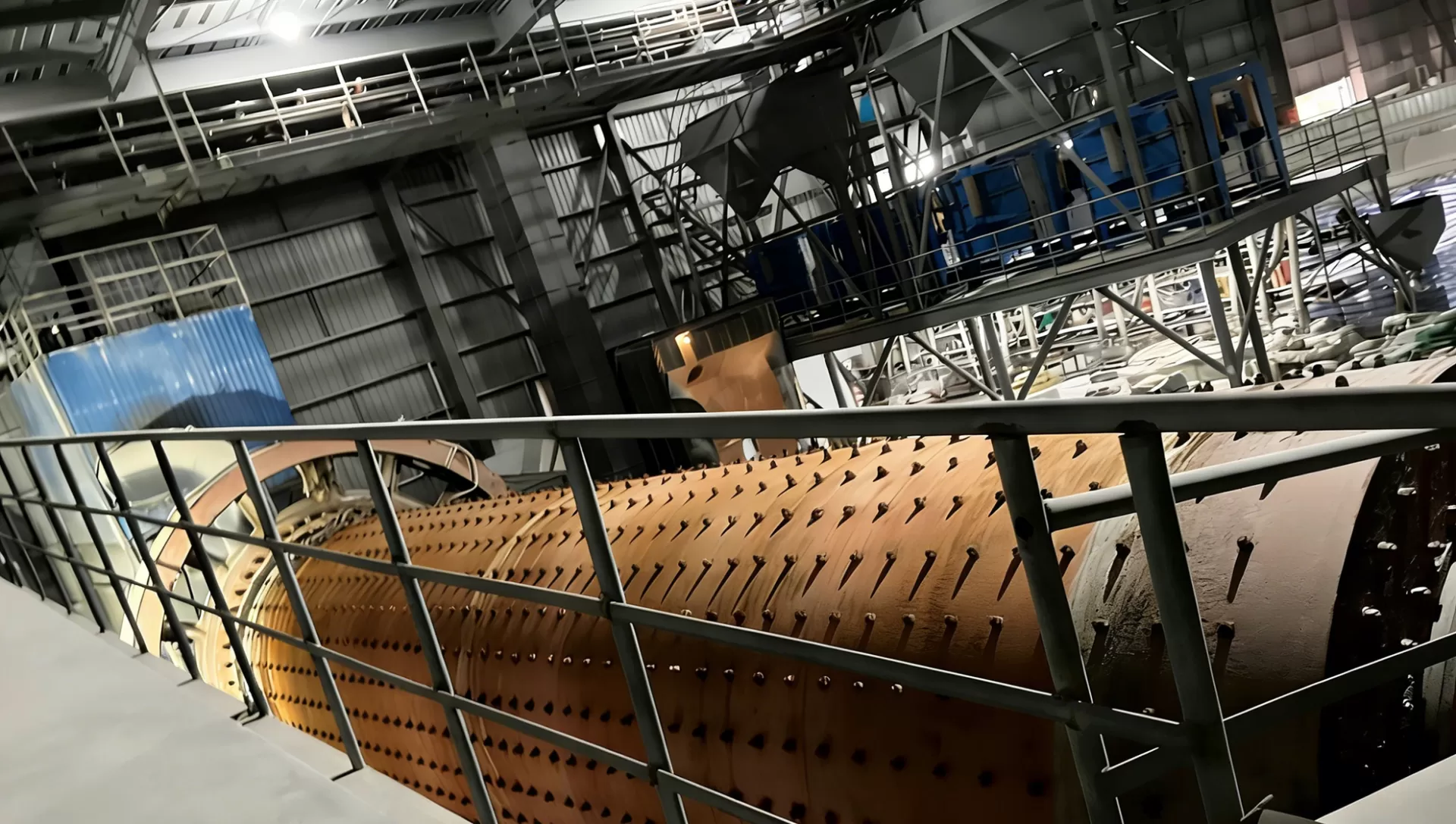
Milling and Classification (A3): The transformation of granulated slag into a fine powder requires significant electrical energy. Traditional ball mills have largely been replaced by high-efficiency Vertical Roller Mills (VRMs) and High-Pressure Grinding Rolls (HPGRs). Modern VRM systems lower specific electrical energy consumption to roughly 30–40 kWh per ton of finished slag.
When grinding facilities operate on modern electric grids with high shares of renewable energy, the cumulative electrical and thermal emissions drop significantly. Rigorous process controls maintain the final embodied impact at the certified level of 32Kgs CO2 per ton low carbon footprint, providing civil engineers with an independently verified baseline for Scope 3 supply chain reduction.
Microstructural Mechanics and Hydration Chemistry of Advanced GGBS
The substitution of OPC with GGBS introduces a two-stage hydration mechanism that improves the long-term microstructure of the cementitious paste. The primary hydration of Portland cement clinker produces calcium silicate hydrate (C-S-H) along with significant quantities of calcium hydroxide (Ca(OH)2), commonly referred to as portlandite. While portlandite contributes basicity to protect passive steel layers, it offers negligible mechanical binding strength and remains vulnerable to leaching and chemical attack.
Vitro-crystalline GGBS functions as a latent hydraulic binder activated by the alkaline environment generated by initial clinker hydration. The dissolved silicate and aluminate ions from the slag glass react continuously with free portlandite to form secondary calcium silicate hydrates (C-S-H) and calcium aluminosilicate hydrates (C-A-S-H). This reaction progressively fills the capillary pore matrix within the paste.
Pore System Refinement: The generation of secondary C-S-H densifies the micro-pore network, reducing the volume of continuous capillary pores larger than 50 nanometers. This pore refinement lowers water permeability and slows the diffusion of deleterious ions into the concrete matrix.
Chloride Ingress Resistance: In marine structures and coastal bridge decks, chloride penetration represents the leading mechanism of rebar depassivation. The refined matrix and higher aluminum oxide content within high-grade slag promote physical adsorption and chemical binding of chlorides, producing stable Friedel's salt.
Mitigation of Alkali-Silica Reaction (ASR): The presence of GGBS reduces the total available equivalent alkalis within the pore fluid, tying them into the secondary hydration products and lowering the hydroxyl ion concentration. This prevents the swelling and internal fracturing associated with reactive silica aggregates.
Thermal Control in Mass Pours: The slower, sustained hydration kinetics of slag cement significantly decrease the peak rate of adiabatic temperature rise. This reduces internal thermal gradients in large foundations, hydraulic dams, and thick retaining walls, minimizing thermal cracking without requiring complex cooling networks.
Mix Design Strategies and Clinker Replacement Dynamics
Incorporating materials with a 32Kgs CO2 per ton low carbon footprint allows concrete producers to formulate high-performance mixtures possessing an overall carbon footprint below 100 kg CO2 per cubic meter. These targets remain unattainable with unblended Portland cements. The optimal substitution level depends on balancing early-age mechanical requirements with long-term chemical durability objectives.
Standard commercial architectures utilize replacement levels ranging from 30% to 50% for standard structural framing, suspended slabs, and precast applications where stripping times are critical. At these levels, early compressive strength development tracks closely with conventional concrete, especially when paired with modern superplasticizers and proper thermal management on site.
In massive civil foundations, subterranean diaphragm walls, and marine substructures, replacement levels regularly advance to 65% or 70%. While compressive strengths at 3, 7, and 14 days develop at a slower rate due to the latent hydraulic activation curve, the ultimate 56-day and 90-day strengths often equal or exceed control mixtures produced with pure OPC. Golden Fortune focuses on optimizing blast-furnace slag fineness (Blaine values controlled between 4,000 and 4,500 cm²/g), which mitigates early-age strength lags while preserving the workability advantages inherent to slag's morphology.
The morphology of GGBS particles—predominantly smooth and angular—improves the rheological profile of fresh concrete. The dispersion characteristics reduce water demand for a given slump, lowering the effective water-to-binder ratio (w/b) without causing high plastic viscosity. This behavior proves especially valuable in the formulation of self-consolidating concrete (SCC) and ultra-high-performance concrete (UHPC).
Technical Standards and Compliance Verification
The integration of high-replacement GGBS into infrastructure specifications requires adherence to established global standards. Structural engineers operate within deterministic regulatory frameworks that demand consistent chemical composition, particle size distribution, and hydraulic activity.
ASTM C989 / C989M: Classifies slag cement into three distinct performance tiers: Grade 80, Grade 100, and Grade 120. Classification is determined by the slag activity index (SAI), calculated via the relative compressive strength of mortar cubes made with a 50:50 slag-cement blend compared to pure Portland cement controls. Sourcing Grade 100 or Grade 120 material is standard for high-performance structural systems.
EN 15167-1 / BS EN 15167: The European standard governing ground granulated blast furnace slag for use in concrete, mortar, and grout. It sets requirements for minimum glass content (typically above 85% to 90% by optical microscopy or X-ray diffraction), loss on ignition (LOI), moisture content, and chemical bounds on magnesium oxide (MgO) and sulfide sulfur (S).
Environmental Product Declarations (EPD): Validating a 32Kgs CO2 per ton low carbon footprint requires third-party verified, Type III Environmental Product Declarations developed according to relevant Product Category Rules (PCRs). These documents provide full transparency on carbon inputs across raw extraction, processing energy, transport mechanisms, and water use.
Specifying GGBS backed by an accredited 32Kgs CO2 per ton low carbon footprint offers clear compliance benefits for green building certification schemes. Projects aiming for LEED v4.1, BREEAM Outstanding, or regional zero-carbon infrastructure mandates can leverage these low-emission profiles to maximize points within Whole Building Life-Cycle Assessment and Materials & Resources categories.
Supply Chain Optimization and Bulk Distribution
Achieving carbon efficiency in production can easily be negated if international transport and handling rely on inefficient logistical networks. Blast-furnace slag originates in major metallurgical manufacturing clusters, meaning long-distance distribution to coastal and global urban growth centers requires specialized logistics to protect material quality.
Moisture control remains critical during ocean freight. Atmospheric water absorption during sea transit can trigger pre-hydration of the vitreous matrix, reducing the latent hydraulic activity index before the material ever reaches the batch plant. Pneumatic handling equipment, covered holds, and vacuum-sealed dry-bulk ships are necessary to preserve the Blaine fineness and chemical reactivity of the material across transoceanic routes.
Reliable commercial execution depends on working with established global networks. Golden Fortune coordinates large-scale, trans-regional bulk shipping channels, ensuring that material arriving at receiving terminals matches the chemical stability, physical fineness, and low-carbon metrics recorded at the original production plant. This end-to-end operational control protects ready-mix operations against batch-to-batch variations that could disrupt high-volume, automated concrete batching.
Frequently Asked Questions
How does a 32Kgs CO2 per ton low carbon footprint compare to traditional cementitious baselines?
Ordinary Portland Cement (CEM I / OPC) typically carries an embodied carbon value ranging from 800 to 920 kilograms of CO2 equivalent per metric ton, largely driven by the high-temperature calcination of limestone. A certified 32Kgs CO2 per ton low carbon footprint represents roughly a 95% reduction in embodied emissions compared to unblended clinker. It also improves upon conventional pulverized fly ash (PFA) and natural pozzolans, which often feature higher footprints due to regional logistics, mechanical processing, and allocation methodologies.
What specific manufacturing measures allow GGBS to achieve this low emission ceiling?
Achieving this performance requires the integration of high-efficiency Vertical Roller Mills (VRMs) or High-Pressure Grinding Rolls (HPGRs), which cut electrical energy consumption compared to older ball mill configurations. Facilities must source electricity from clean energy grids or dedicated on-site renewable installations, streamline localized marine transport for raw unground slag, and avoid fossil fuel-heavy thermal drying processes during granulation handling.
How does high-volume GGBS concrete behave in cold weather environments?
Because GGBS relies on the thermal and chemical activation provided by Portland cement hydration, ambient temperatures below 10°C slow down the dissolution rate of the slag's glassy phases. This results in longer setting times and delayed early-age strength gain. In cold weather conditions, ready-mix producers counteract this behavior by adjusting replacement levels, using non-chloride accelerating admixtures, lowering the water-to-binder ratio, or maintaining curing temperatures with insulated formwork.
Can this grade of GGBS be utilized in prestressed and post-tensioned structural elements?
Yes, provided the mix design accounts for early-age compressive strength thresholds necessary for strand release and tensioning operations. In post-tensioned applications, replacement rates of 30% to 40% are routinely specified. For projects demanding rapid cycle times (such as precast plants targeting 12-to-18-hour form stripping), steam curing regimes or accelerated curing techniques are often used to bridge the gap while capturing the long-term durability and low shrinkage benefits of the slag.
What chemical parameters are most critical when reviewing a mill test certificate for structural slag?
Key chemical indicators include the total glass content (which should exceed 85–90% to confirm latent hydraulic reactivity), the basicity ratio ((CaO + MgO) / SiO2), and the alumina content (Al2O3). Higher alumina percentages (typically between 12% and 15%) accelerate the hydration reaction and improve early-age strength, while low sulfide sulfur and balanced magnesium oxide levels ensure volumetric stability and long-term chemical durability.
Procurement and Technical Engagement
Accelerating decarbonization targets without compromising structural integrity requires reliable access to verified, high-reactivity materials. Whether designing ultra-durable maritime foundations, mass pour civil structures, or low-carbon ready-mix concrete formulations, engineering teams must anchor their material specifications in proven performance data.
For detailed technical datasheets, full Life Cycle Assessment documentation, batch-specific mill test reports, or bulk delivery schedules for your commercial project, connect directly with our global technical sales specialists. Our application engineers can evaluate project-specific mix designs, review clinker replacement ratios, and provide tailored commercial quotations designed to meet your concrete performance criteria.