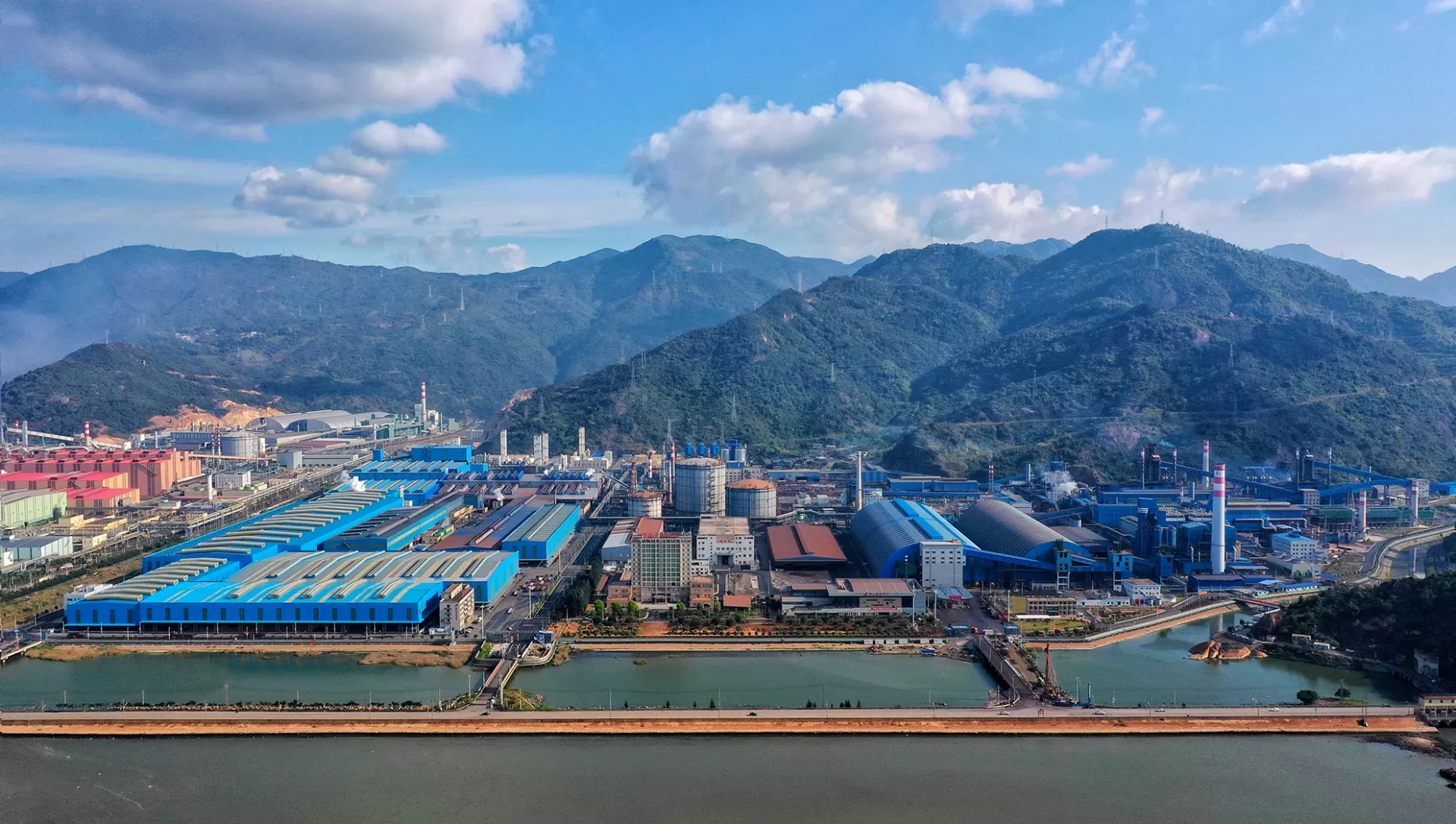
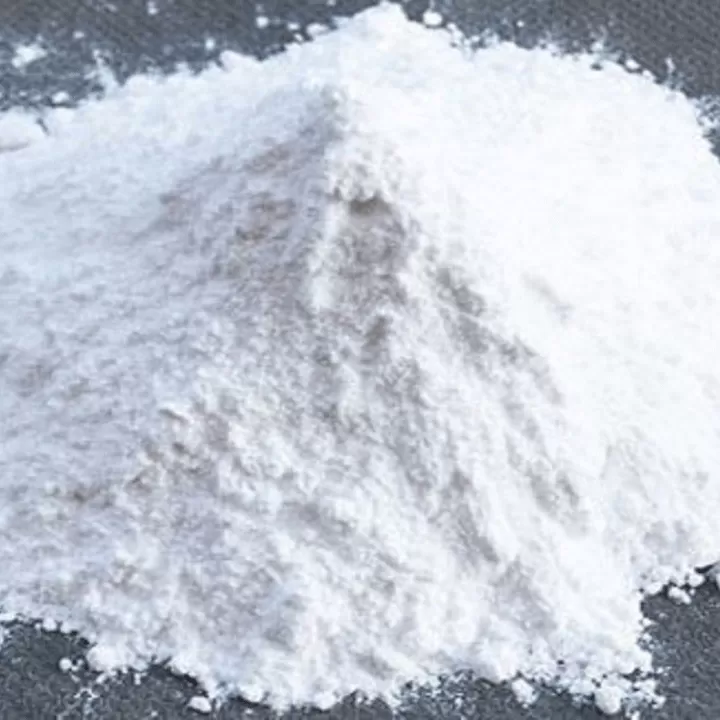
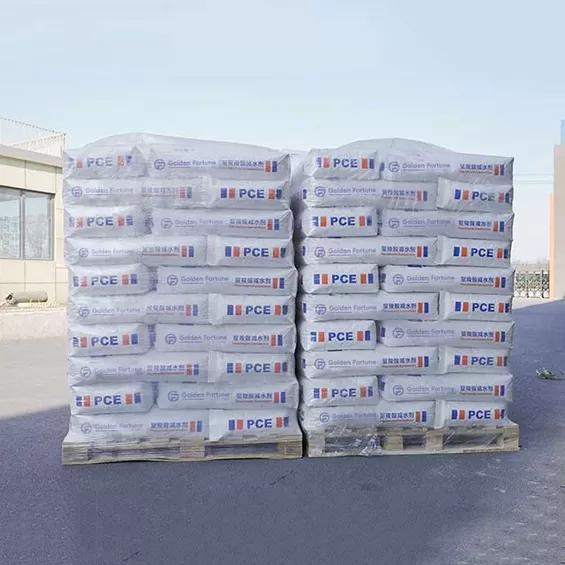
Modern concrete engineering operates under dual pressures: extending the structural lifecycle of infrastructure exposed to aggressive environments and complying with rigorous chemical safety directives. Ground Granulated Blast-Furnace Slag (GGBS/GGBFS) has evolved from an optional clinker replacement into a foundational supplementary cementitious material (SCM) that dictates the long-term transport properties of high-performance concrete. Within advanced geotechnical engineering, marine infrastructure, and precast manufacturing, precise control over the chemical matrix of the raw slag separates basic secondary binders from high-specification industrial inputs. Prioritizing low pH and low Cr(VI) content provides a pathway to resolving fundamental durability bottlenecks while aligning with increasingly restrictive occupational health and ecological discharge thresholds.
Blast furnace slag is inherently distinct from Portland clinker due to its origin within a high-temperature pyrometallurgical reduction environment. While traditional clinker manufacturing occurs under oxidizing conditions that favor the formation of mobile, toxic hexavalent chromium ($Cr^{VI}$), vitrified blast-furnace slag locks chromium within lower, non-hazardous valence states. Concurrently, regulating the hydraulic potential and subsequent pore solution alkalinity enables the optimization of secondary hydration products. Golden Fortune works alongside international testing bodies and engineering firms to supply metallurgical grade slags that maintain strict stoichiometric stability across these exact chemical parameters.
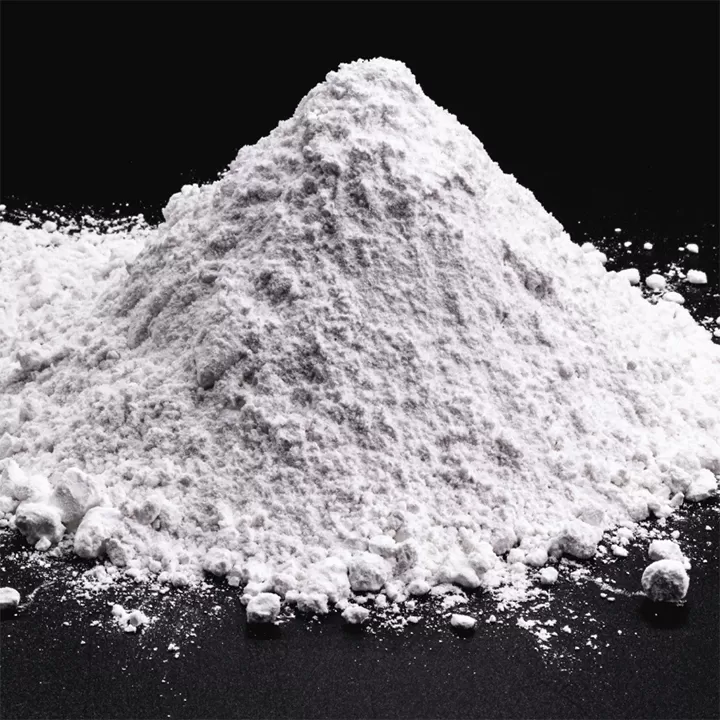
Thermodynamic Equilibrium and Hexavalent Chromium Formation
Chromium typically enters the cement manufacturing loop via natural raw materials, clay fractions, and refractory brick linings subjected to kiln erosion. Within ordinary Portland cement (OPC) rotary kilns, the operational atmosphere is heavily oxidizing, running at temperatures exceeding 1450°C. Under these parameters, trivalent chromium ($Cr^{III}$) oxidizes into water-soluble hexavalent chromate ions ($CrO_4^{2-}$ and $HCrO_4^-$). These species possess pronounced mobility, penetrating biological barriers and generating severe allergic contact dermatitis in construction personnel, while presenting persistent leaching challenges in sensitive soil-water interfaces.
The manufacturing mechanics of GGBS run counter to this oxidation trajectory. Blast furnaces operate under intense chemical reduction to convert iron ore to pig iron. Carbon monoxide and elemental carbon maintain an oxygen-depleted environment where thermodynamic equilibrium firmly suppresses the formation of $Cr^{VI}$. The total chromium fraction within GGBS remains bounded almost entirely within the stable, insoluble $Cr^{III}$ matrix integrated into silicate tetrahedral networks. European Standard EN 196-10 explicitly outlines the extraction and photometric determination of water-soluble hexavalent chromium, demanding concentrations below 2 ppm (2 mg/kg) dry weight for uninhibited manual handling.
Redox Potential ($E_h$): Blast furnace hearth conditions hold strongly negative redox potentials, precluding the thermodynamic oxidation of chromium species.
Vitrification Trapping: Rapid hydraulic quenching with high-pressure water jets freezes the amorphous structure, preventing phase separation and the crystallization of reactive chromate salts.
Long-Term Leaching Resistance: Due to low initial water-soluble content, GGBS does not rely on transient chemical reducing agents, which naturally degrade over extended storage durations.
Specifying high-reactivity slag exhibiting inherently low pH and low Cr(VI) content eliminates the operational variability associated with post-blending chemical reducers. Chemical reductants like ferrous sulfate ($FeSO_4$) or stannous sulfate ($SnSO_4$), typically added to Portland cements, undergo rapid aerial oxidation when stored in humid environments. Once these sacrificial reducing agents deplete, the latent $Cr^{VI}$ within the clinker reactivates. Incorporating high-purity slag directly suppresses the initial concentration of soluble species without introducing secondary sulfate compounds that disrupt initial setting rheology.
Pore Solution Alkalinity and Matrix Passivation
The alkalinity of a hydrated cementitious system is dictated primarily by the dissolution of alkali oxides ($Na_2O$, $K_2O$) and the release of calcium hydroxide ($Ca(OH)_2$ or portlandite) during the hydration of tricalcium silicate ($C_3S$) and dicalcium silicate ($C_2S$). Standard OPC pore solutions readily exhibit pH values between 13.2 and 13.8. While this hyper-alkaline state preserves the protective passive oxide film on carbon steel reinforcement, it simultaneously accelerates alkali-silica reactions (ASR) when reactive aggregate species are present, while complicating structural deployments in chemically delicate geological formations.
GGBS operates as a latent hydraulic binder. It requires an alkaline activator, such as the portlandite generated by clinker hydration, to dissolve its glassy aluminosilicate network. Through this pozzolanic consumption, the slag consumes free $Ca(OH)_2$, precipitating dense, interlinked calcium-aluminosilicate-hydrate (C-A-S-H) phases characterized by a lower calcium-to-silicon (Ca/Si) ratio. This reaction alters the pore network and stabilizes the bulk pore fluid at a lower, self-buffering pH range, generally between 11.5 and 12.5.
Moderating pore solution alkalinity serves several performance-critical objectives:
Alkali-Silica Reaction Mitigation: Lower hydroxyl ion ($OH^-$) concentrations diminish the dissolution rate of reactive silica within aggregates, preventing the generation of expansive isotropic gels.
Enhanced Chemical Resistance: Systems with tailored, lower pore fluid pH exhibit significantly reduced vulnerability to external magnesium and sulfate attack, as the stability of the C-A-S-H network is superior to that of high-lime C-S-H gels.
Immobilization of Heavy Metals: Solidification and stabilization (S/S) regimes for industrial remediation depend on regulated alkalinity to optimize the precipitation of metallic hydroxides without inducing amphoteric redissolution.
Achieving this balance requires an acute understanding of blast furnace glass chemistry. Slags tailored for low pH and low Cr(VI) content facilitate consistent hydration kinetics that ensure durable macro-properties without driving the local ecosystem or binder matrix into corrosive, hyper-alkaline states.
Comparative Chemical Profiling
Evaluating the differentiation between pure Portland systems, standard blended cements, and premium metallurgical GGBS underscores the baseline advantages of controlled slag manufacturing. The data below outlines typical chemical boundaries governing these binder configurations.
| Analytical Parameter | Standard Ordinary Portland Cement (CEM I) | Commercial Blend (CEM II/B-S) | High-Grade GGBS / GGBFS |
|---|---|---|---|
| Soluble $Cr^{VI}$ Content (EN 196-10) | 5.0 – 18.0 ppm (without chemical reduction) | 2.0 – 6.0 ppm (variable) | < 1.5 ppm (natively stable) |
| Hydrated Matrix Pore Solution pH | 13.2 – 13.8 | 12.5 – 13.2 | 11.5 – 12.4 |
| Portlandite [$Ca(OH)_2$] Mass Fraction | 18% – 25% (at 28 days) | 10% – 15% (at 28 days) | < 4% (consumed via hydration) |
| Glassy Amorphous Phase Fraction | 0% (Crystalline) | 20% – 30% | > 95% (Rapidly quenched) |
| Primary Hydration Product | High-Lime C-S-H Gel (Ca/Si ~1.7) | Blended C-S-H / C-A-S-H | Dense C-A-S-H Gel (Ca/Si ~1.1) |
Industrial SCM Processing and Quality Control
The production of slag demonstrating precise chemical and structural parameters requires disciplined process control beginning directly at the blast furnace runner. The liquid slag, exiting the furnace at temperatures exceeding 1400°C, must be subjected to instantaneous granulation using controlled water-to-slag volume ratios. Insufficient quenching results in devitrification, allowing melilite, merwinite, and pseudowollastonite crystal phases to form. These crystalline formations alter the binding capacity of the matrix and can compromise the uniform distribution of trace elements.
Golden Fortune applies rigorous quality monitoring protocols across its manufacturing and logistics pipelines to verify that vitrification indices consistently exceed 95%. Following granulation, drying and grinding are executed in modern vertical roller mills (VRM). Operating VRM circuits equipped with high-efficiency dynamic classifiers enables strict Blaine fineness control, typically maintained between 4200 and 4600 cm²/g. Grinding efficiency dictates particle size distribution (PSD), ensuring that the surface area available for latent hydraulic reaction remains uniform without generating excessive fine fractions that drive up immediate water demand.
During the grinding and classifying process, cross-contamination from high-chromium grinding media must be prevented. The utilization of high-chromium cast iron alloy grinding balls or rollers can introduce trace metallic chromium into the product, which, under sustained friction and localized micro-thermal peaks, undergoes partial surface conversion. Utilizing advanced roller metallurgy and lined classification chambers prevents unwanted contamination, safeguarding the low pH and low Cr(VI) content profile required by international environmental standards.
Analytical Verification Protocols
Reliable characterization of the material chemistry requires standard laboratory verification:
Spectrophotometric Assessment: Evaluation of extracted leachate per EN 196-10 using diphenylcarbazide indicator solutions to quantify soluble chromate concentrations at trace levels.
X-Ray Fluorescence (XRF): Rigorous whole-rock chemical profiling to establish the basicity index, $(CaO + MgO) / (SiO_2 + Al_2O_3)$, which directly governs potential hydraulic reactivity and pore fluid alkalinity.
X-Ray Diffraction (XRD) with Rietveld Analysis: Direct measurement of the amorphous versus crystalline phase split to verify vitrification performance prior to milling.
Specialized Structural and Environmental Applications
The technical imperative for using slag with controlled chemical properties extends across varied civil engineering applications where conventional binders encounter performance barriers.
Geotechnical Grouting and Deep Soil Mixing
Underground barrier cut-off walls, jet grouted foundations, and deep soil mixing operations routinely encounter complex groundwater hydrochemistry. Grouting formulations that introduce hyper-alkaline solutions into surrounding aquifers disrupt local ecosystems and alter soil mineral stability. Utilizing GGBS engineered for low pore alkalinity ensures that the stabilized soil mass cures without causing severe alkaline leaching plumes. Concurrently, groundwater regimes flowing through permeable foundation barriers remain compliant with environmental runoff mandates regarding heavy metal contamination.
Marine and Port Concrete Structures
Tidal splash zones, submerged caissons, and port decks are exposed to severe chloride concentrations. Chloride-induced depassivation of structural rebar is accelerated when the binding matrix possesses inadequate chloride-binding capacity. The C-A-S-H phase characteristic of refined GGBS binds chlorides both chemically, through the formation of Friedel's salt, and physically, via surface adsorption. The lower, controlled pH environment limits the conversion of bound chlorides back into free, aggressive chloride ions within the pore solution, preserving structural durability across multi-decade design lives.
Mass Pour Foundations and Hydroelectric Dams
Hydration kinetics control the thermal envelope of massive concrete pours. Uncontrolled temperature gradients induce micro-cracking that undermines water tightness. Replacing 60% to 80% of Portland cement with GGBS reduces the adiabatic temperature rise by dampening early-age heat evolution ($dQ/dt$). The slower dissolution rates inherent to high-slag matrices moderate initial thermal stresses, while the low soluble chromium content ensures that extensive skin-contact exposure across large construction teams does not lead to occupational dermatological issues.
Frequently Asked Questions
What is the primary factor keeping hexavalent chromium levels low in GGBS compared to Portland cement?
The primary factor is the atmospheric environment during smelting. Portland clinker is fired under oxidizing conditions that convert trivalent chromium into water-soluble, hazardous hexavalent chromium. GGBS is generated within the reducing environment of a blast furnace, which limits chromium to stable, insoluble, non-hazardous trivalent states integrated within the vitrified silicate structure.
How does a lower pH in GGBS concrete affect steel reinforcement passivity?
Steel passivity requires a pore solution pH maintained above approximately 11.5 to preserve the continuous gamma-ferric oxide ($\gamma\text{-}Fe_2O_3$) layer on the steel surface. GGBS hydration regulates pore solution alkalinity between 11.8 and 12.5, which is sufficiently high to maintain rebar passivation while remaining low enough to prevent alkali-silica reactivity and secondary expansive mineral formation.
Does GGBS require added chemical reducing agents to meet European Cr(VI) regulations?
No. High-quality GGBS natively complies with the 2 ppm limit set by European Standard EN 196-10 and Directive 2003/53/EC due to its pyrometallurgical reduction background. Unlike Portland cements, which rely on ferrous or stannous sulfates that degrade over time through aerial oxidation, the low chromium values in GGBS are structurally stable and remain permanent over storage periods.
How does the basicity ratio of slag influence pore solution alkalinity?
The basicity ratio, typically measured as $(CaO + MgO) / (SiO_2 + Al_2O_3)$, reflects the chemical potential of the slag. A higher ratio indicates higher lime content, which increases the rate of dissolution and raises pore fluid pH. Slags formulated with a balanced basicity ratio (between 1.0 and 1.2) provide steady hydration kinetics and yield a moderate pore solution pH that improves long-term matrix durability.
What testing mechanisms are used to confirm compliance with Cr(VI) limits?
Standard compliance is confirmed via EN 196-10. The protocol involves preparing an aqueous extract from the mineral binder under standardized liquid-to-solid extraction ratios, filtering the supernatant, reacting it with 1,5-diphenylcarbazide in acid media, and performing spectrophotometric absorption analysis at 540 nm to quantify trace levels of chromate accurately.
Technical Specifications and Material Procurement
Specifying high-grade cementitious materials requires meticulous alignment with project requirements, chemical thresholds, and supply chain logistics. Binders that combine optimal physical characteristics with controlled elemental compositions deliver predictable performance across demanding infrastructure, geotechnical remediation, and commercial precast installations. Sourcing GGBS featuring certified low pH and low Cr(VI) content protects projects from compliance delays, supports environmental certification benchmarks, and ensures concrete matrix durability.
Golden Fortune provides technical consultations, batch-specific chemical analyses, and international bulk supply arrangements tailored to your structural specifications. Engineering teams and procurement managers are invited to submit project parameters, target replacement ratios, and required compliance frameworks to our metallurgical specialists. Contact our technical advisory desk to request full material test reports (MTR), standard specifications, and quotation details for your upcoming project requirements.