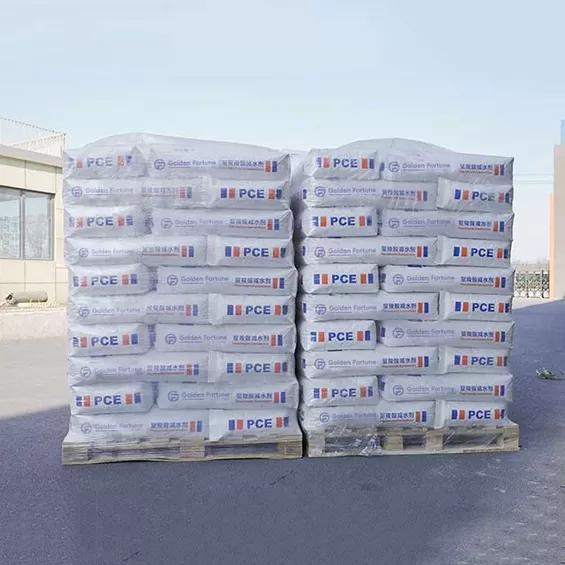
The global concrete industry continually refines supplementary cementitious materials (SCMs) to satisfy extreme mechanical and durability thresholds. For decades, micro-silica, commonly known as silica fume, served as the premier choice for achieving high-performance concrete (HPC) and ultra-high-performance concrete (UHPC). Its sub-micron particle size and intense pozzolanic reactivity yield dense microstructures and early compressive strengths. However, shifting metallurgical supply chains, volatile pricing, aggressive water demand, and susceptibility to autogenous shrinkage have forced structural engineers and ready-mix producers to re-evaluate their mix designs. Modern cement chemistry provides pathways to replace the silica fume with alternatives that deliver equivalent or superior durability metrics while addressing rheological and financial bottlenecks.
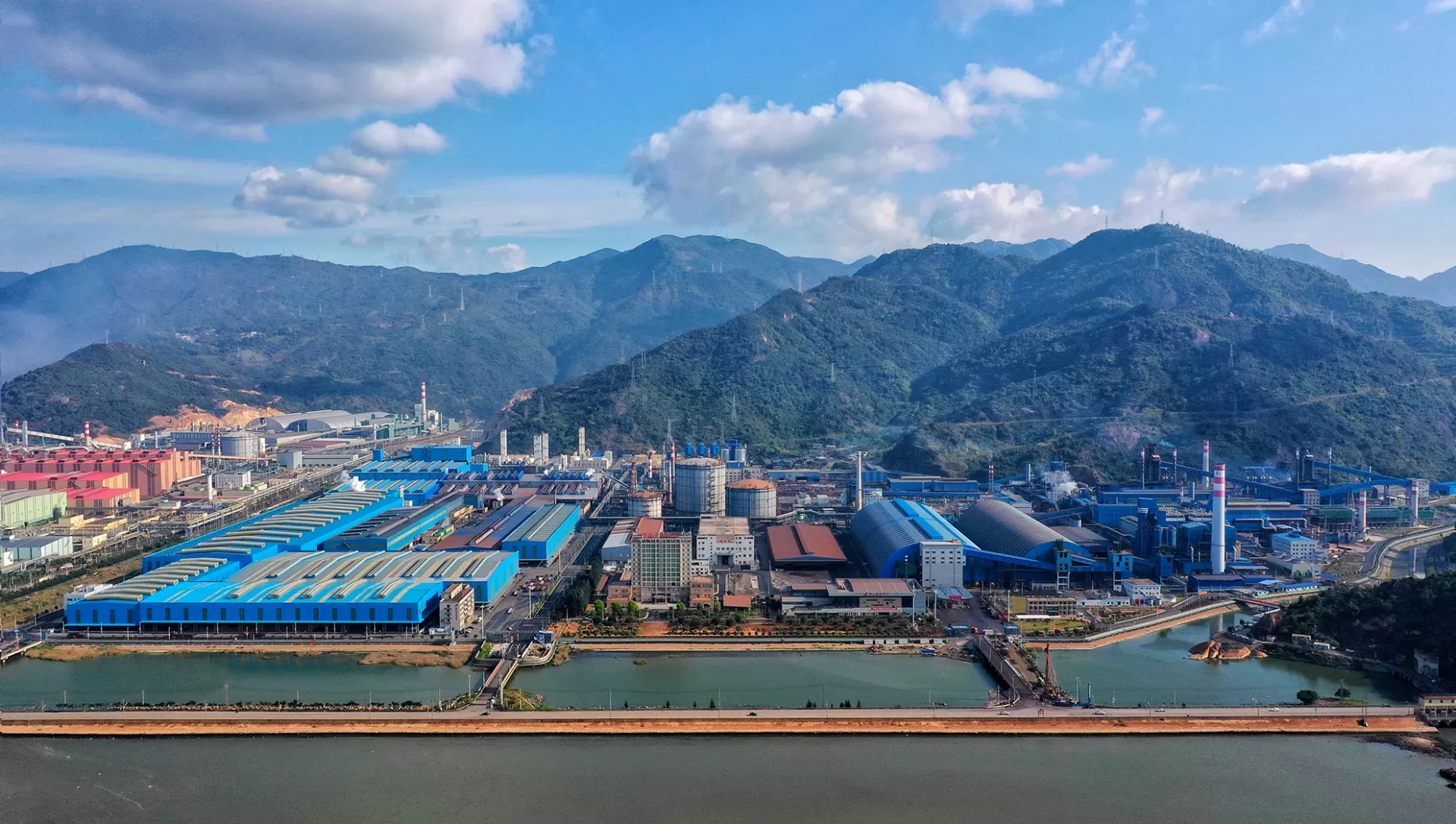
Ground Granulated Blast-Furnace Slag (GGBS or GGBFS), particularly ultra-fine variants and optimized ternary systems, has emerged as the definitive replacement candidate. Manufacturers and international distributors such as Golden Fortune supply consistent, high-reactivity slag cements that align with international standards including ASTM C989 and EN 15167. Transitioning from an ultra-fine pozzolan to latent hydraulic slag systems demands a precise understanding of particle packing, hydration kinetics, and pore-solution chemistry.
Physicochemical Profiles: Silica Fume vs. GGBFS
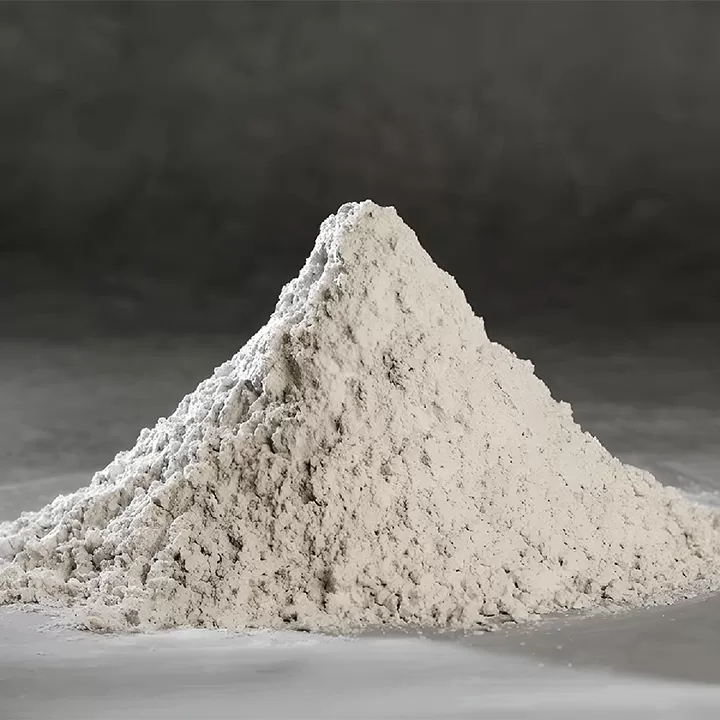
Silica fume consists of non-crystalline silicon dioxide collected as an industrial byproduct of silicon and ferrosilicon alloy production. The particles are predominantly spherical with a mean diameter around 0.1 to 0.2 microns and a BET specific surface area ranging from 15,000 to 25,000 m²/kg. This extreme surface area drives immediate reactivity with calcium hydroxide (portlandite) released during tricalcium silicate (C3S) hydration, forming high-density secondary calcium silicate hydrate (C-S-H) gel.
Standard GGBFS is a vitrified byproduct of iron extraction in a blast furnace, rapidly quenched with water to preserve an amorphous glass structure rich in CaO, SiO2, Al2O3, and MgO. Typical industrial grinding produces a Blaine fineness between 4,000 and 6,000 cm²/g, with a d50 particle distribution between 8 and 15 microns. Advanced processing yields ultra-fine slag cement with Blaine values exceeding 8,000 to 12,000 cm²/g. While silica fume acts strictly as a pozzolan requiring external alkaline activation from ordinary Portland cement (OPC), GGBFS possesses both latent hydraulic properties and pozzolanic behavior, generating its own hydration products alongside consuming portlandite.
Silica Fume: SiO2 content greater than 85%; Blaine fineness negligible due to non-suitability of air permeability methods; BET surface area 15 to 20 m²/g; amorphous, ultra-fine spheres.
Grade 100/120 GGBFS: SiO2 (30-38%), CaO (38-45%), Al2O3 (7-14%); Blaine fineness 4,200 to 6,000 cm²/g; angular, glassy morphology with latent hydraulic reactivity.
Ultra-Fine Slag (UF-GGBS): Equivalent chemical composition to standard slag; Blaine fineness 8,000 to 12,000 cm²/g; d95 lower than 8 microns; accelerated hydration rates comparable to sub-micron pozzolans.
Key Drivers to Replace the Silica Fume in Modern Concrete
Engineering departments face practical constraints when specifying silica fume in dense infrastructure elements, maritime docks, and deep foundation pilings. Understanding these operational challenges reveals why ready-mix operations actively seek to replace the silica fume with refined slag options.
Rheology, Water Demand, and Pumping Pressures
The massive specific surface area of micro-silica significantly elevates the water demand of wet concrete. Achieving target slumps necessitates elevated dosages of polycarboxylate ether (PCE) superplasticizers. This dynamic creates high plastic viscosity, often causing a sticky or cohesive mix that generates substantial line pressure during high-rise pumping operations. When contractors replace the silica fume with GGBFS, the glassy, non-porous particle surfaces of slag decrease inter-particle friction. The concrete displays enhanced thixotropy, improved slump retention, and a lower yield stress, directly translating to smoother placement in congested rebar cages.
Autogenous Shrinkage and Cracking Tendencies
Silica fume consumes free water rapidly at early ages, dropping the internal relative humidity within the capillary pore system. In low water-binder (w/b) mixes typical of high-performance projects, this self-desiccation triggers significant autogenous shrinkage. If the tensile stresses exceed the early tensile capacity of the immature concrete, micro-fissuring occurs. High-grade GGBFS hydrates at a controlled rate, preserving the internal moisture balance and dramatically curbing early-age self-desiccation. Consequently, substituting silica fume with slag solutions limits micro-cracking pathways that would otherwise expose internal reinforcement to external contaminants.
Procurement Volatility and Material Handling
Silica fume output depends on metallurgical operations, subjecting concrete producers to local shortages, quality fluctuations, and prohibitive freight costs. Handling raw undensified silica fume yields severe dust emissions and bulk-density logistics costs, while over-densified silica fume pellets frequently resist complete dispersion within standard batch plant mixing cycles. Undispersed agglomerates serve as mechanical flaws within the hardened matrix. High-fineness GGBFS distributed by dependable supply partners like Golden Fortune offers consistent bulk density, stable physical availability, and seamless compatibility with pneumatic cement transfer systems.
Hydration Kinetics and Microstructural Development
Replacing an aggressive pozzolan with a latent hydraulic binder shifts the chemical progression inside the curing cement paste. In a standard OPC-silica fume matrix, portlandite consumption initiates within hours, leading to a sudden surge in heat release and an ultra-dense interfacial transition zone (ITZ) around aggregate particles by day 7. By contrast, GGBFS activation proceeds in two distinct steps: early dissolution facilitated by hydroxyl ions released by OPC hydration, followed by long-term hydraulic reaction of the calcium aluminosilicate glass network.
The alumina content found in slag plays a critical role in pore-solution development that standard silica fume cannot duplicate. Slag-derived aluminate phases react with carbonates and sulfates to form stable monocarboaluminate and ettringite complexes. Concurrently, the hydration process yields an aluminum-modified calcium silicate hydrate (C-A-S-H) gel. This phase exhibits superior alkali and chloride-binding capabilities. Where silica fume refines pores primarily through mechanical micro-filling and rapid CH-depletion, GGBFS continuously refines the capillary pore distribution over 28, 56, and 90 days. Mercury intrusion porosimetry (MIP) shows that concrete mixes incorporating 50% to 70% GGBFS achieve a cumulative pore volume lower than, or equal to, mixes prepared with 7% to 10% silica fume at later ages.
Durability Performance in Hostile Environments
Specifications governing marine substructures, chemical manufacturing slabs, and subterranean transit tunnels place heavy emphasis on durability metrics rather than compressive capacity alone. Substituting silica fume requires an uncompromised defense against external ion penetration.
Chloride Ion Diffusion and Electrical Resistivity
Corrosion of reinforcing steel is the principal degradation mechanism for coastal infrastructure. Silica fume limits chloride ingress through physical pore-constriction. GGBFS combines pore-constriction with chemical binding. The alumina in the slag lattice reacts with ingress chlorides to generate insoluble Friedel's salt (calcium chloroaluminate). ASTM C1202 Rapid Chloride Permeability Tests (RCPT) reveal that a 60% GGBFS dosage regularly drops charges passed to well under 1,000 coulombs at 56 days. Surface resistivity testing (AASHTO T 358) mirrors these findings, confirming that properly cured slag blends easily match the transport resistance parameters set by silica fume concrete.
Sulfate and Chemical Attack
In environments rich in sodium or magnesium sulfates, silica fume defends the matrix by lowering the quantity of free calcium hydroxide available to form expansive gypsum. However, magnesium sulfate attacks C-S-H directly. High slag replacement levels (above 60%) lower the total C3A content of the overall binder system while converting mobile calcium into resilient C-A-S-H structures. The absence of vulnerable CH crystals protects slag concrete against secondary ettringite formation and decalcification in marine zones and acidic soils.
Alkali-Silica Reaction (ASR) Mitigation
Reactive aggregates containing strained quartz, chalcedony, or opal expand when exposed to high-alkali pore solutions. Silica fume mitigates ASR by rapidly binding alkalis (Na+ and K+), though high local concentrations around undispersed pellets can occasionally worsen the reaction. GGBFS functions as an exceptional ASR suppressant across extensive testing. It reduces the alkali hydroxide concentration in the pore solution, reduces overall matrix permeability, and lowers the Ca/Si ratio of the hydrate gel, effectively locking alkali ions within the C-S-H lattice over the entire life cycle of the installation.
Designing High-Performance Blends to Replace the Silica Fume
Direct 1:1 replacement of silica fume with standard grade 100 GGBFS is rarely viable for projects requiring rapid high-early strength, such as precast girders or accelerated post-tensioned slabs. Concrete designers use targeted multi-component strategies to replace the silica fume effectively.
Ternary Systems: OPC + GGBFS + Ultra-Fine SCMs
The most balanced methodology combines ordinary Portland cement with standard GGBFS (40% to 50%) and a secondary, high-reactivity component such as ultra-fine slag, metakaolin, or small increments of limestone calcined clay (LC3). The ultra-fine material addresses the 1-to-3-day mechanical demand via physical nucleation and localized packing. Meanwhile, the standard GGBFS governs the long-term microstructure, hydration heat moderation, and sustained compressive development up to 365 days.
Admixture Optimization and Rheological Control
Removing silica fume decreases the shear-thickening threshold of the paste. Concrete technicians should recalibrate chemical admixtures:
Superplasticizers: Lower PCE solid-content dosage by 15% to 35% compared to silica fume mixes to prevent segregation or excessive bleeding.
Viscosity Modifying Agents (VMAs): In self-consolidating concrete (SCC) formulations, introduce a trace VMA dosage to maintain dynamic stability, compensating for the absence of sub-micron silica fume fines.
Setting Accelerators: During cold-weather placement or rapid stripping cycles, use non-chloride hardening accelerators to overcome the initial latency of the slag reaction.
Thermal Mitigation in Mass Pours
Large-scale elements such as raft foundations, dam structures, and bridge piers demand low adiabatic temperature rise to eliminate thermal gradient cracking. Silica fume exhibits high heat generation during its early acceleration phase. Replacing silica fume with 50% to 70% GGBFS significantly lowers the peak hydration temperature and extends the time-to-peak. This enables continuous mass concrete pours without deploying expensive internal cooling networks.
Economic Feasibility and Sustainability Metrics
Procurement economics heavily favor slag cement. Silica fume typically trades at significant multipliers over OPC per metric ton, compounded by strict packaging, pelletization, or slurry maintenance protocols. Conversely, GGBFS produced under consistent quality programs by operators like Golden Fortune offers attractive unit economics, lowering the total binder cost per cubic meter of high-performance concrete.
Decarbonization objectives drive contemporary engineering specifications. Slag carries an embodied carbon footprint roughly 80% to 90% lower than ordinary Portland cement clinker. When design teams replace the silica fume with optimized GGBFS blends, the concrete earns substantial carbon offsets and maximizes credits under LEED, BREEAM, and Envision sustainability rating systems without compromising structural integrity.
Frequently Asked Questions
Can GGBFS fully replace the silica fume in UHPC formulations?
Yes. In Ultra-High-Performance Concrete (UHPC), ultra-fine GGBFS with particle sizes under 5 microns can completely substitute silica fume. While standard GGBFS may lengthen the necessary curing period to attain early ultra-high compressive targets, fine-milled slag alongside thermal or steam curing yields packing density and mechanical capacities exceeding 150 MPa.
How does replacing silica fume with slag affect curing requirements?
Slag cement hydrates at a slower initial rate than silica fume. As a result, the wet-curing period must be maintained continuously for at least 7 to 14 days, depending on ambient temperatures. Premature termination of moist curing hinders hydration in the outer concrete layer, impacting carbonation resistance and surface abrasion strength.
What happens to the water-binder ratio when switching to GGBFS?
The water-binder ratio can often be reduced because slag particles do not consume free water through capillary adsorption like silica fume does. The improved workability allows producers to drop the water content or lower the chemical admixture dosage while maintaining equivalent workability.
Does concrete without silica fume maintain high abrasion resistance?
Yes. Abrasion resistance correlates closely with compressive strength and aggregate hardness. While silica fume provides rapid early hardness, GGBFS mixes achieve equal or higher surface hardness past 28 days of proper curing. For industrial pavements and spillways, high-grade slag mixes provide outstanding resistance to mechanical wear and cavitation.
How does the color of concrete change when you replace the silica fume?
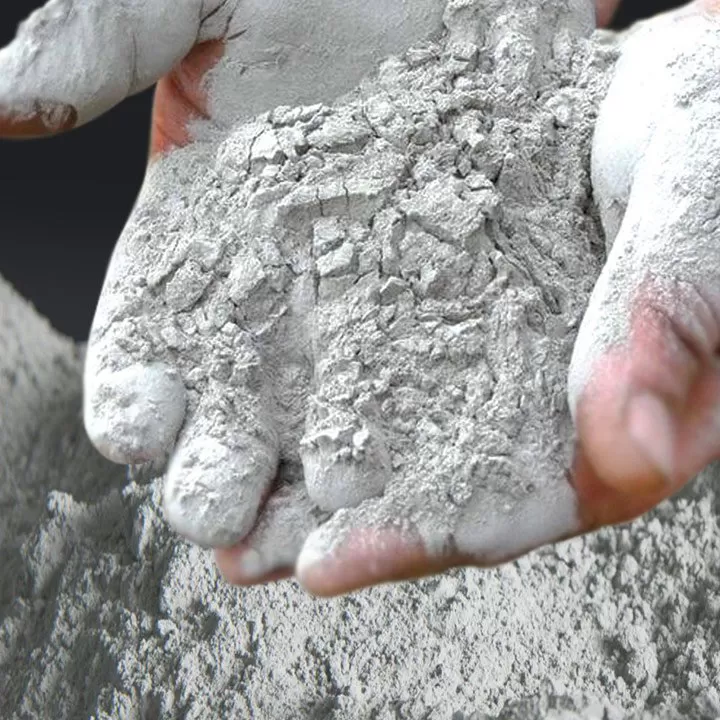
Silica fume typically imparts a dark gray, charcoal, or bluish tone to hardened concrete. In contrast, GGBFS yields a notably lighter, near-white appearance due to its low iron oxide content and distinct hydration matrix. This higher solar reflectance index (SRI) helps lower urban heat island effects and enhances architectural appeal.
Commercial Inquiries and Technical Support
Specifying high-durability concrete requires precision binder sourcing and expert raw-material characterization. Contact the technical sales team at Golden Fortune to request comprehensive product data sheets, mill test certificates, and bulk pricing schedules. Our engineering specialists are available to assist ready-mix producers, precast manufacturers, and infrastructure developers in testing local aggregates and developing balanced slag-based mix designs to replace the silica fume in your forthcoming projects.