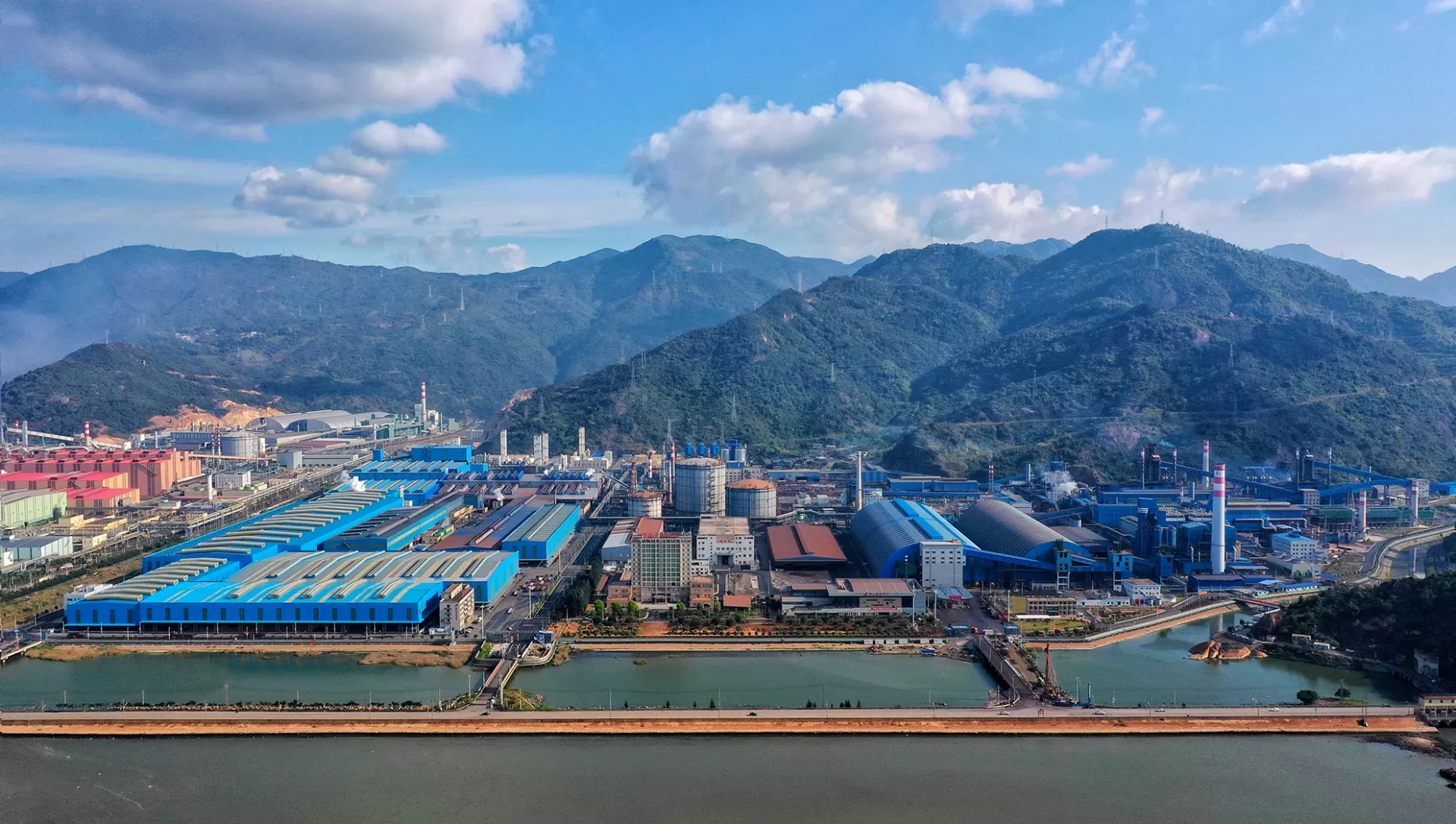
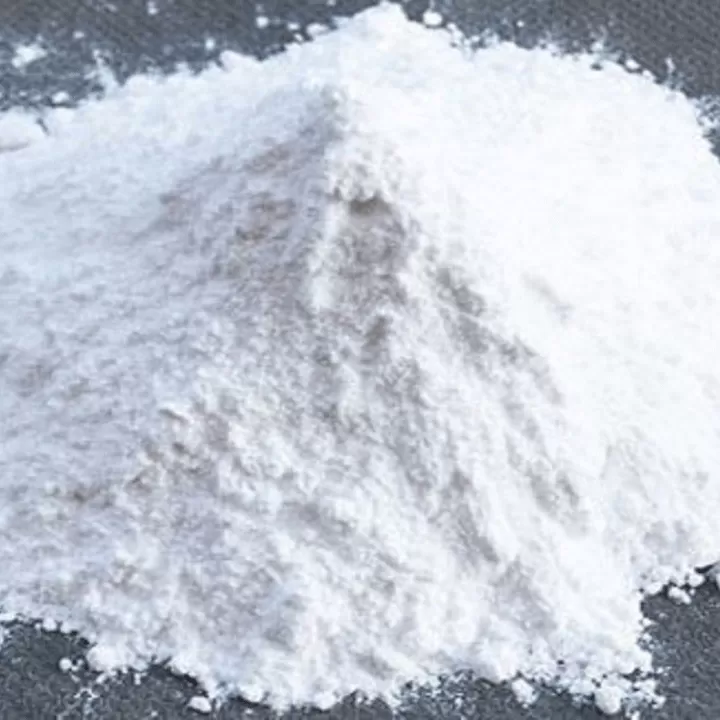
Modern concrete construction faces continuous demands for extended service life, especially when structural elements are exposed to severe environmental conditions. Utilizing supplementary cementitious materials has become standard practice to satisfy these performance requirements. Among these mineral admixtures, ground granulated blast-furnace slag represents a widely specified material. Obtained by quenching molten iron slag from a blast furnace in water or steam, this rapid cooling process preserves the material's glassy, amorphous structure. This prevention of crystallization yields a highly reactive hydraulic binder once the material is dried and ground into a fine powder.
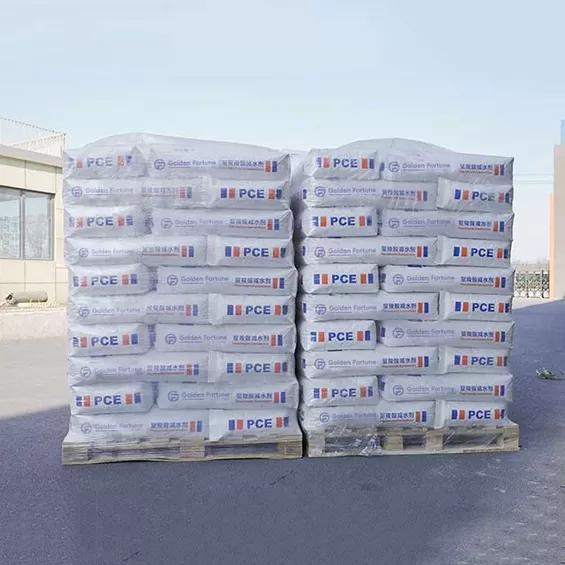
Selecting high-quality binders is paramount for large-scale infrastructure projects. Suppliers like Golden Fortune specialize in providing materials that adhere to strict international quality standards such as ASTM C989 and EN 197-1. Understanding the microstructural behavior of these binders allows structural engineers and concrete producers to formulate mixtures capable of resisting chemical degradation while maintaining mechanical performance over decades.
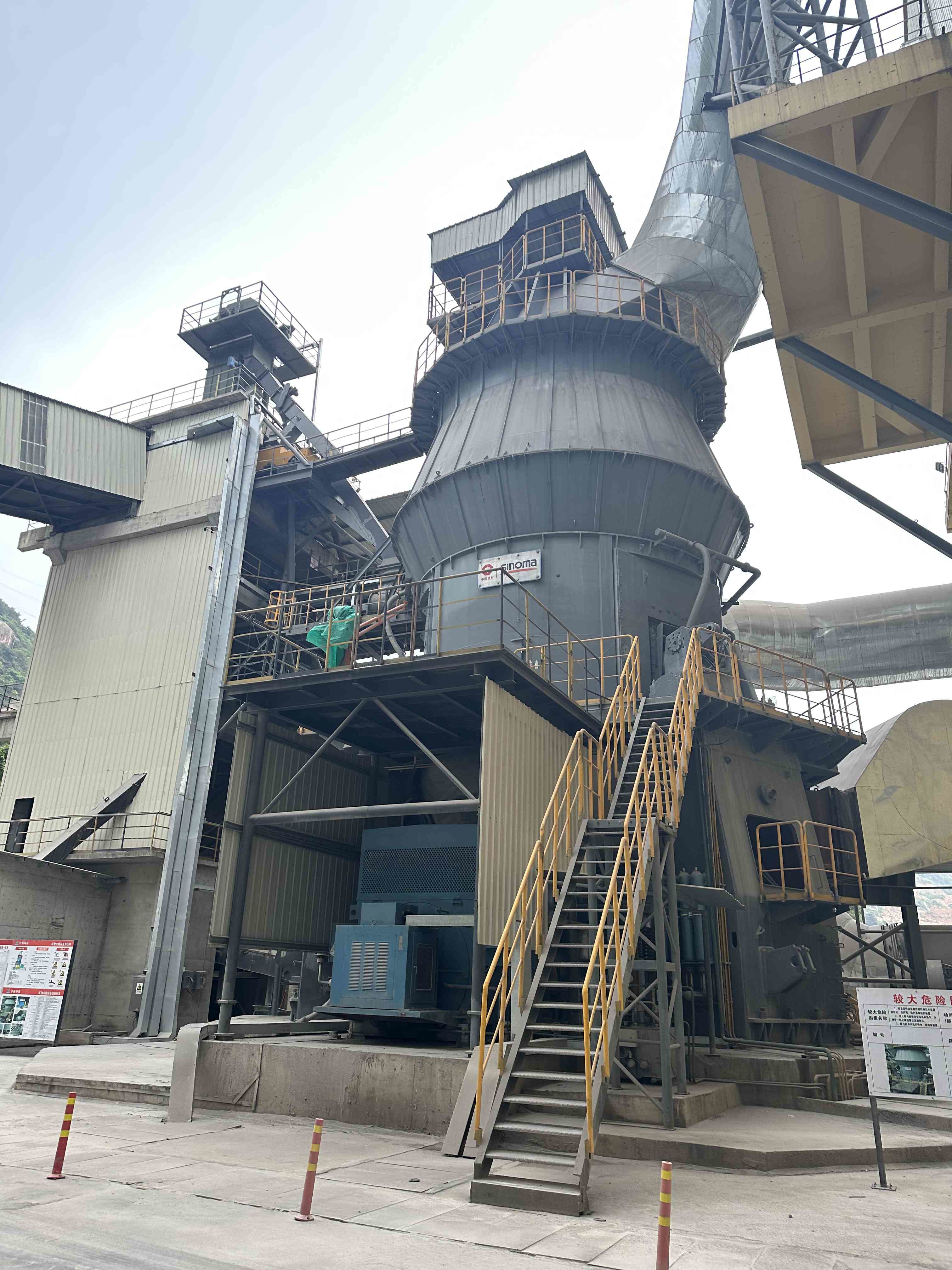
Chemical and Mineralogical Composition of Hydrated Slag
The reactivity of ground granulated slag is dictated by its chemical composition and the percentage of its amorphous phase. The mineralogical makeup primarily consists of four major oxides: calcium oxide (CaO), silicon dioxide (SiO2), aluminum oxide (Al2O3), and magnesium oxide (MgO). Together, these compounds constitute over 90% of the total mass. The remaining portion consists of minor oxides and trace elements such as sulfur, iron, and manganese.
To evaluate the latent hydraulic reactivity of a slag source, engineering standards often utilize the basicity ratio. A common formula for this index is represented as:
Basicity Index = (CaO + MgO) / SiO2
An index value greater than 1.0 indicates a basic slag, which generally correlates with faster hydration rates and higher early-strength development. If the ratio falls below 1.0, the slag is acidic, resulting in slower reaction kinetics. Another chemical indicator is the slag activity index (SAI), which is determined by comparing the compressive strength of a mortar containing a 50% replacement of Portland cement with slag against a reference mortar made purely of Portland cement, tested at 7 and 28 days.
The physical glassy structure is equally important. If the cooling process of the molten slag is slow, crystalline mineral phases such as melilite, gehlenite, and akermanite form. These crystalline phases exhibit minimal hydraulic activity, significantly lowering the performance of the binder. Consequently, a glass content of at least 90% is typically specified for high-performance concrete projects to ensure sufficient chemical activity upon contact with alkaline pore solutions.
Mechanisms of Hydration and Microstructural Refinement
To understand the performance benefits of ground granulated slag, it is necessary to examine the hydration kinetics when it is blended with Portland cement. Portland cement hydrates quickly, yielding calcium silicate hydrate (C-S-H) gel and calcium hydroxide (Ca(OH)2). Calcium hydroxide does not contribute to the mechanical strength of the concrete; instead, it is highly soluble and prone to leaching, which increases porosity and susceptibility to environmental chemical attack.
When slag is introduced into the mix, it undergoes a dual-action hydration process:
Primary Activation: The initial hydration of the Portland cement releases alkalis and calcium hydroxide into the pore solution, raising the pH. This highly alkaline environment acts as an activator, breaking the silicon-oxygen and aluminum-oxygen bonds in the glassy network of the slag particles.
Secondary Hydration: The dissolved silicate and aluminate species from the slag react with the free calcium hydroxide to produce additional C-S-H gel. This secondary reaction is slower than cement hydration but continues over a much longer duration, consuming the weak calcium hydroxide and filling capillary voids.
This chemical reaction results in microstructural refinement. The capillary pores within the cement paste matrix are gradually subdivided into smaller, isolated gel pores. This change in pore size distribution reduces the overall permeability of the concrete, restricting the movement of water, oxygen, and dissolved ions. Additionally, the interfacial transition zone (ITZ)—the thin boundary layer surrounding aggregate particles—becomes denser and less porous, improving the mechanical bond between the paste and the aggregate phases.
Resistance to Chloride Ingress and Marine Environments
In coastal zones, marine structures, and infrastructure exposed to deicing salts, chloride-induced corrosion is a primary degradation mechanism. Chloride ions penetrate the concrete cover, accumulate at the surface of the reinforcing steel, and depassivate the protective oxide layer, leading to localized pitting corrosion and subsequent structural damage.
Incorporating ground granulated slag improves chloride resistance through both physical and chemical mechanisms. The refinement of the pore network slows the diffusion rate of chloride ions through the concrete cover. Chemically, the elevated alumina content of the slag allows for greater chloride binding. The aluminate phases react with entering chlorides to form Friedel’s salt (calcium chloroaluminate), immobilizing the ions within the hydrated cement matrix and preventing them from reaching the steel reinforcement.
Long-term marine exposure tests indicate that concrete mixtures containing slag replacement levels between 50% and 70% exhibit significantly lower chloride diffusion coefficients compared to equivalent straight-cement mixes. This makes the material highly effective for piers, seawalls, docks, and underwater foundations.
Sulfate Resistance and Mitigation of Alkali-Silica Reaction (ASR)
Sulfate attack occurs when concrete is exposed to soil or groundwater containing sodium, potassium, or magnesium sulfates. These external sulfates react with calcium hydroxide and tricalcium aluminate (C3A) in the hydrated cement paste to form expansive ettringite and gypsum. This chemical expansion generates internal tensile stresses, leading to cracking, spalling, and progressive mass loss.
By replacing a portion of Portland cement with slag, the total tricalcium aluminate content of the binder system is diluted. Furthermore, the secondary hydration reaction consumes calcium hydroxide, reducing the quantity of reactants available to form gypsum and ettringite. This combined dilution and chemical consumption significantly limits the expansion potential under sulfate exposure.
Another major durability benefit is the mitigation of alkali-silica reaction (ASR). This reaction occurs between the alkali hydroxides in the cement pore solution and reactive silica present in certain aggregates, producing an expansive gel that swells in the presence of moisture. Slag helps control ASR by:
Reducing the overall alkali input of the concrete mix when replacing high-alkali cements.
Enhancing the alkali-binding capacity of the C-S-H gel, as the low calcium-to-silica ratio of slag-hydrated C-S-H allows it to absorb and retain alkalis within its structure, preventing them from reacting with aggregate silica.
Reducing the permeability of the paste, which limits the ingress of external moisture required to drive the expansion of the ASR gel.
Thermal Management in Mass Concrete
For mass concrete placements such as thick raft foundations, bridge pylons, and gravity dams, managing internal temperature rise is a major engineering requirement. The hydration of Portland cement is an exothermic chemical reaction. In massive structures, heat cannot dissipate quickly from the core, resulting in a steep temperature gradient between the hot interior and the cooler exterior. If the tensile stresses caused by this thermal gradient exceed the early-age tensile strength of the concrete, thermal cracking occurs.
Using ground granulated slag as a partial cement substitute lowers both the rate of heat evolution and the total peak temperature reached during hydration. The slower reaction kinetics of slag during the first few days mean that heat is released over an extended period, allowing for more uniform heat dissipation. Experienced suppliers like Golden Fortune assist engineers in determining the ideal replacement ratios, which often range from 50% to 70% for massive structural sections, to control thermal gradients without compromising long-term mechanical strength.
Physical Properties, Fineness, and Fresh Concrete Workability
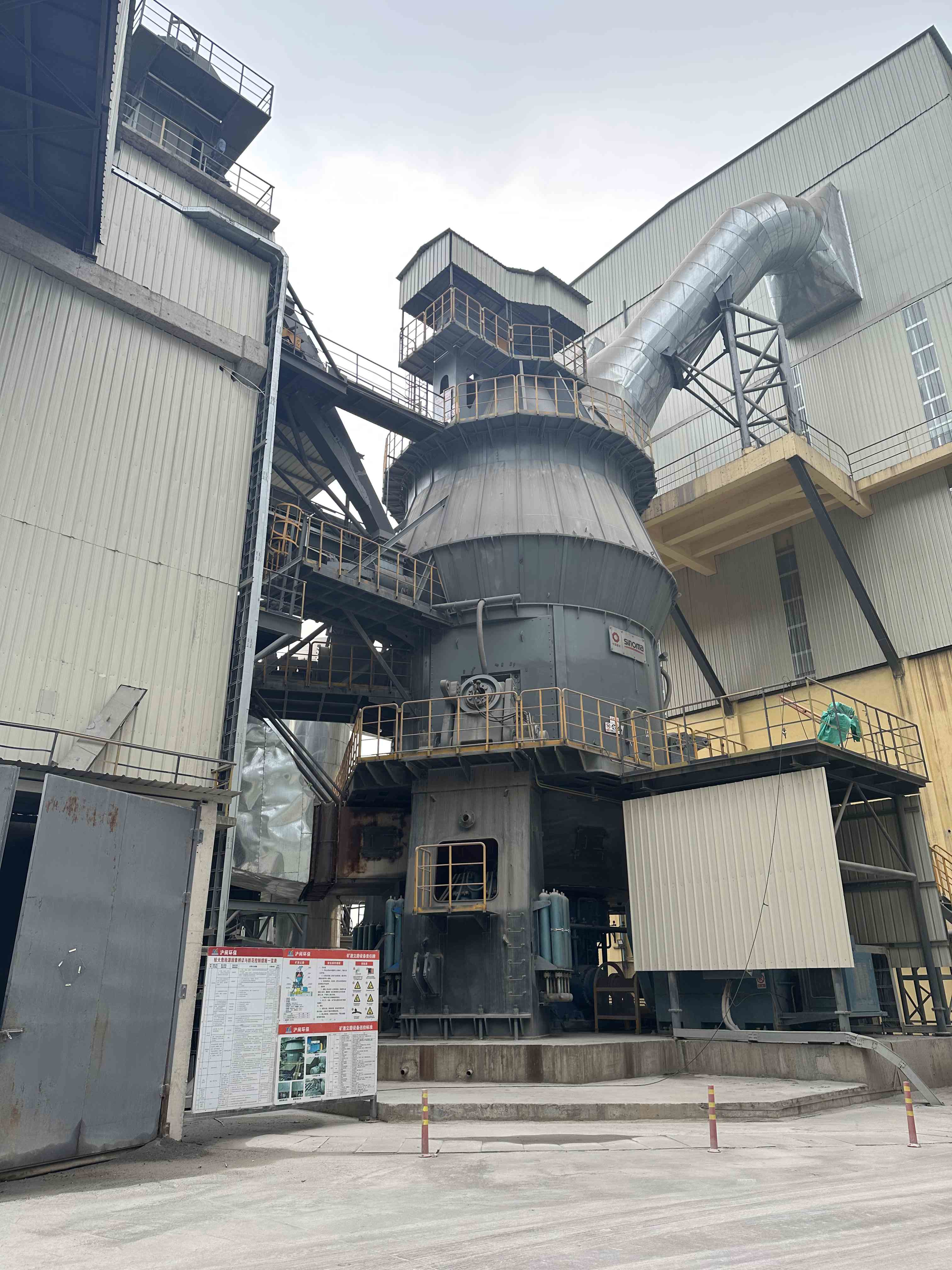
The physical properties of slag, particularly its specific surface area (fineness), influence both the fresh and hardened states of concrete. Fineness is commonly evaluated using the Blaine air permeability apparatus. Standard slag grades usually range from 400 m²/kg to 450 m²/kg, while specialized projects requiring rapid strength development utilize ultrafine variants with a Blaine fineness exceeding 600 m²/kg. Materials provided by Golden Fortune are processed to meet these specific fineness grades, ensuring consistent performance.
In fresh concrete mixtures, slag particles improve workability and placeability. Slag particles typically have a smoother surface texture and lower water absorption compared to Portland cement grains. This morphological advantage reduces water demand for a given consistency, or increases slump at a constant water-to-binder ratio, improving concrete pumpability and reducing placement effort.
Additionally, slag-blended concrete exhibits a potential aesthetic characteristic known as greening. Shortly after formwork is removed, the concrete surface or core may display a temporary blue-green coloration. This color is caused by the reaction of sulfide ions present in the slag with iron or other transition metals in the cement paste. Upon exposure to atmospheric oxygen, these sulfides oxidize, and the coloration fades over several days to weeks, resulting in a bright, light-colored concrete finish with improved light reflectivity.
Frequently Asked Questions
Q1: What is the recommended substitution rate of ground granulated blast-furnace slag in Portland cement concrete?
A1: The substitution rate depends on the project requirements. For standard structural applications, a replacement level of 30% to 50% is typical. For projects requiring high resistance to sulfate attack, marine exposure, or mitigation of alkali-silica reaction, higher replacement levels of 50% to 70% are standard. For mass concrete placements where heat of hydration control is paramount, substitution rates up to 80% are utilized.
Q2: How does the addition of ground granulated slag affect the setting time of concrete?
A2: The inclusion of slag generally extends both the initial and final setting times of concrete. This delay occurs because the early hydration rate of slag is slower than that of pure Portland cement. The exact delay depends on the replacement percentage, curing temperature, and use of chemical admixtures. While this extended workability is beneficial in hot weather or for long transport distances, adjustments may be necessary during cold-weather placements.
Q3: What role does glass content play in the reactivity of ground granulated blast-furnace slag?
A3: The glass content is a measure of the slag's hydraulic reactivity. Rapid water quenching during manufacturing is necessary to ensure the mineral phases remain in an amorphous, glassy state. A high glass content, typically specified above 90%, is preferred because crystalline minerals are hydraulically inactive. A higher glass content ensures a higher slag activity index, leading to predictable strength development.
Q4: Can ground granulated blast-furnace slag prevent alkali-silica reaction (ASR) in aggregates?
A4: Yes, slag is highly effective at mitigating expansion caused by ASR. It reduces the concentration of free alkalis in the pore solution by binding them within the C-S-H gel structure. Additionally, the replacement of Portland cement reduces the total alkali input of the system, while the microstructural densification limits the ingress of moisture necessary for the ASR gel to expand.
Q5: How does ground granulated slag improve the resistance of concrete to marine environments?
A5: Slag improves marine concrete performance by reducing chloride permeability. The refined pore structure slows down the physical diffusion of chloride ions through the concrete cover. Additionally, the alumina content in the slag chemically binds chloride ions to form Friedel's salt, preventing them from reaching the embedded reinforcing steel and causing corrosion.
Inquiry for Custom Project Specifications
Achieving structural durability requires selecting the appropriate binder specifications tailored to specific environmental exposure classes. For detailed chemical compositions, physical analysis certificates, and custom mix designs, procurement teams and structural engineers are encouraged to send an inquiry with their project parameters. Our engineering department provides comprehensive technical data sheets and compliance documentation conforming to international standards to ensure successful concrete placements.