Architectural concrete demands precise visual uniformity, structural integrity, and long-term surface retention. Standard concrete formulations utilizing 100% Ordinary Portland Cement (OPC) frequently present visual defects, such as dark color variations, surface mottling, bug holes, and calcium carbonate efflorescence. As modern engineering designs increasingly leave concrete surfaces exposed as final architectural elements, selecting raw materials that guarantee high visual standards becomes a key design priority.
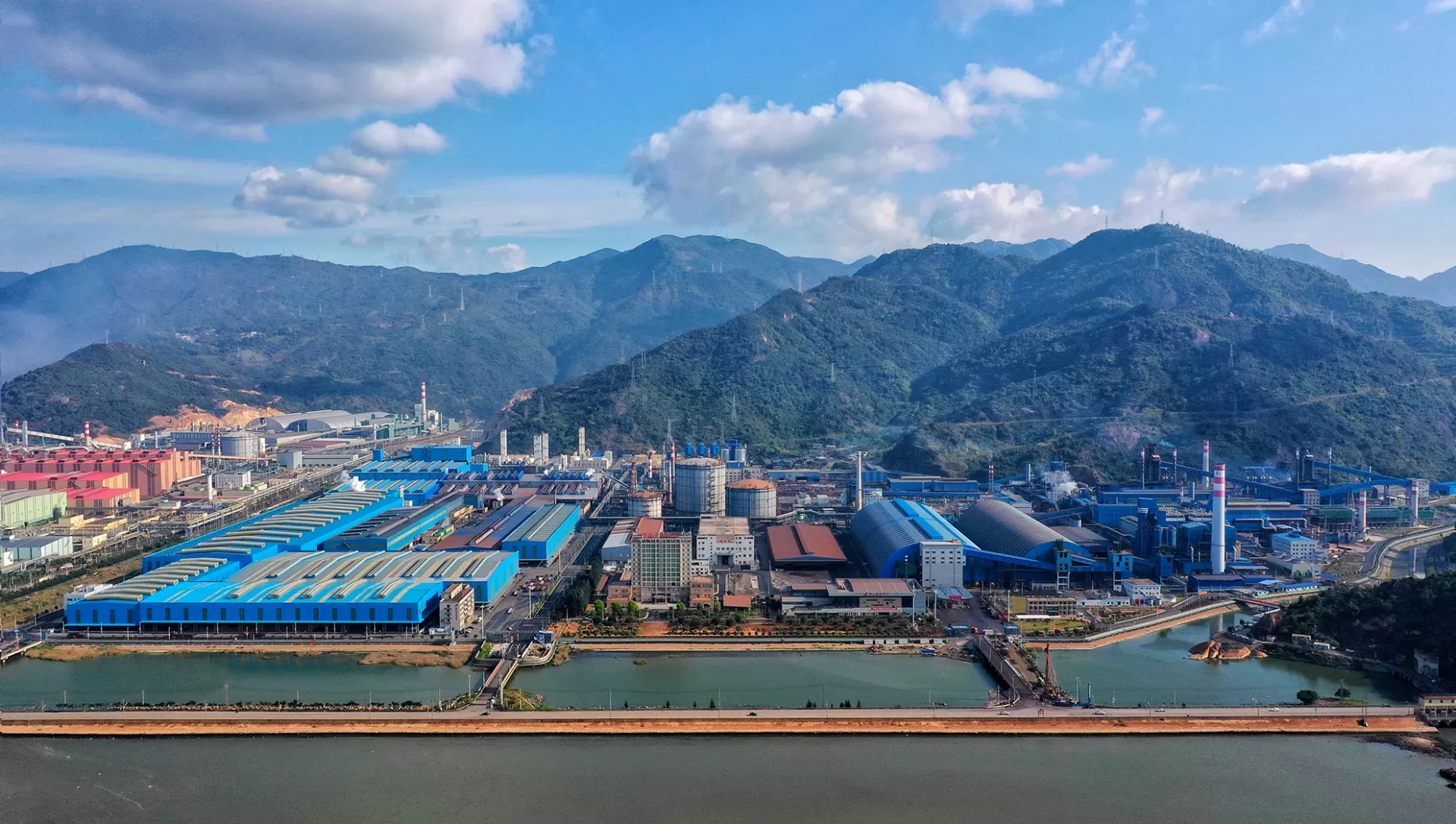
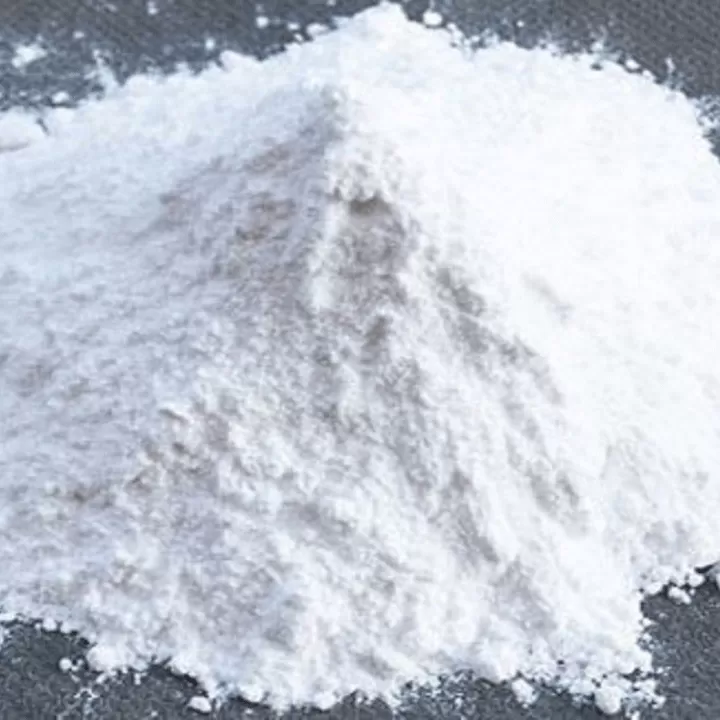
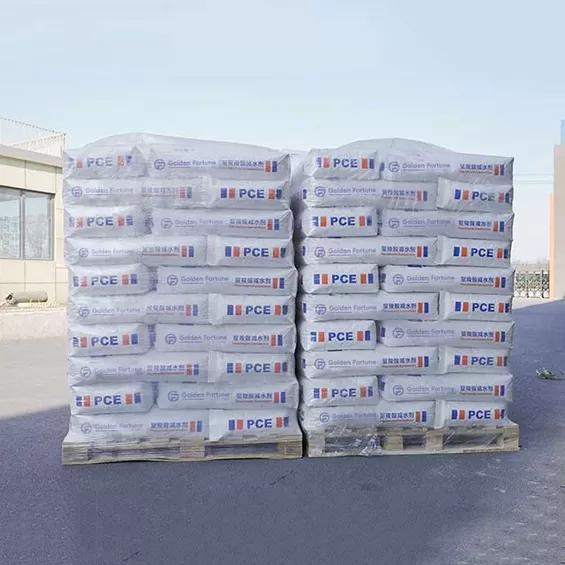
Ground Granulated Blast Furnace Slag (GGBS), also known as Ground Granulated Blast-Furnace Slag (GGBFS), serves as a high-performance mineral admixture that alters both the micro-structure and exterior appearance of hardened concrete. Sourced through high-volume production facilities, materials from Golden Fortune offer the consistency required to achieve reliable surface brightness and surface smoothness. Incorporating high-grade blast furnace slag into cementitious matrices addresses key visual challenges, enabling projects to realize Improved Aesthetics alongside enhanced mechanical performance.
Chemical Mechanism Behind Surface Whiteness and Color Uniformity
The dark grey color characteristic of traditional concrete stems primarily from the iron, manganese, and tetracalcium aluminoferrite (C4AF) phases present in Portland cement clinker. When water reacts with OPC, these heavy metal oxides hydrate and form dark, variable matrices. In contrast, GGBS is manufactured by rapidly quenching molten blast-furnace slag in water, freezing its amorphous glassy structure and preventing the crystallization of dark mineral phases.
Replacing a significant portion of OPC with high-quality slag shifts the background matrix color from a dark grey to a lighter off-white or light cream tone. This change directly increases the Light Reflectance Value (LRV) of the exposed concrete surface. At replacement rates between 50% and 70%, the visual transformation is pronounced, providing a consistent canvas suitable for fair-faced concrete, public civil monuments, and decorative precast panels.
Color stability across large placements depends heavily on controlling hydration kinetics. Ordinary Portland Cement hydrates rapidly, generating early thermal peaks that can lead to uneven curing rates, micro-cracking, and regional surface shading differences. Slag hydration proceeds at a more measured rate during early stages, producing a uniform distribution of hydration products. This steady reaction profile mitigates temperature differentials across thick structural elements, reducing the incidence of thermal mottling and ensuring visual consistency from pour to pour.
Mitigating Efflorescence and Surface Discoloration
Efflorescence represents one of the most prominent surface defects affecting structural concrete. Primary efflorescence manifests as a white, powdery crystalline deposit on concrete surfaces shortly after curing, while secondary efflorescence develops over months or years due to ongoing moisture transport. The chemical root of this phenomenon is free calcium hydroxide—Ca(OH)2—produced as a byproduct during the primary hydration of Portland cement.
When moisture migrates through the concrete pore network, it dissolves this free lime and transports it to the exterior boundary. Upon exposure to atmospheric carbon dioxide, calcium hydroxide converts into insoluble calcium carbonate, creating visible white streaks and clouding that destroy visual uniformity.
Incorporating slag disrupts this reaction chain through a secondary pozzolanic reaction:
Primary OPC Hydration: Tricalcium Silicate + Water → Calcium Silicate Hydrate Gel + Calcium Hydroxide
Secondary Slag Reaction: Calcium Hydroxide + Reactive Silica (from GGBS) + Water → Additional Calcium Silicate Hydrate (C-S-H) Gel
By consuming free calcium hydroxide and converting it into stable calcium silicate hydrate gel, slag removes the raw material required for efflorescence formation. Concurrently, this secondary C-S-H gel fills internal capillary voids, drastically reducing water permeability. With minimized internal transport channels and negligible free lime reserves, concrete produced with slag maintains a clean, stain-free exterior, providing a primary mechanism for Improved Aesthetics over long service life spans.
Formwork Performance, Micro-Structure, and Bug-Hole Reduction
Surface air voids—commonly called bug holes or blowholes—and honeycombing compromise the smooth texture of vertical concrete surfaces. These defects usually occur when trapped air and excess bleed water become trapped against formwork during compaction. Correcting these surface flaws after form removal requires extensive manual patching, which often leaves visible patches with mismatched colors.
Slag particles possess a smooth, glass-like surface texture and a angular particle geometry refined through controlled grinding. Sourced from Golden Fortune, slag ground to optimal Blaine fineness (typically between 4000 cm²/g and 4600 cm²/g) acts as a physical lubricant within the fresh concrete mix. This particle packing mechanism alters fresh concrete rheology in several distinct ways:
Enhanced Lubrication: Smooth glassy particles lower internal friction, improving flowability and response to mechanical vibration without requiring excess mixing water.
Bleed Control: Fine slag grains alter the pore structure of fresh paste, stabilizing water retention and preventing localized bleed channels that cause water-streaking against formwork walls.
Air Release: Improved paste fluidity allows entrained air bubbles to migrate away from formwork faces during consolidation, leaving a dense, smooth exterior boundary upon striking forms.
The resulting concrete exhibits a smooth, dense skin directly out of the formwork, reducing the need for post-construction surface repairs and supporting Improved Aesthetics in exposed structural elements.
Long-Term Visual Performance in Harsh Environmental Conditions
Aesthetic evaluation extends beyond the day formwork is stripped; true material quality relies on preserving visual appearance over decades of exposure to weather, industrial pollutants, and aggressive ions. Unprotected or highly permeable concrete surfaces absorb water, airborne soot, carbon dioxide, and marine salts, leading to surface scaling, staining, and eventual steel reinforcement corrosion.
Reinforcement corrosion yields expanding iron oxide rust, which generates internal tensile stresses, cracking, and rust-colored bleeding onto exposed concrete faces. Ground granulated blast furnace slag refines the aggregate-paste Interfacial Transition Zone (ITZ), transforming wide capillary channels into tiny, disconnected gel pores. This structural refinement yields high resistance to chloride ion diffusion and sulfate penetration.
Furthermore, the dense surface matrix resists atmospheric carbonation, maintaining high alkalinity within the core while preventing moisture absorption on the exterior. Concrete elements exposed to urban pollution, rain, or coastal environments resist surface erosion and maintain their intended visual appearance, establishing slag as a primary component for achieving long-lasting Improved Aesthetics.

Architectural Applications Requiring Fine Visual Finishes
Different structural applications require specific slag replacement ratios to balance visual outcomes with target early-age compressive strength development. Utilizing high-quality mineral inputs from Golden Fortune allows mix designers to customize parameters across several high-visibility sectors:
Architectural Precast Facades: Panels manufactured with 50% to 60% slag replacement yield consistent, off-white finishes that match strict batch-to-batch visual tolerances.
Civil Infrastructure and Retaining Walls: Massive poured-in-place retaining structures benefit from reduced thermal peak temperatures, eliminating surface micro-fissures and thermal cracking.
Urban Pavements and Civic Plazas: Highly durable footpaths crafted with slag matrices feature increased surface reflectivity (higher LRV), which reduces urban heat island effects while offering clean visual appeal.
Marine and Water-Retaining Structures: Low permeability prevents moisture absorption, preserving structural surfaces against algae staining, salt crusting, and chemical erosion.
Frequently Asked Questions
Q1: What replacement percentage of GGBS is recommended for achieving a lighter concrete color?
A1: To achieve a noticeably lighter, off-white surface color, replacement levels between 50% and 70% of total cementitious material are recommended. Lower replacement levels (20% to 35%) offer durability enhancements but yield only minor changes in background surface color. At 50% or above, the reduction in dark iron oxides creates a bright, reflective concrete matrix ideal for architectural finishes.
Q2: How does GGBS prevent white salt deposits (efflorescence) on exposed concrete?
A2: Slag reacts chemically with free calcium hydroxide—the primary driver of efflorescence—converting it into additional calcium silicate hydrate (C-S-H) gel. This reaction removes the soluble lime that would otherwise migrate to the surface. Additionally, the micro-structure created by this reaction seals capillary channels, blocking moisture transport and keeping salt deposits from reaching the surface.
Q3: Does GGBS slow down early strength development, and how does this affect formwork removal?
A3: Slag concrete typically exhibits slower early strength gain during the first 3 to 7 days compared to 100% OPC mixes, as the pozzolanic secondary reaction relies on initial OPC hydration. On site, formwork stripping times for load-bearing elements may need adjustment, or curing temperatures must be managed. However, ultimate 28-day and 90-day compressive strengths frequently equal or exceed standard concrete formulations.
Q4: Can GGBS be combined with white Portland cement for extreme whiteness?
A4: Combining high-grade slag with white Portland cement produces brilliant, bright white concrete that exceeds the whiteness of standard white cement alone. The fine slag particles refine the matrix paste density, creating ultra-smooth, bright architectural concrete suitable for decorative, high-end construction requiring Improved Aesthetics.
Q5: Why is Blaine fineness significant when sourcing slag for decorative concrete?
A5: Blaine fineness measures the specific surface area of the ground slag powder. Higher fineness values (above 4000 cm²/g) mean smaller particle sizes that fill microscopic voids between aggregates, improve paste cohesion, reduce bleed water marks, and assist in releasing trapped air bubbles against formwork. Sourcing fine, consistent slag guarantees superior workability and a dense, defect-free surface finish.
Initiate Your Material Inquiry
Achieving superior architectural surface finishes requires high-grade mineral inputs and technical precision in mix design. Golden Fortune delivers premium ground granulated blast furnace slag tailored to meet strict architectural standards, durability specifications, and visual requirements. Contact our technical engineering team today to request detailed material data sheets, schedule mix optimization consultations, or submit a bulk commercial Inquiry for your upcoming structural project focused on Improved Aesthetics.