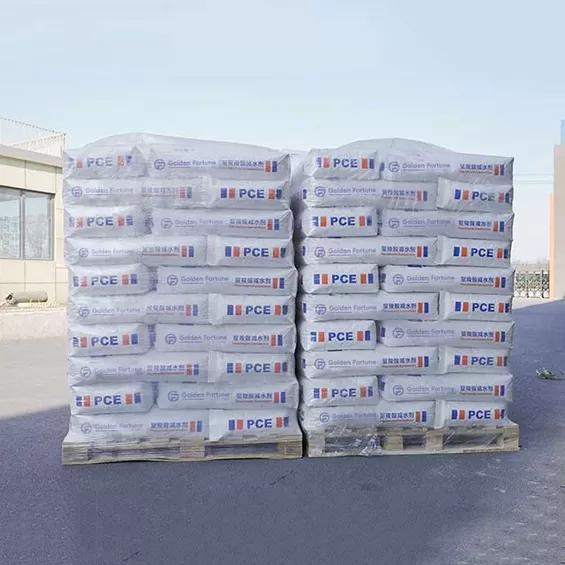
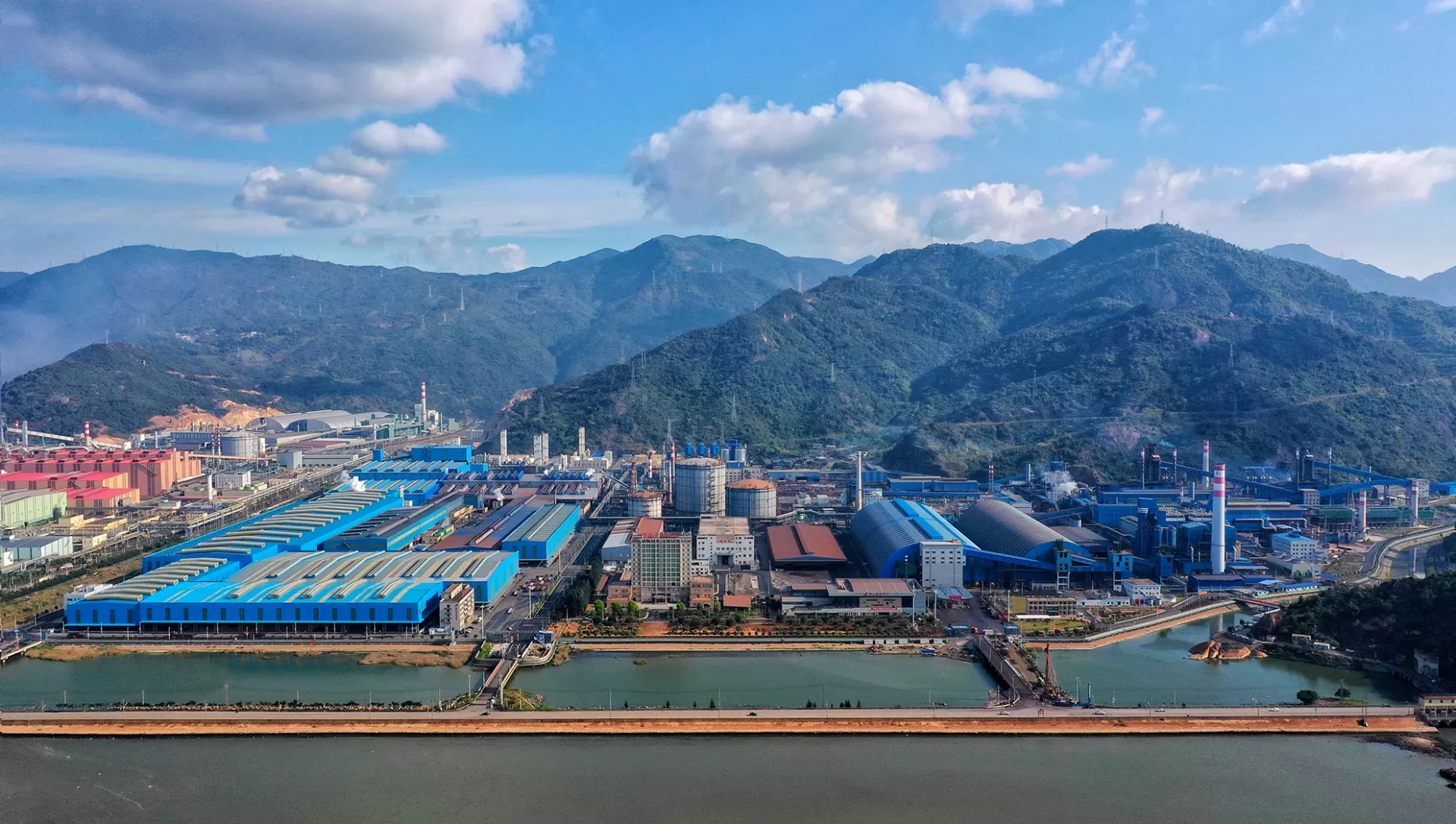
Ground Granulated Blast-Furnace Slag (GGBS) has established itself as an indispensable supplementary cementitious material in modern concrete technology. Utilizing granulated slag enhances long-term compressive strength, reduces permeability, and mitigates hydration heat in mass concrete structures. However, integrating supplementary materials into standard batching processes often introduces operational challenges. Variations in fineness, particle shape, and water demand directly impact the workability and rheology of wet concrete mixes.
Achieving user-friendly mixing requires an understanding of how blast-furnace slag interacts with Portland cement clinker, chemical admixtures, and water during the initial shear phase inside concrete mixers. When concrete producers optimize binder proportions and particle size distributions, they unlock smooth batching sequences, reduce mechanical wear on mixing equipment, and maintain consistent slump performance over long transport distances.

Rheological Dynamics of GGBS in Cementitious Systems
The flow behavior of fresh concrete depends heavily on the surface characteristics and physical dimensions of the binder materials. Blast-furnace slag particles, obtained by rapid water-quenching of molten iron slag, possess a vitreous, glassy structure. When milled to standard fineness levels—typically between 4000 cm²/g and 4500 cm²/g Blaine—the resulting powder exhibits specific hydrodynamic properties during batching.
Unlike spherical fly ash particles or highly porous micro-silica, ground slag features angular yet smooth surfaces. During initial water contact, these smooth glassy faces offer lower immediate surface friction compared to irregular, unground clinker grains. This fundamental characteristic forms the physical basis for user-friendly mixing, allowing concrete to achieve higher initial fluidity at equivalent water-to-binder ratios.
Hydration Kinetics and Early Rheology
In standard cement hydration, early-stage reactions are dominated by the quick dissolution of tricalcium aluminate (C3A) and tricalcium silicate (C3S). Blast-furnace slag, being a latent hydraulic binder, reacts primarily upon activation by calcium hydroxide released during primary cement hydration. This reaction timeline offers key rheological benefits during the first two hours of batching:
Delayed Viscosity Build-Up: Because the hydraulic activation of slag occurs gradually, early gel formation is less aggressive, preventing premature stiffening.
Reduced Initial Water Consumption: Slag particles absorb less water onto their exterior surfaces in the first few minutes, leaving more free water available to lubricate aggregate movement.
Enhanced Dispersion: The lower surface charge density of unreacted slag allows chemical dispersants to act more efficiently across the entire binder blend.
Key Factors Influencing Batch Consistency and Mixability
Achieving consistent batching across varying ambient temperatures and plant configurations requires precise control over raw material inputs. Disruption in binder dispersion often leads to clump formation, uneven workability, and localized variations in mechanical strength.
Particle Size Distribution and Blaine Fineness
Fineness acts as a primary control parameter for slag quality. Excessive grinding increases the specific surface area, accelerating strength development but dramatically raising water demand and mix viscosity. Conversely, coarse slag particles decrease water demand but lead to bleeding, dynamic segregation, and harsh finishing characteristics.
Maintaining a tight, uniform particle size distribution ensures predictable performance. High-grade slag processed by Golden Fortune undergoes controlled air classification to eliminate oversized particles while restricting ultra-fine fractions. This controlled balance produces a continuous particle grading curve that fills voids between cement grains, promoting high packing density without increasing yield stress during mixing.
Compatibility with Chemical Admixtures
Modern high-performance concrete relies heavily on Polycarboxylate Ether (PCE) superplasticizers. PCE molecules function via electrostatic repulsion and steric hindrance, anchoring onto binder surfaces to disperse clustered particles. The mineralogical composition of slag alters the adsorption kinetics of these polymers.
Because GGBS contains lower concentrations of active aluminates than standard Portland cement, less PCE is prematurely consumed during the initial mix phase. This dynamic creates a synergistic effect where PCE dosages can be adjusted downward while achieving superior flowability and extended workability retention periods.
Overcoming Industrial Batching Pain Points with User-Friendly Mixing
Ready-mix concrete producers and precast concrete plants face daily operational hurdles that affect throughput speed, equipment longevity, and product uniformity. Transitioning to a regime focused on user-friendly mixing directly addresses these core friction points.
Tackling High Shear Resistance and Mixer Wear
High-binder mixes—such as those used in infrastructure foundations, high-rise cores, and marine structures—often exhibit sticky rheology. High dynamic viscosity places excessive mechanical strain on twin-shaft mixers, planetary mixers, and transit mixer drums. High shear resistance increases electrical energy consumption per cubic meter produced and accelerates wear on mixer liner plates and mixing blades.
Incorporating optimized slag blends alters the plastic viscosity of the matrix. Lowering the overall yield stress allows mixing blades to turn with reduced drag, facilitating rapid, homogeneous blending in shorter cycle times. This reduction in physical resistance protects plant machinery while lowering operational power requirements.
Managing Slump Retention and Transit Times
Transporting concrete in warm climates or across congested urban corridors demands extended workability retention. Rapid slump loss often forces jobsite operators to re-temper concrete with water—a risky practice that compromises compressive strength, increases permeability, and violates international engineering standards such as ASTM C989 and EN 197-1.
Slag blends designed for stable batching exhibit exceptionally low slump loss over 90 to 120 minutes. By controlling initial hydration rates, the cementitious matrix retains its fluid characteristics long after batching, allowing transit mixers to discharge smoothly without needing additional fluidizers at the job site.
Engineering Guidelines for Concrete Mix Optimization
Establishing reliable batching protocols involving ground granulated blast-furnace slag requires methodical proportioning, correct addition sequences, and continuous quality checks.
Standard Binder Replacement Ratios
Slag replacement rates vary depending on structural demands, exposure classes, and early-age strength targets. Typical dosage strategies fall into three functional bands:
General Construction (30% to 45% Replacement): Delivers balanced early strength, improved workability, and reduced heat generation suitable for standard slabs, beams, and columns.
Durability and Marine Structures (50% to 65% Replacement): Provides high resistance to chloride ion ingress, sulfate attack, and alkali-silica reaction (ASR), ideal for port infrastructure and underground foundations.
Mass Concrete Projects (65% to 80% Replacement): Maximizes temperature control in massive pour sections such as dams, bridge piers, and raft foundations by minimizing peak hydration thermal stresses.
Selecting consistent material inputs from established suppliers like Golden Fortune ensures that higher replacement rates can be implemented without introducing unpredictable fluctuations in setting times or early strength growth.
Batching Sequence and Shear Input
The sequence in which materials enter the mixer significantly influences the final homogenization of the concrete. To facilitate user-friendly mixing, plants should implement a structured charging order:
Coarse and Fine Aggregates: Load first alongside 50% to 60% of the total batch water to coat aggregate surfaces and initiate moisture distribution.
Dry Binders (Cement and GGBS): Introduce simultaneously to allow pre-blending of dry powders under main mixing action.
Remaining Water and Admixtures: Inject chemical admixtures pre-diluted in the final portion of batch water to achieve immediate chemical dispersion throughout the hydrated matrix.
Providing adequate wet-mixing time—typically 45 to 60 seconds after all components are charged—ensures complete chemical dispersion and breakdown of agglomerated binder clusters.
Performance Comparison Across Concrete Applications
The operational benefits of optimized mixing practices manifest differently depending on the specific manufacturing environment.
Ready-Mix Concrete (RMC) Plants
In RMC operations, speed, predictability, and pumpability are paramount. Concrete must be mixed quickly, loaded into transit mixers, and remain workable until final placement. Incorporating quality-controlled slag enhances pumpability by creating a cohesive lubrication layer along the inner pipe walls of concrete pumps. This reduces line pressure, minimizes risk of pipeline blockages, and allows pumping over extended horizontal and vertical distances.
Precast Concrete Elements
Precast facilities demand quick demolding times alongside high surface finish standards. Achieving a smooth, pinhole-free surface architectural finish relies heavily on how easily concrete compacts under vibration. High-workability slag mixes flow readily into complex mold geometries and around dense rebar cages, releasing entrapped air efficiently under external vibration. Premium slag materials sourced from Golden Fortune assist precast manufacturers in achieving uniform element color and flawless surface cosmetics.
Technical Comparison: Ordinary Portland Cement vs. Slag Blends
Understanding the fundamental behavior of plain cement versus blended systems clarifies why proper mixing management is essential for long-term concrete performance.
Plain Portland cement mixes exhibit high early heat release, rapid initial stiffening, and higher surface friction during batching. This dynamic often necessitates higher water contents or elevated plasticizer dosages to achieve desired flow rates. Conversely, properly proportioned GGBS blends present lower initial shear resistance, lower peak hydration temperatures, and superior workability retention.
These properties convert into direct concrete performance advantages:
Lower early-age thermal cracking risk in thick structural sections.
Superior resistance to chemical attack due to pore refinement and microstructural densification.
Lower embodied carbon per cubic meter of finished concrete, aligning with modern green building standards and BREEAM/LEED certification requirements.
Frequently Asked Questions
Q1: How does slag particle fineness affect the workability of
concrete during mixing?
A1: Particle fineness directly influences
surface area and water absorption. Moderate, uniform fineness (around 4000 to
4500 cm²/g Blaine) reduces surface friction, improving workability and
flowability. Excessively fine material increases dynamic viscosity, requiring
higher admixture dosages to maintain flow.
Q2: Why does GGBS concrete show better slump retention compared to
pure Portland cement mixes?
A2: GGBS reacts more slowly during the
initial hydration phase because its activation depends on calcium hydroxide
released by primary cement hydration. This slower initial chemical activity
prevents rapid viscosity buildup, allowing the mix to maintain its slump over
extended timeframes.
Q3: Does using GGBS require specialized mixing equipment at the
batching plant?
A3: No specialized equipment is required. Standard
planetary, pan, or twin-shaft mixers handle GGBS effectively. However, ensuring
a proper charging sequence—adding aggregates and partial water prior to dry
powders—promotes fast, efficient homogenization.
Q4: Can user-friendly mixing practices prevent dynamic segregation in
high-slump self-consolidating concrete (SCC)?
A4: Yes. By balancing
Blaine fineness and aggregate grading, slag enhances mix cohesiveness. This
structural cohesiveness holds coarse aggregates in suspension even at high fluid
slumps, preventing segregation and bleeding.
Q5: How does Golden Fortune maintain quality consistency across large
volume orders of GGBS?
A5: Material consistency is maintained
through advanced raw material selection, standardized water-quenching controls,
and continuous automated air-classification during grinding. This ensures
uniform chemical composition and tight particle size distributions in every
shipment.
Partner with Golden Fortune for High-Performance GGBS Solutions
Achieving consistent, low-viscosity batching and reliable long-term strength requires high-grade mineral components backed by rigorous quality assurance. Golden Fortune supplies premium Ground Granulated Blast-Furnace Slag designed to deliver exceptional workability, low shear resistance, and user-friendly mixing across demanding ready-mix, precast, and heavy infrastructure projects worldwide.
Our technical team works alongside concrete producers, project engineers, and commercial batching facilities to optimize mix designs, reduce cementitious material costs, and enhance structural durability. Standardize your concrete operations with industry-leading mineral admixtures.
Contact Golden Fortune today to request comprehensive technical datasheets, request material samples, or obtain a formal commercial quote for bulk shipments.