Volume change in hardened concrete represents one of the primary drivers of internal stress development, micro-cracking, and premature structural degradation. As hydraulic cement reacts with water, physical and chemical transformations induce dimensional variations across multiple timeframes. Uncontrolled dimensional shifts manifest as plastic shrinkage, autogenous contraction, drying shrinkage, and thermal deformation. Managing these volume changes requires precise control over binder hydration kinetics, pore structure development, and moisture transport mechanics within the cementitious matrix.
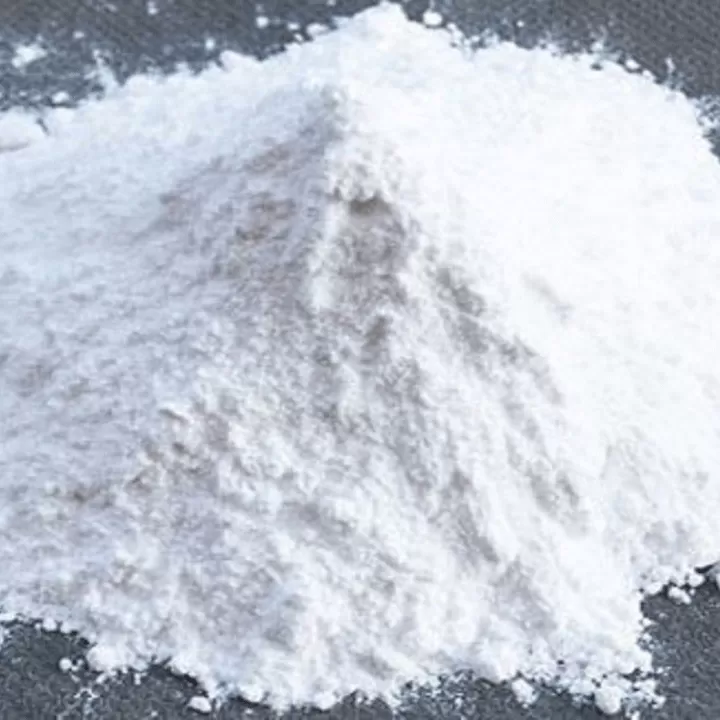
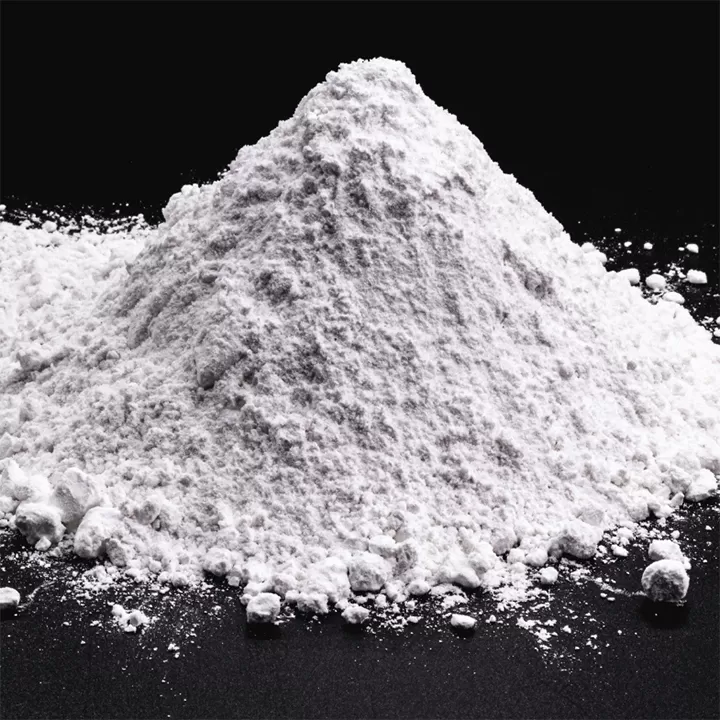
Ground Granulated Blast-Furnace Slag (GGBS), also designated as Ground Granulated Blast Furnace Slag (GGBFS), serves as a high-performance supplementary cementitious material capable of modifying the microstructure of concrete. Through latent hydraulic and pozzolanic actions, GGBS alters the internal stress profile of concrete elements during early and late curing stages. Establishing reliable shrinkage control during the early curing phases allows structural designers and concrete producers to extend service life, lower maintenance overhead, and enhance overall structural integrity in demanding civil engineering projects.
Drivers of Concrete Shrinkage and Volume Instability
Concrete shrinkage occurs through distinct physical mechanisms depending on the moisture state, temperature profile, and degree of hydration within the matrix. Understanding these mechanisms is necessary to implement targeted mitigation strategies.
Plastic Shrinkage: Occurs while the concrete is still in a plastic state prior to initial set. Rapid evaporation of surface water exceeding the rate of bleed water migration creates capillary negative pressure near the exposed surface, causing menisci to form between solid particles.
Autogenous Shrinkage: Driven by self-desiccation within low water-to-binder ($w/b$) ratio mixtures. As cement hydration progresses, chemical shrinkage consumes free water inside capillary pores. When internal relative humidity drops below approximately 80%, capillary tension develops within tiny pores (2 to 50 nanometers in diameter), pulling pore walls inward and generating macro-scale bulk volume contraction.
Drying Shrinkage: Results from the loss of capillary water and adsorbed water from the calcium silicate hydrate (C-S-H) gel to the surrounding environment. This long-term process continues until moisture equilibrium is reached between the concrete interior and ambient atmospheric conditions.
Thermal Contraction: Stemming from the exothermic nature of Portland cement hydration. Peak heat generation creates substantial temperature differentials between the core and exterior of mass concrete elements. As the mass cools, restrained thermal contraction creates tensile strains that exceed early-age tensile strength.
The magnitude of internal stress generated by these mechanisms depends directly on the stiffness, creep capacity, pore size distribution, and elastic modulus of the evolving matrix. Unmitigated strain leads to micro-cracking, which destabilizes the barrier properties of concrete and permits the ingress of aggressive chemical agents such as chloride ions, carbon dioxide, and sulfates.
Microstructural Mechanisms of GGBS in Volume Control
Incorporating GGBS into concrete mixtures fundamentally alters the hydration chemistry, pore structure, and thermal profile of the hardened mass. Portland cement hydration releases significant quantities of calcium hydroxide ($Ca(OH)_2$), a crystalline phase that contributes minimally to mechanical strength or dense pore structure. GGBS, composed primarily of glassy calcium aluminosilicate material, undergoes a secondary pozzolanic reaction with this calcium hydroxide.
This reaction forms additional calcium silicate hydrate (C-S-H) gel characterized by a lower calcium-to-silicon ($Ca/Si$) ratio compared to primary C-S-H derived from Ordinary Portland Cement (OPC). The resulting gel fills micro-voids, transforming large, continuous capillary pores (>50 nm) into isolated, fine gel pores (<10 nm="">
Regarding autogenous strain, GGBS alters hydration kinetics during early curing ages. While fine GGBS can increase ultimate autogenous shrinkage due to fine pore formation, it modifies the rate at which stress builds. The latent hydraulic nature of GGBS delays the onset of self-desiccation compared to pure OPC matrices. This delayed action provides additional time for concrete to gain tensile strength and creep capacity before internal capillary tension reaches peak levels. Consequently, incorporation of slag provides reliable shrinkage control by altering the thermal hydration curve, reducing peak temperature rise during initial curing phases.
Thermal strain reduction represents one of the most prominent features of GGBS concrete. The pozzolanic reaction of slag proceeds at a slower rate than the primary hydration of tricalcium silicate ($C_3S$) and tricalcium aluminate ($C_3A$). Substituting OPC with GGBS flattens the heat evolution curve, lowering maximum adiabatic temperature rise in mass elements. Reduced core temperatures lower the thermal gradient between internal and external zones of structural members, effectively eliminating the primary driving force behind thermal contraction cracking in mass pours.
Formulation Guidelines for Shrinkage Reduction
Achieving predictable volume stability requires systematic selection of mix parameters, replacement levels, and chemical admixtures. Achieving reliable shrinkage control requires strict management of binder proportions, water-to-binder ratios, aggregate grading, and curing conditions.
Binder Replacement Ratios
GGBS replacement levels typically range from 30% to 70% by mass of total cementitious material, depending on the specific engineering requirements of the project:
30% to 50% Replacement: Ideal for standard structural concrete, slabs, and pavements. Provides a balance between early-age strength development, reduced drying shrinkage, and enhanced durability against environmental exposure.
50% to 70% Replacement: Specified for mass concrete foundations, dams, thick subterranean walls, and marine structures. Maximizes thermal strain reduction, minimizes total heat of hydration, and substantially lowers long-term permeability.
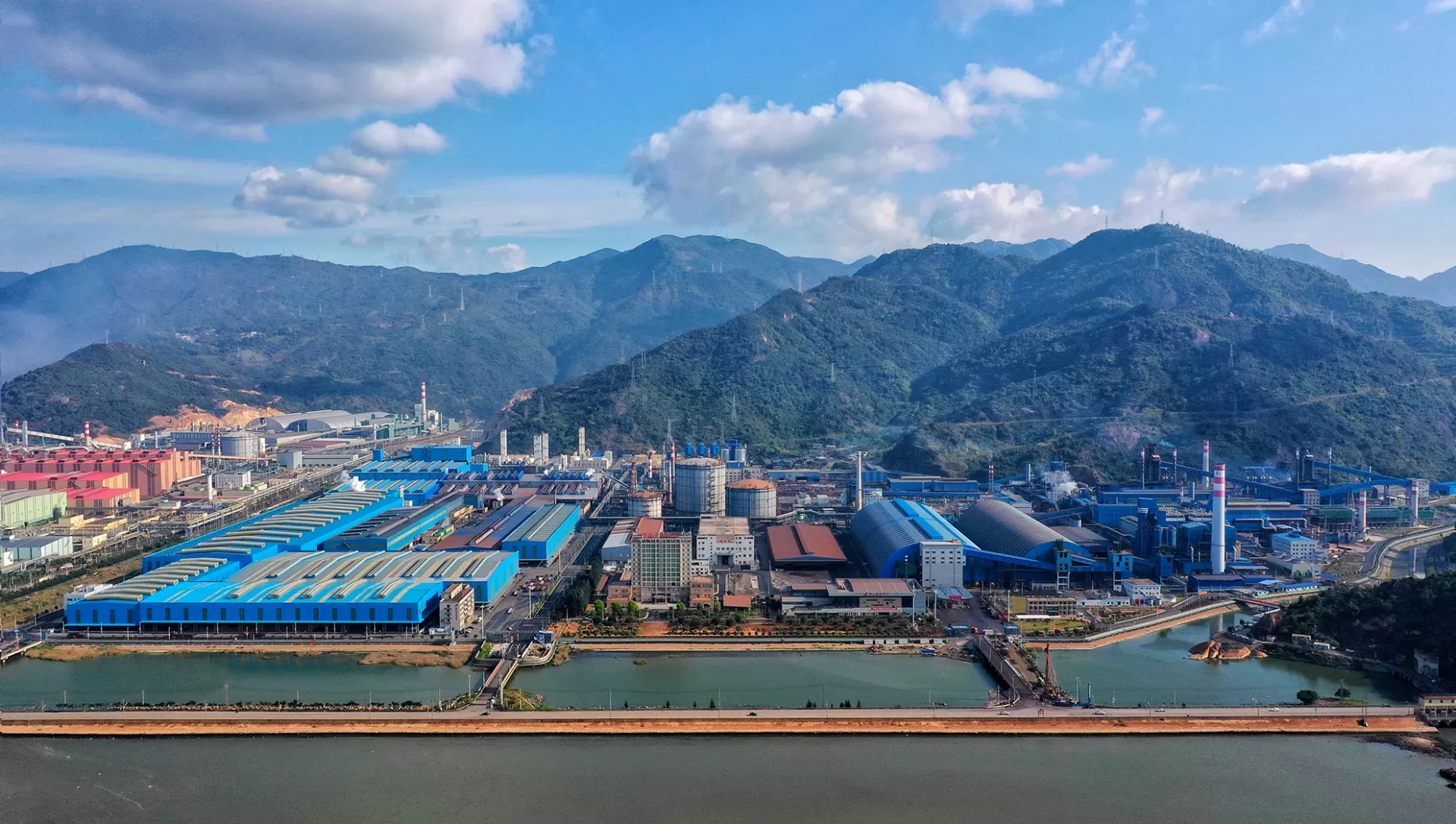
Sourcing processed slag from Golden Fortune ensures stable chemical composition and consistent fineness, enabling predictable strength development and repeatable volume performance across varying mix designs.
Water-to-Binder Ratio and Chemical Admixtures
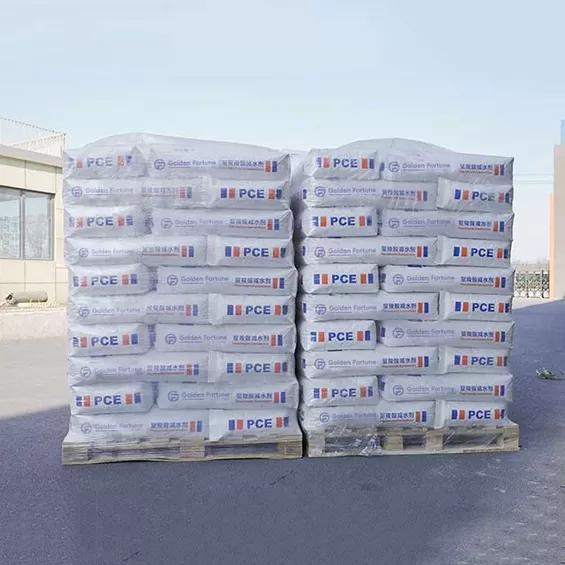
The water-to-binder ($w/b$) ratio directly influences capillary porosity and autogenous behavior. A lower $w/b$ ratio reduces drying shrinkage by limiting free evaporable water, but heightens autogenous strain due to aggressive self-desiccation. Maintaining a $w/b$ ratio between 0.35 and 0.42, combined with high-range water-reducing admixtures (polycarboxylate ether superplasticizers), delivers optimal fluid workability while maintaining internal volume stability.
To further enhance dimensional control in sensitive structures, GGBS mixes can be combined with Shrinkage-Reducing Admixtures (SRAs). SRAs act by lowering the surface tension of pore water, directly reducing the capillary tension force ($P_c$) exerted on pore walls as drying or self-desiccation occurs. The combination of SRA chemistry and GGBS pore refinement yields superior performance compared to single-component mitigation strategies.
Aggregate Selection and Internal Curing
Aggregates act as internal restraints against binder paste shrinkage. Utilizing high-modulus, low-absorption aggregates with dense particle packing reduces total paste volume requirements, directly decreasing bulk shrinkage potential. In low $w/b$ ratio high-performance concrete, internal curing using pre-wetted lightweight aggregates (LWA) or superabsorbent polymers (SAP) provides internal water reservoirs. These reservoirs supply moisture during self-desiccation, maintaining high internal relative humidity and neutralizing autogenous strain.
Structural Applications and Performance Benefits
GGBS concrete is widely deployed across infrastructure, commercial building, and marine sectors where long-term durability and structural integrity are mandatory.
Mass Concrete Foundations and Rafts
In thick foundation rafts and bridge piers, excessive thermal gradients pose significant operational challenge. Utilizing high-volume GGBS replacement lowers peak temperature rise by 15°C to 25°C compared to pure OPC mixes. Lower core temperatures eliminate steep thermal gradients, preventing early-age macro-cracking without requiring complex internal cooling pipe networks.
Subterranean and Water-Retaining Structures
Underground diaphragm walls, basements, tunnels, and water treatment tanks demand strict crack width limits to maintain watertightness. Field engineers rely on GGBS to secure reliable shrinkage control in subterranean walls, where external soil restraint creates high tensile stresses against concrete shrinkage. Reduced micro-cracking ensures low fluid permeability and prevents groundwater ingress.
High-Performance Marine Concrete
Marine structures exposed to tidal zones, splashing, and aggressive saline environments benefit from the dual effect of densified C-S-H microstructure and minimized shrinkage cracking. The dense binder matrix limits chloride diffusion rates, while reliable volume stability prevents cracking paths that would otherwise allow rapid transport of corrosive ions to internal steel reinforcement.
Material Quality Criteria and Standard Compliance
Consistently managing volume stability requires stringent quality control of raw materials. Key parameters evaluating GGBS quality include fineness, glass content, and chemical reactivity.
Materials sourced from Golden Fortune undergo rigorous grinding and quality management to meet international standards such as ASTM C989 (Grade 100/120) and EN 15167-1. High vitreous (glass) content exceeding 90% guarantees high latent reactivity with primary hydration products. Blaine fineness maintained within optimal ranges ($400 - 480 m^2/kg$) balances early-age strength gain against controlled hydration rates, preventing exaggerated early autogenous strain while delivering fine pore refinement.
Standardized testing protocol ensures accurate evaluation of shrinkage performance in GGBS formulations:
ASTM C157: Standard Test Method for Length Change of Hardened Hydraulic-Cement Mortar and Concrete. Measures drying shrinkage strains over extended exposure periods (28 days, 56 days, 90 days, and beyond).
ASTM C1698: Standard Test Method for Autogenous Strain of Cement Pastes and Mortars. Uses corrugated polymeric tubes to measure early-age autogenous length change under sealed isothermal conditions.
EN 12390-16: Testing hardened concrete — Determination of the shrinkage of concrete. Standardized European procedure assessing total shrinkage strains.
Addressing Shrinkage Challenges: Comparative Summary
The following table outlines the comparative response of conventional OPC concrete versus high-performance GGBS concrete across primary shrinkage categories:
Plastic Shrinkage
Higher initial bleed rates; moderate evaporation sensitivity
Lower bleed rates in fine mixes; requires immediate curing protection
Surface micro-fissures if uncured; prevented by early membrane application
Autogenous Shrinkage
Rapid onset in low w/b mixes; early peak self-desiccation
Slower initial development; controlled stress growth over time
Lower early internal tensile strain; reduced micro-defect density
Drying Shrinkage
Higher long-term moisture movement due to coarse capillary pores
Substantially reduced ultimate drying shrinkage via gel pore refinement
Long-term dimensional stability; improved joint and floor flatments
Thermal Contraction
High peak heat evolution ($q_{max}$); steep internal thermal gradients
Significantly lower peak heat generation; extended thermal evolution
Elimination of thermal cracking in mass concrete pours
Implementation Recommendations for Project Engineers
To successfully integrate GGBS for volume control in concrete construction, field teams should follow systematic implementation practices:
First, conduct trial mix evaluations measuring both mechanical properties and length change parameters according to ASTM C157 or ASTM C1698. Adjust total paste volume and binder replacement levels based on actual ambient conditions and element geometry.
Second, enforce rigorous curing protocols. Because GGBS depends on primary cement hydration products to trigger its pozzolanic reaction, maintaining continuous moist curing for a minimum of 7 to 14 days is mandatory. Early application of wet burlap, curing membranes, or continuous fogging prevents surface drying and maximizes the formation of high-density C-S-H gel.
Third, establish real-time thermal monitoring for mass pours exceeding 800 mm in thickness. Place thermocouples at core, mid-depth, and surface locations to verify that temperature differentials remain below 20°C throughout the cooling phase.
Consult with technical specialists from Golden Fortune to select the precise slag fineness and replacement ratios tailored to your specific mix designs, structural geometries, and exposure conditions.
Frequently Asked Questions
Q1: How does GGBS affect early-age autogenous shrinkage compared to
100% OPC mixes?
A1: In the initial 24 to 48 hours, GGBS reduces the
rate of autogenous shrinkage by slowing down early hydration kinetics and
self-desiccation. Over longer periods, fine pore structure development can
increase total autogenous strain in low $w/b$ mixes; however, because the
concrete gains higher tensile strength and stress relaxation capacity during
this extended timeframe, internal cracking potential is significantly
reduced.
Q2: What replacement percentage of GGBS is ideal for controlling
thermal shrinkage in mass concrete?
A2: A replacement level between
50% and 70% by mass of total binder is optimal for mass concrete elements. This
range substantially flattens the hydration heat peak, reducing internal core
temperatures and preventing harmful thermal gradient stresses as the structure
cools.
Q3: Does GGBS concrete require extended wet curing compared to
traditional concrete mixtures?
A3: Yes, GGBS concrete benefits
significantly from extended moist curing. Because the secondary pozzolanic
reaction relies on calcium hydroxide produced by initial cement hydration,
maintaining high internal moisture for at least 7 to 14 days ensures complete
pore refinement and effective long-term drying shrinkage control.
Q4: Can GGBS be combined with chemical Shrinkage-Reducing Admixtures
(SRAs)?
A4: Yes. GGBS and SRAs operate through complementary
mechanisms. GGBS refines the solid microstructural pore network, while SRAs
reduce the surface tension of capillary pore fluid. Combining both materials
provides an effective strategy for maintaining reliable shrinkage control across
varying ambient temperatures and low $w/b$ ratios.
Q5: How does Golden Fortune maintain quality consistency in GGBS
supply for large-scale projects?
A5: Golden Fortune implements
automated processing, precise magnetic separation, controlled vertical roller
mill grinding, and continuous quality sampling. Chemical composition, Blaine
fineness, and activity index are systematically verified to guarantee
batch-to-batch uniformity across major infrastructure shipments.
Technical Inquiries and Mix Consultation
Optimizing concrete mix proportions for volume stability requires comprehensive material data and empirical validation. Contact the technical team at Golden Fortune to submit an inquiry for detailed product specifications, baseline hydration data, or customized blend recommendations. Our engineering support staff assists project teams with trial batch formulations, testing protocols, and bulk supply coordination to meet demanding structural performance targets.