Concrete manufacturing continues to evolve as the demand for sustainable, high-performance infrastructure increases. Traditional Portland cement clinker production is highly resource-intensive, prompting construction engineers and concrete manufacturers to seek alternative binders. Among these materials, ground granulated blast-furnace slag (GGBS or GGBFS) stands out because of its latent hydraulic properties. When properly activated, this industrial by-product exhibits a highly reactive cement like behavior, contributing directly to the formation of calcium silicate hydrate (C-S-H) gels. As a primary manufacturer of premium mineral admixtures, Golden Fortune supplies premium GGBS that meets the stringent requirements of modern concrete formulations. Understanding the microstructural development and chemical reactions of these materials helps batching plants refine raw material inputs and meet performance targets.
Chemical Mechanisms Behind Latent Hydraulic Activity
To understand how slag functions as a dependable cement like constituent in concrete, one must analyze its chemical composition. GGBS consists mainly of silicates and aluminosilicates of calcium, which are obtained by rapidly quenching molten iron slag from a blast furnace with water. This rapid cooling prevents crystallization, resulting in a highly amorphous glass structure containing network-forming ions such as silicon and aluminum, balanced by network-modifying ions like calcium and magnesium.
The Activation Process
Unlike Portland cement, slag does not react vigorously with water on its own because of its stable glass structure. The glass network must be broken down by an activator to release the reactive silica and alumina. In a standard concrete mix, Portland cement serves as the primary activator. When Portland cement hydrates, it releases calcium hydroxide, Ca(OH)2, as a byproduct. This highly alkaline environment triggers the dissolution of the glassy slag particles, initiating a secondary reaction chain.
Secondary Hydration Reactions
Once activated, the dissolved silica and alumina from the slag react with the calcium hydroxide to form additional C-S-H gel, which is the primary strength-giving phase in concrete. This reaction is slower than the initial hydration of cement, but it fills the capillary pores within the cement paste. This micro-filler effect transforms the porous matrix into a dense, impervious structure, displaying excellent cement like adhesive performance over time. The reduction in calcium hydroxide also decreases the chemical vulnerability of the concrete paste, making it less susceptible to leaching and acid attack.
Particle Fineness and Physical Characteristics
The reactivity of GGBFS depends significantly on its particle size distribution and specific surface area, often measured as Blaine fineness. Coarser slag particles react slowly, contributing mainly as inert aggregate fillers in the early stages. Conversely, ultra-fine slag particles offer a much higher surface area for hydration reactions, leading to accelerated chemical activity.
Particle Packing and Porosity Reduction
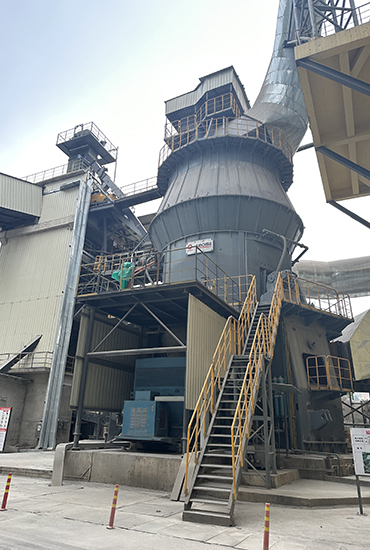
Advanced grinding technologies allow manufacturers to produce ultra-fine powders that fill the microscopic voids between cement grains. Golden Fortune utilizes advanced processing systems to control the particle size distribution of its GGBS products, ensuring consistent performance. By filling these voids, the material minimizes permeability and restricts the movement of water and aggressive ions within the hardened concrete. This physical packing works in tandem with chemical hydration to create a robust structure.
Hydration Heat Mitigation
Massive concrete structures, such as dam foundations and large bridge piers, face internal thermal stresses during the curing phase. High temperatures generated by rapid cement hydration can lead to thermal cracking. Replacing a portion of Portland cement with a latent hydraulic, cement like mineral material lowers the overall heat of hydration. This slower heat release rate prevents excessive temperature differentials between the core and the surface of the concrete, preserving structural integrity.
Industry Applications and Structural Performance
The incorporation of GGBFS is common in projects requiring high durability and chemical resistance. Because of its unique hydration products, slag-modified concrete offers distinct advantages over traditional mixtures in aggressive environments.
Marine Infrastructure and Chloride Resistance
Marine environments expose concrete to aggressive chloride attack, which can lead to steel reinforcement corrosion. The pore refinement provided by a cement like binder system significantly reduces chloride diffusion rates. The alumina content in the slag also binds free chloride ions chemically, forming Friedel's salt, which prevents them from reaching the embedded steel reinforcement and initiating rust.
Sulfate Resistance
Soils and groundwaters containing high concentrations of sulfates can cause concrete expansion and cracking due to the formation of ettringite. Replacing Portland cement with GGBS reduces the tricalcium aluminate (C3A) content in the overall binder matrix, reducing the potential for sulfate attack. The dense microstructure further blocks the physical penetration of sulfate ions into the concrete elements.
Operational and Engineering Challenges in Slag Concrete
While the advantages of GGBFS are clear, concrete producers must address certain practical challenges during batching, mixing, and placement to ensure consistent quality.
Slower Early Strength Development
Because the latent hydraulic reaction depends on the hydration of Portland cement to release calcium hydroxide, concrete containing high percentages of slag may exhibit slower early-strength development, particularly in cold weather. Engineers address this by adjusting replacement ratios or using accelerator admixtures when rapid formwork removal is required. Over the long term, however, slag concrete often surpasses plain Portland cement concrete in ultimate compressive strength.
Consistent Sourcing and Quality Control
The mineralogical composition of slag can vary depending on the raw materials used in iron production. Consistency in glass content and chemical composition is vital for maintaining predictable concrete setting times and strength development. Golden Fortune implements rigorous quality control throughout the sourcing and manufacturing processes, delivering GGBS with stable chemical profiles and high glass content to guarantee reliable performance in diverse projects.
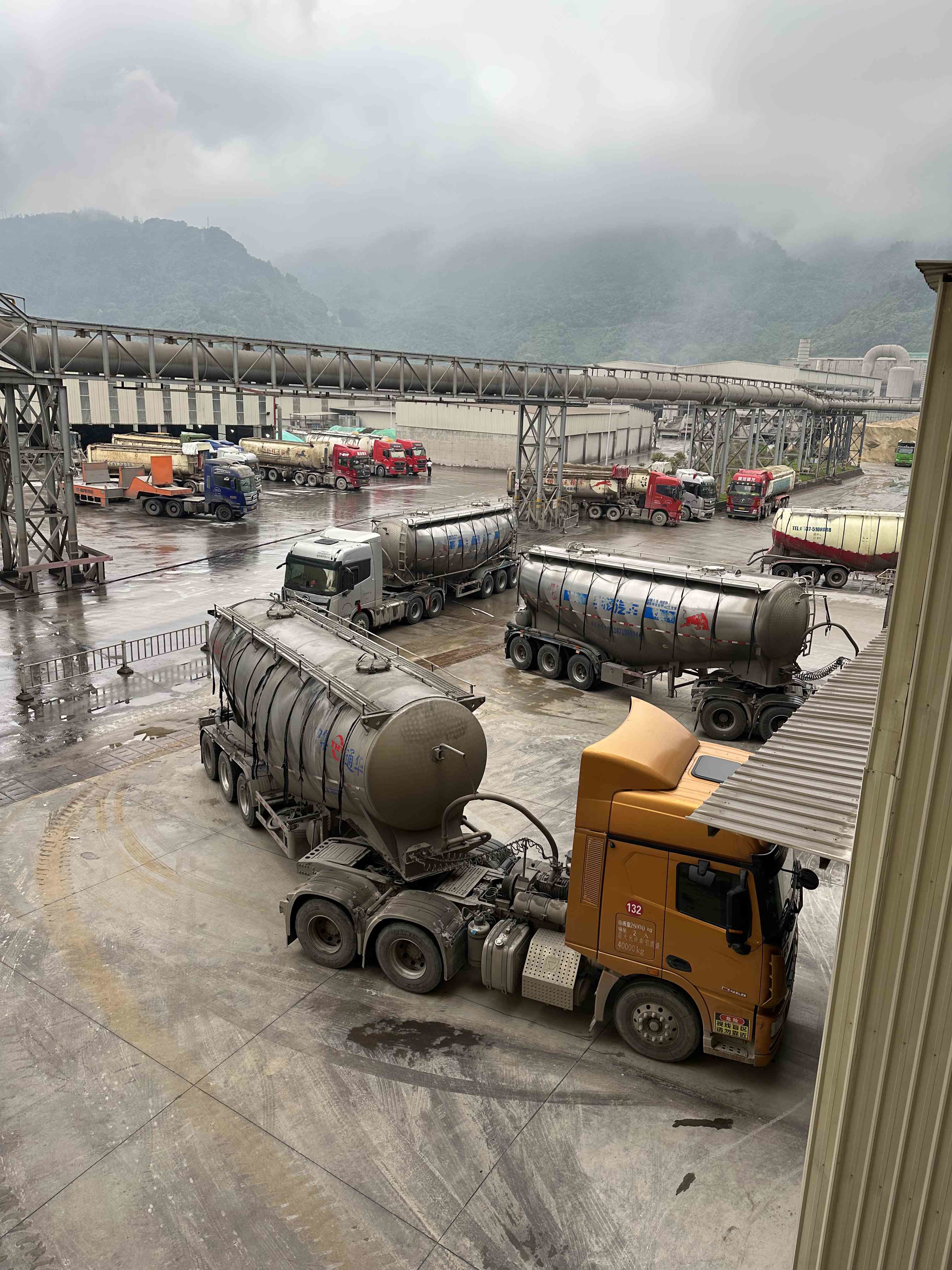
Concrete Durability and Slag Binder Performance Comparison
To demonstrate the performance variations, the following table compares typical concrete mixtures containing standard Portland cement against those blended with GGBFS.
| Performance Property | 100% Portland Cement Concrete | 50% GGBS Blended Concrete |
|---|---|---|
| Hydration Heat Release | High (rapid temperature rise) | Low to Moderate (gradual heat release) |
| Long-Term Strength (90 Days) | Baseline | Higher than baseline due to continuous hydration |
| Chloride Ion Permeability | Moderate to High | Very Low (highly refined pore structure) |
| Sulfate Attack Resistance | Standard (vulnerable depending on cement type) | High (reduced C3A and dense matrix) |
| Workability Retention | Standard | Improved (smoother glass particle surface) |
Frequently Asked Questions
Q1: What is the recommended replacement level of GGBS for normal concrete structures?
A1: For general reinforced concrete, a replacement level of 30% to 50% GGBFS is common. In massive concrete or marine structures, replacement levels can range from 50% to 70% to maximize heat reduction and chemical resistance, depending on project specifications.
Q2: How does the fineness of slag affect its cement like reactivity during hydration?
A2: Higher fineness increases the specific surface area, allowing more contact with alkaline activators. This accelerates the latent hydraulic reaction, improving early strength development and pore refinement compared to coarser slag particles.
Q3: Can GGBS be used in combination with other supplementary cementitious materials?
A3: Yes, ternary blends combining Portland cement, GGBS, and silica fume or fly ash are highly effective. These combinations improve particle packing and leverage synergistic chemical hydration mechanisms to produce high-performance concrete.
Q4: How does slag impact the workability and setting time of concrete?
A4: Slag particles typically have a smoother surface texture and lower water demand than Portland cement, which improves concrete workability and placement. However, because of the slower initial reaction rate, setting times may be slightly extended, especially at lower ambient temperatures.
Q5: Does GGBS concrete require special curing practices?
A5: Proper wet curing is necessary for slag concrete, particularly in the early stages, to ensure adequate hydration of both the cement and the slag. Moist curing should be maintained for a sufficient duration to prevent premature drying and ensure the development of the dense matrix.
Project Inquiry and Material Selection
Selecting the appropriate mineral admixtures requires a thorough understanding of project specifications, environmental exposure, and structural requirements. Golden Fortune provides expert guidance and high-quality GGBFS products manufactured to meet the exacting standards of international infrastructure projects. Our expert support team works closely with concrete producers to adjust mix designs and achieve the desired durability targets.
Please contact our sales representatives today to submit your project requirements and request detailed product specifications or samples for laboratory testing. We are committed to delivering reliable mineral admixture solutions tailored to your operational needs.