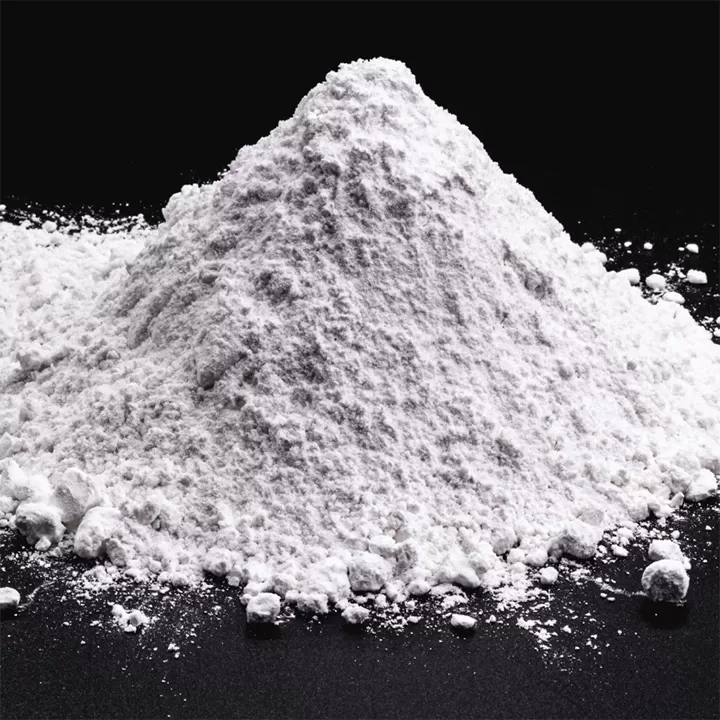
Ground granulated blast furnace slag (GGBS) has established itself as a supplementary cementitious material that behaves like cement across a broad spectrum of concrete applications. Engineers and concrete producers increasingly specify GGBS not merely as a partial replacement for Portland cement but as a functional component that delivers comparable—and in some respects superior—performance. This analysis examines the chemical, physical, and mechanical characteristics that enable GGBS to function like cement, the conditions under which it excels, and the quality parameters that determine its effectiveness in structural concrete.
The Chemical Foundation That Makes GGBS Like Cement
The resemblance between GGBS and Portland cement originates in their oxide compositions. Both materials contain significant proportions of calcium oxide (CaO), silicon dioxide (SiO₂), and aluminum oxide (Al₂O₃). Where GGBS diverges is in its higher silica content and lower free lime, yet the glassy structure formed during rapid quenching of molten slag creates a metastable state that readily reacts in alkaline environments.
Oxide Composition and Reactivity
Typical GGBS oxide ranges—CaO: 35–45%, SiO₂: 30–38%, Al₂O₃: 8–18%, MgO: 5–12%—place it within a compositional window that supports hydraulic reactivity. The glass content, which routinely exceeds 90% in properly quenched slag, determines the material's ability to participate in cementitious reactions. When activated by the alkalis and calcium hydroxide released during Portland cement hydration, GGBS undergoes a pozzolanic reaction that produces calcium silicate hydrates (C-S-H) and calcium aluminate hydrates. These hydration products are chemically indistinguishable from those formed by cement hydration, which explains why GGBS performs like cement in hardened concrete.
The fineness of GGBS, typically expressed as Blaine specific surface area between 400 and 500 m²/kg, directly influences reaction kinetics. Finer particles offer greater surface area for hydration, accelerating the early-age strength development. This particle size distribution, when optimized, enables GGBS to match the setting characteristics of ordinary Portland cement while contributing to denser pore structures.
Hydration Process Similarities
Portland cement hydrates through a series of exothermic reactions beginning with tricalcium silicate (C₃S) and dicalcium silicate (C₂S) dissolution. GGBS hydration proceeds through a parallel mechanism, requiring the presence of calcium hydroxide from cement hydration to initiate the breakdown of the glassy slag structure. The secondary hydrates formed from GGBS reaction fill capillary pores, reducing permeability and refining the pore structure. This hydration behavior mirrors that of cement in its fundamental aspects—both systems rely on silicate dissolution, calcium ion saturation, and precipitation of C-S-H phases.
Temperature sensitivity represents one area where GGBS differs from cement. The slag reaction exhibits greater temperature dependence, with slower reaction rates at low temperatures and accelerated rates at elevated temperatures. This characteristic affects early-age strength development in cold weather but becomes advantageous in mass concrete placements where internal temperatures remain elevated.
Mechanical Performance of GGBS Compared to Cement
The mechanical properties of concrete containing GGBS demonstrate that the material performs like cement across standard performance metrics, with some distinct advantages emerging at later ages.
Compressive Strength Development
Concrete mixtures with GGBS replacement levels of 30% to 50% typically achieve 28-day compressive strengths within 5–10% of plain cement concrete. The strength development curve exhibits a characteristic pattern: lower early-age strengths (3–7 days) followed by accelerated strength gain between 7 and 28 days, with continued strength development beyond 90 days. This strength trajectory results from the slower initial reaction rate of GGBS, which shifts the hydration peak to later ages.
At replacement levels up to 40%, the 28-day strength of GGBS concrete commonly equals or exceeds that of control mixtures. The calcium hydroxide consumption by the slag reaction generates additional C-S-H, contributing to the long-term strength enhancement. Many construction projects specify GGBS specifically for this sustained strength development, particularly in structural elements requiring high load-bearing capacity over extended service lives.
Long-Term Strength Gain
The continued hydration of GGBS beyond 28 days produces strength increases of 15–25% between 28 and 90 days, compared to 5–10% for plain cement concrete over the same period. This extended reactivity stems from the gradual breakdown of the glassy slag structure, which releases reactive silica and alumina over time. The additional hydration products fill available pore space, increasing the density and compressive strength of the hardened paste. This behavior makes GGBS particularly suitable for applications where early-age strength is not the primary constraint but long-term performance is paramount.
Durability Characteristics That Rival Cement
Durability represents one area where GGBS demonstrates performance that is not merely like cement but often superior to cement-only systems. The refined pore structure and reduced calcium hydroxide content confer significant advantages in aggressive environments.
Chloride Penetration Resistance
Concrete containing GGBS exhibits substantially lower chloride ion diffusion coefficients compared to Portland cement concrete. The denser pore structure resulting from the secondary hydration reactions reduces the interconnected porosity through which chloride ions migrate. At 40% replacement levels, GGBS concrete can achieve chloride diffusion coefficients 60–70% lower than plain cement concrete. This reduction directly translates to extended service life in marine environments, de-icing salt exposure, and other chloride-rich conditions. The mechanism involves both physical pore refinement and chemical binding of chlorides by the aluminate phases in the slag.
Sulfate Attack Resistance
GGBS concrete demonstrates enhanced resistance to sulfate attack, a durability concern in soils and groundwater containing sulfates. The reduced calcium hydroxide content in GGBS concrete limits the formation of expansive gypsum and ettringite, which cause cracking and deterioration in sulfate-exposed concrete. The slag's aluminum content, when combined with the reduced calcium hydroxide availability, produces a more stable hydrate assemblage that resists sulfate penetration. This resistance makes GGBS suitable for applications in sulfate-bearing soils, wastewater treatment facilities, and industrial environments where sulfate exposure is prevalent.
Alkali-silica reaction (ASR) mitigation represents another durability benefit. The alkalis in Portland cement become bound in the hydration products of GGBS, reducing the pore solution alkalinity and limiting the dissolution of reactive silica aggregates. This mechanism provides ASR protection comparable to that achieved with low-alkali cement, making GGBS a viable solution for aggregates with known reactivity.
Practical Applications Where GGBS Serves Like Cement
The performance characteristics of GGBS enable its use as a direct substitute for cement in numerous construction applications, with adjustments to mix design and curing practices ensuring optimal results.
Mass Concrete Construction
Mass concrete placements, such as dams, bridge piers, and thick foundations, benefit from the reduced heat generation of GGBS concrete. The slower hydration rate lowers the peak internal temperature and extends the time to reach maximum temperature, reducing the risk of thermal cracking. This application leverages the material's ability to function like cement in terms of final strength while offering distinct thermal advantages. Replacement levels of 50–70% are common in mass concrete, where early-age strength requirements are less stringent and long-term durability is paramount.
Marine and Coastal Structures
Seawater exposure presents one of the most aggressive environments for concrete. GGBS concrete's resistance to chloride penetration and sulfate attack makes it particularly suited for marine structures, including ports, harbors, seawalls, and offshore platforms. The reduced permeability and enhanced chemical resistance ensure that reinforcement remains protected from corrosion, extending the service life of these high-value assets.
Precast Concrete Production
Precast concrete manufacturers utilize GGBS to improve surface finish, reduce color variation, and enhance long-term durability of precast elements. The lighter color of GGBS concrete compared to Portland cement concrete provides aesthetic benefits for architectural precast applications. Steam curing accelerates the hydration of GGBS, achieving the early strengths required for rapid mold turnover while maintaining the durability benefits at later ages.
Environmental and Sustainability Considerations
GGBS production requires less energy and generates fewer carbon emissions compared to Portland cement manufacture. Each ton of GGBS used in concrete represents a reduction of approximately 0.8 to 1.0 tons of CO₂ emissions relative to the equivalent ton of Portland cement. This carbon reduction potential has driven increased adoption of GGBS in sustainability-focused construction projects and green building certification programs.
The use of GGBS also addresses industrial waste management by diverting blast furnace slag from landfills into productive use. This circular economy approach aligns with the construction industry's broader sustainability objectives while providing a performance material that functions effectively in concrete.
Quality Parameters for GGBS Used Like Cement
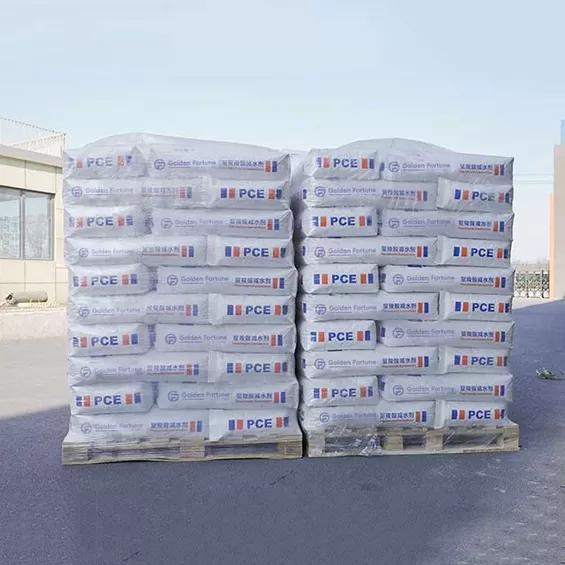
Achieving consistent performance from GGBS requires attention to several quality parameters that influence its behavior in concrete. Golden Fortune supplies GGBS products that meet international standards, ensuring reliable performance across diverse applications.
The glass content, measured by X-ray diffraction, should exceed 90% to ensure adequate reactivity. Lower glass contents indicate incomplete quenching, which reduces the material's hydraulic activity and compromises strength development. The fineness, expressed as Blaine specific surface area, must fall within specified ranges to achieve the desired reaction rate and water demand.
Chemical composition consistency matters for predictable performance. Variations in CaO, SiO₂, and Al₂O₃ content affect the hydration kinetics and the composition of hydration products. Regular testing of oxide composition, moisture content, and loss on ignition provides the quality assurance needed for reliable concrete production.
Sulfate content, expressed as SO₃, influences setting time and the potential for delayed ettringite formation. Standards such as EN 15167-1 and ASTM C989 specify limits for sulfate content, glass content, and fineness. The activity index, determined by testing mortar compressive strength at 7 and 28 days, provides a direct measure of the material's performance relative to cement and serves as the primary acceptance criterion.
Frequently Asked Questions
Q1: What makes GGBS perform like cement in concrete?
A1:
GGBS performs like cement because its chemical composition—rich in calcium,
silicon, and aluminum oxides—enables it to undergo hydration reactions similar
to those of Portland cement. When activated by the alkalinity from cement
hydration, GGBS produces calcium silicate hydrates (C-S-H) and other
cementitious compounds that contribute to strength and durability. The glassy
structure of properly quenched slag provides the reactivity necessary for these
hydration reactions to proceed.
Q2: Can GGBS completely replace cement in concrete
mixtures?
A2: Complete replacement of cement with GGBS is not
practical because the slag requires calcium hydroxide from cement hydration to
initiate its pozzolanic reaction. Typical replacement levels range from 20% to
70%, with 40–50% being common for structural applications. Higher replacement
levels are used in mass concrete and marine structures where early-age strength
is less critical. The optimal replacement level depends on the specific
application, curing conditions, and performance requirements.
Q3: How does the strength development of GGBS compare to
cement?
A3: GGBS concrete develops strength at a slower rate than
Portland cement concrete during the first 7 days, particularly at high
replacement levels. Strength gain accelerates between 7 and 28 days, with most
mixtures achieving 28-day strengths comparable to or exceeding cement-only
concrete. Beyond 28 days, GGBS concrete continues to gain strength at a higher
rate, often surpassing the long-term strength of cement concrete by 15–25% at 90
days and beyond.
Q4: Is GGBS suitable for all types of concrete
applications?
A4: GGBS performs well in most concrete applications,
including structural, precast, mass concrete, and marine environments.
Exceptions include applications requiring very high early-age strength, such as
rapid pavement repair or precast elements with extremely fast production cycles.
Cold weather concreting may require adjustments to mix design or curing
practices because the slag reaction is temperature-sensitive. The material's
performance in any application depends on proper mix design, adequate curing,
and the quality of the GGBS supplied.
Q5: What quality standards apply to GGBS used like
cement?
A5: International standards for GGBS include EN 15167-1
(European standard), ASTM C989 (US standard), and BS 6699 (British standard).
These standards specify requirements for chemical composition, glass content,
fineness, and activity index. The activity index, determined by comparing the
compressive strength of mortar containing GGBS to a reference mortar, serves as
the primary performance indicator. Grades are assigned based on the activity
index, with Grade 100 and Grade 120 being common specifications for
high-performance applications.
Q6: How does the durability of GGBS concrete compare to cement-only
concrete?
A6: GGBS concrete generally exhibits superior durability
compared to cement-only concrete in aggressive environments. The refined pore
structure reduces chloride penetration by 60–70%, extending the service life of
reinforced concrete in marine and de-icing salt environments. Sulfate resistance
is significantly improved due to the reduced calcium hydroxide content and the
formation of stable hydration products. Alkali-silica reaction is mitigated
through the binding of alkalis in the slag hydration products. These durability
benefits make GGBS a preferred material for infrastructure projects with long
design lives.
Q7: What factors influence the performance of GGBS in
concrete?
A7: Several factors affect GGBS performance, including
replacement level, fineness, glass content, chemical composition, and curing
conditions. Higher fineness increases early-age reactivity but may increase
water demand. The glass content directly correlates with hydraulic reactivity.
Chemical composition variations affect hydration kinetics and the composition of
hydration products. Adequate moisture and temperature during curing are
essential for achieving the full strength and durability potential of GGBS
concrete. The compatibility of GGBS with specific cement types and admixtures
should also be evaluated in mix design.
For detailed technical specifications, product data sheets, and application guidance on GGBS that performs like cement in your concrete systems, contact the technical team at Golden Fortune. The company provides comprehensive support for mix design optimization, quality assurance, and project-specific performance requirements. Inquiry submissions receive technical responses within 24 hours, with detailed recommendations tailored to your concrete production needs.
For inquiries regarding GGBS supply, technical specifications, or project support, please submit your requirements through the contact form on the Golden Fortune website. The technical team provides detailed responses to all inquiries, including material data sheets, mix design recommendations, and quality assurance documentation.