In modern residential construction, the quality of concrete foundations, structural columns, and slabs dictates the overall lifespan of the building. Standard Portland cement has long served as the baseline binder for these projects. However, modern engineering standards demand far greater durability, cracking resistance, and structural density than basic binders can provide alone. When procuring home cement for high-specification residential developments, the integration of supplementary cementitious materials (SCMs) is no longer optional; it is a fundamental requirement for securing structural longevity.
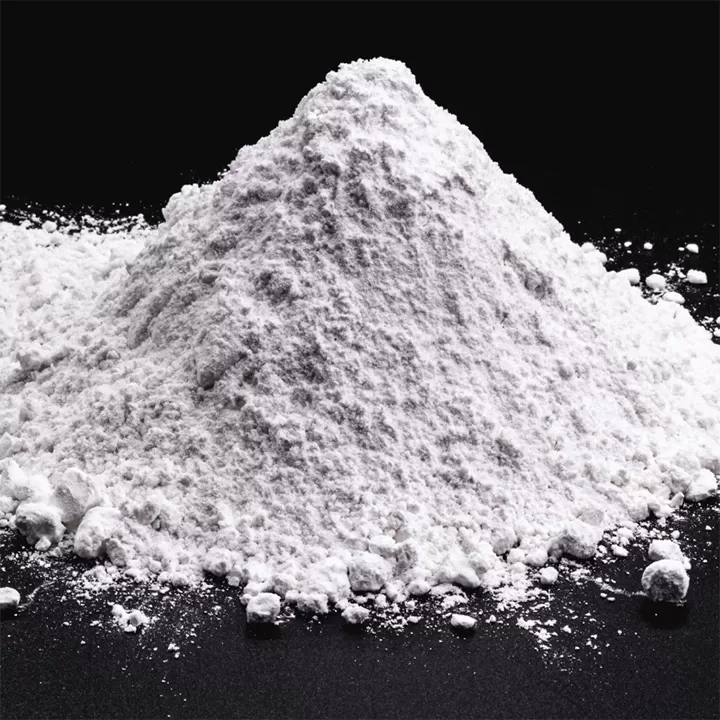
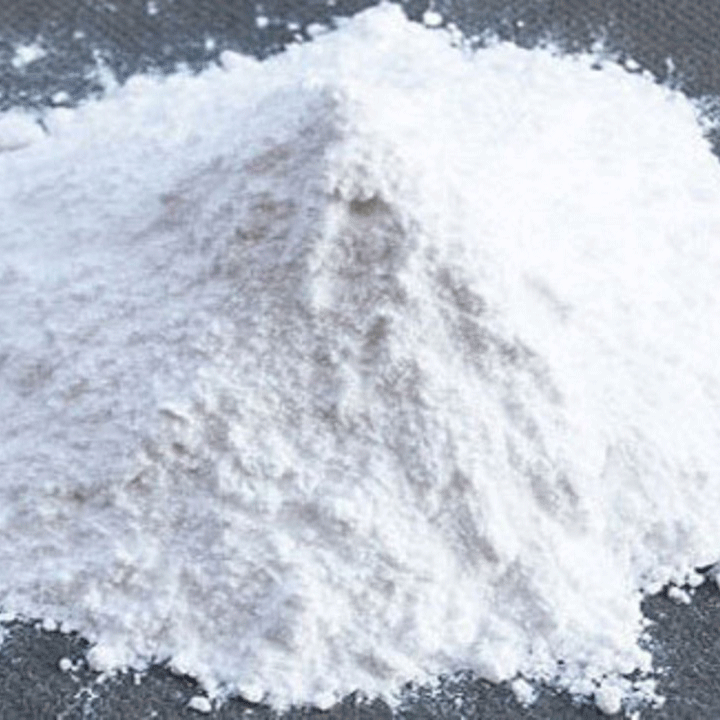
To achieve these performance goals, Golden Fortune provides premium supplementary cementitious materials, specifically Ground Granulated Blast Furnace Slag (GGBS), designed to chemically and physically modify basic binders. Understanding the underlying cement chemistry and mineralogical transformations that occur during hydration is key to choosing the right formulations for large-scale B2B supply chains.
Hydration Chemistry and Mineralogical Phases
To understand how mineral admixtures modify concrete, one must first examine the hydration phases of standard home cement mixes. Ordinary Portland cement (OPC) consists primarily of clinker phases: Alite (C3S), Belite (C2S), Aluminate (C3A), and Ferrite (C4AF). When mixed with water, these phases undergo complex exothermic reactions.
The primary strength-giving component, Alite, hydrates rapidly to form calcium silicate hydrate (C-S-H) gel and calcium hydroxide (CH). The C-S-H gel represents the cohesive matrix that binds aggregates together. Conversely, calcium hydroxide is a crystalline byproduct that does not contribute to mechanical strength. Instead, CH is highly soluble, easily leached by groundwater, and creates path channels that increase the vulnerability of the concrete to chemical ingress.
Integrating GGBS into the binder matrix introduces reactive silica (SiO2) and alumina (Al2O3). These oxides react with the byproduct calcium hydroxide in a secondary pozzolanic reaction. This chemical pathway consumes the weak CH crystals and converts them into supplementary, dense C-S-H gel. By converting a structurally weak byproduct into a strength-contributing mineral phase, the internal matrix of the cured concrete becomes significantly more homogeneous and dense.
Mitigating Thermal Cracking and Pore Structure Transport
Thermal stress represents a significant challenge during the curing of thick foundation rafts and retaining walls in residential builds. The hydration of standard home cement is exothermic, releasing substantial heat within the first 72 hours. In large concrete volumes, this heat cannot dissipate rapidly, leading to a thermal gradient between the hot core and the cooler exterior. This differential expansion generates tensile stresses that exceed the early-stage tensile strength of the concrete, resulting in thermal cracking.
Partial substitution of Portland cement with GGBS alters the hydration kinetics. Slag hydrates at a slower rate than OPC clinker, which spreads the heat liberation over a longer period. This slower rate of heat evolution lowers the peak temperature of the concrete mixture, reducing the likelihood of thermal cracking.
Beyond thermal control, the physical structure of the cured paste undergoes a transformation. During hydration, water-filled spaces between cement particles are gradually filled with hydration products. In standard mixes, some of these spaces remain as interconnected capillary pores. Incorporating fine slag particles creates a micro-filler effect:
The fine particles fill the physical interstitial spaces between larger cement grains.
The secondary pozzolanic reaction refines the pore size distribution, shifting the pore structure from continuous capillary pores (greater than 50 nanometers) to discontinuous mesopores and micropores (less than 10 nanometers).
This shift reduces the permeability of the concrete, limiting the transport of water, oxygen, and dissolved salts through the concrete matrix.
Interfacial Transition Zone (ITZ) and Mechanical Integrity
The mechanical performance of concrete is not determined solely by the strength of the cement paste, but also by the quality of the bond between the paste and the aggregate. This boundary region is known as the Interfacial Transition Zone (ITZ). In conventional concrete formulated with basic home cement, water tends to film around aggregate particles during mixing, creating a localized zone with a higher water-to-binder ratio. Consequently, the ITZ is typically characterized by high porosity and large, oriented calcium hydroxide crystals, making it the weakest link in the structural system.
Incorporating mineral additives from Golden Fortune modifies the physical and chemical characteristics of this boundary zone. The extremely fine particle size distribution of the slag particles improves the physical packing at the aggregate interface. This physical modification, combined with the chemical consumption of local calcium hydroxide, alters the ITZ in several ways:
The overall thickness of the highly porous transition zone is reduced.
The orientation of calcium hydroxide crystals is disrupted, replacing them with a dense, random network of calcium silicate hydrate gel.
The mechanical bond strength between the aggregate and the surrounding matrix is increased, resulting in higher compressive and flexural strength over time.
While early-age compressive strength (at 3 to 7 days) may be slightly lower in slag-modified mixes, the long-term strength (at 28, 56, and 90 days) often exceeds that of pure Portland cement formulations. This continuous strength gain is highly beneficial for load-bearing structures that experience gradual loading schedules during multi-phase residential construction.
Resistance to Chemical Attack and Environmental Durability
Residential structures are frequently exposed to aggressive environmental factors. Soil chemistry, particularly in coastal or industrial zones, can contain high concentrations of sulfates and chlorides. When standard home cement is exposed to soil sulfates, the sulfate ions react with hydrated tricalcium aluminate (C3A) and calcium hydroxide to form ettringite and gypsum. This reaction is highly expansive, causing internal tensile stresses that lead to spalling, cracking, and ultimate structural degradation.
To mitigate this risk, specifying slag-blended binders is a recognized solution. GGBS contains lower levels of reactive alumina compared to Portland cement clinker, reducing the overall concentration of reactants available for ettringite formation. The reduction in free calcium hydroxide further limits gypsum formation.
Chloride-induced corrosion of embedded reinforcing steel is another primary cause of concrete deterioration. Chlorides penetrate the concrete cover via diffusion through the pore solution. Once they reach the steel interface and exceed a threshold concentration, they break down the passive oxide film on the steel, initiating active corrosion. Slag-modified binders significantly increase the chloride binding capacity of the concrete. The alumina phases in GGBS react with diffusing chlorides to form Friedel’s salt, chemically trapping the chloride ions and preventing them from reaching the reinforcing steel. Combined with the refined pore structure that physically slows down ion diffusion, this chemical binding provides dual-layer protection for residential concrete infrastructure.
Sourcing Parameters and Industrial Standards
Procuring mineral components for concrete production requires strict adherence to international quality standards. Structural engineers and concrete producers must evaluate several physical and chemical indicators to ensure batch-to-batch consistency.
Fineness (Blaine Value): Measured in square meters per kilogram, the fineness of the slag determines its early reactivity and water demand. Higher fineness accelerates the pozzolanic reaction but requires careful adjustment of water-reducing admixtures.
Activity Index: This index measures the strength development of a mortar containing a blend of cement and slag compared to a pure cement control. Standards such as ASTM C989 categorize slag into Grades 80, 100, and 120, based on their performance at 7 and 28 days.
Chemical Composition: The ratio of basic oxides (CaO, SiO2, Al2O3, MgO) must be carefully monitored. A basicity ratio, typically calculated as (CaO + MgO) / (SiO2 + Al2O3), should generally be greater than 1.0 to ensure adequate hydraulic activity.
Partnering with established suppliers like Golden Fortune allows manufacturers to secure materials that consistently meet these stringent testing parameters, ensuring that the resulting concrete products comply with regional building codes and structural requirements.
Frequently Asked Questions
Q1: How does replacing Portland cement with slag affect the setting time of home cement concrete?
A1: Slag-modified concrete typically exhibits a longer initial and final setting time compared to pure Portland cement mixes, particularly at lower ambient temperatures. This extended workability is beneficial for transporting concrete over longer distances and preventing cold joints during placement.
Q2: What is the optimal replacement level of GGBS in residential concrete formulations?
A2: The optimal replacement level generally ranges between 30% and 50% by weight of the total cementitious material, depending on the specific performance requirements. For high-sulfate environments or thermal cracking prevention, replacement levels up to 70% may be specified, while standard residential slabs typically utilize a 30% to 40% blend.
Q3: Does slag-modified home cement require special curing practices?
A3: Yes, because the pozzolanic reaction of slag is slower than the primary hydration of Portland cement, maintaining proper moisture and temperature during the early curing period is highly important. Wet curing should be extended for at least 7 days to ensure the secondary hydration products develop fully and achieve the desired microstructural density.
Q4: How does GGBS assist in mitigating the Alkali-Silica Reaction (ASR)?
A4: Alkali-Silica Reaction occurs when active alkalis in the cement pore solution react with reactive silica in certain aggregates, forming an expansive gel. GGBS reduces the alkali concentration in the pore solution by chemically binding alkalis within the C-S-H gel and reducing overall concrete permeability, preventing the moisture ingress necessary for ASR gel expansion.
Q5: What is the impact of slag fineness on the water demand of concrete mixes?
A5: Moderately fine slag has a physical smooth surface texture and low water absorption, which can improve the workability of concrete at a constant water-to-binder ratio. However, if the slag is ground to an ultrafine state, the increased specific surface area will raise the water demand slightly, which can be managed by using appropriate water-reducing admixtures.
Inquiry and Consultation
For concrete producers, real estate developers, and structural engineers seeking to improve the durability of their concrete formulations, detailed material specifications and compatibility testing are necessary steps. Golden Fortune offers comprehensive mineralogical analysis and tailored GGBS supply options to suit specific project requirements. Contact our engineering support team to request product data sheets, chemical analysis reports, and customized formulation advice for your next project.