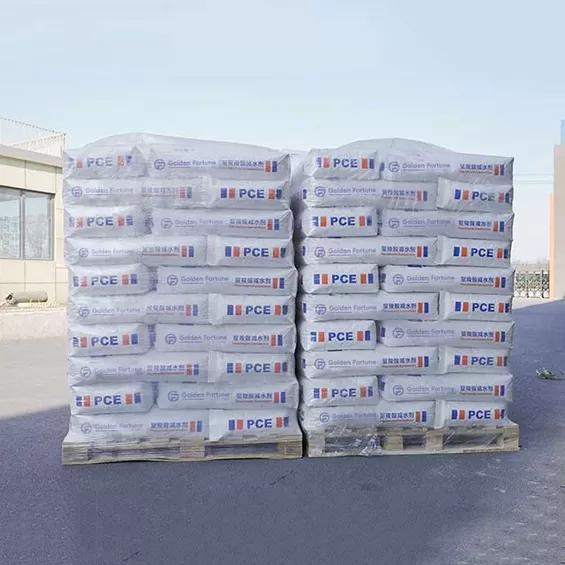
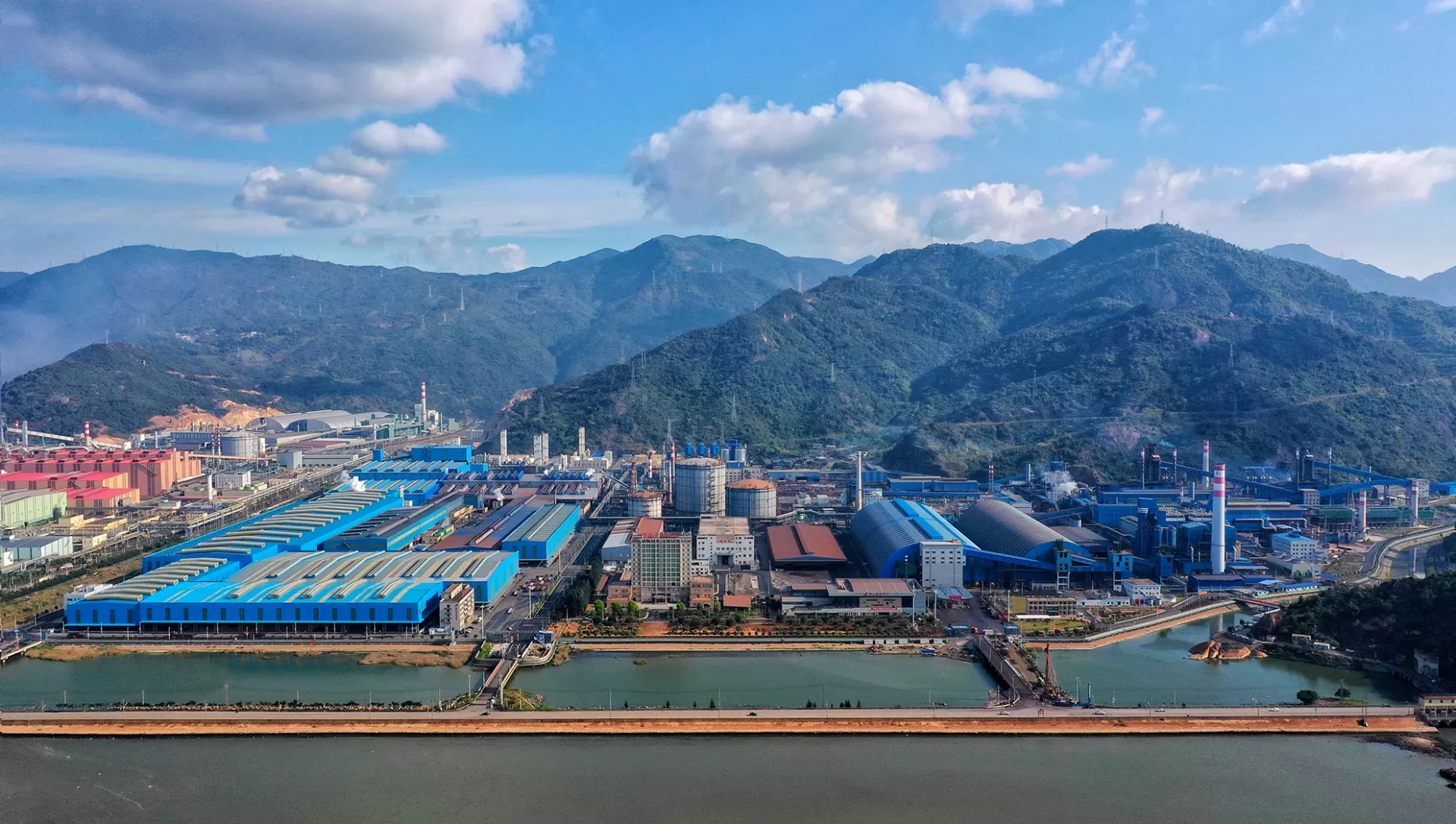
In the field of civil engineering and industrial construction, selecting the appropriate binder is a primary factor determining the service life, structural capacity, and chemical resilience of concrete elements. Standard hydraulic cements form the foundation of most modern structural designs, serving as the primary gluing matrix that binds fine and coarse aggregates into a solid structural mass.
For projects requiring rapid strength development without specific environmental exposure concerns, ordinary portland cement type 1 serves as the primary hydraulic binder. This material is designed to provide general-use properties across a wide range of concrete applications, including pavements, reinforced concrete frames, precast panels, and structural foundations. Understanding its hydration kinetics, mineralogical composition, and interactions with mineral admixtures is vital for civil engineers, batch plant operators, and procurement managers seeking to maximize performance while ensuring chemical durability.
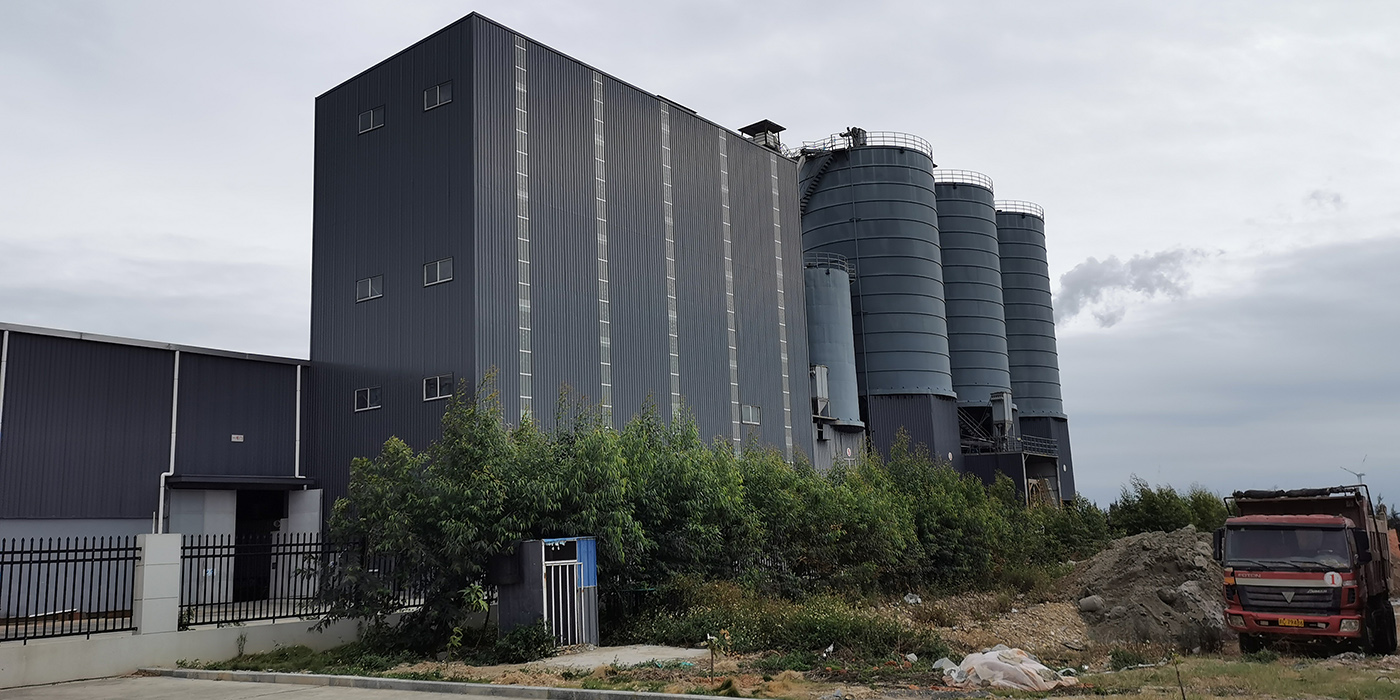
Chemical Phase Composition and Hydration Kinetics
The performance of standard cement binders is fundamentally governed by their mineralogical phases, which are synthesized during the high-temperature sintering of limestone, clay, and other raw materials in a rotary kiln. The resulting clinker is finely ground with a small portion of calcium sulfate to regulate the chemical reactions upon contact with water.
The four primary mineral phases that control the behavior of the binder include:
Tricalcium Silicate (C3S / Alite): Typically comprising 50% to 70% of the mineral composition, alite hydrates rapidly to provide the majority of the early-stage strength, particularly within the first seven days of curing.
Dicalcium Silicate (C2S / Belite): Making up 15% to 30% of the clinker, belite hydrates much more slowly, contributing to the steady development of mechanical strength over 28 days and extending into months of curing.
Tricalcium Aluminate (C3A): Representing 5% to 12% of the chemical matrix, this phase reacts almost immediately with water, generating high early hydration heat. It is also the phase most susceptible to sulfate attack when exposed to aggressive soils or marine waters.
Tetracalcium Aluminoferrite (C4AF): Comprising 5% to 15% of the composition, this phase acts as a flux during kiln sintering and contributes to the characteristic grey coloration of the binder, while having a minor influence on final structural strength.
During the hydration process, these mineral phases react with water to produce calcium silicate hydrate (C-S-H) gel, which is the primary contributor to structural strength, and calcium hydroxide ( portlandite). Portlandite does not contribute significantly to strength and is highly soluble, which can create pathways for moisture ingress if left unmanaged.
Standards, Classifications, and Material Variations
Global standardization ensures that concrete producers receive materials of predictable behavior. The ASTM C150 standard governs cement classifications in North American and many international markets, while the European standard EN 197-1 provides equivalent benchmarks under the CEM I classification.
Engineers specifying ordinary portland cement type 1 must monitor the alkali equivalent (expressed as Na2O + 0.658K2O) to minimize the risk of alkali-silica reactions in concrete structures containing reactive siliceous aggregates. Physical properties such as Blaine fineness, initial and final setting times (measured via the Vicat needle apparatus), and soundness (evaluated by autoclave expansion) must conform to strict limits to prevent structural failures or premature degradation.
Maintaining mineral consistency across large production runs is a key focus for industrial suppliers like Golden Fortune, who specialize in matching binder properties to rigorous structural specifications. Consistently managed particle size distribution ensures uniform water demand and predictable workability at the concrete batching plant.
Durability Challenges in Pure Cement Formulations
While standard cement formulations offer high early strength and reliable setting times, using them as the sole binder in harsh structural environments presents several durability challenges:
Thermal Stress in Mass Concrete: Due to the high alite and tricalcium aluminate content, the hydration process is highly exothermic. In massive concrete placements—such as raft foundations, bridge piers, and dams—the internal heat generation creates a sharp thermal gradient between the core and the exterior surface, resulting in thermal cracking.
Chemical Vulnerability: Standard cement contains significant amounts of portlandite and tricalcium aluminate. When exposed to external sulfate ions from soils or groundwater, these minerals react to form expansive ettringite and thaumasite, leading to internal pressure, cracking, and spalling of the concrete.
Chloride Ingress and Corrosion: In marine zones or environments where de-icing salts are applied, chloride ions diffuse through the capillary pores of pure cement concrete. Once they reach the embedded steel reinforcement, they destroy the passive oxide layer, triggering rapid corrosion and structural degradation.
Synergy with Supplementary Cementitious Materials (SCMs)
To overcome the durability limitations of pure cement systems, modern concrete mix designs frequently incorporate Ground Granulated Blast Furnace Slag (GGBS or GGBFS) as a partial cement replacement. GGBS is a glassy, hydraulic byproduct of iron manufacture that possesses excellent latent hydraulic properties.
The combination of ordinary portland cement type 1 with fine GGBS lowers the cumulative hydration heat, making mass concrete placement far safer from thermal cracking. This synergy is driven by a secondary chemical reaction. The calcium hydroxide produced during primary cement hydration reacts with the active silica and alumina in the GGBS particles. This reaction produces additional calcium silicate hydrate (C-S-H) gel, which fills the capillary voids within the concrete matrix.
By partnering with reliable exporters like Golden Fortune, concrete producers can procure premium mineral admixtures that blend seamlessly with standard binders. This blending transforms the pore structure from a network of continuous capillary pores into highly disconnected gel pores, drastically lowering water permeability, preventing chloride penetration, and improving resistance to sulfate attack.
Industrial Application Environments
The physical and chemical performance of standard cement binders makes them highly adaptable across various industrial sectors:
Precast Concrete Elements
In precast manufacturing, rapid formwork turnaround is highly valuable. Standard cement, often blended with moderate percentages of fine mineral additions, provides the necessary early-age compressive strength to allow demolding and structural handling of concrete pipes, prestressed beams, and architectural panels within short production cycles.
Ready-Mix Concrete (RMC) Operations
For standard commercial and residential construction, RMC batch plants require reliable setting times and compatible interaction with chemical admixtures, such as water-reducers and plasticizers. Standard binders offer predictable workability retention, ensuring that the fresh concrete can be transported, pumped, and finished without premature stiffening.
Infrastructure and Highway Pavements
Roadways, runways, and bridge decks are subjected to heavy wheel loads and environmental weathering. Standard binders, when properly air-entrained and optimized with supplementary mineral materials, provide high flexural strength and surface abrasion resistance, maintaining structural integrity over decades of continuous use.
Strategic Sourcing and Supply Chain Management
For large-scale infrastructure developments, procuring uniform cementitious materials is key to avoiding site delays and material failures. Bulk storage of standard cement must be strictly monitored to prevent pre-hydration caused by moisture ingress, which reduces the active binder content and impairs setting characteristics.
For major infrastructure operations, securing stable mineral supply from trusted partners such as Golden Fortune ensures that construction schedules remain uninterrupted. Continuous quality testing, supported by Mill Test Reports (MTRs), verifies that physical properties like fineness and chemical boundaries remain within specified tolerances.
Ultimately, verifying the physical and chemical compliance of ordinary portland cement type 1 shipments through regular lab verification protects the asset owner from premature degradation, securing the long-term viability of the physical asset.
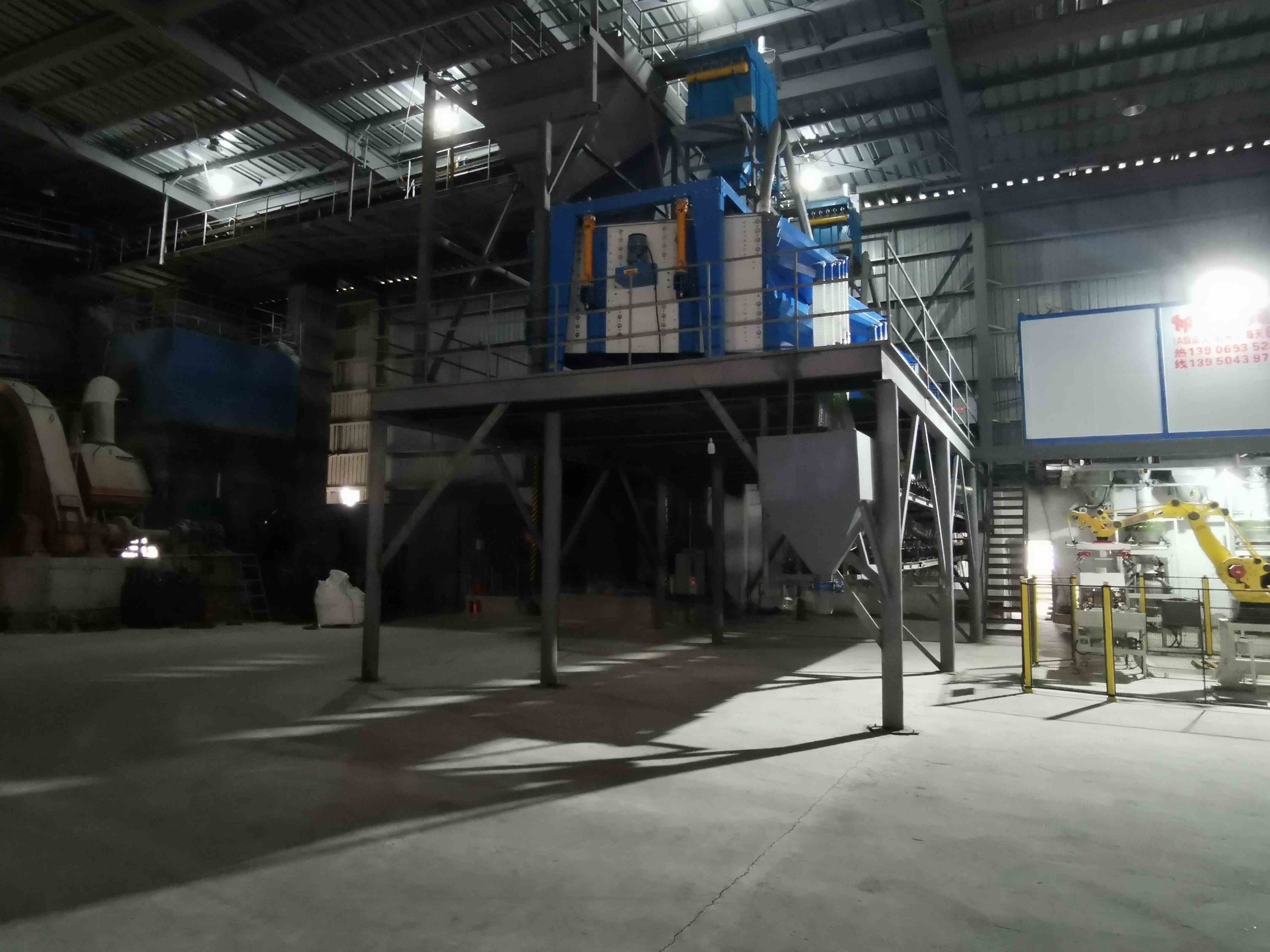
Professional Inquiries and Custom Blends
Our engineering and logistics teams assist procurement professionals and concrete batch plant operators in optimizing their material supply. If your project requires high-performance mineral blends, specialized packaging, or bulk transport arrangements, we invite you to consult with us. We provide comprehensive chemical data sheets, physical test results, and material matching services to align your concrete mix design with international structural standards. Contact us to coordinate your procurement requirements and secure custom quotes tailored to your logistical timelines.
Frequently Asked Questions
Q1: What is the primary difference between ASTM C150 Type I and Type II cement?
A1: ASTM C150 Type I is a general-purpose cement suitable for use when the special properties specified for any other type are not required. Type II cement is formulated for moderate sulfate resistance and generates less hydration heat, making it suitable for structures exposed to soil or water with moderate sulfate concentrations.
Q2: Can ordinary portland cement type 1 be used in marine construction without additives?
A2: Using standard Type 1 cement alone in marine environments is generally not recommended due to its high tricalcium aluminate content, which makes it vulnerable to chemical attacks by marine sulfates. It is highly advisable to blend it with ground granulated blast furnace slag (GGBS) or other pozzolanic materials to improve chloride resistance and block ionic penetration.
Q3: How does the Blaine fineness of standard cement affect concrete performance?
A3: Blaine fineness refers to the total surface area per unit mass of the cement particles. Higher fineness increases the surface area available to react with water, speeding up hydration, accelerating early strength development, and reducing bleeding. However, extremely fine particles can increase water demand and potential drying shrinkage if the mix design is not properly balanced.
Q4: Why is gypsum added during the grinding phase of cement manufacturing?
A4: Gypsum (calcium sulfate dihydrate) is added to clinker in the finishing mill to regulate the hydration of the tricalcium aluminate phase. Without gypsum, the addition of water would lead to an instantaneous reaction called "flash set," hardening the cement paste before it can be mixed, transported, or placed.
Q5: What is the typical replacement ratio of GGBS when used alongside standard Type I cement?
A5: The replacement ratio of GGBS typically ranges from 30% to 70% of the total cementitious weight, depending on structural requirements. For general reinforced concrete, a 30% to 50% replacement is common, whereas mass concrete or marine applications often employ 50% to 70% replacement to manage hydration heat and provide superior chemical protection.