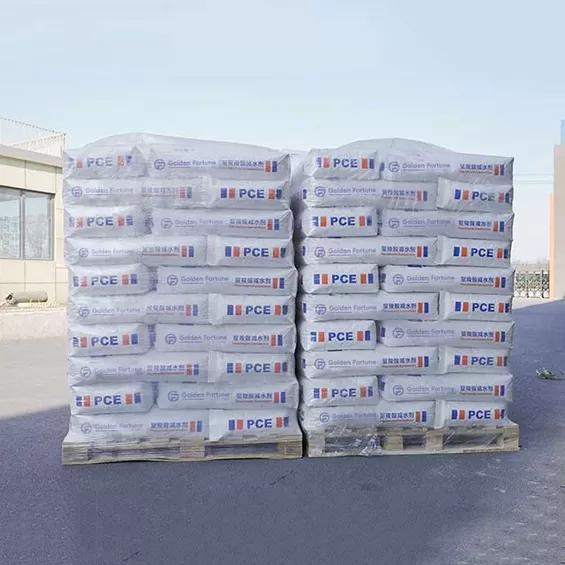
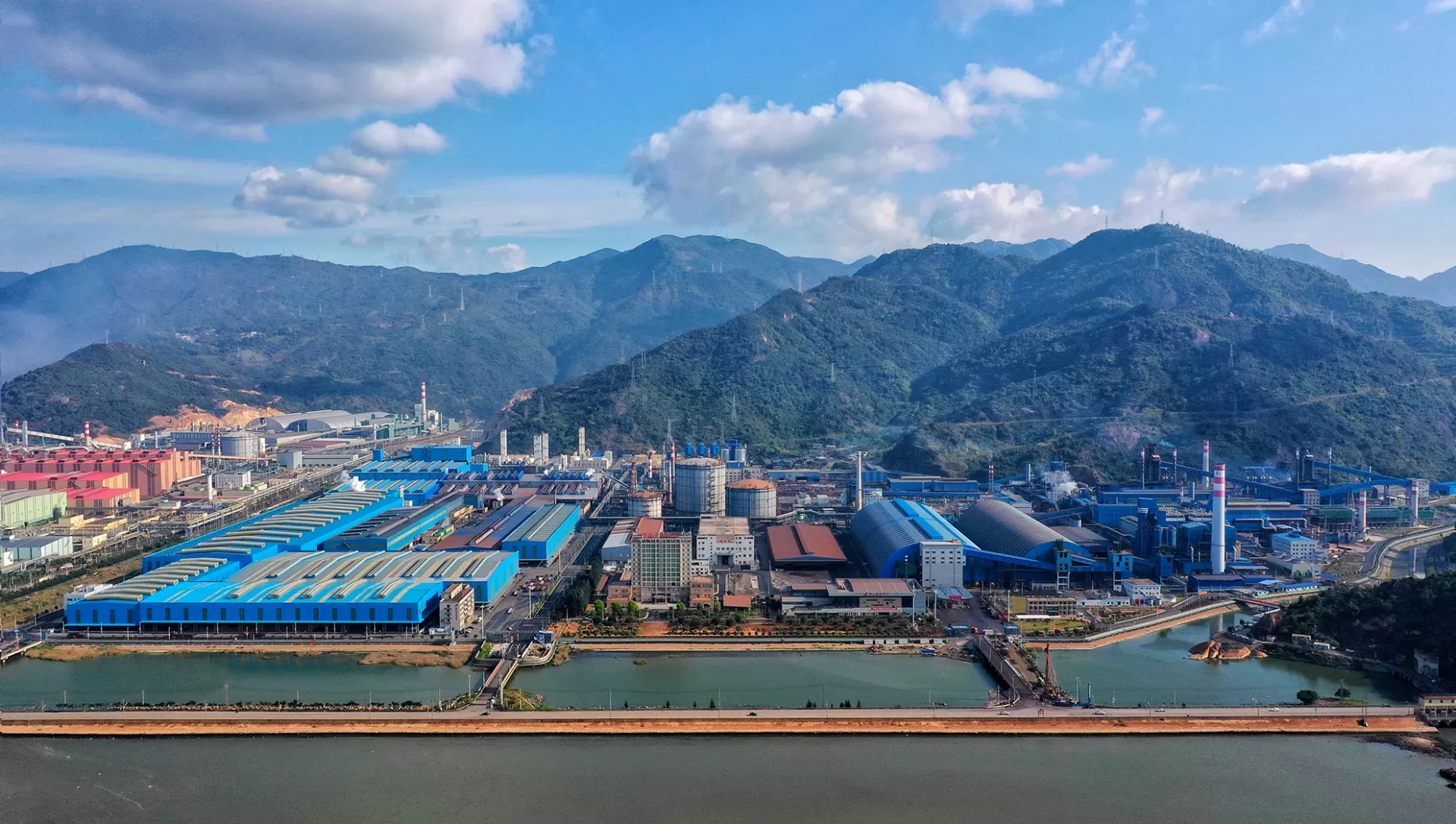
The stability of modern civil engineering projects relies on the quality of basic binding agents. Among these materials, portland cement powder represents the foundational component of hydraulic concrete. When combined with water, this mineral powder initiates hydration, a complex chemical process that transforms loose aggregate into a durable matrix. Achieving consistency in large-scale pours demands close attention to chemical uniformity, mineralogical balance, and compatibility with supplementary binders. Golden Fortune offers high-grade industrial cements and cementitious additions designed to meet rigorous standards for durability and strength development. Understanding the underlying chemistry and field performance of these binders is necessary for procurement managers and concrete engineers who oversee major infrastructure work.

Mineralogical Phases and Hydration Dynamics of Portland Cement Powder
To predict how concrete will perform under mechanical load and environmental exposure, one must evaluate the clinker chemistry of the portland cement powder. Clinker is produced by sintering limestone and clay at high temperatures in a rotary kiln, yielding four primary mineral phases that dictate the hydration profile.
Tricalcium Silicate (Alite - C3S): Typically comprising 50% to 70% of the clinker, alite hydrates rapidly. It is responsible for the early strength development of the concrete, usually within the first seven days of curing. Managing the alite content is vital when rapid formwork stripping is required.
Dicalcium Silicate (Belite - C2S): Making up 15% to 30% of the composition, belite hydrates much more slowly. Its primary role is to contribute to the long-term compressive strength of the structure, continuing to react weeks and months after the initial pour.
Tricalcium Aluminate (C3A): This phase reacts almost instantaneously upon contact with water, releasing significant heat. Left uncontrolled, it causes flash setting. Manufacturers grind calcium sulfate (gypsum) with the clinker to slow this reaction, allowing sufficient workability time.
Tetracalcium Aluminoferrite (C4AF): Serving primarily as a flux during clinker production, this phase contributes to the grey color of standard concrete and has a minor impact on structural strength.
The physical fineness of the powder also dictates hydration kinetics. Measured using the Blaine air-permeability method, fineness typically ranges from 300 m²/kg to over 500 m²/kg. Finer particles expose a greater surface area to water, accelerating strength development. Finer grinding increases water demand and causes rapid thermal heat liberation, which can cause cracking in thick structural elements. Balancing the particle size distribution represents a key manufacturing parameter for producing stable binders.
The Role of Pyroprocessing and Gypsum Balance
The manufacturing process of clinker involves heating the raw materials to approximately 1450 degrees Celsius. This high-temperature environment causes partial fusion, transforming the raw meal into silicate-rich nodules. Rapid cooling of these nodules is mandatory to preserve the reactive alite and belite phases, preventing them from reverting to less reactive crystalline forms. Once cooled, the clinker is co-ground with calcium sulfate. The choice of sulfate source—whether dihydrate gypsum, hemihydrate, or anhydrite—directly influences the dissolution rate of the sulfate ions in the fresh paste.
If the temperature inside the finish grinding mill is not carefully regulated, gypsum can dehydrate into hemihydrate, commonly known as plaster of Paris. When this occurs, mixing the cement with water can lead to a phenomenon known as false set. This is characterized by a rapid loss of workability shortly after mixing, without the release of significant heat. While a false set can often be broken up by continued mixing without adding extra water, it presents major handling difficulties at batching plants and on construction sites.
Enhancing Portland Cement Powder with Supplementary Cementitious Materials
A highly effective method for adjusting concrete properties is the integration of supplementary cementitious materials (SCMs). As a specialist in Ground Granulated Blast-Furnace Slag (GGBS) and GGBFS, Golden Fortune works with concrete producers to blend these industrial by-products with portland cement powder.
When Portland cement hydrates, it generates calcium silicate hydrate (C-S-H) gel—the primary strength-providing phase—and calcium hydroxide. Calcium hydroxide is a structural byproduct that does not contribute to strength and can dissolve over time, leaving microscopic voids within the concrete matrix.
Introducing GGBS or GGBFS into the mix initiates a secondary reaction. The active silica and alumina within the slag react with the calcium hydroxide, converting it into additional C-S-H gel. This conversion provides several advantages:
It refines the capillary pore network, reducing permeability.
It lowers the total hydration heat, reducing the likelihood of thermal cracking in mass concrete pours.
It improves resistance to aggressive chemical environments, such as marine structures exposed to high salt concentrations.
By substituting a portion of the cement powder with slag, engineers can modify setting times and long-term strength development to fit specific site conditions. This synergistic approach allows for the creation of high-durability concrete mixes that withstand aggressive soil conditions and environmental exposure.
Overcoming Common Field Challenges in Concrete Production
Concrete batching and placement are subject to environmental and logistical variables that can affect final structural quality. Ready-mix producers frequently encounter difficulties that must be addressed through chemical and proportioning adjustments.
Workability retention during long-haul transport is a frequent issue, particularly in warm climates. High ambient temperatures accelerate hydration, leading to rapid slump loss before the concrete is discharged. While adding water on-site might temporarily restore fluid consistency, it increases the water-to-cement ratio, which reduces compressive strength and increases porosity. The preferred solution is to use water-reducing admixtures or retarders that are chemically compatible with the specific batch of portland cement powder.
Compatibility between chemical admixtures and cement chemistry is a primary concern for concrete quality. Variations in soluble sulfate content or C3A levels can cause unexpected interactions with polycarboxylate ether (PCE) superplasticizers. This can result in either rapid slump loss or severe retardation of setting. Regular testing of cement-admixture compatibility is required to prevent placement delays on the job site.
Alkali-silica reaction (ASR) poses a threat to long-term concrete integrity. When high-alkali cement is mixed with aggregates containing reactive silica, an expansive gel forms that absorbs water and cracks the concrete from within. Using low-alkali portland cement powder or incorporating high-quality SCMs like GGBS from Golden Fortune suppresses this expansion by consuming the alkalis and refining the concrete matrix, preventing the ingress of moisture necessary for gel expansion.
Standards and Quality Control Benchmarks
Procuring binder materials for international civil works requires compliance with standardized global specifications. The two most widely recognized regulatory frameworks are the American Society for Testing and Materials (ASTM) and the European Standards (EN).
ASTM C150 classifies Portland cement into five distinct types:
Type I: General-purpose cement suitable when special properties are not required.
Type II: Moderate sulfate resistance, useful for structures in contact with soil or drainage systems.
Type III: High early strength, ideal for rapid precast production or cold-weather operations.
Type IV: Low heat of hydration, formulated specifically for massive structural elements like gravity dams.
Type V: High sulfate resistance, required for severe sulfate-bearing soils and marine environments.
In Europe, EN 197-1 outlines different designations, such as CEM I for pure Portland cement, and CEM II through CEM V for blended formulations containing limestone, fly ash, or blast-furnace slag.
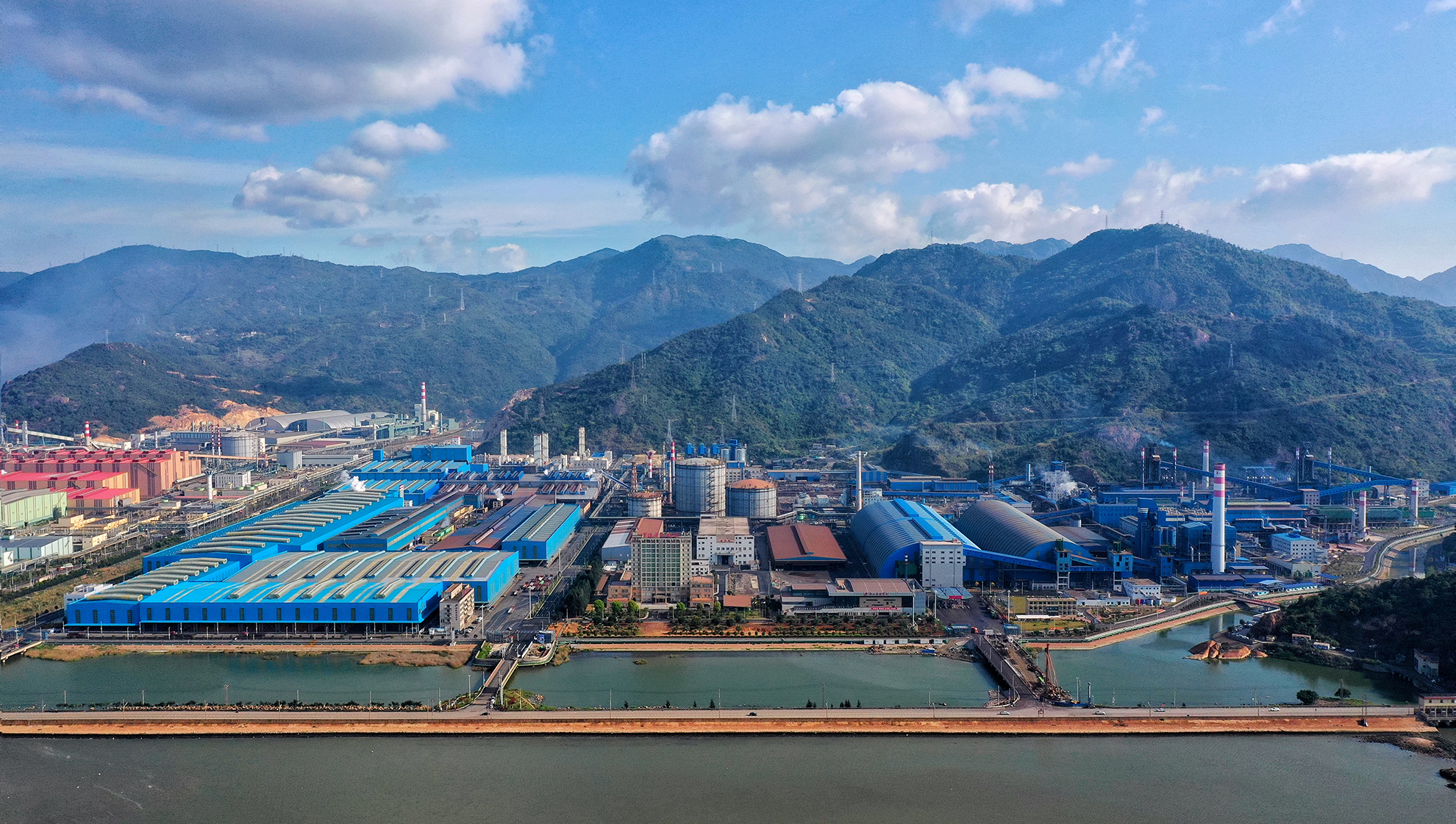
Golden Fortune maintains comprehensive quality control protocols to ensure our portland cement powder meets these international requirements. Our manufacturing and testing procedures verify chemical composition via X-ray fluorescence (XRF), assess physical soundness through autoclave expansion tests, and verify compressive strength at standard intervals (3, 7, and 28 days) to ensure predictable performance in the field.
Logistics, Storage, and Bulk Sourcing
The logistical path of bulk powder materials involves potential environmental exposure that can degrade quality. Moisture ingress during shipping, port handling, or silo storage can cause pre-hydration, resulting in clump formation and a reduction in active binding capability.
To protect the material, Golden Fortune utilizes specialized bulk carrier vessels and weather-sealed bulk bags designed for global transit. Silo systems at batching plants must be equipped with aeration pads and dust collection units to maintain fluid movement and prevent consolidation. Consistent monitoring of storage temperatures and humidity levels is highly recommended to protect the binder from premature setting.
Frequently Asked Questions
Q1: What is the recommended shelf life of bulk portland cement powder under optimal storage conditions?
A1: When stored in completely dry, sealed, and weatherproof silos, bulk cement can maintain its quality for up to three months. If stored in sealed multi-ply paper or moisture-barrier bulk bags on raised pallets, a shelf life of up to six months can be expected, provided the storage area is protected from ambient humidity.
Q2: How does the particle size distribution of the powder affect the water demand of a concrete mix?
A2: Finer powder particles possess a larger surface area, which requires more water to coat the particles and initiate hydration. While higher fineness accelerates early strength gain, it also increases water demand, which must be managed with water-reducing admixtures to avoid compromising the water-to-cement ratio.
Q3: Why is gypsum added during the grinding of portland cement clinker?
A3: Gypsum is added to control the hydration rate of tricalcium aluminate (C3A). Without gypsum, C3A reacts instantly with water, causing the cement paste to stiffen prematurely. Gypsum dissolves quickly to form ettringite on the C3A surfaces, delaying the hydration and allowing sufficient time for mixing, transport, and placement.
Q4: How does replacing Portland cement with GGBS affect concrete permeability?
A4: Replacing a portion of the cement with GGBS refines the internal pore structure of the concrete. The secondary pozzolanic reaction produces additional calcium silicate hydrate gel, which fills microscopic voids and channels, significantly reducing the penetration of water, chloride ions, and sulfates.
Q5: What are the primary indicators of pre-hydration in stored cement powder?
A5: Pre-hydration is typically indicated by the presence of hard lumps that do not break down easily under finger pressure, a reduction in the Blaine fineness value, and decreased early strength development in test cylinders. Chemical testing of the loss on ignition (LOI) can confirm the extent of pre-hydration.
Industrial Procurement and Inquiries
Selecting the appropriate binder is a key factor in ensuring the structural life and durability of any construction project. Golden Fortune offers a reliable supply of high-grade portland cement powder alongside supplementary cementitious materials such as GGBS and GGBFS to meet diverse engineering challenges. For detailed product specifications, quality test reports, and commercial terms for bulk sourcing, please contact our distribution office. Submit your inquiry today to receive a tailored quotation and engineering support from our industrial materials team.