Modern structural engineering demands concrete mixtures capable of enduring severe environmental exposure while maintaining structural load-bearing capacity over extended lifespans. The use of silica fume in concrete has transitioned from a specialized mixture modification to an industry-standard practice for high-performance concrete (HPC) and ultra-high-performance concrete (UHPC). This mineral admixture, also referred to as microsilica, modifies both the fresh properties and the hardened microstructure of cementitious systems. Analyzing the underlying physical and chemical mechanisms of this material provides concrete producers with the necessary insights to manufacture highly durable mixtures for demanding civil infrastructure projects.
The Physicochemical Profile of Silica Fume
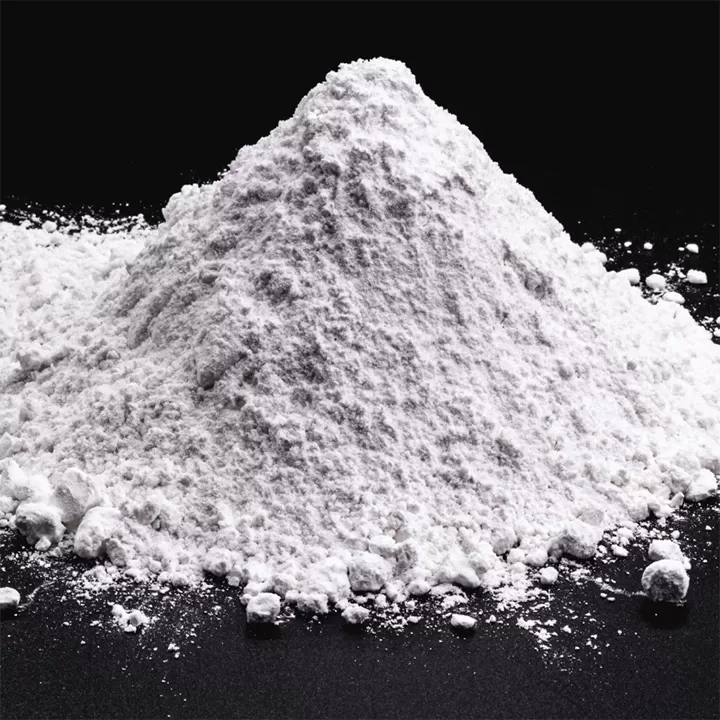
Silica fume is collected as a byproduct during the reduction of high-purity quartz with coal in electric arc furnaces during the manufacture of silicon or ferrosilicon alloys. Physically, it consists of spherical particles with an average diameter of 0.1 to 0.15 micrometers, which is approximately two orders of magnitude smaller than average Portland cement grains. Chemically, it is composed of highly amorphous silicon dioxide (SiO2), typically representing over 85% to 95% of the total chemical composition.
The high amorphous silica content ensures that the material is highly reactive when introduced into an alkaline cementitious environment. Unlike crystalline silica, which is chemically inert at ambient temperatures, amorphous silica dissolves rapidly in the pore liquid of fresh concrete, initiating a cascade of chemical reactions that alter the hydration process. Because of its extreme fineness, silica fume exhibits a specific surface area of approximately 15,000 to 30,000 square meters per kilogram when measured by nitrogen adsorption. This substantial surface area increases water demand, requiring precise chemical admixture integration to maintain target workability.
Hydration Chemistry and the Pozzolanic Reaction
To understand how the material improves concrete performance, it is necessary to examine the hydration kinetics of ordinary Portland cement (OPC). When cement is mixed with water, calcium silicates react to form calcium silicate hydrate (C-S-H) gel and calcium hydroxide (CH) crystals. The C-S-H gel is the primary binding phase responsible for the mechanical strength and density of the cement paste. Conversely, CH crystals do not contribute to the mechanical strength; they form preferentially at the boundaries of aggregate particles, creating pathways for moisture and corrosive agents.
When incorporating the use of silica fume in concrete, a secondary pozzolanic reaction takes place. The amorphous silicon dioxide reacts with the calcium hydroxide produced during primary hydration, consuming the weak CH crystals and converting them into additional high-density C-S-H gel. This chemical transformation is represented as follows:
Ca(OH)2 + SiO2 + H2O → C-S-H (Calcium Silicate Hydrate)
This reaction alters the pore solution chemistry. It lowers the concentration of calcium ions and decreases the pH of the pore solution slightly, though not enough to compromise the passivation layer protecting embedded steel reinforcement. The conversion of large, oriented CH crystals into amorphous C-S-H gel leads to a significant reduction in total porosity, refining the pore network into much smaller, disconnected capillaries.
Physical Pore Refinement and Interfacial Transition Zone (ITZ) Modification
Beyond chemical reactivity, silica fume functions through physical mechanisms. Based on particle packing theory, the microscopic size of microsilica allows it to fill the interstitial spaces between individual cement grains. This micro-filler effect displaces water that would otherwise occupy these voids, leading to a denser spatial distribution of solid particles before hydration even begins.
This physical densification is highly pronounced in the Interfacial Transition Zone (ITZ), which is the zone extending up to 50 micrometers from the surface of aggregate particles. In conventional concrete mixtures, the ITZ is a highly porous area characterized by high water-to-cement ratios and a dense concentration of aligned CH crystals. This makes the ITZ the weakest zone within the concrete matrix, acting as the primary site for microcrack initiation under mechanical stress.
By implementing materials supplied by experienced manufacturers such as Golden Fortune, concrete producers can consistently modify this boundary layer. The micro-filler effect prevents bleeding water from accumulating beneath aggregate surfaces during the casting process. As the pozzolanic reaction progresses, the ITZ is filled with high-density C-S-H gel, eliminating the weak crystalline structures. The result is a highly homogeneous, continuous paste-aggregate bond that significantly increases compressive, tensile, and flexural strengths.
Durability Performance in Hostile Environments
The primary benefit of reducing permeability through pore refinement is the enhanced durability of the concrete structure. Environmental weathering, chemical attack, and reinforcement corrosion are governed by the rate at which fluids and ions penetrate the concrete. Reducing the transport properties of the concrete matrix directly extends the service life of the structure.
Chloride Ion Diffusion Resistance
In marine structures or highway bridges subjected to deicing chemicals, chloride ion penetration represents a major vulnerability to structural durability. Once chloride ions reach the steel reinforcement in sufficient concentrations, they initiate localized pitting corrosion. The use of silica fume in concrete decreases chloride diffusivity by several orders of magnitude. The physical reduction of capillary pore sizes restricts the physical passage of ions. Concurrently, the modified C-S-H gel increases the physical binding capacity of the concrete, trapping chloride ions within the cement matrix and preventing them from reaching the steel surface.
Sulfate Attack Mitigation
Sulfate ions present in soils or groundwater react with the alumina phases in cement to form expansive ettringite or gypsum, leading to cracking, softening, and structural disintegration. Silica fume protects the concrete through two parallel mechanisms. First, the reduction in permeability limits the ingress of sulfate-bearing waters. Second, the pozzolanic reaction consumes calcium hydroxide, which is a necessary component for gypsum formation. By limiting the availability of both calcium hydroxide and free moisture, the chemical reactions that drive sulfate expansion are suppressed.
Alkali-Silica Reaction (ASR) Suppression
The alkali-silica reaction occurs when hydroxyl ions in the pore solution react with reactive silica present in certain aggregate types, forming an expansive gel that cracks the surrounding concrete. Integrating microsilica into the binder system helps mitigate ASR. The highly reactive amorphous silica in the fume binds the alkalis (sodium and potassium) within the early-stage hydration products, reducing their concentration in the pore solution. With fewer alkalis available to react with the aggregates, the formation of the expansive ASR gel is minimized, safeguarding the structural integrity of the concrete.
Engineering Properties: A Comparative Analysis
To quantify the variations between conventional concrete mixtures and those incorporating silica fume, the following comparative indicators illustrate the physical changes in the concrete matrix:
| Property | Standard Concrete (No Silica Fume) | High-Performance Concrete (with Silica Fume) | Primary Engineering Mechanism |
|---|---|---|---|
| Compressive Strength (28-day) | 30 - 50 MPa | 80 - 120+ MPa | ITZ densification and increased C-S-H gel density |
| Rapid Chloride Permeability (ASTM C1202) | 2,000 - 4,000 Coulombs (Moderate-High) | < 1,000 Coulombs (Very Low) | Pore refinement and elimination of continuous capillaries |
| Bleeding Rate | Moderate to High | Extremely Low to Zero | High water retention due to high specific surface area |
| Modulus of Elasticity | 25 - 35 GPa | 40 - 50+ GPa | Homogenization of the paste and aggregate phases |
| Autogenous Shrinkage | Low | Moderate to High | Self-desiccation due to rapid internal water consumption |
Application Fields and Structural Implementations
Due to these enhanced engineering properties, concrete modified with microsilica is specified across several sectors of civil infrastructure where standard concrete mixtures would fail prematurely.
- Marine Infrastructure: Port facilities, seawalls, docks, and offshore platforms require continuous protection against salt-water exposure and wave action. Using materials sourced from Golden Fortune helps contractors produce concrete that prevents the ingress of salts and moisture, extending the service life of submerged and tidal-zone structures.
- High-Strength High-Rise Columns: By utilizing the use of silica fume in concrete, structural designers can specify higher compressive strengths for columns in high-rise buildings. This reduces the required column dimensions, increasing rentable floor space while supporting massive dead and live loads.
- Wet-Mix Shotcrete in Tunneling: In underground mining and tunneling operations, shotcrete must adhere immediately to rock faces and support structures. Silica fume improves the cohesion of wet-mix shotcrete, reducing material rebound and allowing for thicker single-pass applications without sagging.
- Industrial Floors and Spillways: High-velocity water flows in dam spillways or heavy machinery traffic on industrial floors cause mechanical abrasion. The enhanced aggregate-paste bond strength in silica fume concrete provides superior wear resistance, preventing surface delamination and erosion.
Operational Guidelines, Mixing, and Curing Challenges
While the benefits are significant, incorporating silica fume requires modifications to standard concrete production and placement procedures. The physical characteristics of the material introduce specific handling requirements that must be managed to avoid quality issues during casting.
Superplasticizer Dosage and Workability
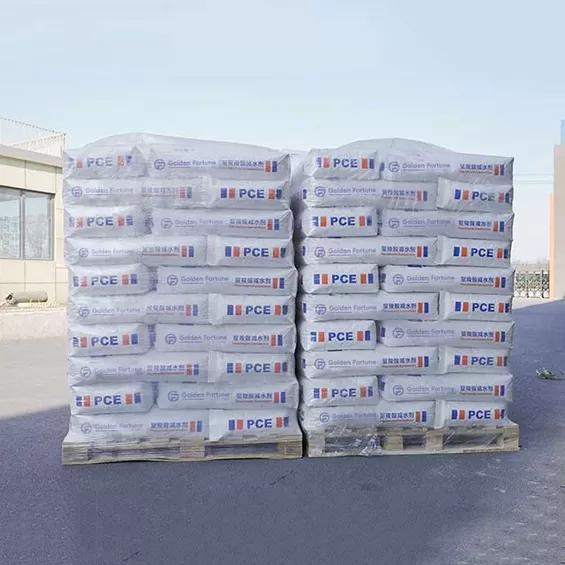
Because the specific surface area of silica fume is exceptionally high, the water demand of the mix increases proportionally with the replacement level. Adding water to compensate for this would increase the water-to-binder ratio, neutralizing the mechanical and durability improvements. To maintain workability, high-range water reducers (HRWR)—specifically polycarboxylate ether (PCE) based superplasticizers—are required. These admixtures disperse the ultra-fine particles, releasing trapped water and maintaining flowability at low water-to-binder ratios.
Prevention of Plastic Shrinkage Cracking
Conventional concrete displays bleeding, where excess water rises to the surface as solid particles settle. This bleed water forms a moisture film that protects the surface from drying out too quickly. Silica fume concrete, however, exhibits almost zero bleeding because the high surface area of the particles binds the free water within the mix. If the evaporation rate at the concrete surface exceeds the rate at which moisture can migrate to the surface, plastic shrinkage cracking will occur.
To mitigate this issue, strict curing measures must be implemented immediately after finishing operations. These include the application of evaporation retarders, fog misting, or covering the surface with wet burlap and polyethylene sheeting. Prompt curing is necessary to prevent surface cracking and ensure the concrete achieves its intended durability potential.
Industrial Standards and Procurement Criteria
To ensure consistent quality in large-scale projects, procurement departments must verify that the silica fume meets established chemical and physical standards. Compliance with standards such as ASTM C1240 or EN 13263 is necessary. The primary parameters to evaluate during selection include:
- Silicon Dioxide (SiO2) Content: High-performance mixtures require a minimum SiO2 content of 85% to ensure a robust pozzolanic reaction. High-grade materials often exceed 90% purity.
- Loss on Ignition (LOI): The LOI value reflects the residual carbon content in the material. High carbon levels can absorb chemical admixtures, reducing the effectiveness of superplasticizers and air-entrained agents. An LOI below 3.0% is typically required for consistent admixture performance.
- Moisture Content and Fineness: Excess moisture can cause agglomeration in storage silos, preventing uniform dispersion during batching. Materials must be stored in dry, moisture-controlled environments to maintain their particulate properties.
Selecting reliable suppliers like Golden Fortune ensures that the supplied mineral admixtures meet these stringent chemical and physical criteria, ensuring predictable performance in demanding structural applications.
Frequently Asked Questions
Q1: What is the typical dosage of silica fume in high-performance concrete?
A1: The typical dosage ranges from 5% to 12% by weight of the total cementitious materials. Dosages below 5% are generally used for minor durability enhancements, while dosages exceeding 10% are reserved for high-strength or highly specialized chemical-resistant applications.
Q2: How does silica fume concrete behave in terms of initial and final setting times?
A2: Silica fume has a negligible effect on setting times when the water-to-binder ratio is kept constant. However, because superplasticizers are almost always used alongside silica fume to maintain workability, any delay in setting time is typically attributable to the superplasticizer dosage rather than the silica fume itself.
Q3: Can silica fume be combined with other supplementary cementitious materials?
A3: Yes, ternary and quaternary binder systems frequently combine silica fume with ground granulated blast-furnace slag (GGBS) or fly ash. This combination helps balance early-age strength development with long-term durability while optimizing the overall workability of the fresh concrete.
Q4: How does the use of silica fume impact the freeze-thaw durability of concrete?
A4: By refining the pore structure and reducing water permeability, silica fume reduces the amount of free water that can enter the concrete and freeze. When combined with a proper air-void system created by air-entraining admixtures, silica fume concrete displays high resistance to freeze-thaw cycles and deicing salt scaling.
Q5: What is the difference between densified and undensified silica fume?
A5: Undensified silica fume has a very low bulk density, making it difficult to transport and handle without specialized equipment. Densified silica fume undergoes a physical process that aggregates the fine particles into larger, dust-free granules, making it easier to transport and store in standard silos. Densified silica fume requires sufficient mixing energy and time during batching to ensure complete dispersion of the particles.
Commercial Inquiries and Specifications
To discuss your project specifications, obtain material safety data sheets, or request bulk pricing for high-grade silica fume and other supplementary cementitious materials, please contact our sales and engineering departments. Golden Fortune provides globally sourced, quality-tested mineral admixtures designed to meet stringent infrastructure standards. Send us your inquiry today to receive technical data sheets and custom formulation support from our engineering team.