Modern engineering pushes the boundaries of what is physically possible. We build taller skyscrapers, longer bridges, and deeper tunnels than ever before. To achieve these feats, standard cement mixtures are often insufficient. This is where micro silica for concrete becomes a critical component in the mix design.
Engineers specify this material to dramatically increase compressive strength and lifespan. It transforms a porous material into a dense, impermeable shield. Industry leaders like Golden Fortune supply this essential additive to projects worldwide, ensuring that infrastructure can withstand the harshest elements.
Understanding the proper application of micro silica for concrete is vital for any construction professional. It is not just an additive; it fundamentally changes the chemistry of the binder. This article explores why this material is indispensable in the GGBS and GGBFS sectors.
1. Understanding Micro Silica for Concrete
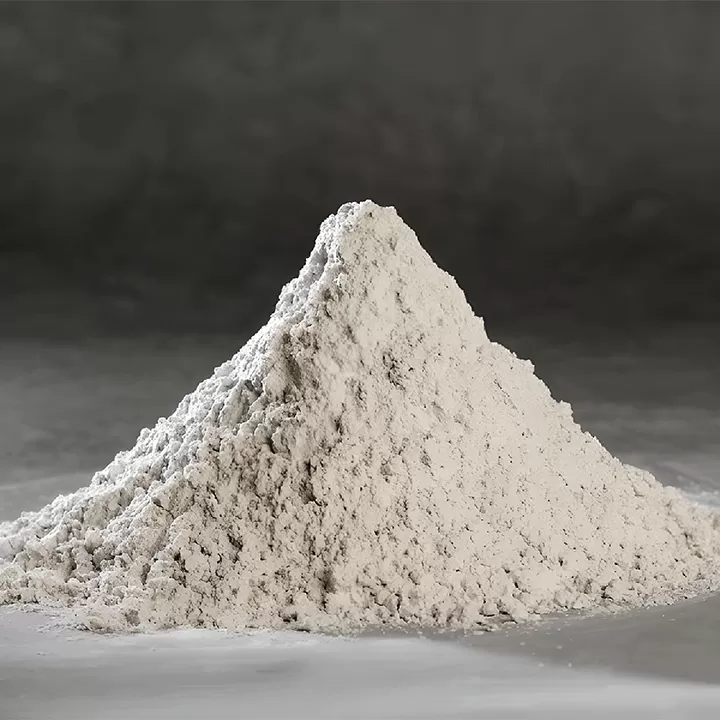
To use it effectively, we must define what micro silica for concrete actually is. Also known as silica fume, it is a byproduct of producing silicon metal or ferrosilicon alloys. It is collected from the flue gases of electric arc furnaces.
The particles are spherical and incredibly small. The average diameter is about 0.15 micrometers. This is approximately 100 times smaller than a grain of Portland cement. Because of this size, micro silica for concrete fills the microscopic voids between cement particles.
This physical characteristic allows for:
- Higher packing density of the solid materials.
- Reduced volume of water needed for lubrication (if used with superplasticizers).
- Creation of a more uniform microstructure.
2. The Pozzolanic Reaction Mechanism
The strength of micro silica for concrete comes from its chemical reactivity. It is a highly reactive pozzolan. When cement hydrates, it produces Calcium Silicate Hydrate (C-S-H) and Calcium Hydroxide (CH).
C-S-H gives concrete its strength. However, Calcium Hydroxide is a weak, soluble byproduct. It does not contribute to strength and can leach out over time. Micro silica for concrete solves this problem.
The amorphous silicon dioxide in the fume reacts with the Calcium Hydroxide. This reaction converts the weak CH into additional strong C-S-H gel. By using micro silica for concrete, you essentially turn waste products into structural binders.
3. Synergy with GGBS and GGBFS
In the global market, combining micro silica for concrete with Ground Granulated Blast-furnace Slag (GGBS) is a common best practice. These two materials complement each other perfectly.
GGBS reduces the heat of hydration and improves long-term durability. Micro silica for concrete provides high early strength and reduces permeability. Suppliers like Golden Fortune often provide solutions that integrate these materials for specialized projects.
A "triple blend" of cement, GGBS, and micro silica for concrete results in:
- Optimal workability retention.
- Lower risk of thermal cracking in massive pours.
- Superior resistance to chemical attacks compared to plain cement.
4. Achieving High-Strength Concrete
When architects design super-tall buildings, the columns at the base must support immense weight. Standard concrete would require columns so thick they would consume valuable floor space. Micro silica for concrete allows for high-strength mixes.
Compressive strengths exceeding 80 MPa or even 100 MPa are achievable. The inclusion of micro silica for concrete densifies the Interfacial Transition Zone (ITZ). The ITZ is the area between the cement paste and the aggregate.
Usually, the ITZ is the weakest link. By strengthening this zone, micro silica for concrete ensures the load transfers efficiently across the entire matrix. This leads to slimmer, more elegant structural designs.
5. Impermeability and Marine Durability
Water is the primary enemy of reinforced concrete. If water penetrates the surface, it brings salts and chlorides. These agents rust the steel reinforcement, causing it to expand and crack the concrete. Micro silica for concrete acts as a pore blocker.
Because the particles are so fine, they physically block the capillary channels. The permeability of the material drops significantly. This makes micro silica for concrete essential for marine structures like bridges, piers, and sea walls.
Tests show that the chloride diffusion coefficient decreases drastically when micro silica for concrete is added. This can extend the service life of a bridge by decades, reducing maintenance costs for governments and owners.
6. Shotcrete and Tunneling Applications
In mining and tunneling, shotcrete (sprayed concrete) stabilizes the excavated walls. A major cost factor is "rebound"—the concrete that bounces off the wall and falls to the floor. Micro silica for concrete makes the fresh mix "sticky."
This increased cohesion reduces rebound significantly. It allows operators to build up thicker layers in a single pass without the material sagging. Using micro silica for concrete in shotcrete improves efficiency and safety.
Furthermore, the hardened shotcrete is stronger and more watertight. This is crucial for tunnels that go under rivers or through water-bearing rock formations. Golden Fortune products are frequently sourced for such demanding infrastructure projects.
7. Resistance to Chemical Attack
Industrial floors in chemical plants or food processing facilities face harsh conditions. Acids, sulfates, and fats can eat away at standard cement. The dense matrix provided by micro silica for concrete slows down this degradation.
While not a replacement for acid-proof tiles in extreme cases, micro silica for concrete offers a robust line of defense. It prevents the chemicals from penetrating deep into the slab.
Benefits for industrial flooring include:
- Higher abrasion resistance against forklift traffic.
- Reduced dusting of the surface.
- Improved resistance to sulfates found in soils and groundwater.
8. Curing and Handling Challenges
Working with micro silica for concrete requires specific knowledge. Because the material is so fine, it has a high surface area. This increases the water demand of the mix.
To maintain workability without adding excess water (which would weaken the concrete), superplasticizers are mandatory. The mix design must be balanced carefully. Additionally, micro silica for concrete reduces "bleeding."
Bleed water is the water that usually rises to the surface of fresh concrete. Since micro silica for concrete prevents bleeding, the surface can dry out quickly. This leads to plastic shrinkage cracking. Immediate curing is non-negotiable.
Contractors must apply curing compounds or wet burlap as soon as finishing is complete. This attention to detail ensures the micro silica for concrete performs as intended without surface defects.
9. Dosage and Mixing Procedures
The typical dosage of micro silica for concrete ranges from 5% to 10% by weight of cement. For extreme strength requirements, this may go up to 15%. However, exceeding this amount can make the mix difficult to place.
Mixing procedures differ slightly from standard concrete. The micro silica for concrete creates a stiff paste. It is often beneficial to mix the aggregates and water first, then add the cement and silica fume.
Thorough mixing is required to break up any agglomerations of the powder. Densified micro silica for concrete is easier to transport but requires more mixing energy to disperse than undensified forms.
Economic and Environmental Perspectives
Using micro silica for concrete may increase the initial cost per cubic meter. However, the lifecycle cost is often lower. A structure that lasts 100 years is cheaper than one that needs repairs every 20 years.
From an environmental standpoint, micro silica for concrete is an industrial byproduct. Using it prevents waste from ending up in landfills. It also allows for the use of less cement overall to achieve the same strength.
Reducing cement consumption lowers the carbon footprint of the project. This aligns with modern green building standards like LEED. High-performance micro silica for concrete allows for sustainable, durable design.
Quality Assurance and Sourcing
Not all silica fume is created equal. The carbon content and silicon dioxide percentage vary depending on the production source. High carbon content can affect air entrainment in the mix.
It is crucial to source micro silica for concrete from reputable suppliers. Testing for compliance with standards like ASTM C1240 or EN 13263 is necessary.
Partners like Golden Fortune ensure consistent quality. They provide material that meets the rigorous demands of international construction projects, ensuring no surprises at the batching plant.
The Future of Construction Materials
As we face climate change and urbanization, the demands on our infrastructure will grow. The role of micro silica for concrete will only expand. We will see more "ultra-high-performance concrete" (UHPC) applications.
These materials will allow for thinner bridges and lighter structures. The combination of micro silica for concrete with other pozzolans will continue to evolve. Research is ongoing into optimizing particle packing for even greater density.
Engineers are also exploring how micro silica for concrete interacts with recycled aggregates. This could lead to fully sustainable concrete cycles. The versatility of this fine powder makes it a cornerstone of future innovation.
The integration of micro silica for concrete has revolutionized the construction industry. It has enabled us to build structures that were previously thought impossible. From resisting the corrosive power of the ocean to supporting the world's tallest towers, its impact is undeniable.
By filling the microscopic voids and chemically strengthening the binder, micro silica for concrete offers a solution to durability and strength challenges. It works in tandem with GGBS to create robust, long-lasting composites.
For project managers and engineers, selecting the right materials is the first step toward success. Companies like Golden Fortune stand ready to support these endeavors with high-quality additives. Incorporating micro silica for concrete is an investment in the safety and longevity of the built environment.