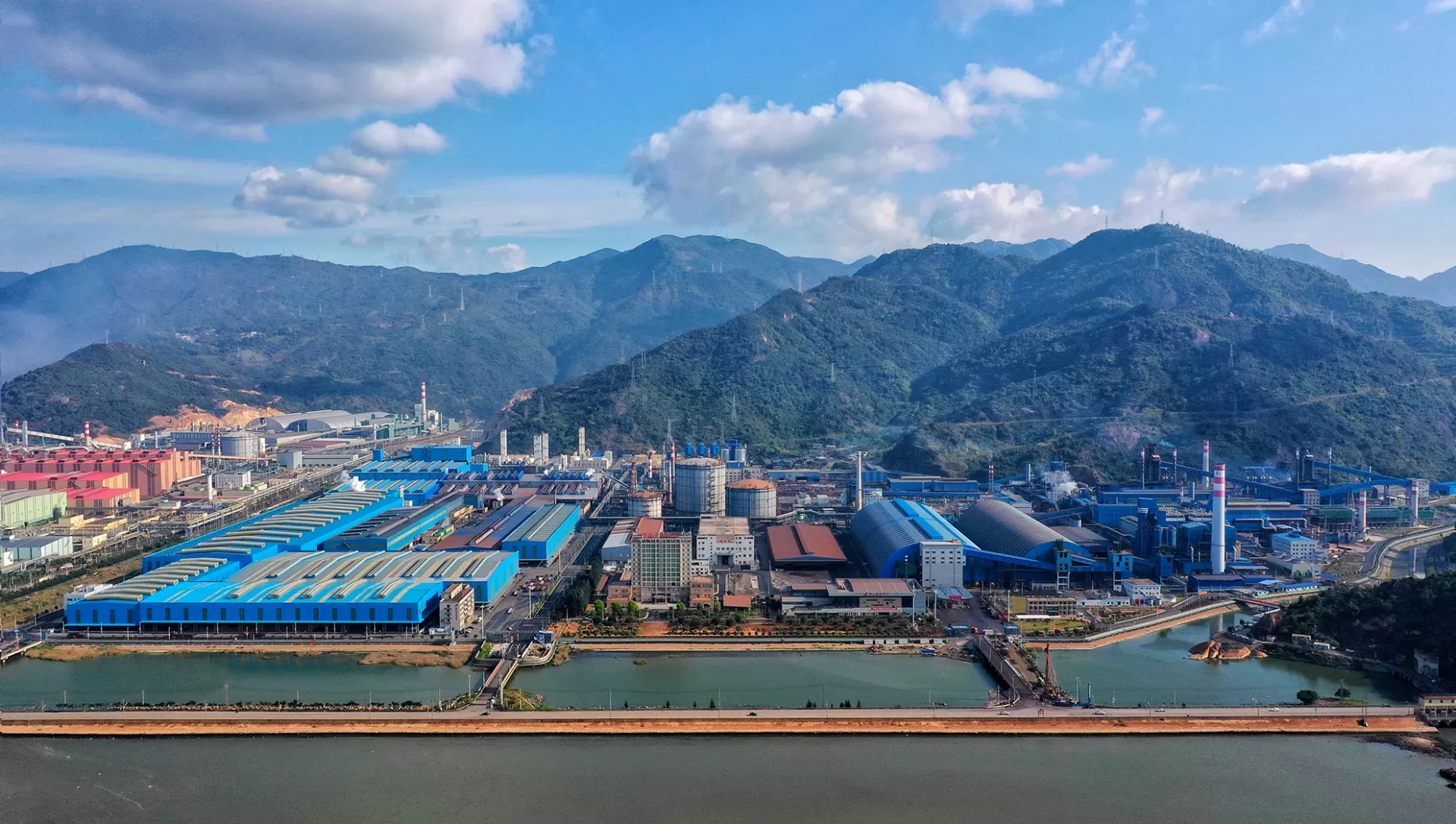
Portland cement production accounts for nearly 8% of global industrial CO₂ emissions, driving demand for supplementary cementitious materials (SCMs) that preserve mechanical performance. Ground granulated blast furnace slag (GGBS) has emerged as one of the most reliable solutions to formulate a cement eco friendly binder without sacrificing structural integrity. When finely milled to a specific surface area of 400–600 m²/kg, slag reacts with calcium hydroxide from cement hydration to form additional calcium silicate hydrate (C-S-H) gel – the same phase responsible for concrete strength.
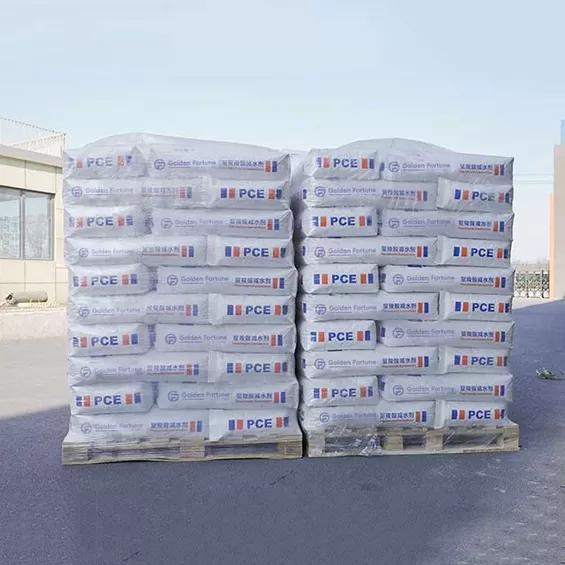
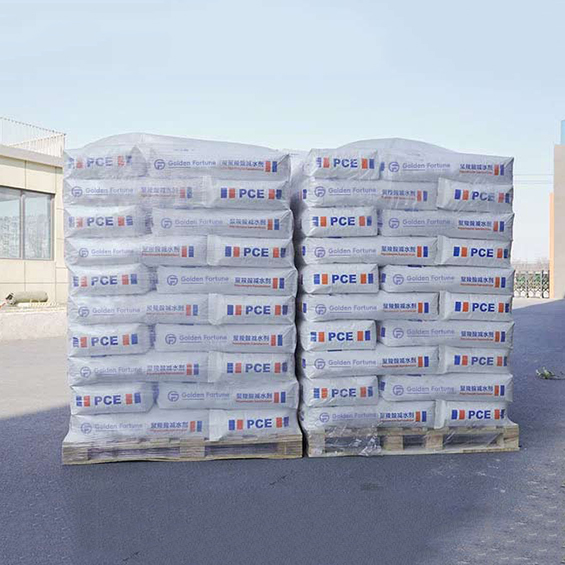
For ready-mix producers and precast manufacturers, substituting 30% to 70% of clinker with GGBS directly reduces embodied carbon while improving resistance to sulfate attack and chloride ingress. Golden Fortune supplies consistent quality ultrafine GGBS meeting EN 15167-1 and ASTM C989 Grade 100/120 standards, enabling engineers to design low-carbon mixes for marine foundations, tunnel linings, and mass concrete dams. This article examines the reaction kinetics, performance trade-offs, and quality control parameters that define a genuinely cement eco friendly system.
Reaction Mechanisms: How GGBS Contributes to Long-Term Strength
Unlike inert fillers, vitreous slag requires an alkaline environment (pH >12) to break Si-O and Al-O bonds. During Portland cement hydration, calcium hydroxide (portlandite) is released; GGBS particles react with both CH and water, forming C-S-H and calcium-aluminate-silicate-hydrate (C-A-S-H). This pozzolanic-like reaction offers three distinct advantages over ordinary cement:
Densified pore structure: Secondary C-S-H fills capillary voids, reducing permeability by up to 60% compared to plain OPC mixes at 90 days.
Lower heat evolution: Hydration of slag is slower and less exothermic; peak temperature in mass concrete drops by 15–25°C, mitigating thermal cracking risks.
Alkali binding capacity: High alumina content in slag immobilizes alkalis, suppressing alkali-silica reaction (ASR) expansion even with reactive aggregates.
However, early-age strength development (first 7 days) is slower at high substitution levels. To maintain project schedules, a cement eco friendly formulation often combines GGBS with nucleation agents or uses finer slag grades (<5% residue on 45 µm sieve). Golden Fortune provides particle size distribution data on each lot, allowing mix designers to calibrate replacement levels between 40%–60% without delaying formwork removal.
Specifying GGBS for Different Exposure Classes and Construction Methods
The effectiveness of a low-carbon binder depends on matching slag fineness and chemical modulus to the application. Below are standard use cases supported by EN 206 and ACI 233R guidelines:
Marine structures (XS2, XS3 exposure): High chloride diffusion resistance requires 50–70% GGBS content. Lower permeability reduces corrosion initiation probability by a factor of 3–5.
Mass concrete foundations: For pours exceeding 1 m thickness, limit temperature rise using 50% GGBS + fly ash blends. Hydration heat reduction often eliminates need for cooling pipes.
Precast segments and sleepers: Steam-cured GGBS mixes achieve demolding strength (25 MPa) in 6–8 hours when 30% slag is combined with 1.5% accelerating admixture.
Roads and pavements: Moderate substitution (25–35%) increases sulfate resistance for sulfate-bearing subsoils, while maintaining abrasion resistance above 1.8 wear mm (EN 13892-3).
When shifting to a cement eco friendly design, engineers should also adjust the alkali equivalence (Na₂Oₑq) of the total binder. Slag with higher CaO/SiO₂ ratio (1.0–1.2) reacts faster; lower ratio material (0.9–1.0) provides better sulfate resistance but needs extended moist curing (minimum 7 days).
Quality Control Metrics for Reliable Low-Carbon Concrete
To avoid performance variability, industrial buyers must verify three parameters per GGBS shipment:
Activity index at 7 and 28 days: EN 15167 requires >75% for Grade 100 at 7 days (relative to reference cement). Consistent values ±5% ensure predictable strength gain.
Glass content by XRD: Above 90% vitreous phase is essential; devitrified slag shows reduced reactivity. Routine SEM verification is recommended for overseas sources.
Blaine fineness and residue on 45 µm: For dense concrete (C35/45 or higher), Blaine >500 m²/kg and residue <8% produce optimal packing density.
Golden Fortune ships each container with certified mill test reports covering these metrics, enabling direct input into concrete batching software. This transparency supports ISO 14064 carbon accounting for projects seeking green building certifications (LEED v4, BREEAM).
Common Misconceptions About Slag-Based Eco Cements and Field Solutions
Despite proven benefits, some contractors hesitate to adopt high-slag mixes due to past issues. Below are actual pain points and their remedies:
Slow setting in cold weather (<10°C): Hydration kinetics drop significantly below 15°C. Solution: Use 25–35% slag plus calcium nitrite-based accelerator; or employ heated mixing water (up to 60°C) provided no flash set occurs.
Efflorescence on pigmented surfaces: High slag blends produce more soluble calcium hydroxide initially. Solution: Apply silane-based sealer after 14 days of curing; or incorporate hydrophobic admixture.
Greenish discoloration on finished slabs: Sulfide residues in slag (0.5–1.5% S) cause temporary coloration that oxidizes in 2–4 weeks. Solution: Accept as temporary phenomenon or specify lower sulfide slag (<0.8% S).
Variability from different slag sources: Chemical modulus (CaO+MgO+Al₂O₃)/(SiO₂) ranging from 1.4 to 2.2 affects water demand. Solution: Pre-qualify supplier with monthly composite sampling; adjust superplasticizer dosage accordingly.
For a reliable cement eco friendly mix, these challenges are manageable with proper mix design validation. Many project specifications now include mandatory GGBS options to meet carbon reduction targets without premium costs.
Long-Term Durability: Chloride Migration and Sulfate Resistance Data
Laboratory comparisons between ordinary Portland cement (OPC) and 50% GGBS blends show consistent improvements in aggressive environments. Non-steady state chloride migration coefficients (Dₙₛₛₘ) measured per NT BUILD 492 drop from 12–15×10⁻¹² m²/s (OPC) to 3–5×10⁻¹² m²/s for GGBS50 after 90 days curing. This translates to extended service life for bridge decks and parking structures. Similarly, expansion in sodium sulfate solution (5% Na₂SO₄) stays below 0.04% after 12 months for GGBS50, while OPC often exceeds 0.10% limit.
These performance advantages derive from the lower calcium hydroxide content and refined pore structure. Designers aiming for a cement eco friendly solution should specify maximum water-to-binder ratio (w/b) of 0.45 and minimum 14 days moist curing to realize full durability potential.
Frequently Asked Questions About GGBS and Low-Carbon Cement
Q1: What is the maximum substitution level for GGBS in structural concrete without compromising early strength?
A1: For normal curing (20°C, 90% RH), up to 50% GGBS typically maintains 7-day strength above 70% of pure OPC. For precast with steam curing (60°C for 4 hours), 70% substitution can achieve 30 MPa demolding strength. Always validate using mock-up tests with actual materials, especially when using slag fineness below 450 m²/kg. High-early strength mixes (required for 24-hour high-traffic restoration) should limit GGBS to 30% and use Type III cement.
Q2: How does GGBS affect freeze-thaw resistance in air-entrained concrete?
A2: With proper air entrainment (5–7% air volume), GGBS concrete shows equal or better freeze-thaw durability than OPC after 300 cycles (ASTM C666). The finer pore system reduces water absorption, but it requires careful air-void spacing factor control – slag increases the demand for air-entraining admixture by 20–30%. Field experience suggests using a vinsol resin-based AEA and verifying spacing factor every 50 m³ of production.
Q3: Can GGBS be combined with other SCMs like silica fume or metakaolin for a cement eco friendly ternary blend?
A3: Yes, ternary blends (e.g., 40% GGBS + 8% silica fume + 52% clinker) are used for high-performance applications such as offshore wind foundations. The synergy: slag provides long-term durability, silica fume boosts early-age strength and reduces permeability further. However, water demand increases significantly – expect 10–15% higher superplasticizer dosage. Also monitor autogenous shrinkage; ternary mixes may need internal curing. Golden Fortune can supply custom blended powders to reduce plant handling complexity.
Q4: What laboratory tests confirm that a slag batch will produce consistent setting time in eco cement?
A4: Four key tests: (1) Vicat initial setting time on mortar with 50% slag/50% reference cement – acceptable range 180–300 min; (2) Isothermal calorimetry for 48 hours to verify heat flow peak delay; (3) Al₂O₃ content (target 11–15%) – higher levels accelerate early reaction; (4) Sulfide sulfur (S²⁻) – levels above 1.2% can cause false set. Request these values on each certificate of analysis. If setting time variation exceeds ±20% from previous shipments, adjust retarder dosage proportionally.
Q5: How does the carbon footprint (CO₂ per ton) compare between OPC and a 50% GGBS cement eco friendly binder?
A5: Ordinary Portland cement (CEM I) averages 830–900 kg CO₂ per ton (including calcination and fuel). A blend with 50% GGBS reduces that to approximately 450–500 kg CO₂/t, because slag is a byproduct of iron production with pre-existing calcination (its environmental impact is allocated via system expansion). For every ton of such binder used, net emission reduction is about 380 kg. This data is widely accepted by environmental product declarations (EPD) for concrete. Precise values depend on slag transport distance and grinding energy.
For project-specific technical datasheets, mix design assistance, or to request a quotation for bulk ultrafine GGBS shipments, send your inquiry to the Golden Fortune technical team. Please provide target concrete grade, exposure class, and desired clinker replacement level to receive a performance simulation and certification pack.