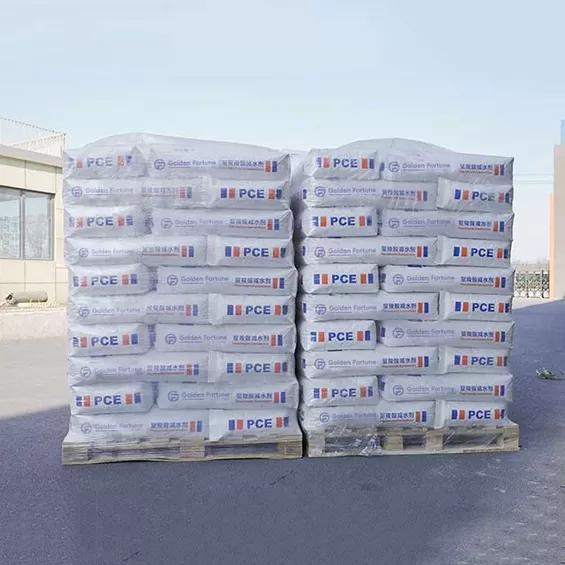
The demand for high-performance concrete mixtures in residential construction and specialized domestic applications has grown significantly. Achieving professional-grade durability, structural integrity, and aesthetic quality when working with cement at home requires a comprehensive understanding of binder chemistry and material science. Standard off-the-shelf Portland cement mixes often fall short of meeting specific long-term performance criteria, such as resistance to environmental degradation, cracking, and moisture intrusion. To address these limitations, professional builders and concrete designers increasingly incorporate supplementary cementitious materials (SCMs) into their formulations.
Among these materials, Ground Granulated Blast-Furnace Slag (GGBS) and ultra-fine slag derivatives stand out as premier additives. These industrial byproducts, when processed to precise fineness standards, react chemically within the cementitious matrix to refine the pore structure, improve workability, and significantly enhance the ultimate compressive strength of the cured concrete. This article analyzes the chemical mechanisms, engineering benefits, and practical application strategies of utilizing advanced mineral additives to optimize residential concrete projects.
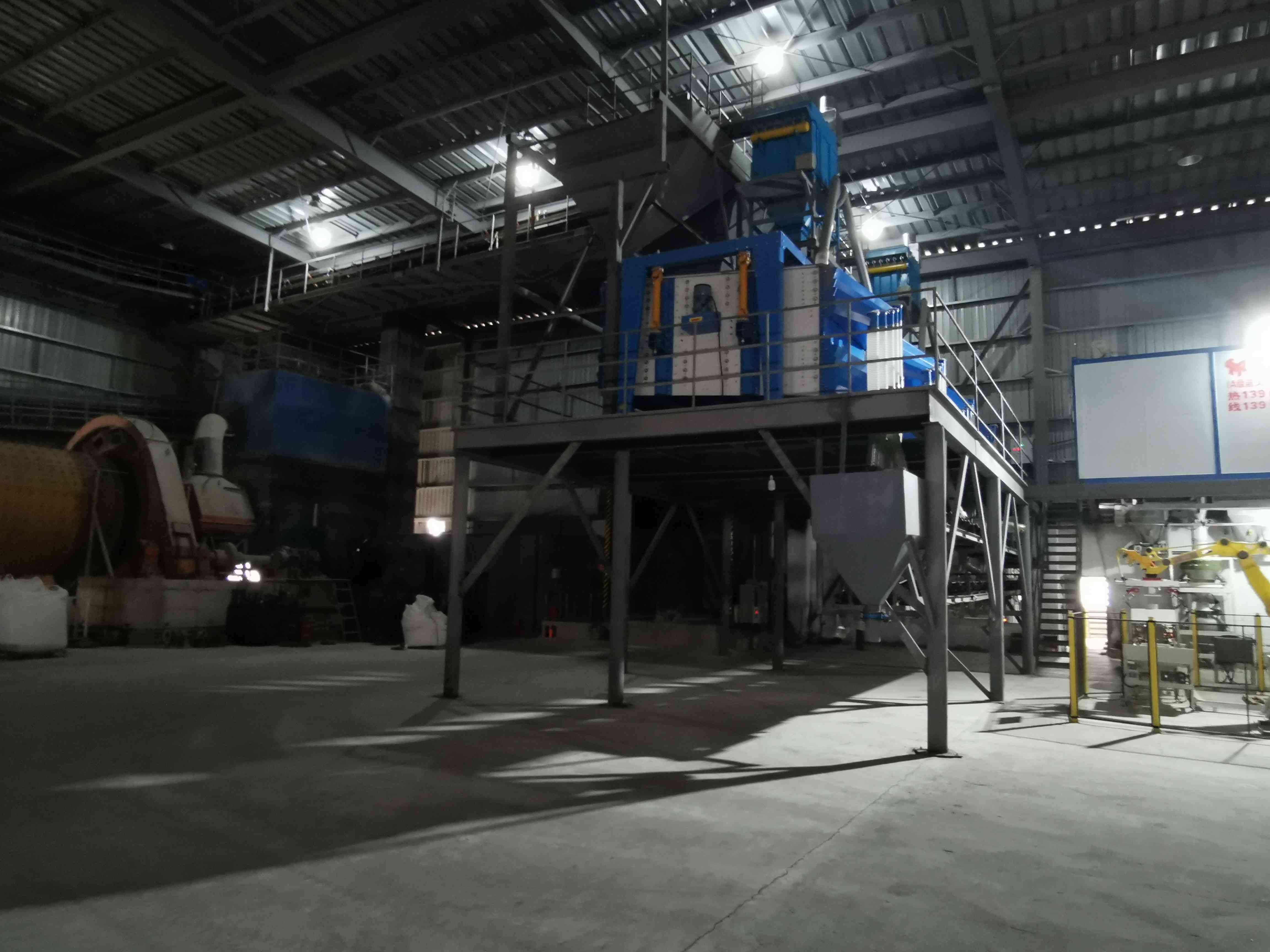
The Chemistry of Hydration in High-Performance Mortars
To understand why standard cement mixes often struggle to deliver long-term performance in demanding environments, one must examine the hydration process of Portland cement. When water is added to a cementitious binder, the primary clinker phases—specifically tricalcium silicate (C3S) and dicalcium silicate (C2S)—react to form calcium silicate hydrate (C-S-H) gel and calcium hydroxide (Ca(OH)2).
Calcium Silicate Hydrate (C-S-H) Gel: This is the primary glue responsible for the mechanical strength and density of the hardened cement paste. A higher concentration of C-S-H gel correlates directly with superior compressive strength and lower permeability.
Calcium Hydroxide (Ca(OH)2): Unlike C-S-H gel, calcium hydroxide is a crystalline, soluble byproduct that contributes very little to the structural strength of the concrete. It remains embedded within the paste and is highly susceptible to leaching when exposed to moisture. This leaching creates capillary pathways, increasing the permeability of the material and leaving it vulnerable to chemical attack.
When executing complex concrete pours or structural installations using cement at home, the presence of excess calcium hydroxide presents a significant durability challenge. This is where supplementary cementitious materials play a pivotal role. When high-quality GGBS is introduced into the mix, it initiates a secondary pozzolanic and hydraulic reaction. The reactive silica and alumina within the slag consume the free calcium hydroxide, transforming it into additional, dense C-S-H gel.
This microstructural refinement drastically reduces the volume of large capillary pores, replacing them with gel pores that are too small to allow the passage of water, chlorides, or sulfate ions. Consequently, the concrete becomes much more impermeable, durable, and resistant to environmental weathering over its service lifespan.
Addressing Common Performance Failures in Residential Concrete
Residential concrete projects often suffer from early-stage deterioration due to improper mix proportions, inadequate curing, or suboptimal material selection. When preparing cement at home, contractors and builders frequently encounter several typical failure modes that can be mitigated through mineral admixtures.
Plastic and Drying Shrinkage Cracking
Plastic shrinkage occurs when the rate of water evaporation from the concrete surface exceeds the rate at which bleed water rises to the top. This imbalance creates tensile stresses in the weak, unhardened concrete, leading to fine cracks. Drying shrinkage occurs later as the concrete loses moisture to the surrounding environment and contracts. By utilizing ultra-fine slag from reputable suppliers such as Golden Fortune, the particle size distribution is optimized, which helps regulate water retention, improves cohesive properties, and minimizes the incidence of macro-cracking during the curing phase.
Efflorescence and Surface Discoloration
Efflorescence is characterized by the formation of unsightly white, powdery deposits on the surface of concrete or masonry. It occurs when soluble calcium hydroxide dissolves in water, migrates to the surface through capillary action, and reacts with atmospheric carbon dioxide to form insoluble calcium carbonate. By incorporating GGBS, the amount of free calcium hydroxide is reduced, and the capillary pores are constricted. This effectively cuts off the pathway for moisture migration, keeping the surface free of discoloration and maintaining the architectural appeal of decorative installations.
Alkali-Silica Reaction (ASR)
ASR is a chemical reaction that takes place between the highly alkaline concrete pore solution and reactive silica present in certain aggregates. This reaction produces an expansive gel that absorbs water, swells, and generates internal tensile stresses, leading to map cracking and structural disintegration. The use of slag cement reduces the concentration of available alkalis and limits moisture penetration, providing an effective barrier against the onset of ASR in residential structures.
Optimizing Mix Design and Binder Proportions
Achieving the desired mechanical properties in customized concrete formulations requires precise mix design. Standard concrete mixes typically rely on a high water-to-cement ratio to ensure ease of placement, but this practice ultimately compromises the strength of the cured material. When designing concrete mixes for high-performance cement at home applications, several key parameters must be carefully managed.
Water-to-Binder Ratio (w/b)
The water-to-binder ratio is the single most important factor determining concrete strength and permeability. For high-durability applications, a w/b ratio between 0.40 and 0.45 is recommended. Lowering the water content reduces the formation of capillary pores. To maintain adequate workability at lower water contents without sacrificing strength, superplasticizers can be used in tandem with fine mineral fillers.
Slag Replacement Levels
The proportion of Portland cement replaced by GGBS depends on the specific performance requirements of the project. For general residential applications where moderate heat development and high long-term strength are desired, a replacement level of 30% to 50% is standard. For specialized projects exposed to aggressive environments, such as retaining walls or coastal structures, replacement levels up to 70% may be utilized to maximize chemical resistance and minimize thermal cracking in thick concrete sections.
Aggregate Grading and Packing Density
The aggregate skeleton comprises the majority of the concrete volume. A well-graded mixture of coarse and fine aggregates reduces the void space that must be filled by the binder paste, minimizing cement consumption and reducing overall shrinkage. When optimizing the aggregate-to-binder ratio, incorporating ultra-fine mineral particles fills the remaining micro-voids, creating a highly dense particle packing structure.
Structural and Aesthetic Benefits of Ultra-Fine Mineral Additives
For high-end architectural concrete, decorative panels, or structural features, the choice of raw materials directly influences both the mechanical performance and visual characteristics of the finished product. Industry leaders such as Golden Fortune specialize in supplying ultra-fine GGBS that offers distinct advantages over standard cementitious binders.
First, the incorporation of slag cement leads to a lighter, more uniform color in the hardened concrete. Portland cement often produces a dark gray finish with potential shading variations. In contrast, GGBS particles are lighter in color, yielding a bright, off-white, or light gray aesthetic that is highly sought after for architectural finishes and custom-molded elements. This ensures that cement at home installations retain their aesthetic value and clean appearance without the need for expensive surface coatings or pigments.
Second, the rheological properties of concrete containing ultra-fine slag are markedly superior. The smooth, glassy morphology of slag particles reduces internal friction within the wet mix, improving flowability and consolidation. This makes the concrete easier to pump, place, and finish, while reducing the effort required for mechanical vibration to eliminate air voids. The result is a smooth, glass-like surface finish upon demolding, with minimal surface blemishes or blowholes.
Quality Control and Material Sourcing for Special Projects
Executing high-performance concrete projects requires consistency in raw material quality. Inconsistent chemical compositions or fluctuating particle sizes in binders can lead to unpredictable setting times, poor strength development, and variable surface finishes. When sourcing premium slag additives, partnering with reliable suppliers like Golden Fortune ensures consistent particle size distribution and strict conformity to international standards such as ASTM C989 or EN 15167.
For B2B distributors, specialty precast manufacturers, and residential contractors, maintaining quality control involves verifying the Blaine fineness and activity index of the supplementary cementitious materials. High-fineness slag accelerates the pozzolanic reaction, allowing for faster formwork removal and quicker progress on construction schedules. By utilizing engineered mineral components, builders can ensure that their concrete formulations perform reliably under diverse ambient conditions.
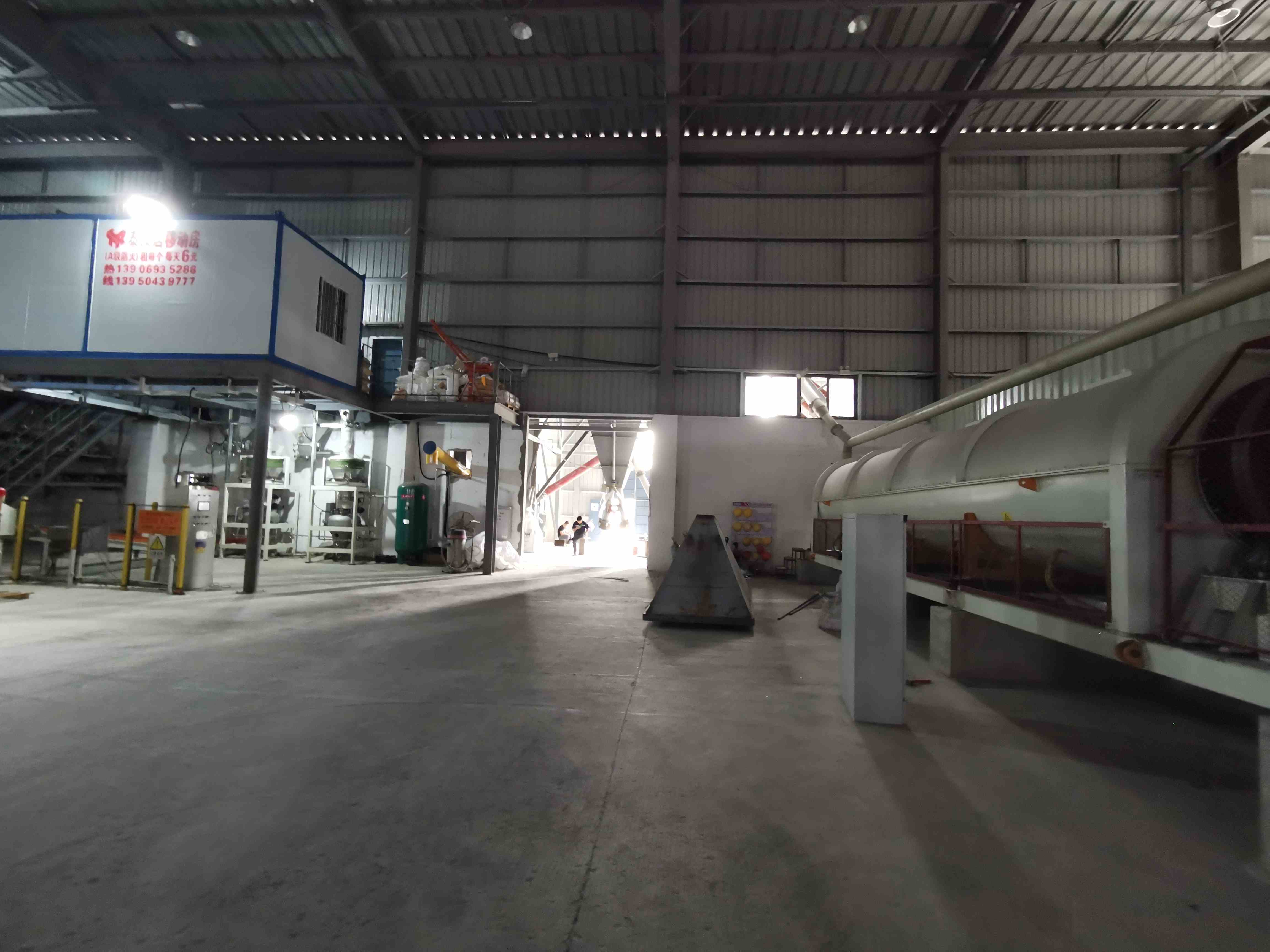
Inquiry and Collaboration
Optimizing concrete formulations with high-quality mineral additives requires deep technical expertise and premium raw materials. To acquire premium grade binders for your specialty concrete projects, contact Golden Fortune today. Our engineering team can assist you in selecting the appropriate slag fineness and replacement ratios to meet your specific performance, durability, and aesthetic goals. Please submit an inquiry with your project specifications to receive tailored material recommendations and product samples.
Frequently Asked Questions
Q1: What are the main advantages of using Ground Granulated Blast-Furnace Slag (GGBS) in cement at home formulations?
A1: The primary advantages include enhanced long-term compressive strength, reduced permeability, lower heat of hydration, and significantly improved resistance to sulfate and chloride ingress. Additionally, GGBS provides a lighter, more aesthetically pleasing surface finish and reduces the carbon footprint of the concrete mix.
Q2: How does the addition of slag affect the setting time of concrete?
A2: Concrete incorporating GGBS generally exhibits a slightly slower initial and final setting time compared to pure Portland cement concrete, particularly in cooler temperatures. This extended workability window is highly beneficial during placement and finishing, allowing more time to achieve detailed architectural details without the risk of cold joints.
Q3: Can GGBS help prevent efflorescence in domestic concrete finishes?
A3: Yes, GGBS significantly reduces efflorescence. The pozzolanic reaction of GGBS consumes calcium hydroxide—the soluble byproduct responsible for efflorescence—and converts it into stable C-S-H gel. Furthermore, the microstructural refinement limits the movement of moisture through the concrete, preventing dissolved salts from reaching the surface.
Q4: What is the recommended replacement ratio of cement with GGBS for general residential structural projects?
A4: For general structural residential applications, a cement replacement level of 30% to 50% by weight is typically recommended. This balance provides excellent workability, good early strength development, and superior long-term durability and strength characteristics.
Q5: How does particle size distribution influence the reactivity of supplementary cementitious materials?
A5: Particle size distribution is a key factor in the reactivity of SCMs. Finer particles, such as ultra-fine slag, have a higher specific surface area, which accelerates the rate of the pozzolanic reaction. This leads to faster strength development in the early stages (typically between 3 to 7 days) and a denser microstructural packing effect within the concrete paste.