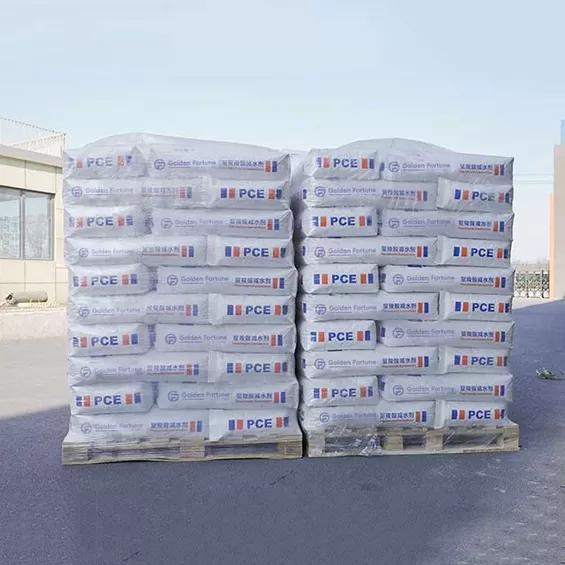
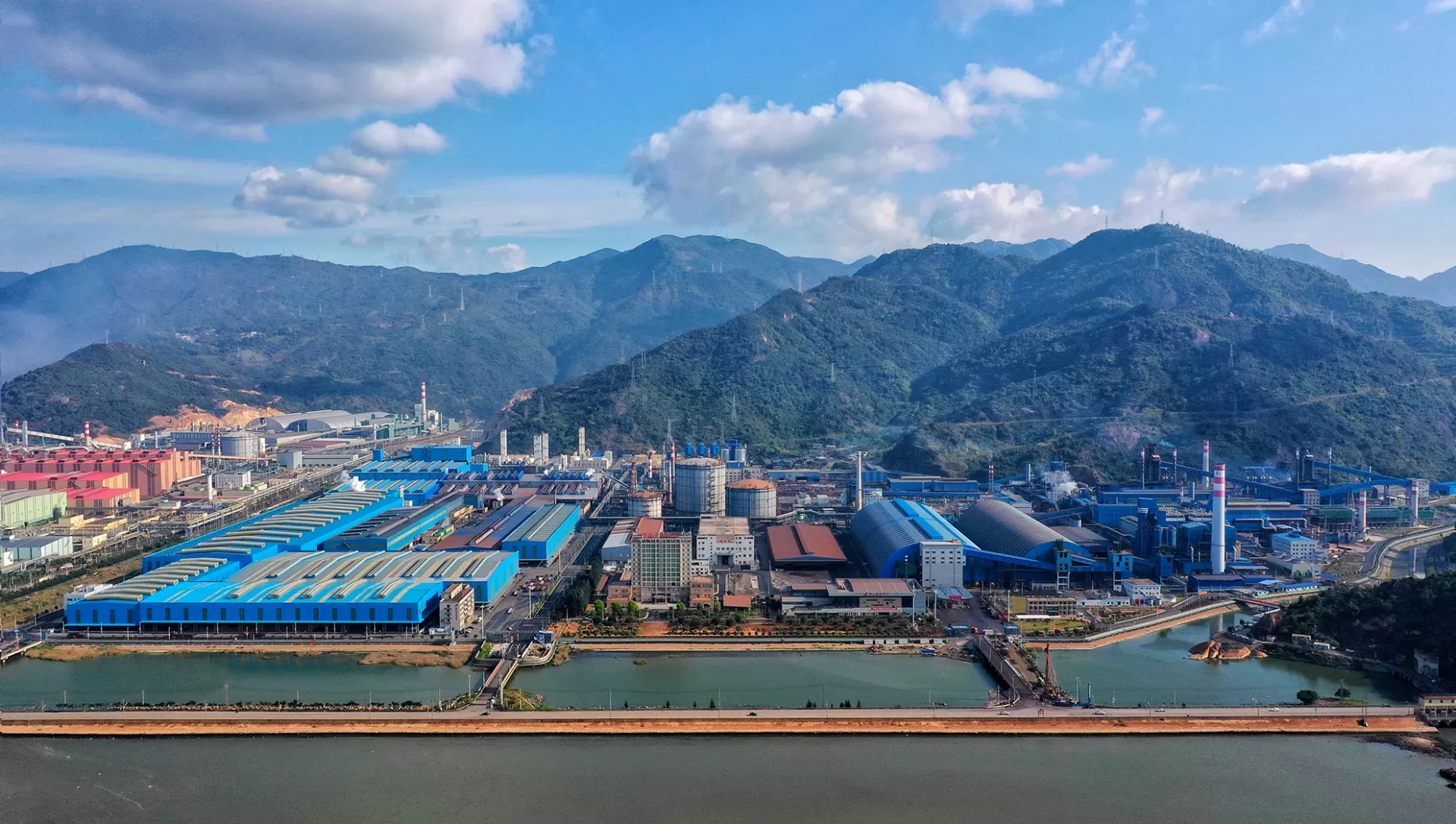
Modern civil engineering demands infrastructure that stands the test of time under severe environmental conditions. High-performance concrete formulations rely heavily on the selection of binder materials that can resist chemical degradation while maintaining structural load capacity. Among these advanced binders, the utilization of Portland-slag cement has gained prominent traction in large-scale public and private works. Designated under international standards as a binary blended binder, this specific composition, widely recognized as type 1s cement, represents a sophisticated combination of traditional Portland cement clinker and finely ground granulated blast furnace slag. As civil projects require higher durability metrics, partners like Golden Fortune assist concrete producers in achieving optimal binder chemistry through the supply of high-grade mineral components.
Composition and Chemical Hydration Kinetics
To comprehend the performance benefits of slag-blended binders, one must examine the micro-level interactions occurring during hydration. Unlike standard Portland cement, which hydrates to form calcium silicate hydrate (C-S-H) gel and calcium hydroxide, slag-modified systems undergo a dual-phase reaction that enhances the mechanical and chemical properties of the concrete matrix.
The Binary Clinker-Slag Matrix
The manufacturing process of this binder involves co-grinding or blending Portland cement clinker with ground granulated blast furnace slag (GGBFS) in specified proportions, typically ranging from 5% to 70% by mass. The clinker portion contains primary mineral phases: tricalcium silicate (C3S), dicalcium silicate (C2S), tricalcium aluminate (C3A), and tetracalcium aluminoferrite (C4AF). The slag component is characterized by a high proportion of glassy, non-crystalline silica, alumina, and calcium oxides. This amorphous structure is key to the hydraulic activity of the material.
The Secondary Pozzolanic and Hydraulic Reaction
Upon the addition of water to the mix, the Portland clinker portion undergoes rapid hydration, liberating calcium ions, hydroxyl ions, and forming calcium silicate hydrate gel alongside crystalline calcium hydroxide (Ca(OH)2), also known as portlandite. While portlandite contributes minimally to structural strength, it increases the pH of the pore solution. This highly alkaline environment acts as an activator for the slag particles.
Once activated, the glass network of the slag breaks down, reacting with the liberated calcium hydroxide and water to synthesize secondary calcium silicate hydrate (C-S-H) gel. This secondary gel is chemically denser and has a lower calcium-to-silicon ratio compared to primary C-S-H. The conversion of crystalline, soluble calcium hydroxide into stable, insoluble C-S-H gel represents the fundamental mechanism behind the improved performance of these blended binders.
Overcoming Durability Challenges in Severe Environments
Concrete structures are constantly exposed to environmental actions that threaten their long-term structural integrity. Marine environments, soils high in soluble salts, and reactive aggregates pose continuous degradation challenges. Selecting a robust binder formulation is a primary line of defense against these factors.
Mitigating Sulfate Attack in Substructure Engineering
Sulfate attack is a serious chemical degradation process that occurs when concrete is in contact with groundwater or soils rich in sodium, potassium, or magnesium sulfates. These external sulfates react with the free calcium hydroxide and hydrated calcium aluminates within the cement paste to form expansive compounds, primarily ettringite and gypsum. The pressure generated by this expansion causes cracking, spalling, and loss of cohesion in the concrete matrix.
By utilizing type 1s cement, the concentration of reactive tricalcium aluminate (C3A) in the concrete is naturally diluted. Furthermore, the consumption of calcium hydroxide during the secondary hydration phase deprives the sulfate ions of the reactant necessary to form gypsum. This reduction in chemical vulnerability significantly improves the sulfate resistance of the structure, ensuring deep foundations and retaining walls remain secure over their design life.
Controlling Alkali-Silica Reaction (ASR)
Alkali-Silica Reaction occurs when highly alkaline pore solutions react with unstable silica phases present in certain aggregates. This reaction produces an alkali-silica gel that absorbs water and expands, creating internal tensile stresses that lead to map cracking and structural distress. The control of ASR is a major priority in major infrastructure projects where local aggregate sources may be reactive.
Slag-blended cements mitigate ASR through multiple complementary pathways:
Alkali Entrapment: The low calcium-to-silicon ratio of the secondary C-S-H gel allows it to chemically bind alkalis (sodium and potassium ions) within its structure, lowering their concentration in the pore solution.
Pore Structure Refinement: The dense microstructure limits the movement of moisture, which is a required catalyst for gel expansion.
Reduction in Hydroxide Concentration: By consuming calcium hydroxide, the overall alkalinity of the pore system is regulated, slowing the rate of silica dissolution.
Thermal Crack Mitigation in Mass Concrete
In mass concrete elements such as gravity dams, bridge piers, and thick raft foundations, the heat generated by the exothermic hydration of cement can create a substantial thermal gradient between the core of the element and its exterior surface. If this temperature differential exceeds specific thresholds, tensile cracks will develop as the concrete cools.
The incorporation of slag slows the rate of heat evolution. Because the activation of slag relies on the initial hydration of clinker, the peak temperature rise is delayed and reduced. This lower rate of thermal output facilitates temperature management on-site and lowers the potential for micro-cracking during the curing process.
Mechanical Performance and Microstructure Densification
Beyond chemical durability, the transition to blended cements must satisfy the mechanical strength requirements of modern structural designs. Understanding the relationship between curing time, strength development, and paste permeability is crucial for accurate mix design.
Compressive Strength Development Over Time
A common operational observation is that slag-blended concretes exhibit slower early strength development (at 1 to 3 days) compared to pure Portland cement mixes. This behavior is attributed to the induction period required for the clinker hydration to produce sufficient alkalinity to activate the slag. However, as the hydration progresses past 7 days, the rate of strength gain for slag mixes accelerates rapidly.
By 28 and 90 days, concrete containing these binders typically meets or exceeds the compressive strength of equivalent pure Portland concrete. The continuous, slow hydration of the slag ensures that strength development continues for months, providing a significant reserve of load-bearing capacity and structural resilience.
Pore Refinement and Permeability Reduction
The ingress of moisture and aggressive chemical agents is directly governed by the pore structure of the hardened cement paste. In standard concrete, a network of interconnected capillary pores exists, allowing the transport of water, chlorides, and carbon dioxide. In mixes formulated with high-quality mineral additives, such as those sourced through Golden Fortune, the physical and chemical micro-filler effects transform these continuous pathways.
The secondary C-S-H gel fills the voids between unhydrated cement grains, transforming larger capillary pores into disconnected, microscopic gel pores. This pore refinement significantly reduces the permeability of the concrete, offering superior resistance against chloride ion penetration, which is the primary cause of steel reinforcement corrosion in marine and highway structures.
Industrial Application Scenarios in Infrastructure
Because of its balance of moderate early strength, long-term durability, and environmental resistance, this blended binder is specified across a wide variety of civil works.
| Application Area | Primary Engineering Challenges | Role of Slag-Blended Cement |
|---|---|---|
| Marine and Port Infrastructure | Chloride ingress, steel reinforcement corrosion, tidal wetting and drying | Pore refinement hinders chloride transport; chemical resistance slows marine salt degradation. |
| Mass Concrete Foundations | Thermal gradients, micro-cracking, high curing temperatures | Lower rate of hydration heat reduces peak internal temperature and thermal stresses. |
| Wastewater Treatment Plants | Acid attack, biogenic sulfuric acid exposure, constant moisture | Reduced calcium hydroxide content decreases susceptibility to acidic dissolution. |
| Highway and Runway Pavements | High dynamic loads, freeze-thaw cycles, deicing chemical exposure | High late-age flexural strength and low permeability reduce moisture absorption and scaling. |
In each of these scenarios, specifying type 1s cement allows engineers to address multiple degradation pathways simultaneously, simplifying mix design logistics and improving the overall quality of the installation.
Engineering Optimization and Mix Design Controls
To successfully utilize blended cementitious systems in field operations, concrete producers and contractors must adjust standard mix designs and curing methodologies to accommodate the unique characteristics of slag hydration.
Water-to-Binder Ratio and Workability
The physical geometry of slag particles differs from that of standard cement clinker. Slag particles typically possess a smooth, glassy texture and a slightly lower water demand to achieve equivalent workability. This characteristic allows concrete mixes to be formulated with lower water-to-binder ratios without sacrificing placement consistency. It is highly recommended to use chemical admixtures, such as polycarboxylate ether-based superplasticizers, to optimize water reduction and maximize the compactness of the placed concrete.
Proactive Curing Protocols
Because the hydraulic reaction of the slag is chemically slower and temperature-dependent, adequate curing is vital. If concrete containing slag-blended binders is allowed to dry out prematurely, the hydration of the surface layer will stop, resulting in a dusty, porous skin with reduced abrasion resistance and increased permeability. Moist curing or the application of high-efficiency curing compounds must be maintained for a minimum of 7 days, particularly in warm or windy environmental conditions, to ensure the structural benefits of the slag are fully realized.
Consistent Sourcing and Material Uniformity
The consistency of the final concrete is directly tied to the stability of its constituent raw materials. Variations in the chemical composition, glass content, or fineness of the slag can lead to unpredictable setting times and strength development. Establishing secure supply lines through established providers like Golden Fortune ensures that the mineral additions utilized in type 1s cement formulations maintain uniform physical and chemical properties across all batches of a major project.
Frequently Asked Questions
Q1: What are the primary chemical components of Type 1S cement?
A1: This blended cement consists of a uniform mixture of Portland cement clinker, gypsum, and ground granulated blast furnace slag. The clinker provides the primary calcium silicates (C3S and C2S) for initial strength, while the slag contributes amorphous silica, alumina, and calcium oxides that drive the secondary hydraulic reactions.
Q2: How does the hydration process of type 1s cement affect thermal performance in hot-weather concreting?
A2: The inclusion of slag slows down the chemical reaction rate at early ages. This slower reaction rate reduces the peak adiabatic temperature rise and spreads the heat release over a longer period, making thermal management significantly more manageable during hot-weather concrete placements.
Q3: Can slag-blended cements be utilized in prestressed or precast concrete applications?
A3: Yes, although adjustments are typically required. Because precast operations rely on rapid strength development for early formwork removal, slag-blended mixes often require heat curing or the addition of accelerating admixtures to match the fast cycle times of standard Portland cement mixes.
Q4: How does the use of this binder contribute to the prevention of steel reinforcement corrosion?
A4: Steel corrosion in concrete is primarily initiated by the carbonation of the paste or the ingress of chloride ions to the depth of the reinforcing steel. By refining the pore structure, the blended binder drastically reduces the rate of chloride diffusion and moisture migration, thereby maintaining the passivating alkaline environment around the steel for a longer period.
Q5: Are there any specific storage requirements for slag-blended cement compared to standard Portland cement?
A5: The storage requirements are identical. The cement must be kept in dry, weatherproof silos or moisture-proof packaging to prevent pre-hydration from atmospheric moisture. Due to the high fineness of some slag blends, maintaining dry storage conditions is crucial to prevent agglomeration and loss of hydraulic activity.
Engineering Consultation and Procurement
Selecting the appropriate cementitious formulation is a key step in ensuring the durability and performance of modern concrete structures. Every construction project presents unique challenges, from localized soil chemistry to specific structural requirements. For detailed product specifications, grain size distribution data, and tailored mix design assistance, please contact our engineering support team. We invite you to send an inquiry regarding your upcoming project requirements to receive professional support and reliable material solutions.