Cement additives have become indispensable in modern construction, enabling engineers to tailor concrete properties for specific structural demands. From improving workability to enhancing long-term durability, the strategic use of additives directly influences project outcomes. Understanding the distinct types of cement additives available—and their underlying mechanisms—is essential for any professional involved in material selection and mix design.
The cement industry categorizes additives into three primary groups: chemical additives, mineral additives, and functional admixtures. Each group serves a unique purpose, and many formulations combine multiple functions to address complex construction challenges. The following analysis provides a systematic breakdown of these categories, offering practical insights for engineers, concrete producers, and procurement specialists.
Chemical Additives: Modifying Cement Behavior at the Molecular Level
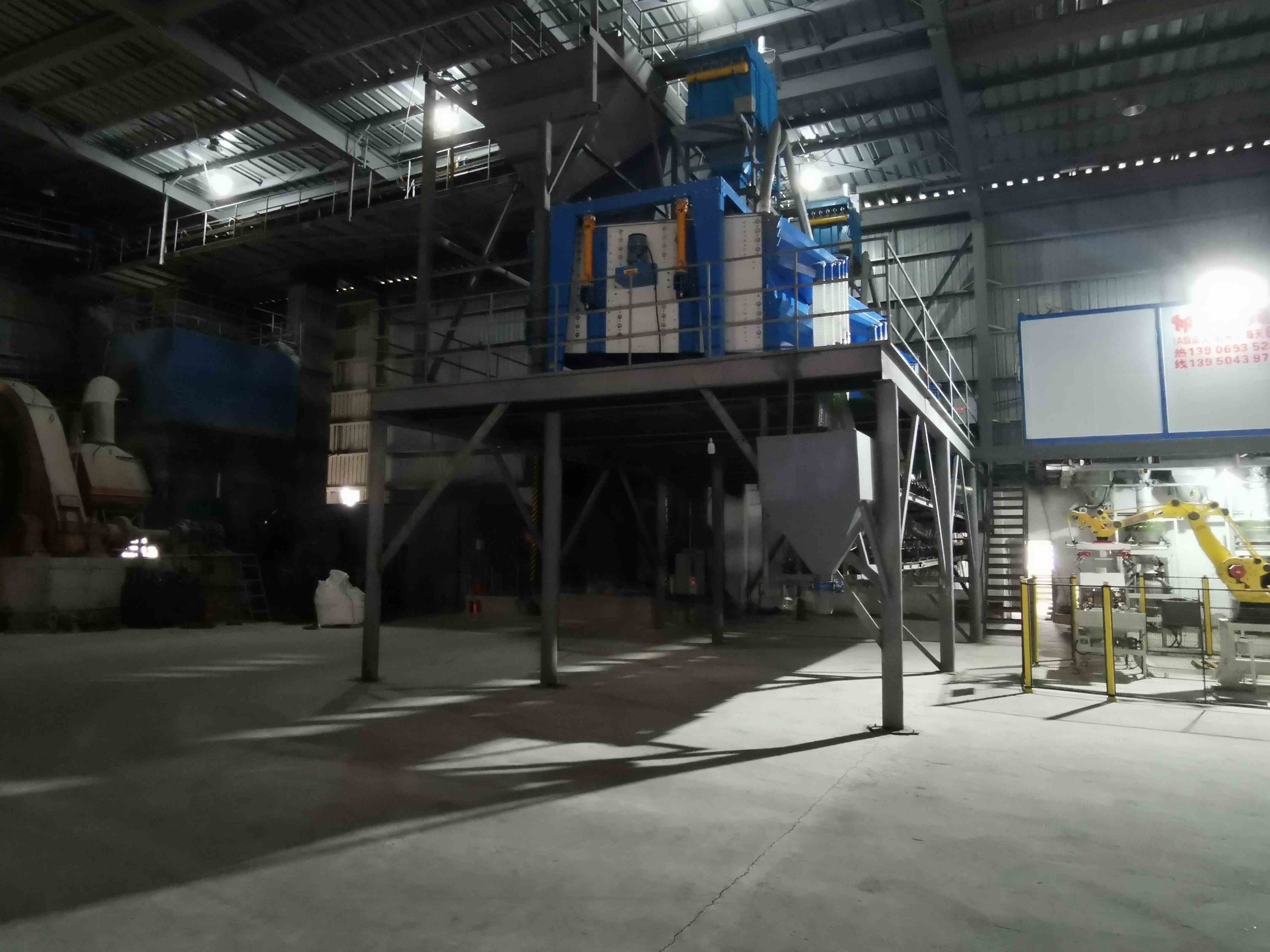
Chemical additives interact with cement particles during grinding or hydration, altering surface chemistry and reaction kinetics. These compounds are typically added in small dosages—often below 0.5% by weight of cement—yet they produce significant changes in processing efficiency and final product performance.
Grinding Aids
Grinding aids are introduced during the clinker milling stage to prevent particle agglomeration and reduce energy consumption. Common grinding aids include alkanolamines, glycols, and phenolic compounds. Their primary function is to neutralize electrostatic charges that form on cement particles, allowing the mill to operate more efficiently. In practice, grinding aids also improve the particle size distribution, which directly affects the hydration rate and early strength development of the cement.
Performance Enhancers
Performance enhancers—often based on amine or polycarboxylate chemistries—act on the hydration process itself. These compounds accelerate or retard the setting time, modify rheology, or increase the ultimate compressive strength. For instance, triethanolamine (TEA) is widely used as a strength enhancer in Portland cement, promoting the dissolution of aluminate phases and accelerating early hydration. The selection of a performance enhancer depends on the desired setting profile and the ambient conditions at the job site.
Mineral Additives: Enhancing Durability and Sustainability
Mineral additives, also known as supplementary cementitious materials (SCMs), are finely divided inorganic materials that react with portlandite (calcium hydroxide) to form cementitious compounds. Unlike chemical additives, mineral additives are used in larger proportions—often ranging from 5% to 70% of the total binder mass. They contribute to both the mechanical properties and the long-term durability of concrete while also reducing the environmental footprint of cement production.
Ground Granulated Blast Furnace Slag (GGBS)
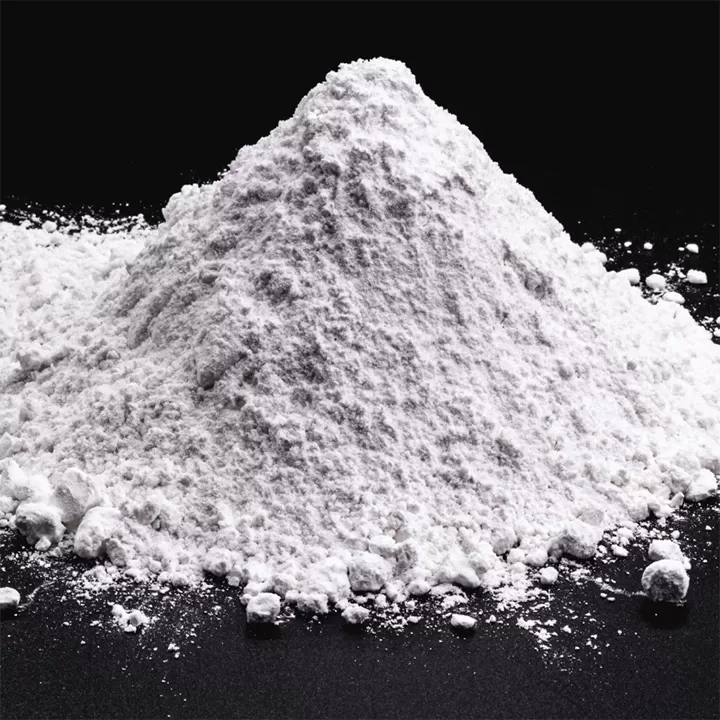
GGBS is a by-product of the iron-making industry, produced by quenching molten slag in water. The rapid cooling creates a glassy, amorphous structure with latent hydraulic properties. When activated by the alkaline environment of cement hydration, GGBS reacts to form calcium silicate hydrates (C-S-H) and other stable phases. Concrete containing GGBS exhibits lower heat of hydration, reduced permeability, and enhanced resistance to sulfate attack and chloride ingress. These characteristics make GGBS particularly suitable for mass concrete foundations, marine structures, and underground construction.
Fly Ash
Fly ash is a fine powder recovered from the flue gases of coal-fired power plants. Class F fly ash, which contains less than 7% calcium oxide, is pozzolanic and requires the presence of calcium hydroxide to form cementitious products. Class C fly ash, with higher calcium content, possesses both pozzolanic and cementitious properties. The spherical shape of fly ash particles improves the workability of fresh concrete, while the slow pozzolanic reaction contributes to long-term strength gain and densification of the microstructure.
Silica Fume
Silica fume is an ultrafine powder collected from the off-gases of silicon and ferrosilicon alloy production. With particles approximately 100 times finer than cement grains, silica fume provides a high specific surface area that accelerates the pozzolanic reaction. The result is a dense, impermeable concrete matrix with exceptional compressive strength and abrasion resistance. High-performance concrete mixes for bridges, high-rise buildings, and precast elements often rely on silica fume to achieve the required mechanical properties.
Limestone Filler
Limestone filler is a finely ground calcium carbonate powder that acts primarily as a physical filler in cement. While it does not participate directly in the hydration reaction, limestone filler improves the particle packing of the cementitious system, reducing void space and enhancing the rheology of fresh concrete. In combination with other SCMs, limestone filler can also promote the formation of carboaluminate phases, which contribute to early strength development.
Functional Additives: Addressing Specific Construction Challenges
Functional additives, often referred to as concrete admixtures, are incorporated at the concrete mixing stage to modify the properties of the fresh or hardened material. These types of cement additives are formulated to solve particular problems encountered during placement, finishing, or service life.
Water Reducers (Plasticizers and Superplasticizers)
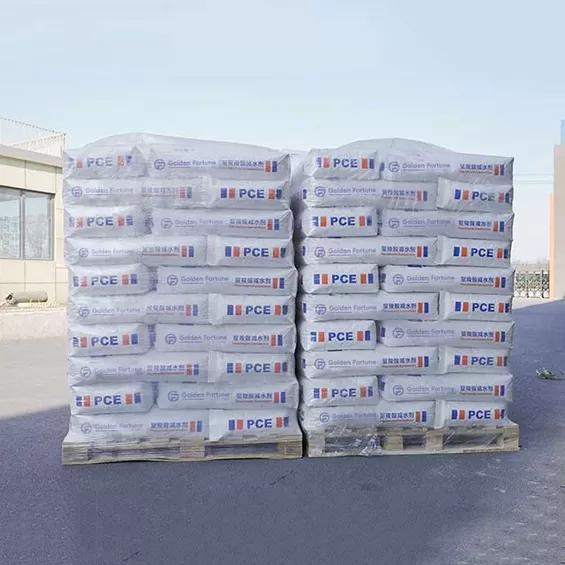
Water reducers are surface-active agents that disperse cement particles, reducing the amount of water required for a given slump. Conventional plasticizers reduce water demand by 5–10%, while superplasticizers (high-range water reducers) can achieve reductions of 20% or more. This water reduction translates directly to higher strength and lower permeability. Polycarboxylate ether (PCE) superplasticizers are the current industry standard, offering excellent retention of workability over extended periods.
Air-Entraining Agents
Air-entraining agents introduce a controlled system of microscopic air bubbles into the concrete matrix. These bubbles serve as pressure relief zones during freeze-thaw cycles, preventing the development of internal stresses that cause cracking and spalling. Air-entrainment also improves the resistance of concrete to de-icing salts and aggressive chemical exposure. The dosage of air-entraining agents must be carefully calibrated to achieve the target air content without compromising strength.
Set Retarders and Accelerators
Set retarders delay the hydration reaction, extending the workable life of concrete in hot weather or large-volume placements. Common retarders include lignosulfonates, hydroxycarboxylic acids, and sugars. Conversely, set accelerators—such as calcium chloride or calcium nitrate—shorten the setting time, enabling rapid formwork removal and early loading in cold climates. The choice between a retarder and an accelerator depends on the ambient temperature, the required placement rate, and the structural schedule.
Beyond these conventional categories, specialized additives address niche requirements: corrosion inhibitors protect embedded steel reinforcement, shrinkage-reducing admixtures mitigate drying shrinkage cracks, and viscosity-modifying agents control the stability of self-compacting concrete. The expanding portfolio of available additives reflects the growing sophistication of concrete technology.
Selection Criteria for Cement Additives in Industrial Applications
Choosing the appropriate types of cement additives requires a systematic evaluation of project parameters, material compatibility, and performance targets. No single additive formulation works optimally across all conditions; the selection process must account for the following factors:
- Cement chemistry: The phase composition of the base cement—particularly the C3A and C4AF content—influences how additives interact with the hydration system. High C3A cements respond differently to certain grinding aids and set retarders compared to low C3A formulations.
- Ambient and service conditions: Temperature, humidity, and exposure to aggressive agents (such as sulfates, chlorides, or carbon dioxide) dictate which additives provide the necessary protection and durability.
- Placement and curing methods: Pumping distance, formwork pressure, and curing regime all affect the required rheological properties and setting behavior. Additives must be selected to support the specific logistics of the construction operation.
- Regulatory and sustainability requirements: Environmental certifications, such as LEED or BREEAM, often mandate the use of recycled or low-carbon materials. Mineral additives like GGBS and fly ash directly contribute to these goals by reducing the clinker factor of the cement.
- Compatibility between additives: When multiple additives are combined—for example, a superplasticizer with an air-entraining agent—their interaction must be validated through laboratory testing to avoid antagonistic effects that compromise performance.
For industrial-scale projects, the additive selection process often begins with a thorough characterization of the available raw materials, followed by trial batches that simulate the actual production and placement conditions. This iterative approach ensures that the final concrete mix meets all mechanical, durability, and workability specifications without unexpected deviations.
Suppliers with deep technical expertise in the types of cement additives can provide invaluable support during this evaluation phase. Golden Fortune offers a comprehensive range of high-quality GGBS products and technical consultation services, assisting clients in optimizing their concrete formulations for both performance and sustainability.
The decision to incorporate specific additives also involves an assessment of the supply chain reliability and quality consistency. Variability in additive composition—whether due to raw material fluctuations or manufacturing processes—can produce inconsistent concrete behavior. Partnering with established producers who maintain strict quality control protocols mitigates this risk and ensures reproducible results across multiple batches.
Frequently Asked Questions
Q1: What are the main types of cement additives used in concrete production?
A1: The primary categories are chemical additives (grinding aids, performance enhancers), mineral additives (GGBS, fly ash, silica fume, limestone filler), and functional admixtures (water reducers, air-entraining agents, set retarders, and accelerators). Each category addresses distinct performance aspects, from grinding efficiency to long-term durability.
Q2: How do chemical additives differ from mineral additives in terms of function and dosage?
A2: Chemical additives are used in small quantities (typically below 1% by weight of cement) and modify surface chemistry or hydration kinetics. Mineral additives are used in larger proportions (5–70% of binder) and contribute to the formation of additional cementitious phases through pozzolanic or latent hydraulic reactions. Their mechanisms and dosage ranges are fundamentally different.
Q3: What role does GGBS play as a mineral additive in cement?
A3: Ground granulated blast furnace slag (GGBS) is a latent hydraulic material that reacts with calcium hydroxide to form stable C-S-H phases. It reduces the heat of hydration, lowers permeability, and enhances resistance to sulfate and chloride attack. Concrete with GGBS also exhibits improved long-term strength and a reduced carbon footprint. Golden Fortune supplies premium GGBS products tailored for demanding construction environments.
Q4: Can different types of cement additives be combined in a single concrete mix?
A4: Yes, multiple additives are often combined to achieve synergistic effects. For example, a superplasticizer may be used alongside a mineral additive like silica fume to produce high-strength, self-compacting concrete. However, compatibility must be verified through trial batches, as some combinations can lead to unintended interactions—such as air-entraining agents losing effectiveness in the presence of certain superplasticizers.
Q5: What factors should guide the selection of cement additives for a specific project?
A5: Key factors include the chemistry of the base cement, ambient and service conditions, placement logistics, regulatory requirements, and additive compatibility. A structured evaluation process—starting with material characterization and progressing through pilot-scale testing—helps identify the optimal additive combination for each project. Technical support from experienced suppliers can streamline this decision-making process.
Q6: Are there any limitations to using high volumes of mineral additives in cement?
A6: While mineral additives offer significant durability and sustainability benefits, high replacement levels can slow early strength development, particularly in cold weather. The pore solution chemistry also changes with high SCM content, which may affect the passivation of reinforcing steel. These limitations are well understood and can be managed through careful mix design and the use of supplementary chemical accelerators when necessary.
For project-specific guidance on selecting the appropriate types of cement additives and optimizing concrete performance, the team at Golden Fortune offers tailored technical support. Submit your inquiry through our website to discuss your material requirements, application conditions, and performance targets with our engineering specialists.