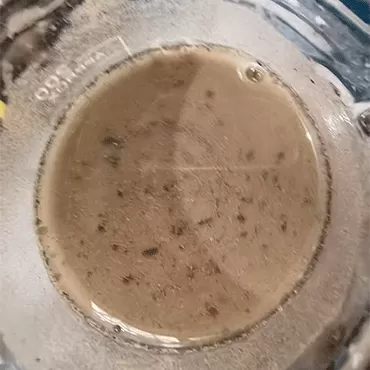
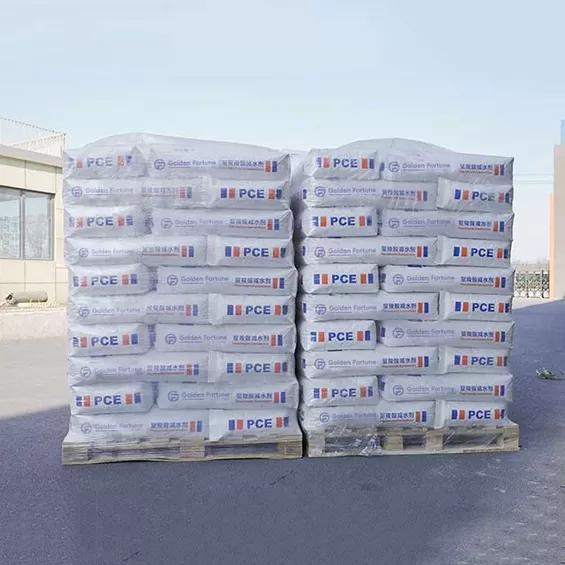
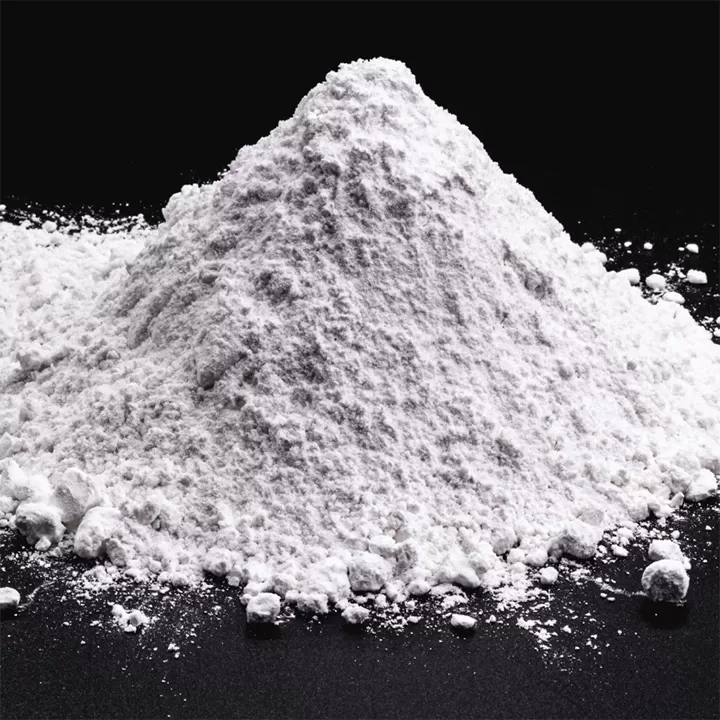
Concrete technology requires precise control over the setting time of cement paste to accommodate transport, placement, and finishing operations. The rate at which cement hydrates is highly sensitive to ambient temperature, mix design, and water-to-binder ratios. Under elevated temperatures, rapid setting can lead to poor compaction, cold joints, and reduced strength. Utilizing chemical admixtures that slow down this initial reaction provides ready-mix producers and civil engineers with the necessary window to place and consolidate structural elements. Ground granulated blast-furnace slag (GGBS) supplied by specialists like Golden Fortune often works alongside these chemical agents to manage thermal profiles in major projects. Understanding the mechanical and chemical principles behind the use of retarder in concrete is important for maintaining quality standards in infrastructure development.
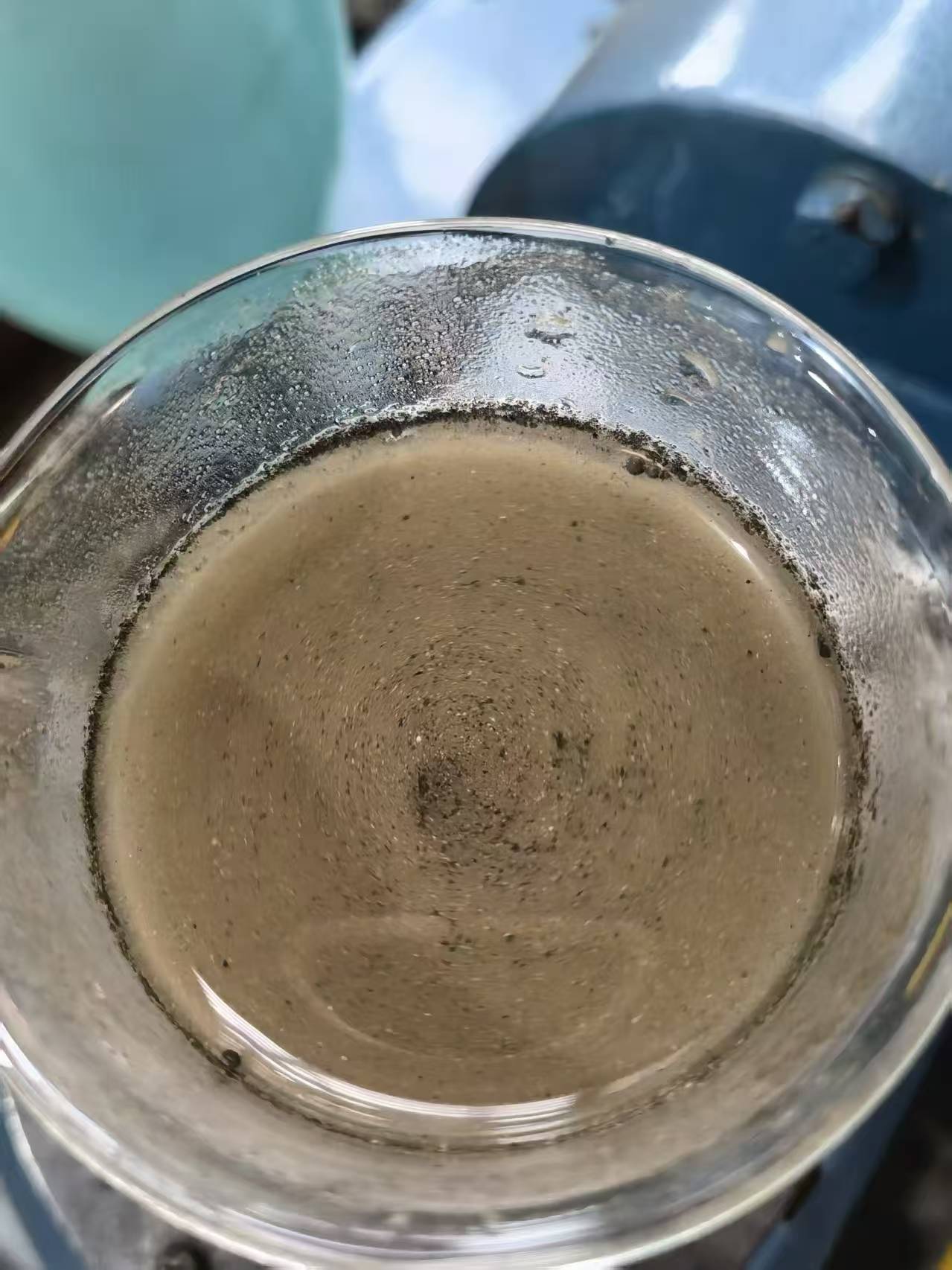
Mechanisms of Action: How Retarders Control Cement Hydration
Chemical retarders delay the initial setting of cement by slowing down the hydration kinetics of the aluminate (C3A) and silicate (C3S) phases. When cement particles come into contact with water, dissolution begins immediately, leading to the formation of calcium silicate hydrate (C-S-H) gel and calcium hydroxide crystals. Retarders, which are typically composed of soluble organic substances such as lignosulfonates, hydroxycarboxylic acids, or simple sugars, interfere with this crystallization process through several pathways:
- Surface Adsorption: The active molecules of the retarder adsorb onto the surfaces of the hydrating cement grains. This forms a physical barrier that limits the access of water molecules to the anhydrous cement surface, slowing down dissolution.
- Nucleation Inhibition: Retarder molecules can poison the nuclei of C-S-H and calcium hydroxide, preventing these crystals from growing to the size necessary to form a rigid structural network.
- Calcium Complexation: Certain organic compounds chelate calcium ions in the aqueous phase, reducing the concentration of free calcium ions available to precipitate as calcium hydroxide or C-S-H gel.
This delay is temporary. Eventually, the retarder is either incorporated into the hydration products or broken down by the highly alkaline pore solution, allowing hydration to proceed normally. The chemical design of these admixtures ensures that once the retardation period ends, the rate of strength gain is comparable to a non-retarded concrete mix. Implementing the use of retarder in concrete therefore allows for predictable open times without compromising the structural properties of the cured material.
Industrial Applications: Where Setting Control is Necessary
Concrete placement is a complex process, particularly when dealing with intricate structural geometries or remote construction sites. The use of retarder in concrete is standard practice across several specific scenarios:
- Hot Weather Concreting: High ambient temperatures accelerate the hydration reaction, causing rapid slump loss and accelerated setting. Retarders offset this temperature effect, keeping the concrete workable during transit and placement.
- Mass Concrete Pours: Large structures, such as dam foundations, bridge piers, and thick raft foundations, generate substantial internal heat due to exothermic cement hydration. Retarders help distribute this heat release over a longer period, reducing thermal gradients and preventing thermal cracking.
- Extended Haul Times: In urban environments or remote infrastructure projects, transit mixers may face prolonged travel times. Retarders prevent the concrete from setting in the drum before reaching the discharge point.
- Slipform and Continuous Poured Structures: For vertical structures built using slipforming techniques, the concrete must remain plastic enough to allow the formwork to move upward without tearing the curing concrete.
By extending the window of workability, ready-mix suppliers can avoid the premature stiffening that leads to honeycomb formations, void spaces, and structural vulnerabilities.
Synergy with GGBS and Pozzolanic Materials
Modern sustainable concrete formulations rely on supplementary cementitious materials (SCMs) to reduce the clinker factor and improve durability. Ground Granulated Blast-furnace Slag (GGBS), provided by Golden Fortune, is highly effective in this regard. Slag cement exhibits a slower rate of hydration compared to pure Portland cement, which inherently provides some level of retarding effect.
When combining GGBS with chemical retarders, the chemical compatibility between the mineral admixture and the chemical agent must be carefully evaluated. The use of retarder in concrete that contains high percentages of GGBS requires dosage adjustments. Because slag reduces the initial concentration of calcium hydroxide in the pore solution, the addition of organic retarders can lead to extended setting times beyond what is planned.
- Controlled Thermal Profiles: The combination of GGBS and a chemical retarder is effective for mass concrete, as it reduces both the peak temperature and the rate of temperature rise.
- Enhanced Durability: Slag refines the pore structure, while the retarder ensures proper compaction and consolidation, leading to a denser, more impermeable concrete matrix resistant to chemical ingress.
- Slump Maintenance: In high-strength concrete mixes with low water-binder ratios, the combined action of GGBS and a retarding plasticizer ensures sustained workability without requiring additional water, preserving the target compressive strength.
Formulation Design, Dosage Control, and Potential Complications
Achieving the desired setting delay requires precise batching and a thorough understanding of the factors that influence retarder performance. Underdosage can result in premature stiffening, while overdosage can lead to excessive delays in set times, sometimes extending into several days. Factors influencing the effectiveness of the use of retarder in concrete include:
- Cement Composition: The tricalcium aluminate (C3A) and alkali content of the cement significantly influence retarder behavior. High-alkali cements generally require higher dosages of retarder to achieve the same delay.
- Ambient and Mix Temperatures: Higher temperatures require higher retarder dosages to counteract the natural acceleration of the hydration reaction.
- Addition Time: Introducing the retarder with the mixing water is standard practice. Adding it slightly later in the mixing process can increase its retarding effect, requiring strict quality control in ready-mix plants.
- Compatibility with Other Admixtures: Retarders are often combined with superplasticizers or air-entraining agents. Pre-construction trial mixes are necessary to verify that these components do not interact negatively to cause segregation or excessive bleeding.
When overdosage occurs, concrete remains in a plastic state for an extended duration. During this period, evaporation must be controlled to prevent plastic shrinkage cracking, and the structure must remain free from vibration to avoid internal shear failures.

Inquiries and Engineering Support
Developing concrete mixes for demanding environments requires reliable raw materials and precise chemical balancing. As a supplier of ultra-fine GGBS and mineral components, Golden Fortune works with ready-mix concrete producers and infrastructure developers to optimize mix designs. If you are designing high-performance mixes, managing mass concrete pours, or encountering workability challenges in hot climates, our engineering team can assist you in selecting the appropriate supplementary cementitious materials to complement your chemical admixture strategies. Please contact us to discuss your project specifications and receive product data sheets.
Frequently Asked Questions
Q1: How does the use of retarder in concrete affect the 28-day compressive strength?
A1: When used at the correct dosage, retarders do not adversely affect 28-day compressive strength. In fact, by allowing more uniform hydration and better compaction of the concrete mix, the final strength is often slightly higher than that of an identical non-retarded mix, provided proper curing is maintained.
Q2: Can concrete retarders be used in combination with GGBS?
A2: Yes, they are frequently used together, especially in mass concrete and hot-weather applications. Since GGBS already slows down hydration, the dosage of the chemical retarder should be adjusted through trial mixes to prevent excessive setting delays.
Q3: What happens if a concrete mix is severely over-retarded?
A3: Severe over-retardation delays the setting time for days, leaving the concrete in a plastic state. During this period, the concrete must be protected from drying out and vibrating. In most cases, once the hydration process eventually begins, the concrete will still gain its design strength, provided proper curing is maintained.
Q4: Does the type of cement affect the dosage of the retarder?
A4: Yes. Cements with higher C3A or alkali content react faster and typically require higher dosages of retarders. Similarly, blended cements containing fly ash or GGBS require different dosage rates compared to ordinary Portland cement (OPC).
Q5: Are organic retarders compatible with superplasticizers?
A5: Many modern admixtures are formulated as combination products, such as retarding superplasticizers. However, if added separately, compatibility must be verified via laboratory testing to avoid issues like rapid slump loss or excessive air entrainment.