Ultra-High Performance Concrete represents one of the most significant leaps in structural engineering over the last fifty years. With compressive strengths exceeding 150 MPa and exceptional durability, this advanced composite lets designers create slender, long-span structures with minimal material consumption.
Yet, traditional formulations face a clear sustainability issue. Conventional mixtures rely on massive dosages of ordinary Portland cement, generating an unsustainable carbon footprint that clashes with modern climate regulations.
To resolve this tension, material engineers turn toward ground granulated blast-furnace slag (GGBS). By substituting clinker with this industrial byproduct, the sector is transforming high-performance engineering into a pillar of green construction.
Are you looking to reduce embodied carbon without compromising on structural strength? Contact the Golden Fortune technical team today to explore custom material formulations and raw material sourcing for your next project.
The Carbon Paradox of Traditional UHPC: Why the Industry Needs a Shift
The Heavy Carbon Footprint of Cement in UHPC
Standard concrete formulations generally consume 300 to 400 kg of cement per cubic meter. In stark contrast, early UHPC formulations require between 800 and 1,100 kg/m³ of Portland cement to achieve their target mechanical density.
Producing one metric ton of clinker releases roughly 0.8 to 0.9 tons of carbon dioxide through limestone calcination and high-temperature fossil fuel combustion. As a result, the embodied carbon of raw UHPC can exceed 900 kg CO₂e/m³.
Engineers face a paradox: while the material saves volume by permitting thinner structural sections, its high binder intensity often negates these net lifecycle benefits.
Global Green Building Mandates
Policy frameworks across North America, Europe, and Asia now penalize materials with excessive environmental impacts. Municipalities increasingly enforce lifecycle assessment (LCA) benchmarks under frameworks like the EU Taxonomy and Buy Clean regulations in the United States.
Major international green building systems—such as LEED v4.1 and BREEAM—reward projects that demonstrate radical reductions in Global Warming Potential (GWP) via product-specific Environmental Product Declarations (EPDs).
Structural specifiers cannot justify using clinker-heavy mixes when sustainable alternatives exist. The industrial mandate is clear: decarbonize the matrix or face exclusion from premier public and private tenders.
The Synergy: How GGBS Mechanically and Chemically Enhances UHPC
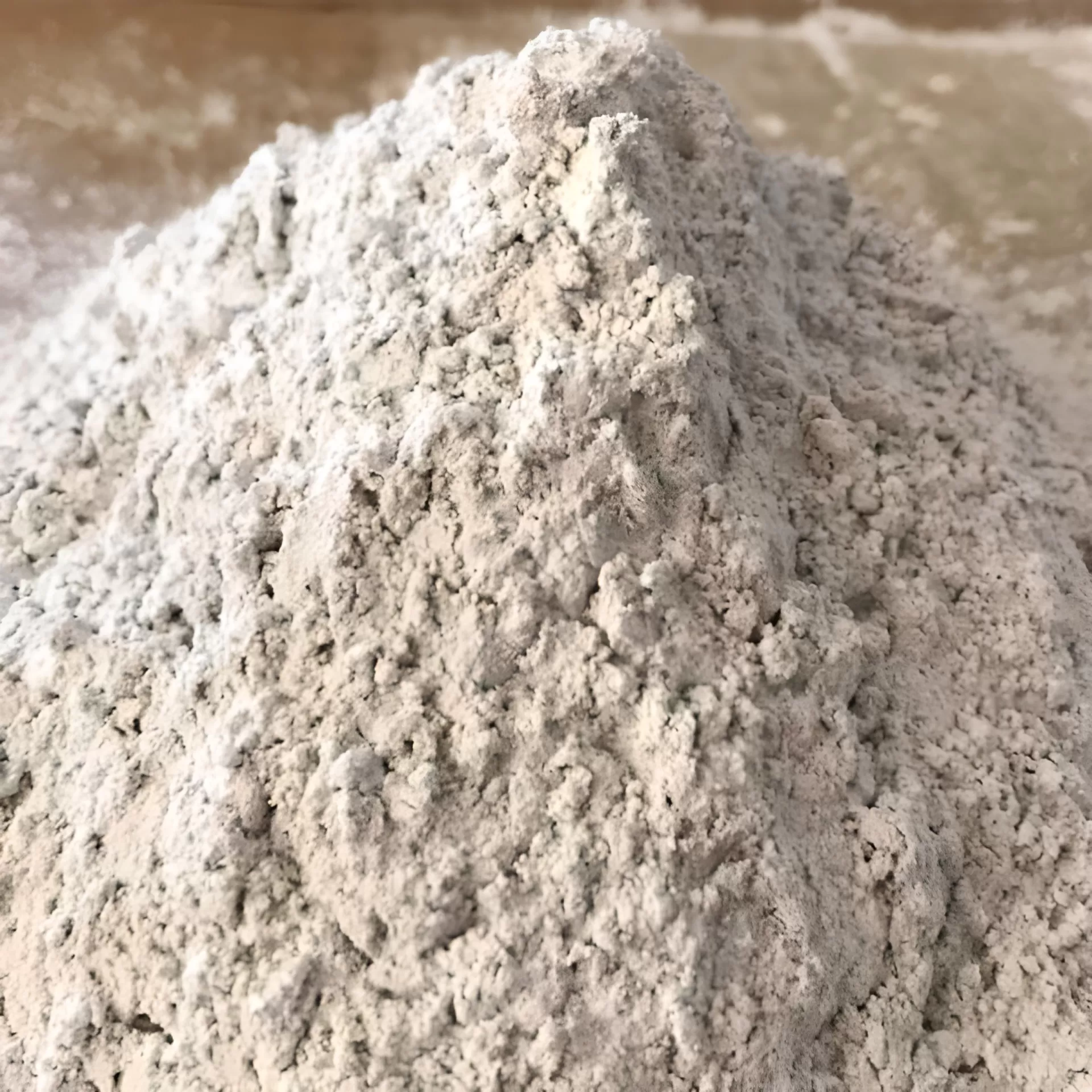
Ground granulated blast-furnace slag is a glass-rich secondary product derived from the water-quenching of molten iron in blast furnaces. When processed according to rigorous specifications like ASTM C989, it exhibits latent hydraulic properties that make it far more than an inert filler.
Microstructural Densification & Pozzolanic Reaction
In low water-to-binder systems, typically designed at ratios between 0.16 and 0.20, substantial volumes of Portland cement remain unhydrated. These unreacted grains act simply as expensive, high-carbon micro-aggregates.
When GGBS replaces a significant portion of this cement, it reacts with the free calcium hydroxide (portlandite) generated during clinker hydration. This secondary pozzolanic and hydraulic reaction forms additional calcium silicate hydrate (C-S-H) gel:
- Refining pore networks: It converts wide capillary voids into non-connected micro-pores below 10 nanometers.
- Upgrading the Interfacial Transition Zone (ITZ): The boundary between hard aggregates and the binder matrix becomes denser and mechanically homogeneous.
- Sustained strength gain: While early 24-hour hydration proceeds at a measured pace, continuous formation of secondary C-S-H yields UHPC compressive strength values that match or surpass 100% Portland mixtures at 56 and 90 days.
Rheology and Workability Optimization
Portland cement particles feature angular, jagged shapes that increase inter-particle friction in low-water environments. This friction requires high dosages of polycarboxylate ether (PCE) superplasticizers to maintain workability.
High-grade GGBS particles possess smooth surface characteristics and favorable morphological packing behaviors. Incorporating them into the blend improves rheological stability.
The resulting mixtures show lower yield stress and plastic viscosity. Labor teams can place self-consolidating, fiber-reinforced mixes around congested rebar cages with minimal vibration, eliminating surface honeycombing and structural defects.
Long-term Durability and Heat of Hydration
Massive cement contents produce severe autogenous shrinkage and intense thermal spikes during early-stage curing. Internal core temperatures in thick sections can exceed 70°C, inducing micro-cracks that compromise structural integrity.
GGBS releases hydration heat much slower than pure clinker. This dampens peak thermal stress and lowers the risk of early micro-cracking.
Furthermore, slag-modified binder matrices exhibit near-zero electrical conductivity and negligible ionic diffusion rates. Tests conducted under ASTM C1202 indicate that chloride ion penetrability drops down to negligible levels, protecting interior steel fibers from corrosion throughout centuries of service.
Economic and Environmental Value: Meeting Green Building Standards
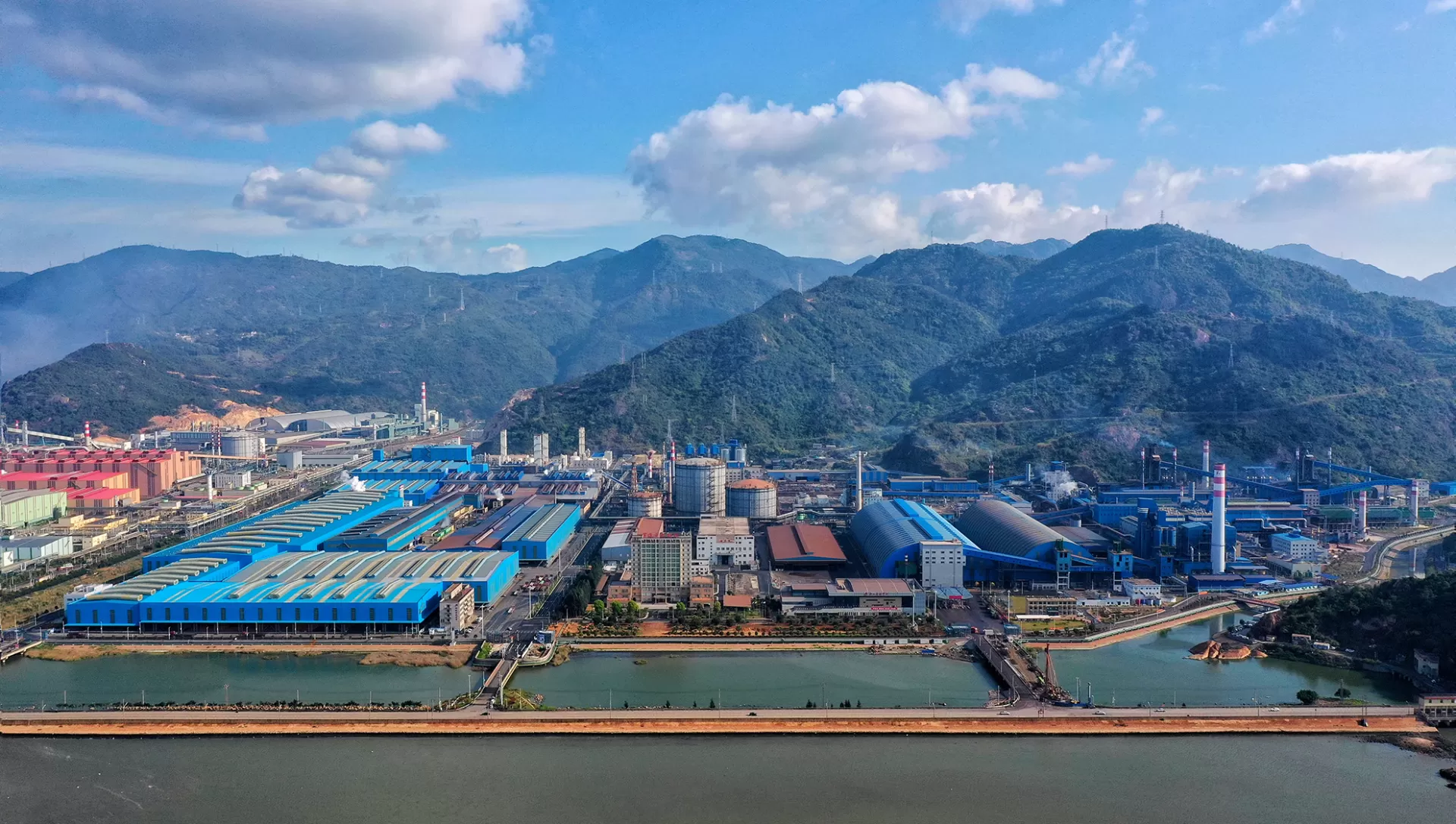
At Golden Fortune, technical evaluations confirm that integrating industrial pozzolans produces substantial financial and ecological returns for precast producers and project owners alike.
Slashing Embodied Carbon by 30%-50%
Replacing 30% to 60% of ordinary Portland cement with slag yields an immediate drop in cradle-to-gate carbon emissions. Because blast-furnace slag bears only the emissions related to drying, grinding, and logistics, its GWP is a tiny fraction of clinker's footprint.
A standard mix with 950 kg/m³ of pure cement generates roughly 850 kg CO₂/m³. Substituting 50% of the cementitious mass with GGBS reduces this emission level to 450–520 kg CO₂/m³, without requiring adjustments to the silica fume or quartz flour content.
This deep decarbonization allows suppliers to bid confidently on infrastructure projects with strict carbon ceilings.
Maximizing LEED and BREEAM Credits
Using green UHPC impacts multiple credit pathways under modern sustainability rating programs:
- Building Life-Cycle Impact Reduction: Whole-building LCA calculations benefit from the combined effect of reduced cross-sectional thicknesses and low-emission binders.
- Responsible Sourcing & Raw Material Ingredients: Utilizing significant volumes of industrial byproducts fulfills post-industrial recycled material criteria.
- Environmental Product Declarations: Sourcing raw materials from verified vendors simplifies the process of securing Type III, verified EPDs.
Cost-Efficiency in Mass Production
Portland clinker prices continue to rise due to emission trading schemes, carbon taxes, and volatile fuel markets. In regions with established industrial ecosystems, GGBS offers a favorable raw material cost per metric ton compared to specialty Portland cements.
Precast yards and specialized dry-mix producers optimize batch expenditure while consuming less high-cost PCE superplasticizer. Consequently, green UHPC transitions from a niche luxury to an economically sound alternative for large-scale fabrication.
Global Market Trends & Real-World Applications of Green UHPC
Sustainable Infrastructure & Bridges
Transportation authorities in North America, Japan, and Europe use slag-rich UHPC for bridge deck overlays, seismic link joints, and precast pre-stressed bridge girders.
By specifying high-durability mixtures, bridge designers can double the maintenance-free service intervals of transport corridors to 75 or even 100 years. This approach eliminates the continuous traffic disruptions and high costs associated with traditional deck repairs.
Architectural Facades & Thin-Shell Structures
Modern architecture embraces lightweight, rainscreen facade panels that mimic natural stone while measuring merely 15 to 30 millimeters in thickness.
GGBS provides a lighter, consistent, off-white background coloration compared to dark ordinary Portland cement. This aesthetic allows architects to use pigments efficiently and achieve crisp, uniform finishes on expansive, complex facades.
Offshore and Marine Engineering
Subsea foundations, tidal energy anchors, and splash-zone marine piles face aggressive sulfate and chloride environments. Standard concrete suffers rapid chemical attack, requiring frequent retrofits.
Slag-rich UHPC blends bind free chlorides within hydrotalcite-like chemical phases while resisting sulfate-induced expansion. The resulting composite provides durable protection for offshore wind turbine jackets and deep-water mooring elements.
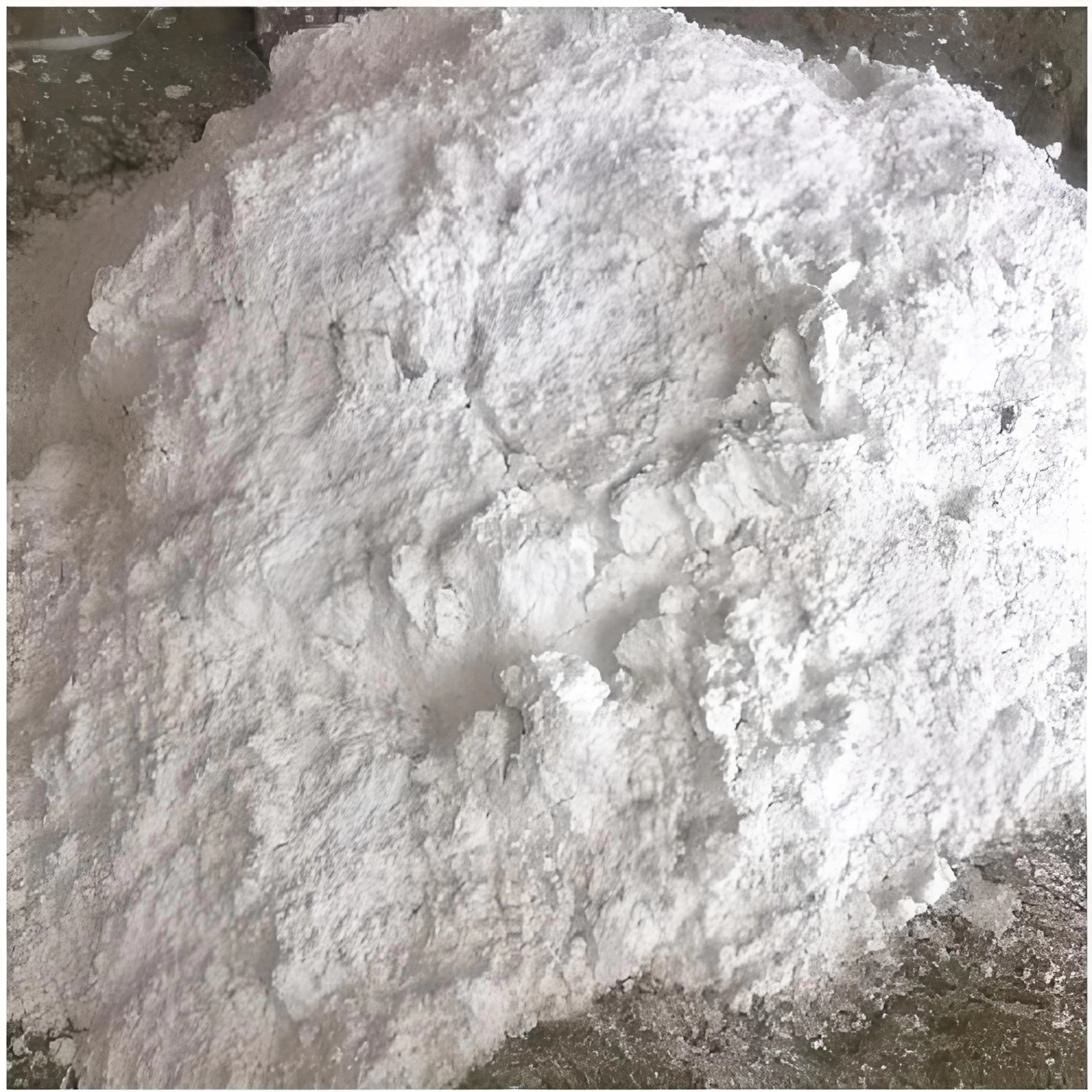
Overcoming Technical Challenges: Quality Control and Curing Regimes
Deploying high-slag formulations requires specialized technical supervision. GGBS hydrates slower than pure clinker under ambient conditions, which can delay stripping times in precast production plants.
To avoid production delays, engineers implement clear operational adjustments:
- Thermal Curing Optimization: Applying low-pressure steam curing (60°C to 80°C) during the initial 24 to 48 hours accelerates slag activation, rapidly generating target demolding strengths.
- Particle Size Engineering: Specifying highly ground slag with Blaine fineness values between 450 and 600 m²/kg maintains rapid hydration kinetics without expanding water requirements.
- Chemical Activation: Introducing trace amounts of non-chloride accelerators, such as soluble silicates or ultrafine calcium carbonate nanoparticles, nucleates early hydration crystals.
Strict quality assurance protocols must verify consistent glass content (greater than 90%) and moisture limits on every incoming raw shipment to prevent viscosity variations across production runs.
Frequently Asked Questions (FAQ)
Q1: What is the maximum recommended replacement rate of cement by
GGBS in UHPC?
A1: Standard practices support cement
replacement rates between 30% and 50% by weight without reducing long-term
28-day and 90-day targets. Under tailored heat-curing or when using
high-fineness slag, specialized applications can achieve replacement levels up
to 60% while maintaining target compressive ratings above 150 MPa.
Q2: How does GGBS affect the early-age compressive strength of
UHPC?
A2: Ambient-cured GGBS mixtures generally
exhibit lower compressive strength within the first 24 to 48 hours compared to
pure Portland mixes. However, precast manufacturers routinely counter this with
warm-water baths, accelerated steam curing, or high-fineness seed slurries to
meet daily demolding requirements.
Q3: Does using GGBS change the demand for water and chemical
admixtures?
A3: Slag particles generally improve
rheology due to their smooth surface texture and low water absorption. This
allows mix designers to maintain or slightly reduce polycarboxylate ether (PCE)
dosages while keeping target slump-flow spreads between 650 mm and 750 mm.
Q4: How does slag enhance the durability of concrete in marine
environments?
A4: Slag consumes free calcium
hydroxide to create an ultra-dense C-S-H microstructure that eliminates
connected capillary pores. This dense matrix blocks chloride and sulfate ions
from penetrating the concrete, preventing internal steel fiber corrosion and
chemical deterioration.
Q5: Can green UHPC with GGBS achieve certified LEED
credits?
A5: Yes. By cutting embodied carbon by up
to 50% and incorporating heavy fractions of post-industrial byproducts, green
mixes contribute directly to Materials and Resources (MR) credits under LEED v4
and v4.1, including Environmental Product Declarations and Sourcing of Raw
Materials.
Conclusion & The Future of Sustainable UHPC
The global construction industry cannot afford to treat high performance and sustainability as conflicting priorities. Incorporating GGBS into advanced concrete matrix design proves that extreme strength, workability, and environmental responsibility can complement one another.
By turning an industrial byproduct into a primary binder, the engineering sector is modernizing the material for twenty-first-century green construction. These advanced composites slash embodied carbon, improve long-term durability, and deliver cost-effective performance across demanding infrastructure, architectural, and offshore projects.
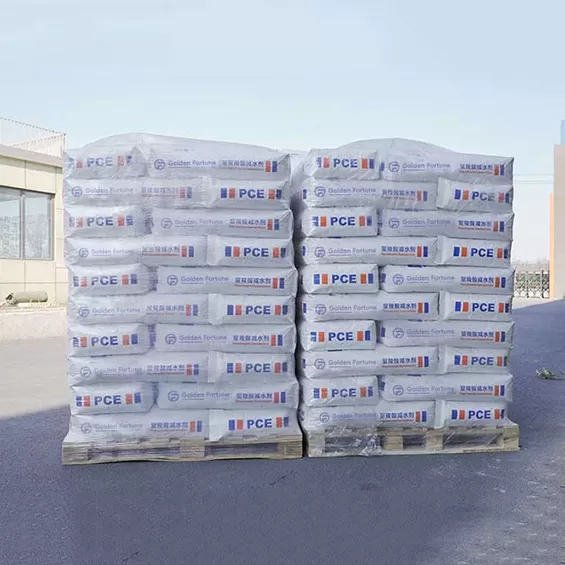
Partnering with an experienced raw materials and mineral provider ensures that your blends hit precise physical, rheological, and environmental metrics. Golden Fortune supplies premium-grade mineral additives, technical consulting, and batching solutions tailored to meet stringent structural requirements.
Ready to formulate low-carbon UHPC for your next development? Connect with the engineering specialists at Golden Fortune today. Inquire through our technical contact portal to request detailed test reports, acquire material samples, and optimize your mix formulations for maximum performance.