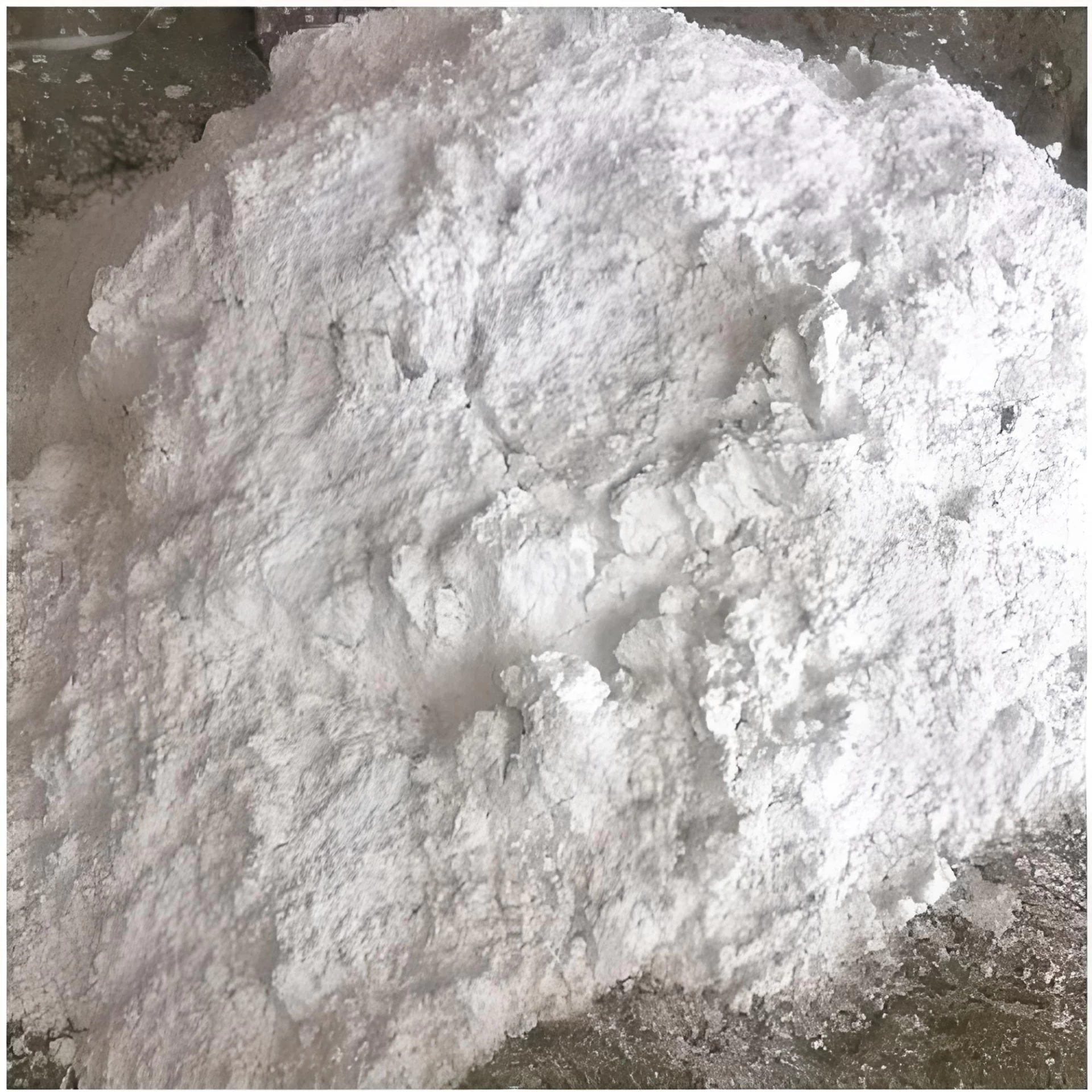
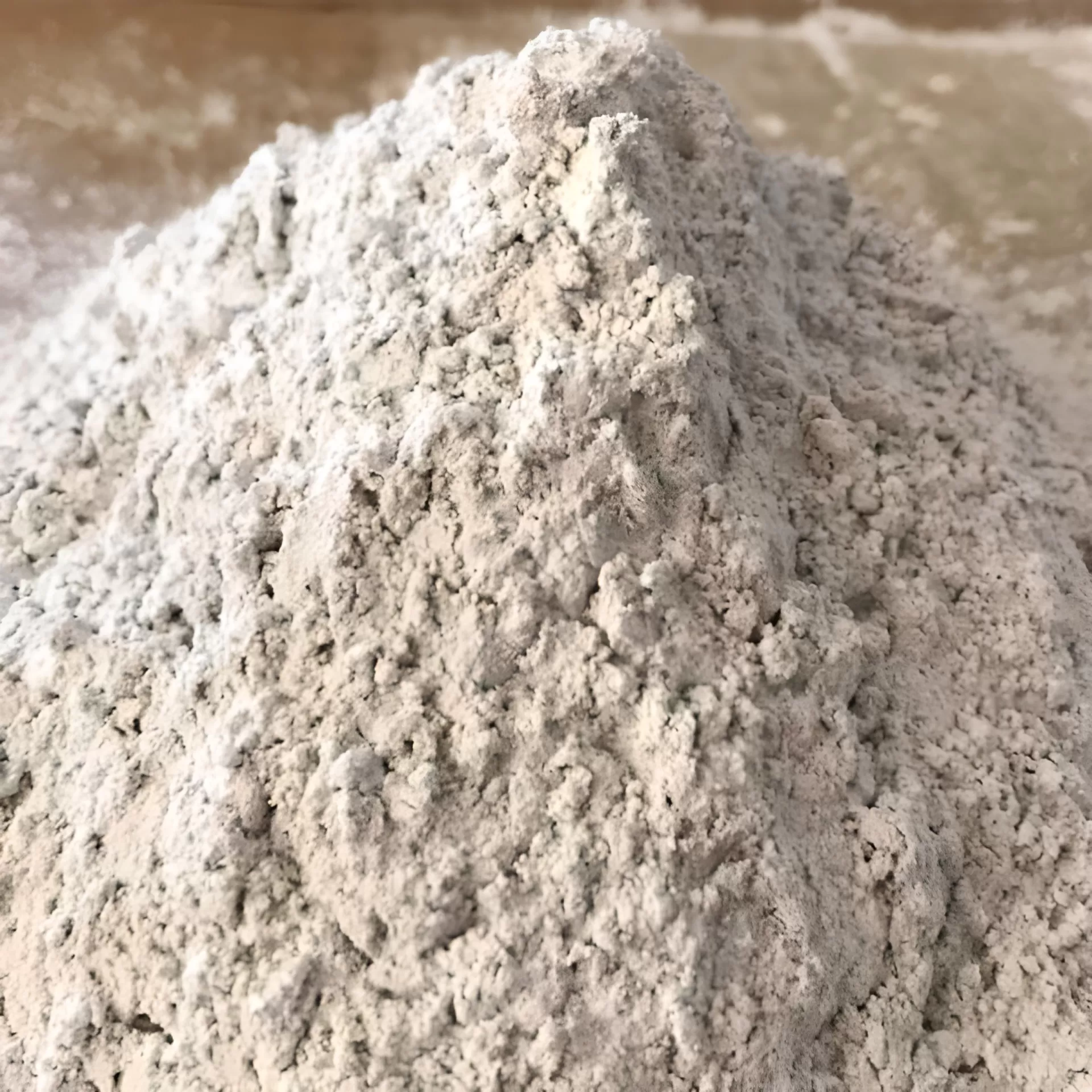
Modern infrastructure projects demand higher durability, reduced thermal cracking, and lower carbon footprints. Meeting these strict specifications requires smart mix design adjustments. Ground Granulated Blast-Furnace Slag (GGBS) has become an essential component in contemporary ready-mix production.
For civil engineers, structural consultants, and project managers, using GGBS is no longer just an environmental choice. It is a strategic technical decision. If you are planning your next commercial development or civil infrastructure phase, contact Golden Fortune today to discuss custom mix designs and secure dependable batch deliveries.
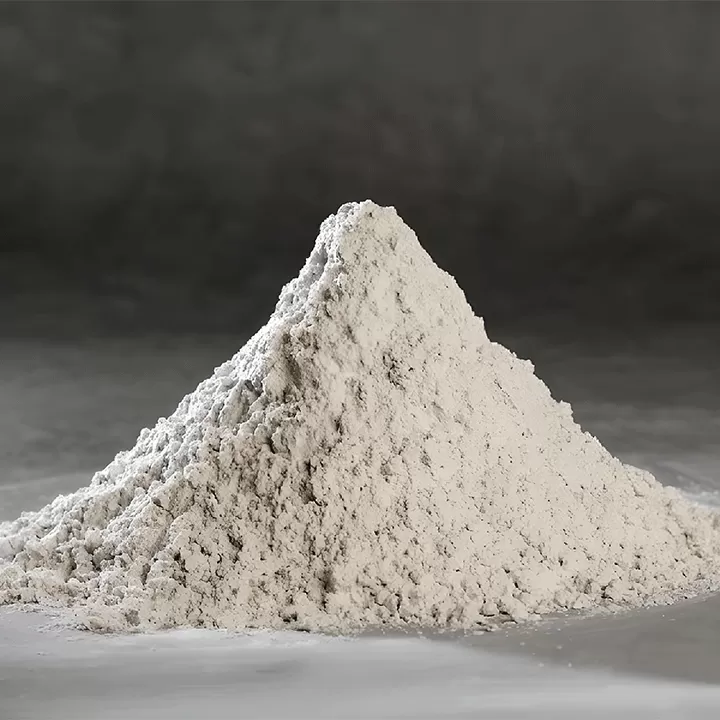
Understanding GGBS: Origin and Material Chemistry
GGBS is a hydraulic binder produced as a byproduct of iron manufacturing. Blast furnaces melt iron ore, coke, and limestone fluxes at temperatures reaching 1500 degrees Celsius. The resulting molten slag floats on top of the liquid iron.
Technicians separate this slag and immediately quench it with high-pressure water jets. This rapid cooling process is known as granulation. Rapid quenching prevents crystallization, producing a glassy, granular material packed with latent hydraulic properties.
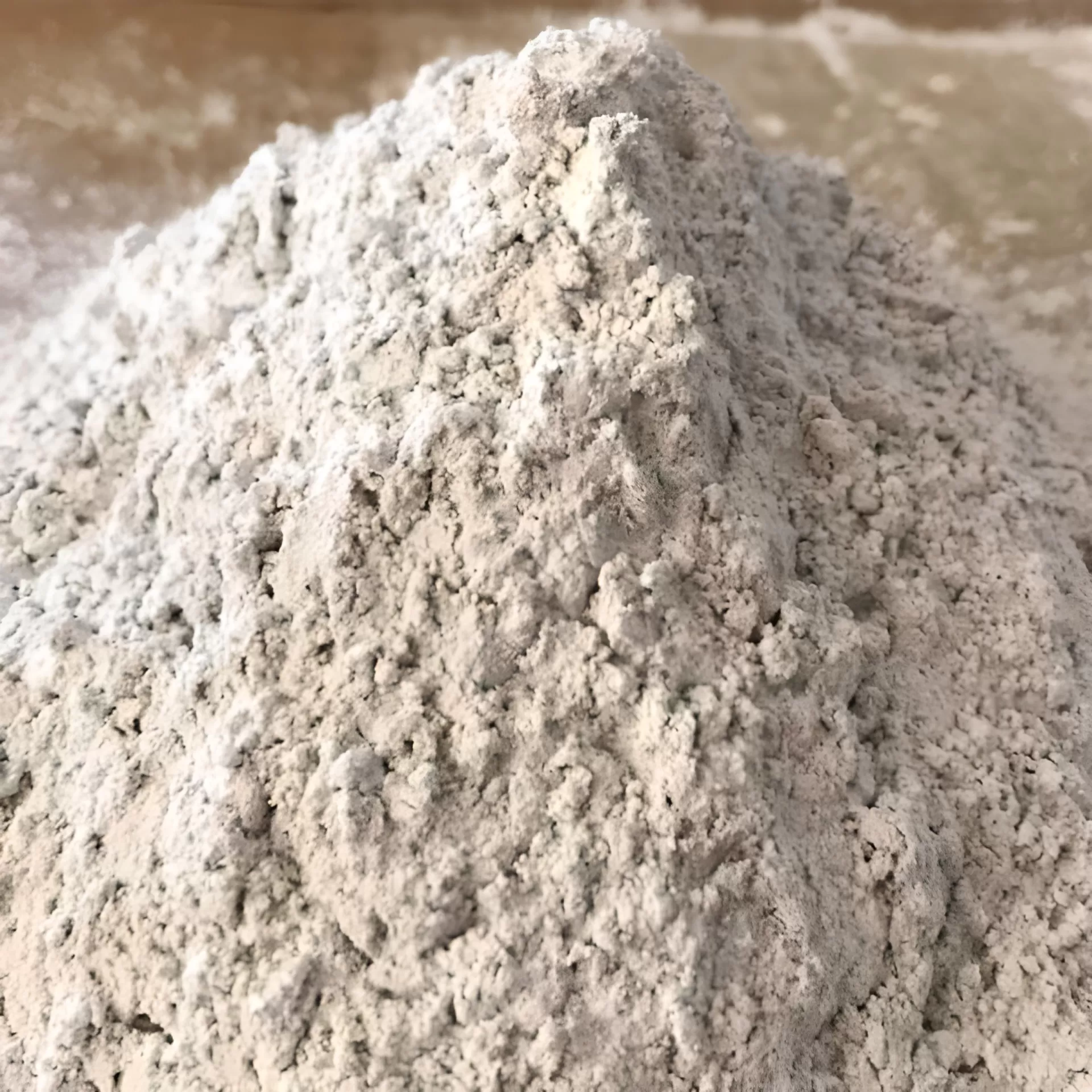
The quenched granules are dried and ground down to a fine powder in ball mills or vertical roller mills. The resulting powder is much finer than standard Portland cement, usually exceeding 350 to 450 m²/kg in specific surface area according to ASTM C989 standard specifications.
The primary chemical constituents of GGBS include:
- Calcium Oxide (CaO): Typically 30% to 45%, providing the necessary basicity for cementitious reactions.
- Silicon Dioxide (SiO₂): Around 30% to 38%, which fuels the secondary hydration mechanism.
- Aluminum Oxide (Al₂O₃): Between 7% to 15%, contributing to early-age network formation and chemical binding.
- Magnesium Oxide (MgO): Roughly 4% to 10%, integrating safely into the silicate phases without causing unsoundness.
Unlike standard fly ash, which acts strictly as a pozzolan, slag possesses latent hydraulic characteristics. It can hydrate on its own when water is present, but it reacts far too slowly without an activator. Ordinary Portland cement supplies the chemical trigger needed to start this reaction.
The Hydration Mechanism in RMC Concrete
To use GGBS effectively in ready-mix plants, engineers must understand how it hydrates alongside Portland cement. Ordinary Portland cement (OPC) reacts with water to form calcium silicate hydrate (C-S-H) gel and calcium hydroxide ($Ca(OH)_2$).
Calcium hydroxide makes up about 20% to 25% of the hydrated cement paste volume. It offers no structural strength. Worse, it dissolves easily in acidic or sulfate-heavy environments, leaving behind porous channels.
When batching plants incorporate GGBS into RMC concrete, the slag consumes this free calcium hydroxide. The alkalinity of the pore solution breaks down the glassy slag network, triggering a secondary hydration reaction.
This reaction creates additional, denser calcium silicate hydrate gel (often classified as C-A-S-H due to incorporated aluminum). This secondary gel fills microscopic voids throughout the matrix. The concrete develops a tighter, less permeable microstructure over time.
Detailed technical literature documented on Wikipedia's blast furnace slag entry highlights how this pore-refinement process directly drives long-term durability and lowers fluid ingress.
Core Engineering Benefits of GGBS in Ready-Mix Applications
1. Control of Heat of Hydration
Mass concrete pours—such as raft foundations, bridge piers, and dam walls—suffer from thermal cracking. Rapid hydration in pure OPC mixes generates excessive internal temperatures. When the core stays hot while the outer shell cools, thermal tensile stresses exceed the concrete's early tensile capacity.
Replacing 50% to 70% of OPC with GGBS lowers both peak temperature and the rate of heat release. The hydration curve flattens out, minimizing thermal gradients across massive structural members without requiring costly internal liquid-cooling loops.
2. Resistance to Chemical and Environmental Attack
Durability defines structural life cycles. GGBS provides exceptional resistance against several common concrete deterioration mechanisms:
- Chloride Ingress: The refined pore structure slows chloride ion penetration. The alumina content also binds chlorides chemically as Friedel's salt. This keeps chlorides away from reinforcing steel and stops corrosion.
- Sulfate Attack: Sulfates react with free calcium hydroxide to form expansive ettringite and gypsum. GGBS lowers the concentration of calcium hydroxide, eliminating the fuel for these disruptive reactions.
- Alkali-Silica Reaction (ASR): The binder lowers effective pore-solution alkalinity by trapping sodium and potassium ions, neutralizing the expansive gels that crack reactive aggregates.
Guidelines from the American Concrete Institute repeatedly validate slag cement mixes for severe exposure categories, especially in maritime projects and soils with high water tables.
3. Improved Rheology and Workability
Fresh RMC concrete containing GGBS flows better under shear. Slag particles feature smooth, glass-like surfaces that absorb less water upon initial mixing than rough cement grains.
This physical characteristic reduces inter-particle friction. As a result, mix designers can either decrease the total water-binder ratio or cut back on expensive superplasticizers while maintaining target slump values.
Slag mixes also retain their slump longer. Ready-mix trucks can travel further through heavy traffic without concrete stiffening prematurely or requiring water additions on site.
4. Superior Long-Term Compressive Strength
Early-age strength (at 3 to 7 days) in GGBS mixes runs lower than pure OPC mixes. However, the curve changes dramatically between 28 and 90 days. Because the secondary hydration reaction continues for months, concrete with GGBS frequently outperforms baseline OPC mixes in ultimate compressive and flexural strength.
Golden Fortune engineers work closely with contractors to optimize replacement percentages, balancing the project's early-age formwork stripping needs against long-term structural targets.
Typical Replacement Ratios and Mix Proportions
Ready-mix batching plants adjust replacement ratios depending on the structural component and local site conditions. Below are standard guidelines applied in heavy civil engineering:
- 30% to 40% Replacement: Suitable for standard structural frames, suspended slabs, beams, and columns where crews must strip forms within typical 7-day cycles.
- 50% Replacement: The balanced standard for general infrastructure, basements, and foundation rafts. It delivers solid thermal control, steady early strength, and excellent chloride protection.
- 65% to 70% Replacement: Reserved for marine structures, sewage facilities, retaining walls, and mass concrete placements where heat reduction and maximum chemical resistance outweigh early strength demands.
Engineers should run trial batches at the ready-mix plant. Testing must verify 7-day, 28-day, and 56-day compressive strengths, along with rapid chloride permeability test (RCPT) ratings.
Practical Site Considerations and Curing Best Practices
Specifying GGBS changes how contractors handle fresh concrete on the jobsite. Civil engineers must manage these operational factors:
Extended Setting Times
GGBS mixes generally take 30 to 90 minutes longer to reach initial and final set, especially in colder climates. Finishing crews must adjust their timing for power floating and troweling. Rushing the surface finish while the bleed water is still rising can cause surface delamination.
Mandatory Curing Discipline
Hydrating slag requires moisture over an extended period. If the concrete dries out early, the pozzolanic reaction stops, leaving the surface layer porous and weak. This leads to surface dusting and plastic shrinkage cracks.
Contractors should apply continuous wet curing with wet burlap, ponding, or high-performance curing compounds for at least 7 to 10 days. In dry or windy conditions, curing must start immediately after final finishing.
Formwork Removal Timelines
Because GGBS gains strength more slowly in the first 72 hours, early formwork removal times must be recalculated. Stripping vertical forms on walls and columns is often safe after 24 to 36 hours. However, soffits and load-bearing props must stay in place until field-cured cylinders confirm adequate strength.
Sustainability and Carbon Accounting
Every metric ton of standard Portland cement clinker produces roughly 0.8 to 0.9 tons of carbon dioxide during manufacturing. Slag, being an industrial byproduct, carries far lower embodied carbon—mostly associated with transport, drying, and grinding.
Replacing 50% of Portland cement with GGBS in an RMC concrete mix cuts the binder's embodied carbon by nearly 40%. This reduction helps projects earn points in green building schemes like LEED, BREEAM, and national green-mark systems.
Beyond carbon savings, using GGBS keeps industrial waste out of landfills, promoting a circular industrial model without sacrificing structural strength.
Frequently Asked Questions (FAQ)
Q1: What replacement percentage of GGBS works best for high-rise raft foundations?
A1: For high-rise raft foundations, a 50% to 65% GGBS replacement works best. This proportion controls peak hydration temperatures, reduces thermal cracking risks in thick pours, and yields high 56-day and 90-day compressive strengths.
Q2: How does GGBS affect the setting time of RMC concrete in cold weather?
A2: GGBS extends initial and final setting times, an effect that becomes more noticeable at temperatures below 10 degrees Celsius. In cold weather, batching plants can lower replacement levels to 30%, use hot water for mixing, or add non-chloride setting accelerators to maintain standard construction schedules.
Q3: Can GGBS eliminate the risk of alkali-silica reaction (ASR)?
A3: Yes, GGBS effectively controls ASR when used at replacement levels of 40% or higher. It lowers concrete permeability, binds free alkalis inside the cement paste matrix, and cuts the amount of soluble calcium available to form expansive silica gels.
Q4: Why does concrete with GGBS have a lighter surface color?
A4: Slag contains minimal iron oxides compared to standard dark grey Portland cement. As a result, fully cured GGBS concrete cures to an off-white, light-toned finish. This reflective surface improves visibility in underground tunnels, parking structures, and architectural surfaces.
Q5: What field tests confirm that an RMC plant is adding the correct GGBS proportion?
A5: Plants verify proportions through automated batch-computer records, density checks, and chemical verification of fresh paste using ethylenediaminetetraacetic acid (EDTA) titration methods. Hardened concrete can be verified in a lab through thermogravimetric analysis (TGA) or scanning electron microscopy (SEM).
Partner with Golden Fortune for Certified RMC Concrete Solutions
Producing reliable, high-performance mixes requires strict quality control, steady raw-material sourcing, and deep batching expertise. Whether your job calls for high-durability marine concrete, self-consolidating mixes, or low-heat mass mixes, Golden Fortune provides certified, high-grade RMC concrete tailored to your structural designs.
Speak with our technical engineering team today. Send us your project specifications, target strengths, and pouring timelines to receive a detailed technical review and a competitive commercial quote.