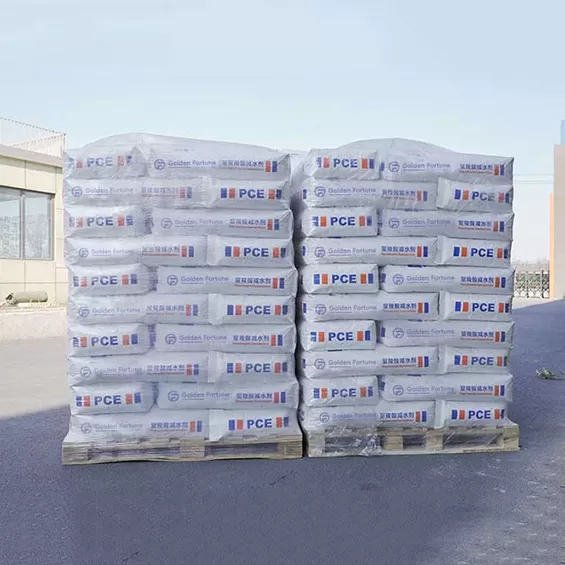
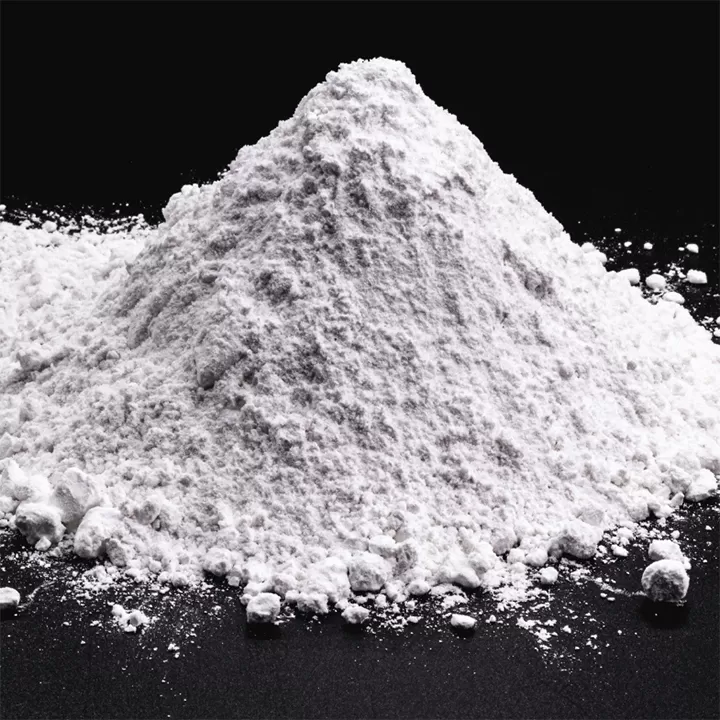
Ground Granulated Blast-Furnace Slag (GGBS or GGBFS) represents one of the most critical decarbonization levers in heavy civil infrastructure and ready-mix concrete production. Derived from the rapid water-quenching of molten iron blast-furnace slag at 1400°C to 1500°C, the resulting un-crystallized vitrified material exhibits latent hydraulic properties. Maximizing the commercial and structural utility of these cementitious materials requires strict control over thermodynamic quench rates, glass phase fraction, mineralogical composition, and particle size distribution during mechanical comminution. Specifiers, plant managers, and procurement directors must evaluate the mechanical, chemical, and operational trade-offs governing GGBS production to manage operating expenses (OPEX), mitigate abrasive wear, and secure predictable compressive strength development in high-performance concrete mixtures.
Thermodynamics, Glass Phase Chemistry, and Comminution Kinetics
The reactivity of granulated blast-furnace slag hinges on its amorphous glass content. Rapid chilling prevents the nucleation of crystalline melilite phases (gehlenite and akermanite). A slag displaying less than 85% vitrification exhibits negligible latent hydraulicity, functioning merely as an inert filler rather than a reactive binder. The basicity index, quantified by the mass ratio (CaO + MgO) / (SiO2 + Al2O3), dictates latent reactivity. Ratios exceeding 1.0 denote basic slags with accelerated hydration kinetics, whereas values below 1.0 characterize neutral or acidic slags requiring heightened thermal or chemical activation.
Upon integration into Portland cement systems, GGBS undergoes a two-stage hydration process. Initial reaction kinetics depend entirely on alkali metal hydroxides and calcium hydroxide—Ca(OH)2 or portlandite—released by the primary hydration of alite (C3S) and belite (C2S). This alkaline environment breaks the tetrahedral aluminosilicate glass framework, precipitating secondary calcium silicate hydrate (C-S-H) gels alongside magnesium-aluminum layered double hydroxides (hydrotalcite-like phases). Because this reaction consumes porous portlandite and fills interstitial capillary voids with dense, low-Ca/Si ratio C-S-H gels, the concrete matrix undergoes profound microstructural refinement.
Mechanically differentiating slag from other supplementary cementitious materials like Class F fly ash or silica fume involves analyzing its grindability. Granulated blast-furnace slag possesses a Hardgrove Grindability Index (HGI) typically between 40 and 50, signifying high resistance to comminution and aggressive abrasiveness due to its angular, glassy morphology. Achieving the standard target Blaine fineness of 420 to 500 m²/kg demands substantial specific energy input. Inefficient grinding circuits induce agglomeration through van der Waals forces, shifting the particle size distribution (PSD) toward undesirable coarse fractions (>45 μm) that fail to hydrate fully within 28 days, leaving unreacted cores that function simply as expensive micro-aggregates.
System Architecture, Comminution Topology, and Lifecycle OPEX
Industrial processing architectures for GGBS have shifted decisively from legacy ball mill systems toward advanced Vertical Roller Mills (VRMs) and High-Pressure Grinding Rolls (HPGRs). The high moisture content of wet-granulated slag (often 8% to 18% moisture by mass straight from the dewatering yard) makes comminution impossible without integrated, instantaneous drying. VRMs address this constraint by sweeping hot gas through the grinding zone, carrying out simultaneous drying, comminution, and pneumatic classification within a single footprint.
The mechanical architecture of a modern slag VRM relies on high-pressure hydropneumatic spring assemblies that force profiled rollers against a rotating horizontal grinding track. The high shear-to-compression stress ratio effectively fractures the vitreous slag matrix. Roller tires and table lining segments undergo severe micro-abrasive and high-stress three-body sliding wear. To prevent catastrophic surface spalling and premature replacement, high-wear zones must feature high-chromium cast alloys (typically 25% to 27% Cr content) or automated hardfacing weld overlays featuring complex metal-carbide matrices. In processing architectures integrated into the heavy-duty milling systems developed by Golden Fortune, segment geometry and hydropneumatic damping configurations are specifically engineered to mitigate the high-frequency vibration spikes caused by the erratic feed bed stability inherent to vitreous slag processing.
Pneumatic dynamic air classifiers positioned above the grinding zone dictate the ultimate PSD. Centrifugal rotor-cage separators operating at variable peripheral speeds (20 to 35 m/s) reject oversized particles, returning them to the center of the grinding table via internal recirculation chutes. The air-to-material ratio inside the mill envelope must be maintained within precise aerodynamic thresholds—typically 1.8 to 2.2 kg of gas per kg of raw material—to prevent both mill choking and excessive parasitic fan power draw. By matching classification cut-points to raw feed moisture and grindability, producers minimize the specific power consumption of the plant while stabilizing the reactive fraction of these supplementary cementitious materials.
Grinding Circuit Architecture Comparison: Technical & Operational Parameters
Selection of grinding equipment determines 70% to 80% of total plant lifecycle expenses through power utilization, consumable wear parts, and maintenance-driven downtime. The table below delineates the empirical engineering metrics of the three primary processing circuits utilized globally for slag processing.
| System Configuration Metric | Two-Compartment Ball Mill (Open Circuit) | Combined Roller Press + Ball Mill Circuit | Vertical Roller Mill (VRM) Dynamic Circuit |
|---|---|---|---|
| Specific Power Consumption (kWh/metric ton) | 65 – 80 kWh/t | 48 – 58 kWh/t | 35 – 44 kWh/t |
| Target Blaine Fineness Capability (m²/kg) | 380 – 430 m²/kg | 420 – 480 m²/kg | 450 – 550+ m²/kg |
| Feed Moisture Tolerance Threshold (%) | Max 2.0% (Requires External Dryer) | Up to 4.0% (Partial In-Circuit Drying) | Up to 15.0% (Simultaneous Flash Drying) |
| Grinding Media / Wear Consumable Rate | 350 – 500 g/t (High Media Consumption) | 80 – 120 g/t (Segment & Roller Wear) | 30 – 50 g/t (High-Cr Segment Life) |
| Relative Capital Expenditure (CAPEX) | Baseline Index: 1.0 (Lowest Initial Cost) | Baseline Index: 1.45 (High Mechanical Complexity) | Baseline Index: 1.30 (Integrated Configuration) |
| Mean Time Between Maintenance (MTBF - Liners) | 4,000 – 6,000 Operating Hours | 8,000 – 12,000 Operating Hours | 14,000 – 20,000 Operating Hours |
| Particle Size Distribution Slope (RRSB / n-value) | 0.85 – 0.95 (Broad PSD, Lower Water Demand) | 1.00 – 1.10 (Moderate PSD) | 1.15 – 1.30 (Steep PSD, High Early Reactivity) |
Operating Variables and Field Microstructural Degradation
Variability in raw slag feeds directly influences structural performance in the field. When feed moisture spikes due to exposed stockyards, the gas temperature entering the mill must be elevated proportionally. Failure to modulate hot-gas generator output results in bed destabilization, mill vibrations exceeding 5 to 7 mm/s RMS, and automatic safety tripping of the primary drive motor. Excessive moisture in the grinding chamber can also lead to the partial pre-hydration of activated blast-furnace slag when cement clinker or gypsum is interground, permanently depressing the early-age hydraulic activity index.
Chemical impurities further complicate field performance. The sulfur profile in blast-furnace slag occurs primarily as sulfide (S2-), rather than sulfate (SO4 2-). The oxidation of sulfide during grinding or hydration consumes available pore-solution oxygen, which imparts the distinctive blue-green coloration to curing mass concrete. If total sulfide exceeds limits specified in global standards, or if chlorides breach allowable limits, risk profiles elevate regarding the passivation of internal reinforcing steel. A rigorous chemical and granulometric assay ensures that the hydraulic activity indices governing these cementitious materials perform reliably under aggressive marine or sulfate-bearing soil exposures.
Slag fineness directly controls hydration temperature profiles in massive structural pours. While fine GGBS (exceeding 500 m²/kg Blaine) accelerates early 7-day strength gains, it compresses the heat liberation curve, increasing adiabatic temperature rise. In mass concrete components—such as bridge piers, transfer plates, and dam gravity walls—uncontrolled thermal release induces differential thermal stresses. The resulting thermal contraction strains exceed the low early-age tensile strength of the concrete, causing early micro-cracking propagation and compromising the structural matrix before service loads are applied.
Regulatory Standards and Mechanical Testing Frameworks
Procurement teams and engineering consultants must evaluate product conformity according to established jurisdictional standards. In North American jurisdictions, the material must conform to ASTM standards that divide slag into three distinct reactivity grades based on relative strength performance:
- ASTM C989 / C989M Standard Specification for Slag Cement for Use in Concrete and Mortars: Establishes the classifications for Grade 80, Grade 100, and Grade 120 materials, determined by the Slag Activity Index (SAI) at 7 and 28 days.
- BS EN 15167-1: Ground Granulated Blast Furnace Slag for Use in Concrete, Mortar and Grout: Enforces criteria regarding chemical composition, requiring minimum glass contents, total sulfur ceilings, and precise Blaine fineness verification.
- ISO 29581-2: Methods of Testing Cement — Part 2: Chemical Analysis by X-Ray Fluorescence (XRF): Governs the accurate quantitative analysis of the major oxides (CaO, SiO2, Al2O3, MgO) that govern the mineralogical indices of latent hydraulic materials.
Technical & Sourcing FAQs
How does the glass phase percentage directly influence the Slag Activity Index (SAI)?
The glass phase percentage determines the volume of reactive aluminosilicate material available for chemical breakdown by calcium hydroxide. Slag with a glass content below 67% generally cannot satisfy the minimum 28-day Slag Activity Index threshold of 95% required for ASTM C989 Grade 100. Unquenched, crystalline melilite phases lack latent hydraulic energy and act merely as ground rock fillers, reducing 28-day and 56-day compressive strength development linearly relative to the crystalline volume fraction.
What mechanical factors within a Vertical Roller Mill cause mill bed instability during slag grinding?
Unlike cement clinker, granulated slag particles exhibit high inter-particle friction, low natural cohesion, and extreme hardness. These characteristics impede the formation of a stable, cohesive material bed on the rotating grinding table. When fine, dry slag aerates, it tends to fluidize and purge from beneath the rollers, causing severe metal-to-metal contact between tires and table segments. This generates intense mechanical vibrations (exceeding structural thresholds) and unstable hydropneumatic pressure curves, requiring accurate water-spray injection systems and optimization of the mechanical dam ring height to mechanically confine the bed.
Why does GGBS enhance concrete resistance against external sulfate attack and seawater ingress?
GGBS enhances durability via two distinct mechanisms: pore-structure refinement and chemical mitigation of tricalcium aluminate (C3A). By consuming soluble calcium hydroxide to generate secondary C-S-H, GGBS transforms large, interconnected capillary pores (above 50 nm) into non-interconnected micropores (below 10 nm), drastically lowering permeability and chloride-ion diffusion coefficients. Furthermore, substituting ordinary Portland cement with GGBS dilutes the net bulk C3A concentration, reducing the potential for ettringite or thaumasite formation when subjected to sulfate solutions.
What is the typical lifecycle wear cost profile of VRM high-chromium roller tires versus grinding table segments?
Because the grinding rollers encounter rotational acceleration accompanied by shear force across the tire profiles, roller tires exhibit accelerated local wear compared to the central segments of the grinding table. In high-throughput operations processing highly abrasive slag, high-Cr alloy tire shells typically exhibit an operational lifespan between 14,000 and 18,000 operating hours before requiring hardfacing reconstruction or full inversion/replacement, whereas table segments frequently achieve 18,000 to 24,000 operating hours. Wear rates average between 30 and 50 grams per metric ton of processed GGBS under steady-state operating parameters.
How does the comparative behavior of alternative cementitious materials under extreme exposure influence procurement strategies?
Procurement must match structural exposure classes to performance metrics. While fly ash (pozzolanic) offers lower early-age strength and slow microstructural refinement, GGBS (latent hydraulic) exhibits rapid secondary strength gains after 14 days and superior pore refinement against chloride permeability. For infrastructure demanding 100-year lifespans in marine environments, procuring Grade 100 or Grade 120 slag cement provides higher ultimate electrical resistivity and microstructural density than ternary blends reliant solely on low-reactivity pozzolans, mitigating maintenance overhead throughout the asset lifecycle.
Technical Specification Review & Sourcing Feasibility
Executing an industrial procurement program for high-volume GGBS production or integration requires rigorous multi-point mechanical and mineralogical evaluations. Plant conversions, capacity debottlenecking, and greenfield installations demand an engineering alignment between raw granulated feed properties and processing machinery configurations. Sourcing teams must evaluate raw slag moisture curves, Hardgrove Grindability variations, and target particle size distributions prior to finalizing equipment orders or committing to long-term off-take agreements.
Through technical consultation with Golden Fortune, where feed grindability profiles, moisture variables, and abrasive wear projections are matched directly to processing systems, plant operators can achieve predictable operating performance and lower total cost of ownership. Mechanical design must incorporate structural resilience, robust hydraulic damping, optimized classifier aerodynamics, and wear alloy selections engineered to withstand abrasive feed conditions. Engineering teams from Golden Fortune review mill dynamics, air-handling circuits, and quality metrics to ensure operational stability, allowing concrete producers and industrial processors to scale their throughput while maintaining strict compliance with international structural standards.