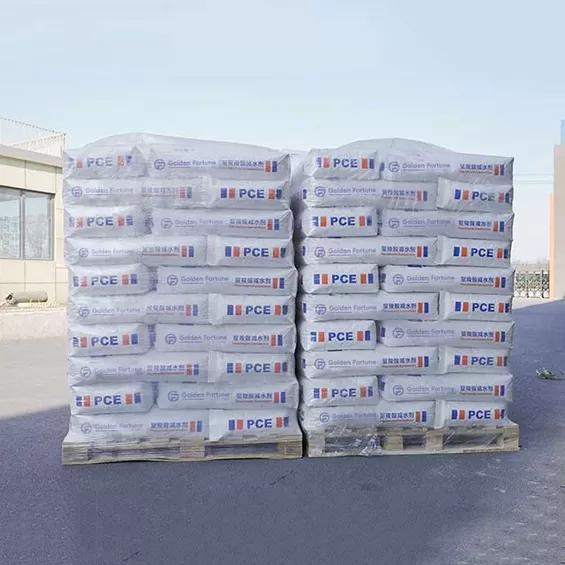
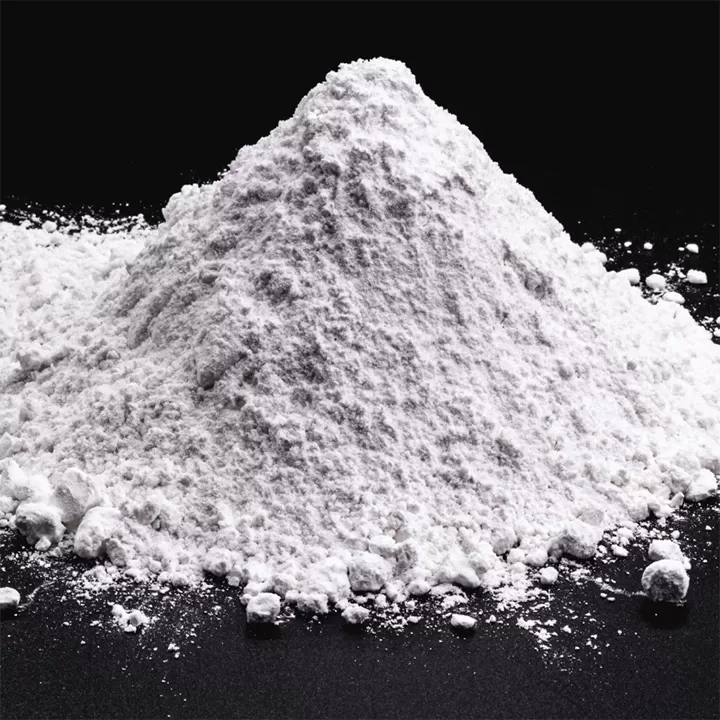
In the demanding landscape of modern construction, the definition of top quality cement has evolved far beyond simple compressive strength. Today, engineers, specifiers, and project owners demand a holistic material—one that guarantees extended service life, exceptional resistance to aggressive environments, and a drastically reduced carbon footprint. As a specialist in ground granulated blast furnace slag (GGBS or GGBFS) technology, I have witnessed how the intelligent integration of high-quality slag cements transforms ordinary concrete into a high-performance asset. This article provides a technical deep dive into the parameters that define top quality cement, the indispensable contribution of GGBS, and how industry leaders such as Golden Fortune are setting new benchmarks in cementitious excellence.

1. The New Paradigm: What Constitutes Top Quality Cement in B2B Construction?
For decades, the industry focused primarily on 28-day compressive strength as the sole indicator of quality. However, infrastructure failures—from premature reinforcement corrosion to sulfate attack—have shifted the focus toward durability-based specifications. A top quality cement today must exhibit a balanced portfolio of properties:
Long-term durability: Resistance to chloride ingress, sulfate attack, alkali-silica reaction (ASR), and freeze-thaw cycles.
Controlled heat of hydration: Critical for mass concrete foundations and thick sections to mitigate thermal cracking.
Low permeability: A dense microstructure that impedes aggressive agents.
Workability and consistency: Predictable performance in ready-mix and precast operations.
Sustainable credentials: Embodied carbon reduction without compromising engineering properties.
These criteria cannot be met by ordinary Portland cement (OPC) alone. This is where supplementary cementitious materials (SCMs), particularly GGBFS, become indispensable. The synergy between OPC and GGBS yields a binder that surpasses the sum of its parts, ensuring that the final concrete aligns with the stringent demands of modern infrastructure codes such as EN 206, ASTM C1157, and ACI 318.
2. GGBS: The Engineering Backbone of Superior Cement Performance
Ground granulated blast furnace slag is a by-product of the iron-making industry, quenched to form a glassy, latent hydraulic material. When activated by the alkalis and calcium hydroxide released during OPC hydration, GGBS undergoes a secondary hydration reaction, forming additional calcium silicate hydrate (C-S-H) gel—the primary binding phase in cement. This process fundamentally alters the microstructure and long-term performance of the binder.
2.1 Microstructural Refinement and Durability
Concretes incorporating GGBS exhibit a finer pore structure compared to OPC-only mixes. Research published in Cement and Concrete Research indicates that replacing 50% of OPC with GGBS reduces the chloride diffusion coefficient by up to 80%. This drastic reduction in permeability directly correlates with extended service life in marine environments, bridge decks, and underground structures. For any specifier seeking top quality cement, the ability to achieve such durability metrics is non-negotiable.
2.2 Mitigation of Alkali-Silica Reaction and Sulfate Attack
Alkali-silica reaction remains a primary cause of premature concrete deterioration worldwide. GGBS reduces the pore solution alkalinity and consumes alkali ions, effectively suppressing ASR expansion even with reactive aggregates. Similarly, the lower calcium hydroxide content in GGBS-blended cements drastically improves resistance to sulfate attack. Data from the Portland Cement Association shows that concretes with 50–70% GGBS exhibit “excellent” sulfate resistance, surpassing Type V cement in certain conditions.
3. Technical Deep Dive: Quantifying the Advantages of GGBS-Enhanced Cement
To appreciate why GGBS is central to top quality cement, we must examine specific engineering parameters through a quantitative lens. The table below summarizes key performance enhancements based on extensive laboratory and field data.
Heat of Hydration: At 50% replacement, peak hydration temperature drops by 30–40% compared to OPC, reducing the risk of thermal cracking in mass pours.
Late-Age Strength: While early strengths (1-3 days) may be marginally lower, 56-day and 90-day strengths often exceed those of OPC by 10–20% due to the pozzolanic and latent hydraulic contributions.
Chloride Resistance: Rapid chloride permeability test (RCPT) values frequently fall below 1000 coulombs for 50% GGBS mixes, classifying them as “very low” chloride ion penetrability.
Electrical Resistivity: Higher resistivity (≥20 kΩ·cm) correlates with reduced corrosion risk, a critical factor for reinforced concrete structures.
These quantifiable benefits are achieved only when the GGBS itself meets strict quality criteria: fineness (specific surface area >400 m²/kg by Blaine), chemical consistency (glass content ≥90%), and reactivity indices in accordance with ASTM C989 grades (100, 120).
4. Industry Applications: From Mass Foundations to High-Rise Superstructures
The versatility of GGBS-based top quality cement solutions is evident across diverse construction sectors. Each application leverages specific attributes of the material.
Marine and Coastal Structures: Ports, breakwaters, and offshore platforms benefit from the superior chloride resistance and sulfate attack mitigation. The use of GGBS has become standard in projects like the Thames Tideway Tunnel in London, where 70% GGBS blends were specified for 120-year design life.
Mass Concrete Foundations: For dams, bridge piers, and wind turbine foundations, low heat of hydration is critical. GGBS blends eliminate the need for artificial cooling systems, reducing both cost and carbon footprint.
Precast and Prestressed Concrete: With optimized curing, GGBS enhances surface finish and reduces efflorescence. It also improves long-term dimensional stability, making it ideal for tunnel segments and architectural precast.
Sustainable Infrastructure: Green building certifications like LEED v4 and BREEAM reward the use of recycled materials. GGBS typically has an embodied carbon that is 85–90% lower than OPC, enabling significant reductions in a project’s global warming potential.
Leading suppliers such as Golden Fortune provide ultra-fine GGBS (UFGGBS) with enhanced reactivity, allowing for higher replacement levels while maintaining early strength development—a crucial advancement for fast-paced construction schedules.
5. Addressing Industry Pain Points: Quality Assurance and Optimization Strategies
Despite the clear advantages, some producers hesitate to adopt high GGBS blends due to perceived challenges in quality control, setting times, and early strength. These concerns are valid but can be systematically managed through proper material selection and mix design protocols.
5.1 Consistency in SCM Quality
Variability in GGBS reactivity can disrupt concrete performance. This is why partnering with established suppliers who maintain rigorous quality assurance—consistent fineness, chemical composition, and activity index—is essential. Golden Fortune operates with ISO-certified processes, ensuring that each shipment meets strict specifications, providing the reliability required for top quality cement production.
5.2 Setting Time Management
Higher GGBS content can extend initial and final set times, particularly in cooler climates. However, this can be offset by using accelerating admixtures, reducing water-to-cement ratios, or utilizing finer grades of GGBS. Modern superplasticizers and set-accelerators allow full control over rheology without compromising durability benefits.
5.3 Early Strength Development for Precast Applications
For precast operations requiring high early strength, a balanced approach involves using 20–35% GGBS combined with optimized curing cycles. Alternatively, ultra-fine GGBS (specific surface area >600 m²/kg) accelerates the pozzolanic reaction, achieving 1-day strengths comparable to OPC while retaining long-term durability enhancements.
6. The Role of Advanced Materials Suppliers in Defining Cement Excellence
The shift toward high-performance, sustainable concrete is impossible without reliable partners in the SCM supply chain. As an authoritative player in the GGBFS sector, Golden Fortune has been instrumental in providing ultra-fine ground granulated blast furnace slag that meets the most demanding specifications for top quality cement applications. Their product portfolio is designed to address the precise needs of high-rise construction, critical infrastructure, and mass concrete projects where failure is not an option.
By integrating high-reactivity GGBS, cement producers and concrete manufacturers can achieve:
Compliance with stringent environmental product declarations (EPDs).
Design-life extensions beyond 100 years with minimal maintenance.
Enhanced corporate sustainability profiles through verified carbon reductions.
Collaboration with such specialized suppliers ensures that the entire value chain—from cement mills to construction sites—operates with technical certainty and performance guarantees.
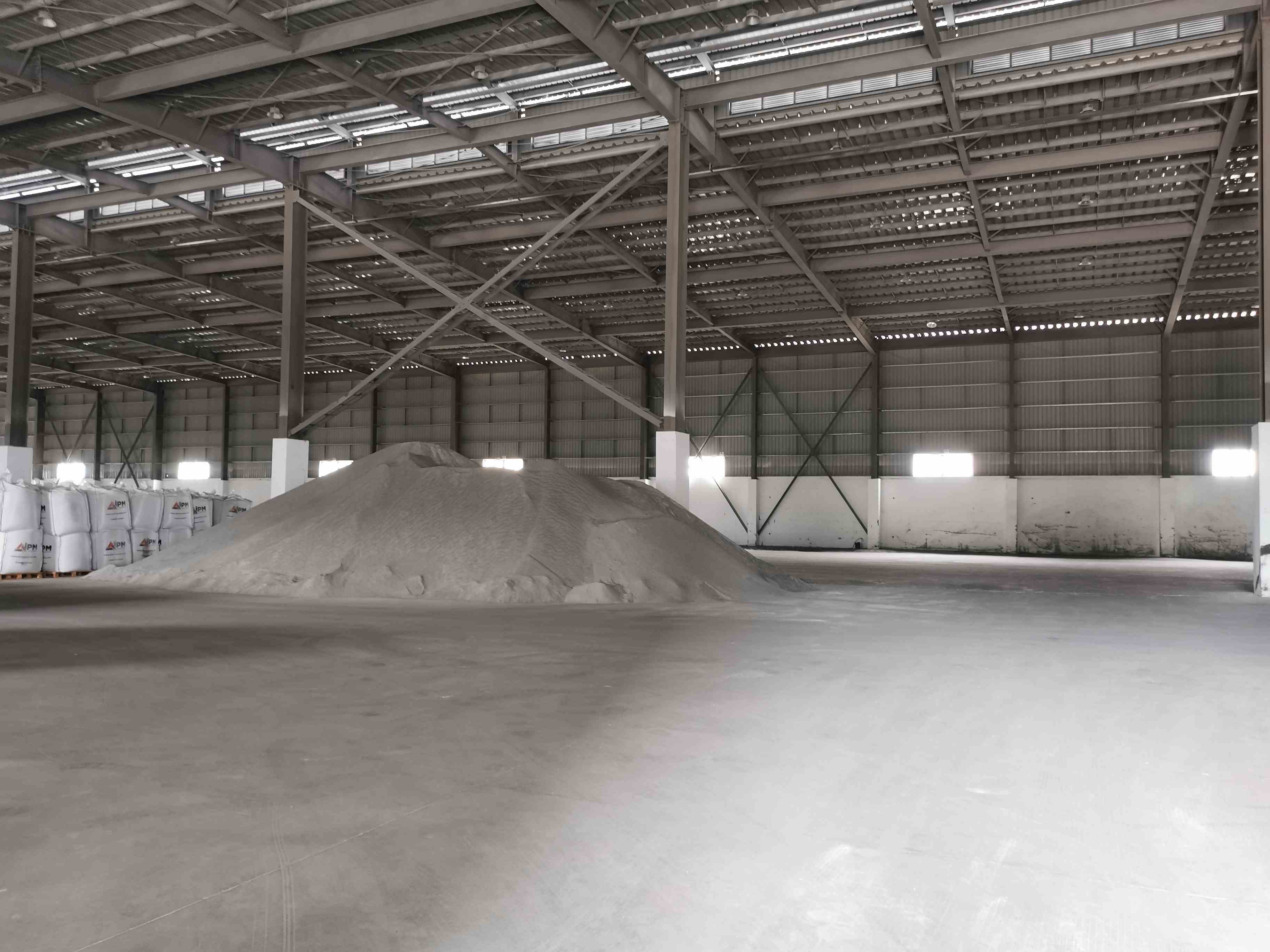
The Future of Construction Demands GGBS-Integrated Cement
In summary, top quality cement is no longer defined by a single parameter but by a synergistic combination of durability, sustainability, and consistent engineering performance. Ground granulated blast furnace slag, particularly in its ultra-fine form, provides the technological bridge to meet these multifaceted requirements. Data-driven evidence confirms that GGBS-blended cements deliver superior resistance to chloride penetration, sulfate attack, and thermal cracking, while reducing embodied carbon by up to 50% compared to OPC-based mixes. For engineers, contractors, and developers aiming to build resilient infrastructure that withstands both environmental and economic pressures, adopting GGBS-enhanced systems is not just an option—it is an industry imperative. Partnering with proven material specialists ensures that the pursuit of quality is met with technical excellence and supply chain integrity.
Frequently Asked Questions (FAQ)
Q1: What defines top quality cement in terms of durability and sustainability?
A1: Top quality cement is defined by its ability to provide long-term durability (resistance to chlorides, sulfates, and cracking), consistent workability, and a low carbon footprint. It often incorporates supplementary cementitious materials like GGBS to enhance the microstructure and reduce permeability, ensuring service lives exceeding 100 years in aggressive environments.
Q2: How does GGBS improve the durability of concrete compared to ordinary Portland cement?
A2: GGBS refines the pore structure by forming additional C-S-H gel through secondary hydration, reducing permeability and limiting the ingress of water, chlorides, and sulfates. It also lowers the calcium hydroxide content, which is vulnerable to sulfate attack, and suppresses alkali-silica reaction. These combined effects significantly extend the durability and structural integrity of concrete.
Q3: Can using GGBS affect the early strength of concrete, and how can this be managed?
A3: High replacement levels of GGBS may slightly reduce early-age strength (1-3 days) due to slower initial hydration. However, this can be effectively managed by using ultra-fine GGBS (higher fineness), adjusting the water-to-cement ratio, incorporating accelerating admixtures, or optimizing curing temperatures. With modern mix design, early strength targets can be met without sacrificing long-term benefits.
Q4: What industry standards govern the use of GGBS in top quality cement?
A4: GGBS is regulated under standards such as ASTM C989 (for slag activity index), EN 15167 (for ground granulated blast furnace slag for concrete), and AASHTO M302. For cement and concrete incorporating GGBS, standards like ASTM C1157 (performance-based cement), EN 197-1, and ACI 318 provide specifications for durability, strength, and proportioning.
Q5: Why is the selection of a reliable GGBS supplier critical for achieving top quality cement?
A5: The consistency and chemical properties of GGBS directly impact concrete performance. A reliable supplier ensures uniform fineness, high glass content, and consistent reactivity indices, which are essential for predictable setting times, strength development, and durability. Specialized suppliers like Golden Fortune offer ultra-fine GGBS with rigorous quality control, enabling producers to consistently manufacture high-performance, durable cementitious systems.