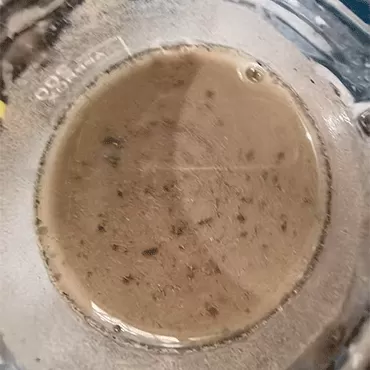
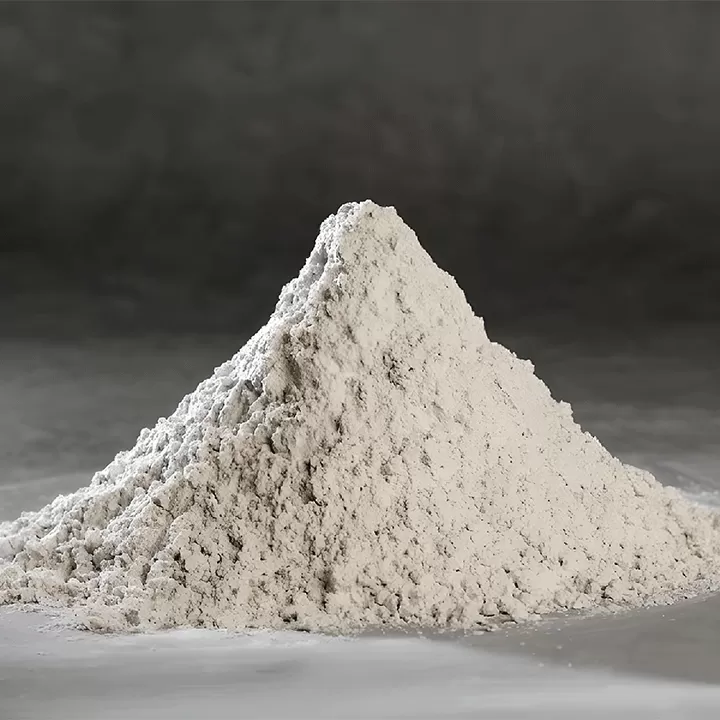
Volume instability remains one of the most persistent physical challenges in structural concrete engineering. As modern design codes demand higher compressive strengths, lower water-to-binder ratios, and increased integration of supplementary cementitious materials (SCMs) like ground granulated blast-furnace slag (GGBS), the propensity for microcracking and macrocracking escalates. Volumetric contraction caused by autogenous desiccation and drying shrinkage undermines durability, increases permeability, and accelerates ingress of deleterious ions such as chlorides and sulfates. Addressing this intrinsic dimensional movement requires molecular-level intervention within the capillary pore network. The deployment of Concrete Shrinkage-Reducing Admixture(Powder) provides structural engineers and material manufacturers with a direct mechanism to mitigate internal capillary tension without compromising binder hydration kinetics.
Liquid shrinkage reducers have traditionally dominated wet-batch ready-mix applications, yet industrial shifts toward pre-packaged dry mortars, engineered grouts, ultra-high-performance concrete (UHPC) dry blends, and controlled precast formulations require uniform solid-state integration. Industrial providers like Golden Fortune have refined chemical synthesis routes to yield high-purity powder variants that exhibit immediate dispersion upon mechanical mixing with water. Exploring the mechanical parameters, thermodynamics, and cross-chemical compatibilities of these admixtures reveals how modern formulation techniques resolve long-standing crack control challenges in binder-heavy architectural and infrastructural projects.
Thermodynamics of Capillary Tension and Shrinkage Phenomenon
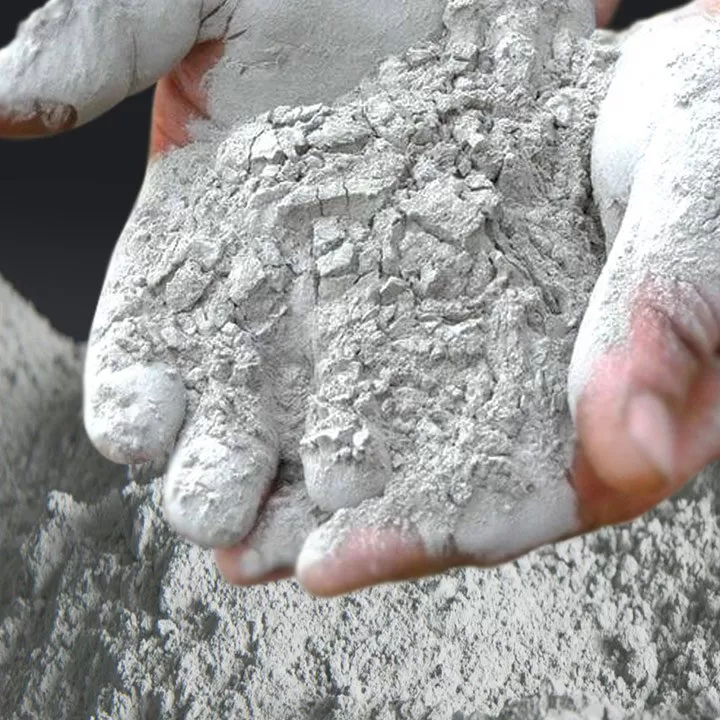
Concrete volume change begins when moisture exits the porous cementitious matrix, whether via environmental evaporation or internal consumption through self-desiccation during binder hydration. The physical driver of macroscopic shrinkage strain is the development of negative capillary pore pressure (meniscus depression) inside the unsaturated pore network.
The relationship between pore fluid mechanics and internal stress is expressed through the Kelvin-Laplace equation:
σcap = - (2 γ cos θ) / r
Where σcap represents the capillary stress, γ is the surface tension of the pore solution, θ is the contact angle between the liquid meniscus and the solid capillary wall, and r is the Kelvin radius of the emptying pore. As water is evacuated from pores measuring between 2.5 nm and 50 nm—the critical mesopore band—immense tensile stresses develop across the pore walls. Because concrete exhibits relatively low tensile strength, especially at early curing ages, these internal capillary stresses inevitably exceed the tensile capacity of the hardening paste, manifesting as microcracking.
Drying shrinkage occurs primarily in hardened concrete exposed to low ambient relative humidity, where water loss proceeds from external surfaces inward. Autogenous shrinkage, conversely, occurs independent of external moisture loss, driven entirely by the volumetric contraction associated with cement hydration (Le Chatelier contraction) and internal desiccation within low water-binder matrices. Both phenomena stem directly from capillary tension dynamics governed by the surface tension of the internal pore solution.
Physicochemical Mechanisms of Concrete Shrinkage-Reducing Admixture(Powder)
The working principle of a Concrete Shrinkage-Reducing Admixture(Powder) relies on targeted alteration of pore solution thermodynamics rather than physical expansion or mechanical restraint. While expansive agents (calcium sulfoaluminate or free lime-based additives) counteract shrinkage through crystal growth and controlled expansion, shrinkage-reducing admixtures act directly upon liquid-gas interfacial dynamics.
- Surface Tension Reduction: The active surfactant molecules within the admixture dissolve rapidly into the pore water, lowering its surface tension from approximately 72 mN/m (the baseline value for pure water and standard pore solutions) down to values between 35 and 45 mN/m. Referring back to the Kelvin-Laplace equation, cutting the surface tension in half directly halves the capillary stress exerted on the pore walls at any given pore radius.
- Contact Angle Modification: Beyond lowering surface tension, the active chemistry alters the wetting angle between the pore solution and the calcium silicate hydrate (C-S-H) gel substrate. This modification reduces the curvature of the liquid meniscus, flattening the liquid-vapor interface and further diminishing capillary traction forces.
- Disjoining Pressure Modulation: Within extremely narrow pores (under 3 nm), where a continuous liquid meniscus cannot form, moisture loss reduces the disjoining pressure that keeps adjacent C-S-H sheets separated. Admixture molecules concentrate along these solid surfaces, stabilizing the disjoining pressure and preventing the structural collapse of the hydration products.
By attacking the fundamental thermodynamic cause of shrinkage rather than compensating for its secondary effects, Concrete Shrinkage-Reducing Admixture(Powder) preserves the original dimensions of the casting without generating microstructural strains that could cause delayed expansion damage.
Synergistic Behavior with Ground Granulated Blast-Furnace Slag (GGBS)
The technical integration of GGBS or GGBFS into modern high-performance concrete offers undeniable advantages: lower heat of hydration, elevated ultimate compressive strength, refined pore structures, and enhanced resistance to chloride ingress. However, high-volume slag replacement ratios (ranging from 40% to 70%) introduce specific dimensional control issues that require systematic mitigation.
Slag hydration produces an exceptionally fine capillary pore network compared to pure Portland cement systems. While this microstructural refinement reduces permeability and boosts durability, it shifts the average pore size toward the 2 nm to 20 nm range. According to capillary tension physics, smaller pore radii produce substantially higher negative pressures when drying or self-desiccation occurs. Slag-rich mixes consequently demonstrate an increased susceptibility to early-age autogenous shrinkage and prolonged drying shrinkage cracking when moisture curing is imperfect.
Incorporating Concrete Shrinkage-Reducing Admixture(Powder) directly neutralizes this intrinsic vulnerability of slag-blended concrete. Lowering the surface tension of the pore solution in refined pore structures prevents the formation of destructive capillary stresses, allowing engineers to exploit the low permeability and sustainability benefits of GGBS without increasing cracking frequency. Golden Fortune supports the formulation of specialized blends where high-activity slag powders and dry-mix shrinkage mitigators operate in precise chemical balance.
Engineering Advantages of the Powder Format in Modern Production
While the chemical surfactants that reduce shrinkage were historically synthesized as liquid glycols or polyether derivatives, transforming these compounds into stable, free-flowing powders creates critical operational and logistical benefits for material specifiers.
- Dry-Mix Integration: Pre-blended formulations—including ultra-high-performance concrete (UHPC), self-leveling underlayments, non-shrink structural grouts, and repair mortars—demand homogeneous dry premixing. Liquid additives cannot be introduced into these factory-batched dry bags without triggering premature hydration or causing agglomeration. The powder format blends completely into dry cements, sands, and pozzolans, activating only when process water is introduced on site.
- Rheological Stability and Dosing Precision: Liquid admixtures introduce unaccounted free water into the effective water-cementitious ratio, which can complicate fine adjustments in ultra-low w/b systems (w/b < 0.20). Powder additives integrate as part of the solid mass calculations, avoiding unintentional dilution of liquid plasticizer systems.
- Thermal and Shelf Stability: Liquid surfactants are prone to phase separation, settling, or freezing when stored in sub-zero environments, which can permanently alter their active solids content. Powder formats resist phase degradation across a broad temperature range, extending raw material shelf-life across global transport corridors.
Dosage Optimization and Mix Interaction Profiles
Achieving optimal crack-mitigation efficiency requires meticulous control over dosage rates and an understanding of how the additive interacts with surrounding chemical admixtures.
Dosage Thresholds
Typical dosage ranges for Concrete Shrinkage-Reducing Admixture(Powder) fall between 0.5% and 2.0% by total weight of cementitious materials (cement + GGBS + silica fume + fly ash). Dosages below 0.5% often yield insufficient reduction in pore fluid surface tension to prevent restrained cracking. Dosages exceeding 2.5% usually produce diminishing returns, as surface tension reaches a plateau (the critical micelle concentration) where additional surfactant no longer reduces capillary tension linearly.
Interactions with Polycarboxylate Ether (PCE) Superplasticizers
Modern concretes rely on PCE superplasticizers for electrostatic and steric dispersion of binder particles. The active compounds within powder shrinkage reducers must not compete destructively with PCE anchor groups for absorption sites on the cement grain surface. High-grade powder variants are formulated with non-ionic polyether-modified compounds that function entirely within the pore liquid phase, preserving superplasticizer efficiency, slump retention, and rheological stability.
Hydration Kinetics and Setting Profiles
Because these admixtures affect pore fluid properties, their presence can slightly alter the dissolution rates of anhydrous phases and the precipitation of early C-S-H gels. At normal dosages (1.0% to 1.5%), setting times typically extend by no more than 15 to 45 minutes, a variation easily balanced through minor accelerator adjustments or standard curing procedures. Compressive strength development may show a minor softening at early ages (1 to 3 days), but long-term strength (28 to 90 days) routinely matches or exceeds control mixes due to the superior preservation of microstructural integrity and absence of microcracks.
Industrial Applications and Performance Specifications
The specialized performance characteristics of Concrete Shrinkage-Reducing Admixture(Powder) make it essential across critical engineering disciplines where joint-free designs, high durability, and strict dimensional stability are mandatory.
Precast Concrete and Tunnel Segments
Tunnel lining segments and precision precast bridge girders demand tight dimensional tolerances. Steam curing or rapid heat curing cycles can accelerate internal drying and elevate thermal-shrinkage stress gradients. Powder shrinkage-reducing agents mitigate differential capillary stress across the structural cross-section, ensuring precast components emerge from molds free of hairline defects.
Industrial Flooring and Jointless Slabs
Large-format industrial floors are continuously vulnerable to curling—a physical deformation caused by differential drying shrinkage between the top surface exposed to ambient air and the unexposed bottom surface. Suppressing drying shrinkage strain significantly reduces slab curling, allowing design engineers to widen joint spacing from typical 6-meter intervals to 20 meters or more, vastly reducing long-term joint maintenance.
UHPC and High-Strength Repair Mortars
Ultra-high-performance matrices exhibit extreme autogenous shrinkage due to their high binder content and minimal water-to-binder ratios (often below 0.18). Powder shrinkage reducers act immediately upon hydration to relieve severe self-desiccation forces, ensuring these ultra-dense systems achieve their designed impermeability and mechanical performance.
ASTM C157 Compliance and Empirical Testing Methods
Verifying the efficacy of shrinkage-reduction protocols requires rigorous quantitative testing under standard laboratory conditions. The primary standard for measuring linear dimensional change in hardened hydraulic-cement concrete is ASTM C157 (Standard Test Method for Length Change of Hardened Hydraulic-Cement Mortar and Concrete), alongside its European counterpart EN 12390-16.
Under ASTM C157 protocols, prismatic specimens (typically 75 x 75 x 285 mm) are cast, cured under standard conditions, and monitored via length comparators across standardized intervals (4, 7, 14, 28, 56, and 112 days of drying). A well-engineered powder admixture formulation typically achieves a 40% to 65% reduction in ultimate drying shrinkage strain compared to an untreated control batch. Restrained shrinkage ring tests (ASTM C1581) further demonstrate that treated matrices delay the onset of stress cracking significantly, and frequently prevent cracking entirely throughout standard 28-day testing cycles.
Frequently Asked Questions
How does a powder SRA differ fundamentally from an expansive agent?
Expansive agents rely on chemical reactions (such as the hydration of calcium oxide or the controlled formation of ettringite) to induce a volumetric expansion during early curing that offsets subsequent shrinkage. Concrete Shrinkage-Reducing Admixture(Powder) alters pore thermodynamics without causing chemical expansion. It acts directly upon the physical properties of the internal water, lowering the surface tension of the pore solution to eliminate the negative capillary pressure driving volumetric contraction.
Does the admixture alter concrete setting times or early compressive strength?
Standard dosages of high-purity powder shrinkage reducers result in minimal changes to setting characteristics, typically extending initial setting time by 15 to 45 minutes depending on ambient temperatures and cement mineralogy. Early compressive strength (at 24 to 48 hours) may decrease slightly, usually by less than 10%. However, 28-day and 90-day strengths consistently meet or exceed control values because the cured microstructure suffers far less internal microcracking.
Why select a powder formulation over conventional liquid variants?
Powder formulations are essential for pre-packaged dry products, including repair mortars, dry-mix UHPC, non-shrink grouts, and specialized tile adhesives where water cannot be added during factory packaging. Powder forms also eliminate cold-weather freezing problems, simplify overseas logistics, and prevent unexpected shifts in water-binder calculations on job sites.
How does this admixture perform in high-volume GGBFS mixes?
Slag blends develop a much finer capillary pore structure than pure Portland cement mixes. Because smaller pores generate higher negative capillary forces, slag concrete can be prone to early-age shrinkage cracking under unsealed conditions. The powder admixture reduces the surface tension of the pore fluid, directly countering the capillary stresses caused by these finer pores and preserving the durability advantages of slag-rich mixes.
Does this admixture interfere with the air-void system created by air-entraining admixtures?
Because shrinkage reducers are surface-active chemicals, they can interact with the surfactants used in air-entraining admixtures (AEAs). While some liquid formulations destabilize air bubbles, high-grade powder variants are synthesized to minimize air-void distortion. Routine air-void verification testing is always standard practice during mix design to balance dosage rates and maintain target freeze-thaw durability.
Technical Inquiries and Material Specifications
Modern structural engineering continues to push the boundaries of binder intensity, structural spans, and long-term durability. Controlling internal capillary stresses within dense cementitious matrices is vital to eliminate microcracking, prevent premature degradation, and achieve stable, high-performance structural installations. Selecting the proper Concrete Shrinkage-Reducing Admixture(Powder) demands rigorous evaluation of pore structure compatibility, binder chemistry, and mechanical requirements.
The technical engineering team at Golden Fortune provides detailed mix design optimization, raw material analysis, and chemical compatibility assessments for advanced concrete producers, precast manufacturers, and dry-mix formulators worldwide. Forward your project specifications, target performance criteria, and binder analysis to our material science specialists to receive tailored product data sheets, dosage recommendations, and material samples for laboratory validation.