The development of modern civil infrastructure requires a transition toward materials that support structural integrity while reducing ecological pressure. Portland cement production contributes significantly to carbon emissions, driving the concrete industry to seek alternative binder systems. The strategic incorporation of waste and supplementary cementitious materials in concrete represents a significant evolutionary step in infrastructure engineering, providing a reliable method to upgrade durability while redirecting industrial byproducts away from landfills.
Using supplementary cementitious materials (SCMs) is no longer merely an ecological preference; it is a structural necessity for high-performance concrete designs. This analysis examines the raw material classifications, chemical hydration dynamics, performance factors under severe exposures, and the engineering methodologies required to implement these materials successfully in modern construction projects.
Classification and Properties of Mineral Admixtures
Mineral admixtures, categorized under SCMs, are broadly classified by their chemical activity into hydraulic materials, pozzolanic materials, or a combination of both. Hydraulic materials react directly with water to form cementitious compounds, whereas pozzolanic materials require calcium hydroxide, a byproduct of cement hydration, to initiate their reactions. Understanding these distinctions is fundamental to selecting the correct blend for specific structural exposures.
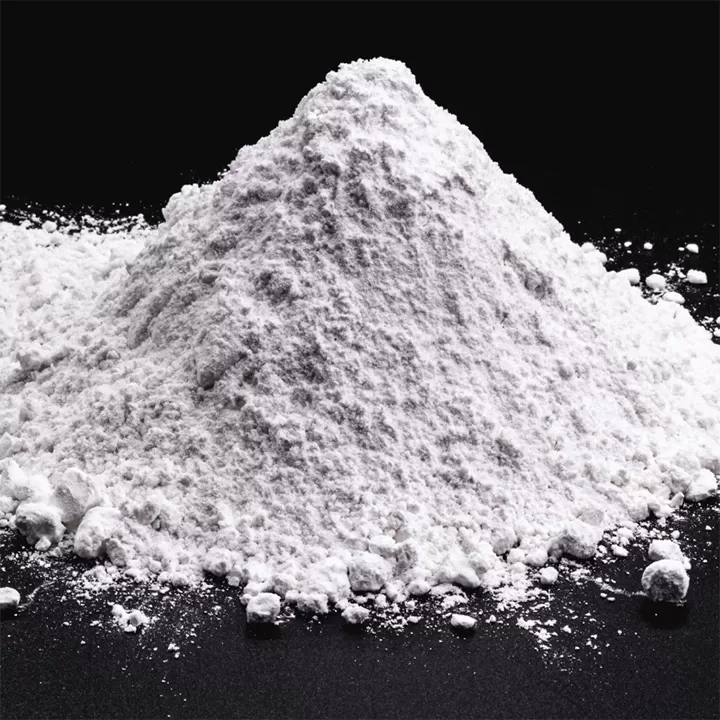
- Ground Granulated Blast-Furnace Slag (GGBS): A byproduct of iron manufacturing, GGBS possesses latent hydraulic properties. When finely ground, it reacts with water in the presence of alkaline activators, primarily calcium hydroxide derived from Portland cement hydration. This reaction generates stable calcium silicate hydrate (C-S-H) binders. To maintain consistent performance, advanced processors such as Golden Fortune supply high-purity mineral components that meet stringent particle size distributions.
- Fly Ash (Class F and Class C): Sourced from coal-fired power stations, fly ash consists of spherical glassy particles. Class F fly ash is purely pozzolanic, demanding external calcium hydroxide to react, whereas Class C fly ash contains higher lime contents, giving it both hydraulic and pozzolanic properties. The spherical geometry of fly ash reduces water demand during concrete mixing.
- Silica Fume: A highly reactive, ultrafine byproduct of silicon metal production. Because of its extreme fineness and high amorphous silica content, it undergoes rapid pozzolanic reactions, filling micro-voids between cement grains. This results in highly dense concrete matrices with exceptionally low permeability.
- Metakaolin: Unlike industrial byproducts, metakaolin is produced by calcining high-purity kaolin clay. Its highly amorphous structure reacts aggressively with calcium hydroxide, providing early strength development and robust chemical resistance.
Hydration Chemistry and Microstructural Refinement
Evaluating how waste and supplementary cementitious materials in concrete influence hydration chemistry is fundamental to predicting long-term concrete behavior. Traditional Portland cement hydration yields two primary phases: Calcium Silicate Hydrate (C-S-H) gel, which provides mechanical strength, and Calcium Hydroxide (Portlandite), a highly soluble, mechanically weak crystalline phase that is susceptible to leaching and acid attack.
When pozzolanic materials are introduced to the matrix, they consume this excess calcium hydroxide, converting it into additional C-S-H gel. This chemical transformation is described by the pozzolanic reaction:
Calcium Hydroxide + Silicon Dioxide + Water → Calcium Silicate Hydrate
This reaction not only increases the volumetric concentration of the strength-giving binder but also restructures the pore network of the paste. The primary mechanism of microstructural refinement includes:
- Pore Structure Refinement: The conversion of large, continuous capillary pores into disconnected, microscopic gel pores, reducing the migration path for harmful ions.
- Interfacial Transition Zone (ITZ) Improvement: The ITZ between the aggregate surface and the cement paste is typically the weakest region in concrete, characterized by high porosity and oriented calcium hydroxide crystals. The chemical activity of fine SCMs densifies this zone, significantly enhancing bond strength.
- Physical Packing Effects: Ultrafine mineral admixtures act as physical fillers, positioning themselves within the interstitial spaces of the cement grains, which increases the packing density of the fresh paste.
Durability Performance Under Harsh Environmental Exposure
Structural longevity is determined by a material's resistance to chemical ingress, physical weathering, and electrochemical corrosion. Blended concrete systems demonstrate superior resilience under aggressive service conditions compared to plain Portland cement mixtures.
To mitigate these structural liabilities, engineers rely on waste and supplementary cementitious materials in concrete to densify the matrix, reducing permeability and blocking internal reaction pathways.
Alkali-Silica Reaction (ASR) Mitigation
ASR occurs when highly alkaline pore solutions in concrete react with reactive silica phases present in certain aggregates, forming an expansive gel that causes cracking. Incorporating fly ash or slag reduces the concentration of free alkali ions (sodium and potassium) within the pore solution by binding them within the C-S-H structure. The lower permeability also prevents moisture ingress, which is necessary for gel expansion.
Chloride Penetration Resistance
In marine applications, chloride ions diffuse through concrete pores, reaching the reinforcing steel and initiating localized pitting corrosion. Blended binders, particularly those containing GGBS or silica fume, exhibit high chloride binding capacity. The refined pore structure significantly lowers the diffusion coefficient, extending the initiation period of steel corrosion by several decades.
Sulfate Attack Defense
Sulfate ions from groundwater react with calcium hydroxide and tricalcium aluminate (C3A) in cement paste to form expansive ettringite and gypsum, leading to cracking and spalling. By consuming free calcium hydroxide and diluting the overall C3A content of the mix, SCMs dramatically reduce the chemical components required for destructive sulfate reactions.
Engineering Challenges and Mix Design Solutions
Adjusting the mix design to accommodate waste and supplementary cementitious materials in concrete requires careful calculation of hydration kinetics, temperature control, and early-age development properties.
While SCMs offer long-term durability advantages, they introduce operational variables that must be managed on-site:
- Slow Early Strength Gain: Pozzolanic reactions are temperature-dependent and proceed slower than hydraulic reactions. Consequently, concrete containing high replacement levels of SCMs may show lower compressive strengths at 3 to 7 days, which can delay formwork removal. To resolve this, specialized manufacturers like Golden Fortune employ precise milling processes to produce ultra-fine particles that accelerate nucleation and early hydration.
- Curing Requirements: Blended concretes are highly sensitive to premature moisture loss. Extended wet curing is mandatory to ensure complete hydration of the secondary pozzolanic reactions, especially in arid climates.
- Workability and Admixture Compatibility: SCMs with high surface areas, such as silica fume, increase water demand, requiring the integration of third-generation polycarboxylate ether (PCE) superplasticizers. Conversely, spherical fly ash particles improve rheology, allowing for water reduction.
International Quality Standards and Specification Metrics
To ensure consistency in structural concrete, SCMs must conform to rigorous quality assurance protocols. Sourcing from verified manufacturers who provide certified testing is critical to preventing field failures.
Standard compliance frameworks include ASTM C989 for Ground Granulated Blast-Furnace Slag, which categorizes materials into Grade 80, 100, or 120 based on their slag activity index. Fly ash is regulated under ASTM C618, which prescribes chemical limits on sulfur trioxide, moisture content, and loss on ignition (LOI). European standards, such as EN 197-1 and EN 15167, govern the composition, specifications, and conformity criteria of blended cements, ensuring that mineral admixtures maintain chemical consistency across diverse production batches.
Strategic Sourcing and Industrial Supply
For high-performance civil engineering projects, identifying reliable sources of waste and supplementary cementitious materials in concrete is key to maintaining consistent material properties. Minor variations in chemical composition or particle fineness can alter setting times, fluid rheology, and ultimate structural resistance. Working with established supply networks ensures that the mineral additives delivered to the batching plant meet exact engineering tolerances, batch after batch.
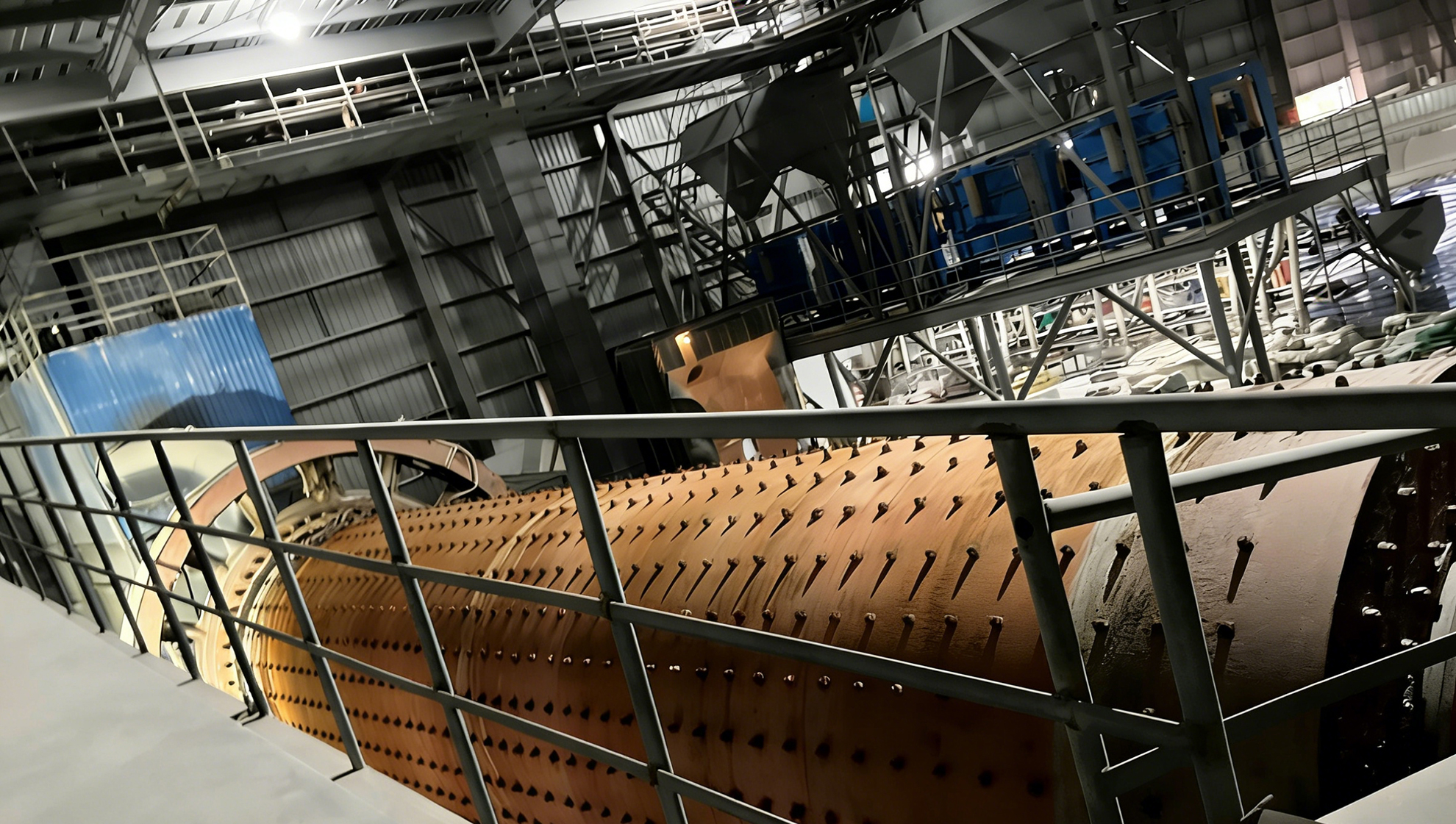
Our engineering division at Golden Fortune focuses on the processing of ultra-fine slag and specialized supplementary cementitious components. We align our manufacturing processes with global construction standards, ensuring that our products provide reliable rheological performance and structural durability under severe environmental exposure.
To learn more about integrating high-performance supplementary cementitious materials into your structural designs, please contact our technical team to discuss your project requirements, coordinate trial mixes, or request detailed product specifications.
Frequently Asked Questions
Q1: What is the main difference between hydraulic and pozzolanic supplementary cementitious materials?
A1: Hydraulic materials, such as Ground Granulated Blast-Furnace Slag (GGBS), possess inherent cementitious properties and can set and harden independently when mixed with water and alkaline activators. Pozzolanic materials, such as Class F fly ash and silica fume, have no cementitious value on their own. Instead, they require moisture and calcium hydroxide—produced during Portland cement hydration—to form stable cementitious compounds.
Q2: How does the incorporation of SCMs mitigate the risk of Alkali-Silica Reaction (ASR)?
A2: SCMs mitigate ASR through multiple mechanisms. They reduce the concentration of alkali ions in the pore solution by incorporating them into the newly formed calcium silicate hydrate (C-S-H) structures. They also consume calcium hydroxide, which is necessary for the formation of expansive ASR gel, and significantly lower the permeability of the concrete, restricting the moisture movement required to drive gel expansion.
Q3: Why does concrete containing SCMs sometimes show slower early strength development?
A3: The hydration reaction of Portland cement is rapid, yielding early mechanical strength. In contrast, pozzolanic reactions rely on the prior accumulation of hydration byproducts (calcium hydroxide) to proceed. This sequential process occurs at a slower rate, resulting in lower compressive strength at 3 to 7 days, though the ultimate 28-day and 56-day strengths often equal or exceed those of traditional mixtures.
Q4: Can silica fume and GGBS be used simultaneously in a single concrete mixture?
A4: Yes, this is known as a ternary binder system. Combining GGBS (which offers excellent long-term durability and moderate heat reduction) with a low percentage of silica fume (which provides early pore refinement and high initial strength) allows engineers to customize the performance of the concrete for challenging structural applications, such as high-rise foundations or marine piles.
Q5: What are the curing requirements for concrete formulated with high SCM replacement levels?
A5: Concrete with high SCM replacement rates is more vulnerable to plastic shrinkage cracking and incomplete hydration if allowed to dry prematurely. It typically requires extended moist curing, often recommended for at least 7 to 10 days, or the application of high-efficiency curing compounds to retain moisture within the concrete matrix during the critical initial hydration phase.