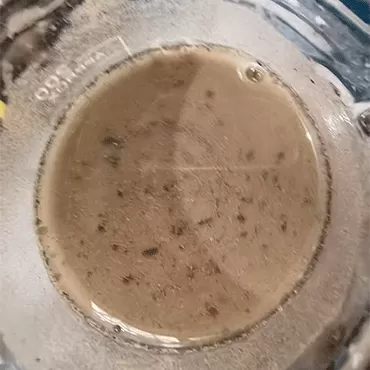
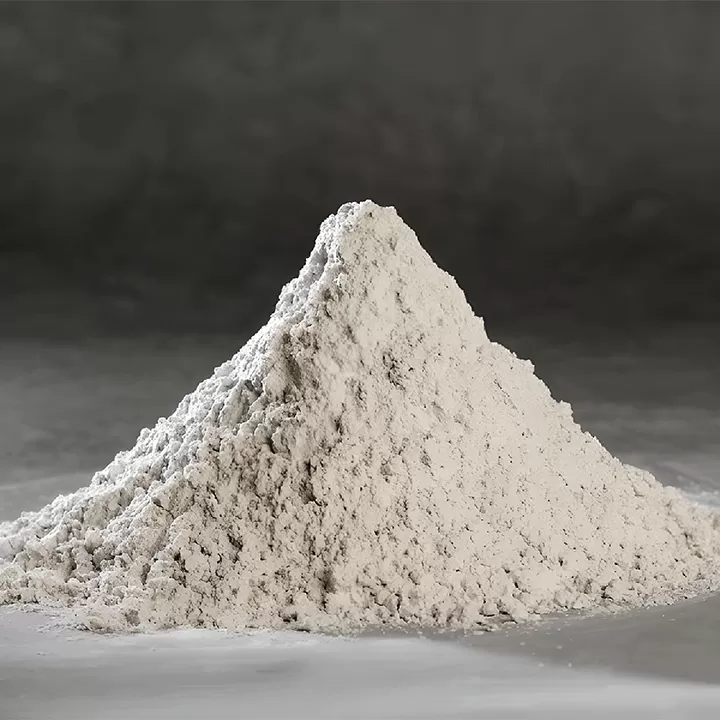
When you blend GGBS (ground granulated blast furnace slag) with Portland cement, you gain durability and sustainability, but you also face challenges like faster setting under hot weather. That’s where a high-quality admixture retarder becomes indispensable. It delays the initial setting time without harming long-term strength, giving crews more flexibility. At Golden Fortune, we’ve seen projects worldwide rely on precisely dosed admixture retarder to keep GGBS-rich mixes workable during transport and placement. This article digs into the technical side, the synergy with slag materials, and how to choose the right product.

What Is an Admixture Retarder and How Does It Work?
A admixture retarder is a chemical additive that slows the hydration of cementitious materials. In plain terms, it keeps concrete fluid for a longer period. Most retarders work by adsorbing onto the surface of cement particles (and GGBS particles), forming a thin barrier that temporarily prevents water from reacting. Over time, this barrier breaks down and hydration proceeds normally.
For mixes with high GGBS content, the setting behaviour can be unpredictable because slag reacts slower than Portland cement. A calibrated admixture retarder brings consistency. Whether you pump concrete 50 floors up or pour a massive raft foundation, you gain control. Golden Fortune supplies GGBS that pairs perfectly with such admixtures — the combination yields dense microstructure and reduces thermal cracking.
The Synergy Between Admixture Retarder and GGBS
GGBS is a glassy granular material, and when used at 30–70% replacement, it alters the concrete’s setting profile. An admixture retarder does more than just delay; it allows the slower pozzolanic reaction of GGBS to catch up. Without retardation, the initial hydration of cement can dominate, leading to micro-cracks. With the right dose, you get a uniform hydration front.
Heat control: Retarders lower the peak temperature in mass pours — crucial when GGBS is used to mitigate thermal stress.
Workability retention: GGBS particles are angular; a retarder improves lubrication, so slump loss is minimised.
Finishability: Delayed setting gives finishers more time to achieve smooth surfaces, especially in architectural concrete.
Engineers at Golden Fortune often recommend field trials to fine-tune the retarder dosage for each GGBS source, because slag fineness and glass content vary.
Key Benefits of Using Admixture Retarder in GGBS Mixes
Incorporating a admixture retarder into slag-blended concrete brings measurable advantages on site and in the final structure. Here are the primary gains:
Extended setting time: You can haul concrete over longer distances without worrying about false set. Perfect for ready-mix operations.
Improved compressive strength: Contrary to old myths, retarders often increase later-age strength by allowing more orderly crystal growth. When combined with GGBS, the effect is amplified.
Reduced water demand: Modern polycarboxylate-based retarders also act as water reducers, lowering w/c ratio while maintaining slump.
Better resistance to aggressive environments: GGBS already fights chloride ingress; the denser matrix from controlled hydration boosts durability further.
Less cracking: Thermal and plastic shrinkage cracks are minimised because heat evolution is spread over time.
One contractor in Southeast Asia used a admixture retarder with 50% GGBS to pour a 2‑meter thick mat in 32°C heat — they got zero cold joints and 45 MPa at 56 days. That’s the practical power of retardation.
Factors to Consider When Choosing an Admixture Retarder for GGBS
Not all retarders work identically with slag cements. You must evaluate compatibility and project conditions. Here’s what experienced mix designers look for:
Base chemistry: Lignosulfonates, hydroxycarboxylic acids, and phosphonates are common. For GGBS, phosphonate-based retarders often show less sensitivity to slag impurities.
Dosage sensitivity: Some retarders have a narrow range — too little does nothing, too much stops setting for days. A robust admixture retarder should tolerate slight overdosing.
Interaction with superplasticizers: Many mixes use both. Check that the retarder doesn’t negate the water reduction.
Temperature robustness: In hot climates, the same retarder may need adjustment. GGBS can exacerbate temperature sensitivity, so choose a product with proven field performance.
For critical infrastructure, we suggest requesting samples from suppliers and testing with the exact GGBFS. Golden Fortune offers technical data sheets that help you predict how our slag interacts with common retarder formulations.
Best Practices for Incorporating Admixture Retarder in GGBS Concrete
To get the most out of your admixture retarder, follow these mixing and placing guidelines. They come from decades of field experience with slag blends.
First, always add the retarder after the cementitious materials and most of the water. Delayed addition improves dispersion. Second, monitor the concrete temperature — if it rises above 35°C, you may need a slightly higher dose. Third, avoid over-vibration; it can cause segregation because the mix stays fluid longer. Finally, curing is vital: since both GGBS and retarders prolong setting, start curing as soon as the surface moisture disappears, usually within 6–12 hours.
Properly used, a admixture retarder turns a sticky GGBS mix into a highly workable, pumpable material. We’ve seen projects in the Middle East where slag concretes with retarder achieved superior sulfate resistance without any extra coatings.
To wrap up, the admixture retarder is not just a convenience additive — it’s a performance enhancer for modern GGBS concrete. It bridges the gap between the fast hydration of clinker and the slow reactivity of slag, resulting in durable, crack‑free structures. Whether you are designing a high‑rise or a wastewater plant, partnering with a reliable slag supplier like Golden Fortune and selecting the right retarder ensures your mix performs exactly as intended. Test, adjust, and build with confidence.